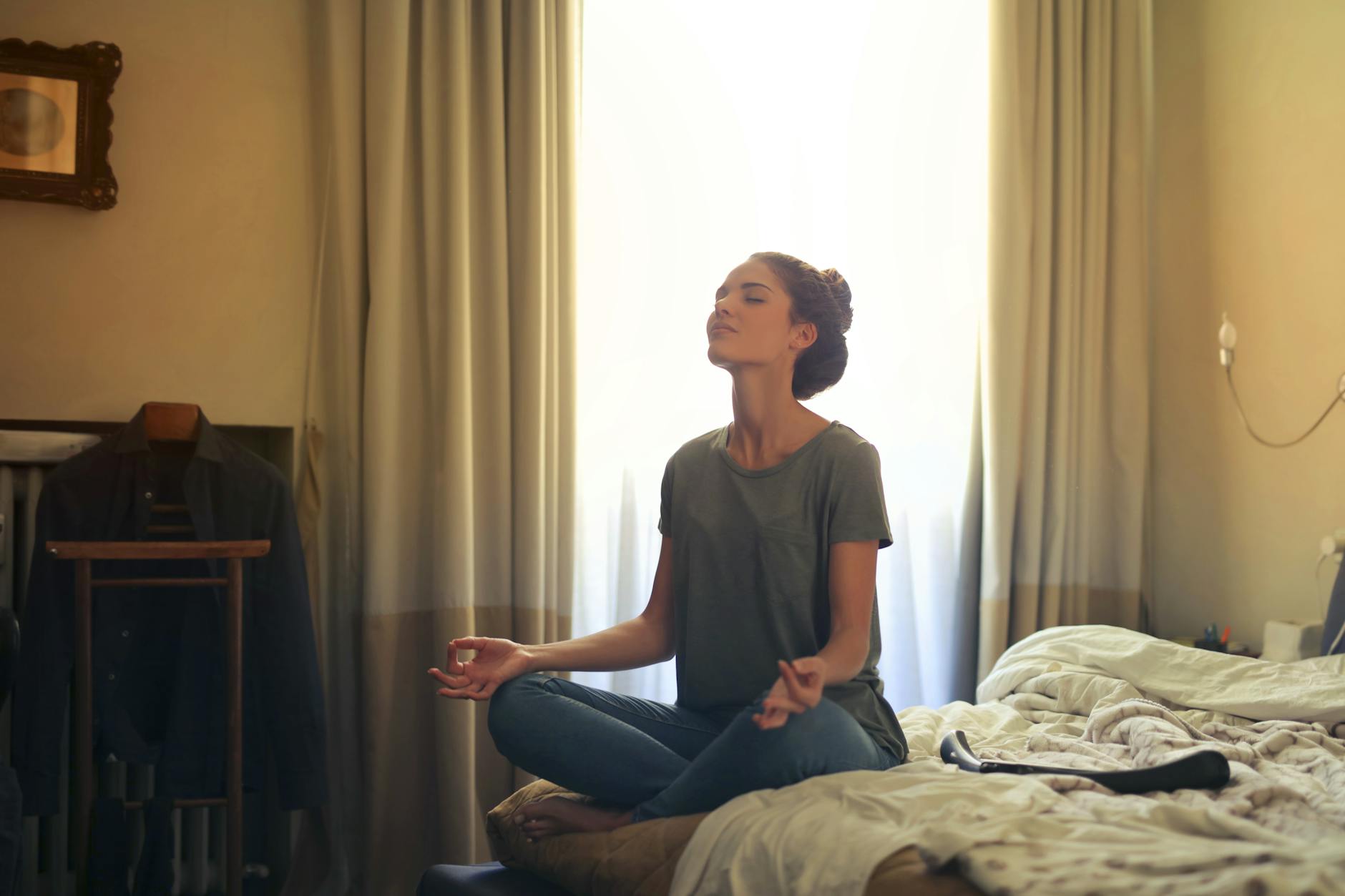
Corporate meditation rooms have become the unexpected birthplace of fashion’s newest minimalist movement. What started as quiet spaces for employee wellness has evolved into inspiration for an entirely new approach to professional wardrobes – one that mirrors the serene, intentional design of these corporate sanctuaries.
Major companies from Google to Goldman Sachs have invested heavily in meditation spaces featuring clean lines, neutral palettes, and carefully curated elements. These rooms, designed to promote mindfulness and reduce workplace stress, share striking aesthetic similarities with the capsule wardrobes now trending among professionals who frequent them.
The Psychology of Calming Colors
Corporate meditation rooms typically feature soft grays, warm whites, and muted earth tones – colors specifically chosen for their psychological effects. Designers report that these spaces rely on what color theorists call “grounding neutrals” that reduce visual stimulation and promote focus.
Fashion-forward professionals are translating this palette directly into their work wardrobes. Brands like COS, Everlane, and Theory have noted increased demand for pieces in meditation room-inspired colors. Soft sage greens, warm off-whites, and various shades of stone gray have become the foundation colors for what stylists are calling “mindful dressing.”
The connection isn’t coincidental. Dr. Sally Augustin, an environmental psychologist who consults on workplace design, explains that the same visual principles that create calm in meditation spaces work equally well in personal styling. “When your environment and your clothing both embrace visual simplicity, it creates a sense of coherence that reduces decision fatigue,” she notes.
This trend represents a significant shift from the bold colors and patterns that dominated professional fashion in recent years. While corporate power dressing returns as remote work ends, many professionals are choosing a more understated approach to commanding presence.
Texture as the New Statement
Meditation rooms achieve visual interest through texture rather than color – natural wood, woven fabrics, stone surfaces, and organic materials create depth without distraction. Fashion designers are adopting this same principle, creating garments that rely on tactile elements rather than bold prints or bright hues.
Knitted blazers with subtle cable patterns, linen shirts with interesting weaves, and pants in textured wool have become the equivalent of meditation room design elements. These pieces offer sophistication through craftsmanship rather than flashiness.
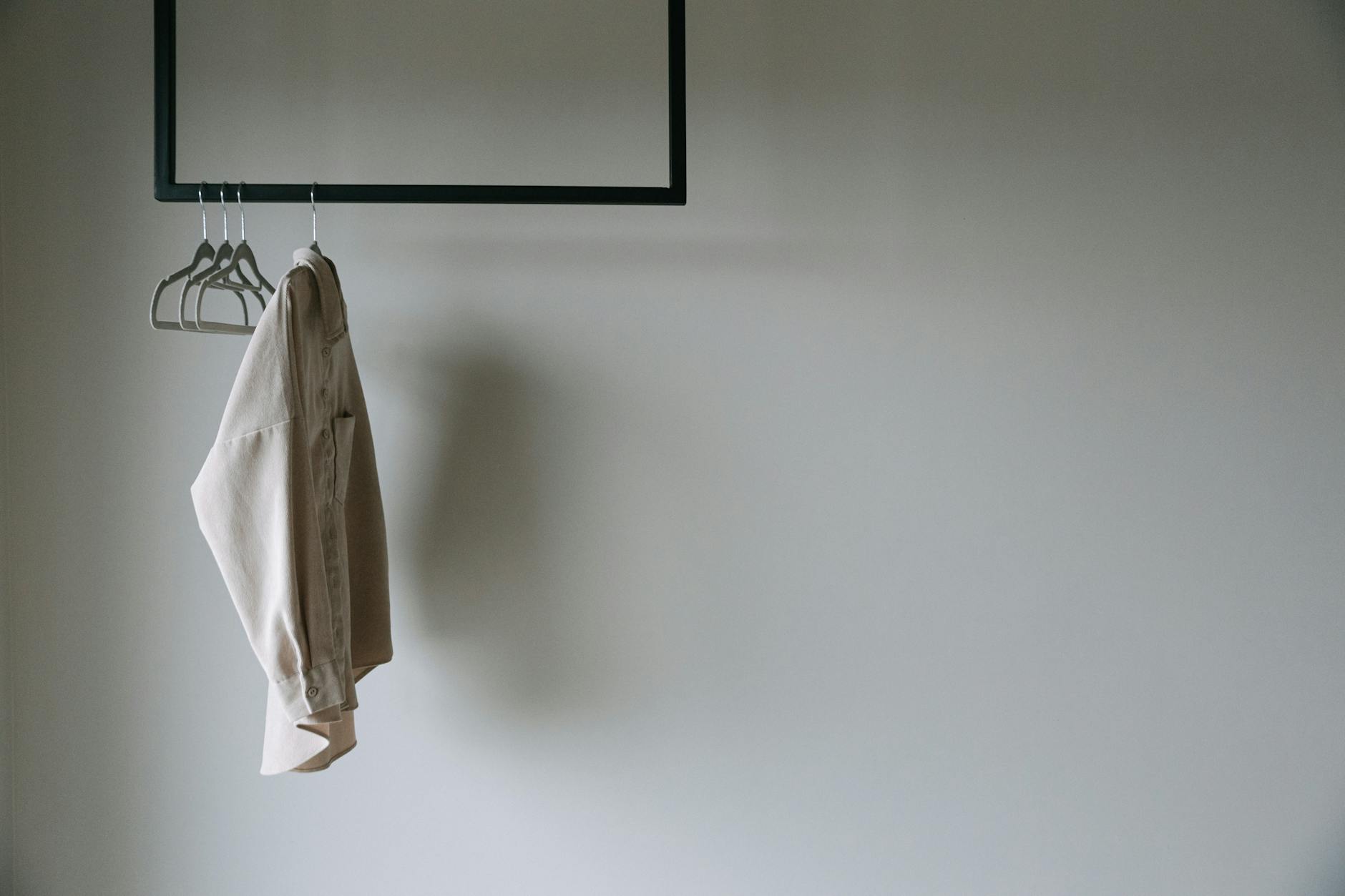
Luxury brands have particularly embraced this approach. Brunello Cucinelli, known for cashmere craftsmanship, reports that their most popular pieces feature subtle textures that change appearance throughout the day depending on lighting – much like the carefully planned natural lighting in corporate wellness spaces.
The Japanese concept of “wabi-sabi,” which finds beauty in imperfection and impermanence, influences both meditation room design and this emerging fashion aesthetic. Slightly irregular hand-knitted sweaters and naturally wrinkled linen pieces embody this philosophy, offering an alternative to the crisp, structured looks traditionally associated with corporate environments.
Functional Minimalism Meets Professional Needs
Corporate meditation rooms are designed around function – comfortable seating, proper ventilation, and flexible spaces that serve multiple purposes. This functional approach translates directly into wardrobes built around versatile, high-quality pieces that work across different professional settings.
The capsule wardrobe concept, popularized by fashion minimalists, mirrors the intentional curation seen in meditation room design. Both approaches emphasize quality over quantity, with each element serving a specific purpose while working harmoniously with other components.
Professional women are increasingly choosing pieces that transition seamlessly from boardroom to meditation room – soft knit blazers that don’t restrict movement, comfortable wide-leg pants in technical fabrics, and breathable tops in natural fibers. This represents a departure from traditional suiting that prioritized appearance over comfort.
Tech companies, which pioneered corporate meditation spaces, have also influenced this relaxed approach to professional dressing. The same companies that invested in employee wellness through meditation rooms have normalized more casual, comfort-focused dress codes that prioritize employee wellbeing over traditional formality.
The Investment in Intentional Pieces
Just as companies make significant investments in creating proper meditation spaces – hiring specialized designers, sourcing quality materials, and maintaining these environments – professionals following this trend invest more thoughtfully in fewer, higher-quality garments.
This approach contrasts sharply with fast fashion consumption patterns. Instead of constantly adding trendy pieces, meditation room-inspired wardrobes focus on building a collection of versatile, well-made items that serve multiple purposes and last for years.
The investment philosophy extends to accessories as well. Simple gold jewelry, quality leather goods in neutral tones, and well-crafted shoes in classic shapes replace the statement pieces that once dominated professional styling. The emphasis shifts from making an impression through bold choices to creating a lasting impression through refined restraint.
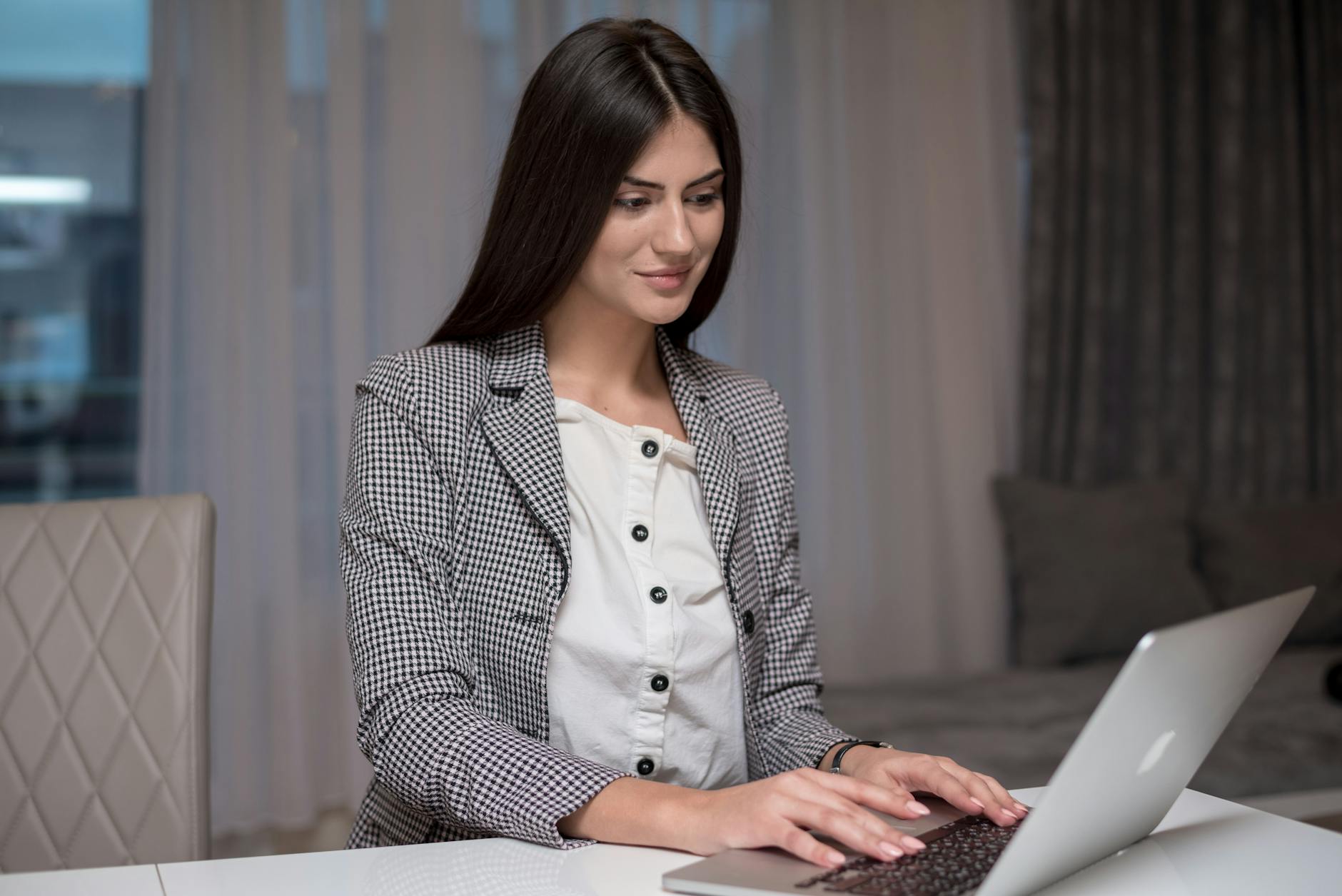
This mindful approach to wardrobe building reflects broader cultural shifts toward sustainability and intentional consumption. Corporate meditation rooms represent companies’ investments in long-term employee wellbeing rather than short-term perks, and professionals are applying this same long-term thinking to their personal style choices.
As more companies recognize the productivity benefits of workplace wellness initiatives, meditation rooms are becoming standard features in corporate environments. This normalization suggests that the fashion influence of these spaces will continue growing. The intersection of workplace wellness and professional style points toward a future where looking good and feeling centered become inseparable concepts in corporate culture.
Frequently Asked Questions
What colors work best for zen minimalist wardrobes?
Soft grays, warm whites, muted earth tones, and sage greens create the calming palette inspired by corporate meditation spaces.
How do you build a meditation room-inspired wardrobe?
Focus on textured neutrals, high-quality basics, and versatile pieces that transition between professional settings while prioritizing comfort.