












Fashion editors are ditching designer heels for orthopedic shoes during Fashion Week, sparking a luxury comfort revolution that’s reshaping industry standards.
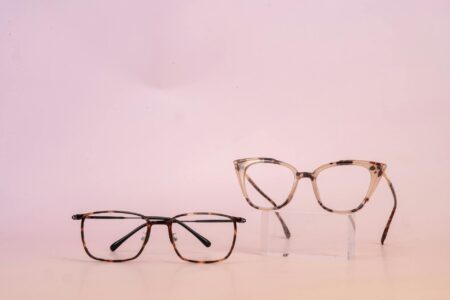
Gen Z ditches designer frames for vintage eyewear, driven by sustainability, individuality, and the thrill of discovering unique pieces with history.

Funeral directors nationwide are abandoning traditional black attire for colorful, contemporary professional wear that better serves grieving families.

Monastery-inspired minimalism transforms modern wardrobes as consumers embrace capsule collections that mirror monastic dress codes for simplicity and sustainability.

Food service uniforms have evolved from basic workwear to fashionable statement pieces that boost employee confidence and brand identity.

Architecture students are revolutionizing fashion by applying structural engineering principles to clothing design, creating durable garments built like buildings.




Eton College’s use of linen interlining in pop collar bands is setting a new standard for minimalist shirt construction – here’s why it matters.

Kendo do cord lacing is crossing into fashion, structuring bodice panels through tension rather than boning. Here is how the martial arts armor principle translates.

Croquet mallet lacquer rings are inspiring a new approach to minimalist ring stacking – precise, interval-based, and quietly architectural.

Fencing jacket underarm gusset seams are influencing how structured bodice vents are built, bringing athletic engineering into fashion construction.