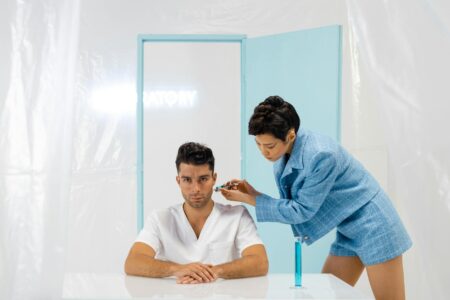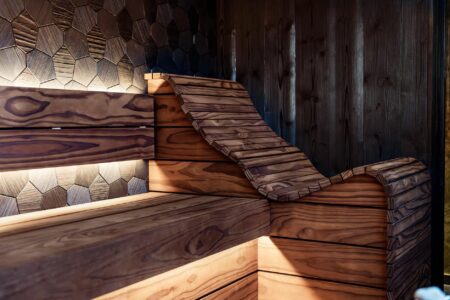


American wellness enthusiasts are trading their familiar facials for salt caves, honey wraps, and beer baths. Eastern European spa techniques, rooted in centuries of thermal spring culture and natural healing traditions, are rapidly transforming luxury wellness centers from Manhattan to Malibu. What started as niche treatments in heritage spas across Poland, Hungary, and the Czech Republic now commands premium prices at high-end American facilities.
The surge reflects growing consumer demand for authentic, results-driven treatments that move beyond standard Swedish massages and cucumber eye masks. Wellness centers report 40% increases in bookings for these European-inspired services, with clients specifically requesting “authentic Eastern European experiences” rather than Americanized versions.
Salt Cave Therapy Leads the Transformation
Halotherapy, or salt cave therapy, represents the most visible shift in American spa culture. These specially constructed rooms, lined with pharmaceutical-grade salt and equipped with halogenerators that disperse microscopic salt particles, recreate the microclimate of Eastern European salt mines.
The Breakers Palm Beach recently invested in a $2.3 million salt cave facility, while Canyon Ranch has added halotherapy rooms to multiple locations. The treatment draws from Polish and Romanian salt mine traditions, where workers historically showed lower rates of respiratory ailments.
“Clients emerge from 45-minute sessions reporting clearer skin and easier breathing,” says Maria Kowalski, spa director at New York’s Sanctum Wellness Center, which opened its salt cave in 2023. The facility maintains strict humidity and temperature controls to mirror conditions in the Wieliczka Salt Mine near Krakow.
The treatment has gained particular traction among clients dealing with seasonal allergies and urban pollution exposure. High-profile wellness advocates, including Gwyneth Paltrow and Miranda Kerr, have publicly discussed their halotherapy experiences, driving mainstream awareness.
Beer and Honey: Ancient Ingredients Go Mainstream
Czech beer spa treatments are appearing at unexpected venues across America. The ritual involves soaking in warm baths filled with beer ingredients – hops, malt, and yeast – while sipping Czech beer. Four Seasons properties in Jackson Hole and Napa Valley now offer these treatments, adapted from traditional Czech beer spa culture.
The hops provide skin-softening properties while the warm temperature promotes circulation. Unlike novelty treatments, these sessions follow strict protocols developed in Czech Republic spas that have operated for generations.
Hungarian honey wraps represent another authentic import gaining American popularity. These full-body treatments use raw honey sourced from specific regions, combined with mineral-rich mud. The Chatham Bars Inn on Cape Cod reports their Hungarian honey ritual books out weeks in advance.
“The honey we use comes directly from Hungarian apiaries that supply traditional spas in Budapest,” explains treatment coordinator Jennifer Walsh. The facility maintains temperature-controlled storage and follows preparation methods identical to those used at the famous Széchenyi Thermal Baths.
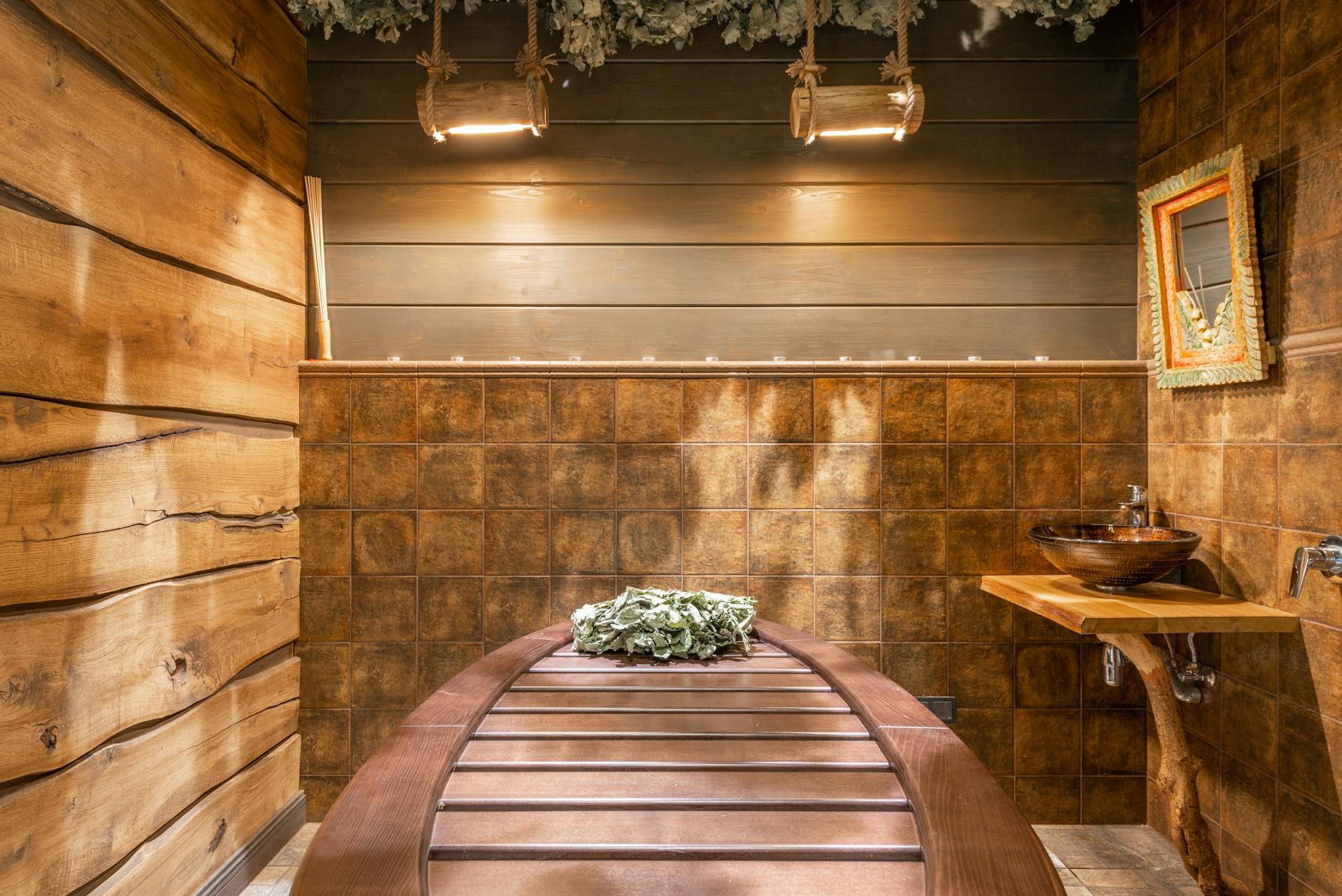
Russian banja-inspired treatments are also emerging, though adapted for American comfort levels. These involve alternating heat exposure with cooling treatments, using birch branch whisks called venik. Select facilities in Aspen and the Hamptons offer modified versions that maintain the therapeutic benefits while accommodating clients unfamiliar with traditional banja intensity.
Thermal Water and Mineral Therapies Expand
American spas are investing heavily in authentic mineral water sources and thermal therapy equipment. Two Bunch Palms Resort in California recently completed a $8 million renovation centered around thermal pools designed to replicate Hungarian thermal bath experiences.
The facility sources mineral water with specific compositions that mirror famous European thermal springs. Clients can experience graduated temperature pools, mineral-rich soaks, and traditional thermal therapy sequences previously available only at destinations like Karlovy Vary or Budapest.
Thalassotherapy, using heated seawater and marine elements, has expanded beyond coastal locations. Urban spas in Chicago and Denver now offer treatments using imported seawater and algae preparations, following protocols developed in French and Eastern European thalassotherapy centers.
These treatments align with growing interest in lymphatic drainage massages, as many Eastern European techniques naturally promote lymphatic function through mineral absorption and temperature variation.
Training and Authentication Challenges
The rapid adoption has created training challenges as American spas seek authenticity. Several facilities now send staff to Poland, Hungary, and Czech Republic for certification in traditional techniques. The International Spa Association reports a 60% increase in requests for Eastern European treatment certification programs.
Sanctum Wellness brought three Polish halotherapy specialists to New York for month-long training programs. Similar initiatives are happening at luxury properties nationwide, with some facilities establishing ongoing relationships with heritage European spas for knowledge transfer.
Equipment sourcing presents additional complexity. Authentic halogenerators, thermal therapy systems, and mineral preparation equipment often require importing from European manufacturers who have supplied traditional spas for decades.
“We insisted on equipment from the same company that supplies the Széchenyi Baths,” notes Walsh from Chatham Bars Inn. “The investment was significant, but clients immediately notice the difference in authenticity.”

American wellness culture continues embracing these time-tested European approaches as consumers seek experiences beyond surface-level relaxation. The trend signals a broader shift toward evidence-based wellness practices rooted in cultural traditions rather than modern spa marketing innovations.
Major wellness chains are now developing Eastern European treatment menus for nationwide rollout, while independent facilities compete to offer the most authentic experiences. This evolution positions American spas to deliver therapeutic benefits that European communities have valued for generations, adapted for contemporary wellness expectations while maintaining their essential character and effectiveness.
Frequently Asked Questions
What are the most popular Eastern European spa treatments in America?
Salt cave therapy, Czech beer baths, Hungarian honey wraps, and thermal mineral treatments are leading the trend at luxury American spas.
How much do these Eastern European spa treatments cost?
Prices vary by location, but typically range from $150-400 per session at high-end American wellness centers offering authentic experiences.