

After years of towering heels dominating boardrooms and corner offices, the fashion pendulum has swung decisively toward comfort. Ballet flats, once relegated to casual weekends and school uniforms, are reclaiming their place as the sophisticated professional’s footwear of choice. Major fashion houses from Chanel to The Row are sending flat-soled elegance down runways, while working women everywhere are quietly abandoning their stilettos for something far more practical.
This shift represents more than just a trend-it’s a fundamental change in how professional women approach workplace dressing. The pandemic years reshaped our relationship with comfort, and now that flexibility has migrated from home offices back to corporate corridors. Fashion insiders report that ballet flat sales have surged 40% in the professional category over the past year, with luxury brands scrambling to meet demand for elevated versions that bridge the gap between comfort and corporate polish.
The Evolution from Casual to Corporate
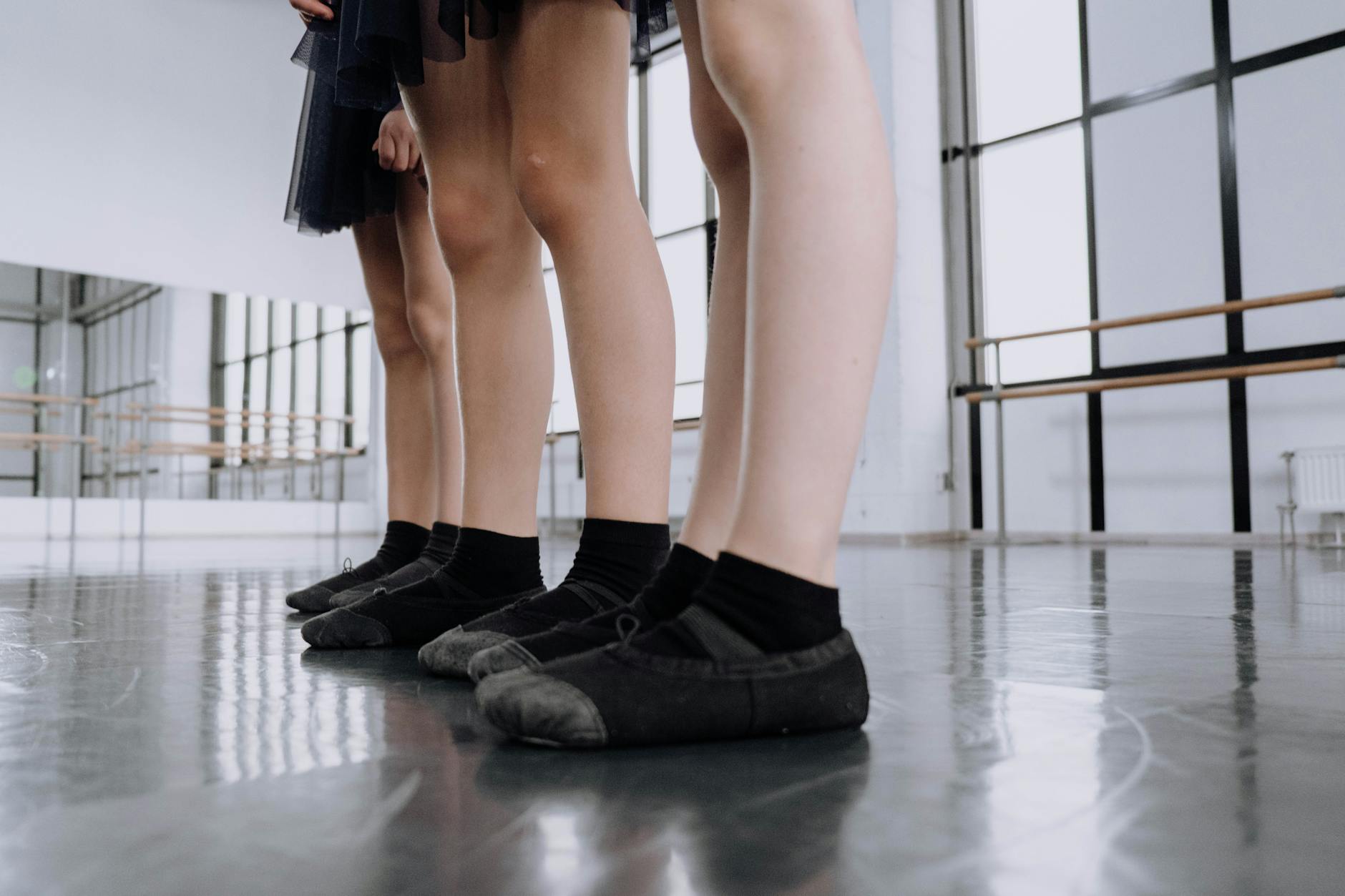
Ballet flats earned their stripes in professional settings through careful design evolution. Today’s workplace-appropriate versions bear little resemblance to the flimsy ballet-inspired shoes that dominated the early 2000s. Contemporary professional ballet flats feature structured toe boxes, quality leather construction, and subtle details that elevate them beyond casual wear.
Brands like Margaux, Rothys, and Everlane have pioneered this transformation, creating flats with architectural precision that complement tailored suits as naturally as they do flowing midi dresses. The key lies in proportion and materials-sleek silhouettes in premium leather or sophisticated fabrics that maintain their shape throughout long workdays.
The most successful professional ballet flats incorporate subtle design elements that signal intentionality. Pointed toes create a more polished silhouette than rounded versions, while minimal hardware or textural details add visual interest without overwhelming conservative dress codes. Color choices have expanded beyond basic black to include rich burgundies, sophisticated navies, and neutral tones that coordinate with professional wardrobes.
Why Professionals Are Making the Switch
The practical advantages of ballet flats in professional settings extend far beyond basic comfort. For women who spend significant portions of their day moving between meetings, traveling between offices, or standing for extended periods, the stability and ease of flats provides a tangible workplace advantage.
Healthcare professionals led this transition years ago, recognizing that comfortable footwear directly impacts job performance. Now, other industries are following suit. Corporate lawyers report feeling more confident during long court sessions, while consultants appreciate the versatility of shoes that transition seamlessly from airplane to client presentation.
The psychological impact shouldn’t be underestimated either. Many professionals describe feeling more grounded and authoritative in flats, freed from the constant awareness of heel height and potential missteps. This mental liberation allows for greater focus on actual work rather than navigating physical discomfort.

Financial considerations also play a role. Quality ballet flats typically cost less than comparable heels and often last longer due to more even wear patterns. For young professionals building their wardrobes or experienced workers refreshing their shoe collections, this economic efficiency proves compelling.
Styling Ballet Flats for Maximum Professional Impact
Successfully incorporating ballet flats into professional wardrobes requires strategic styling choices that maximize their sophisticated potential. The key lies in treating them as the anchor piece rather than an afterthought, building outfits that complement rather than compete with their streamlined silhouette.
Tailored trousers create the most foolproof pairing with professional ballet flats. Straight-leg or slightly tapered cuts that hit at or just above the ankle showcase the shoes while maintaining clean lines. Cropped styles work particularly well, creating visual breathing room that prevents the overall look from appearing too heavy.
Midi and maxi skirts offer another excellent foundation for ballet flat styling. The length creates elegant proportions while the flat sole provides comfortable stability for all-day wear. A-line and pencil silhouettes both work, though the choice depends on individual body type and personal style preferences.
Blazers serve as the transformative element that elevates any ballet flat combination into professional territory. Structured shoulders and clean lapel lines create visual authority that balances the flat shoe’s more relaxed profile. This combination has become particularly popular in creative industries where flexible professional dress codes allow for more experimental approaches to workplace fashion.
The Future of Professional Footwear
The ballet flat revival signals a broader shift in professional fashion priorities, where functionality and personal comfort increasingly influence workplace dress standards. This trend aligns with other practical fashion movements gaining momentum across industries, from streamlined accessories to versatile separates that work across multiple settings.
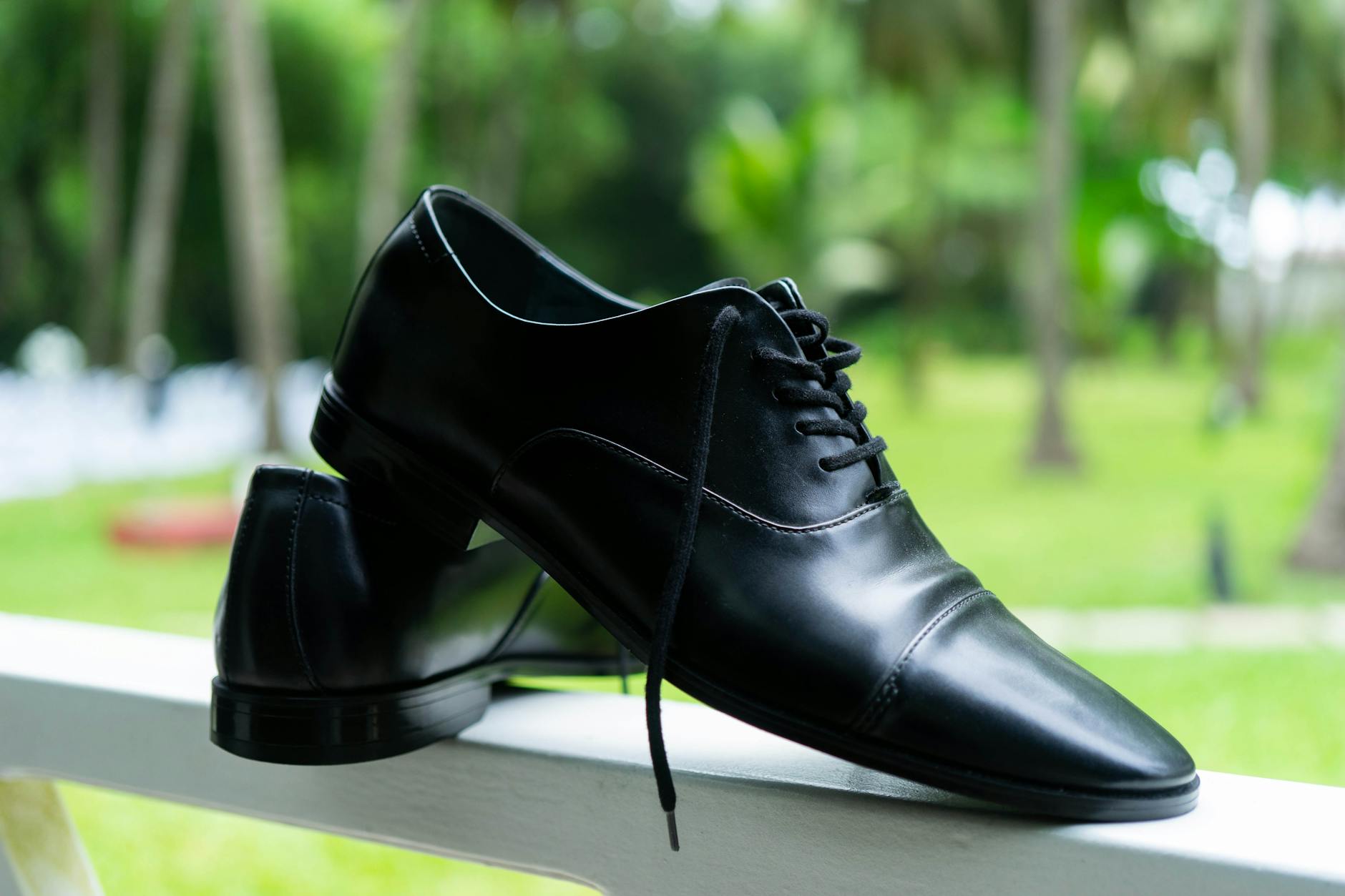
Fashion forecasters predict this comfort-forward approach will continue expanding, with other traditionally casual shoe styles receiving professional makeovers. Loafers, Oxford shoes, and even elevated sneakers are following similar trajectories from weekend wear to workweek staples.
The success of professional ballet flats also reflects changing workplace dynamics. As hybrid work arrangements become permanent fixtures rather than temporary adjustments, the demand for versatile pieces that transition seamlessly between home and office environments will likely sustain this trend’s momentum.
Looking ahead, expect to see continued innovation in construction techniques and materials as brands respond to this growing market segment. Sustainable options, customizable fits, and technology-enhanced comfort features represent the next frontier in professional flat development.
The ballet flat’s professional resurrection proves that workplace fashion evolution follows practical needs rather than arbitrary style dictates. As more women prioritize comfort without sacrificing polish, this comfortable alternative to traditional business footwear seems destined to become a permanent fixture in professional wardrobes rather than a passing trend.
Frequently Asked Questions
Are ballet flats appropriate for business professional dress codes?
Yes, when chosen in quality materials with structured designs and paired with tailored pieces like blazers and trousers.
What makes professional ballet flats different from casual versions?
Professional ballet flats feature structured construction, premium materials, pointed toes, and sophisticated colors that complement business attire.