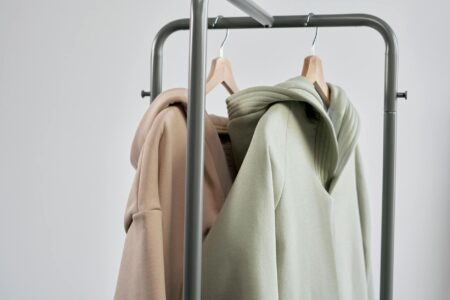


Coffee shop uniforms have quietly infiltrated high fashion runways, transforming from practical workwear into coveted minimalist statements. What began as simple protective garments for baristas has evolved into a sophisticated aesthetic that’s reshaping how we think about modern professional dress.
The crossover happened gradually, then all at once. Fashion editors noticed the clean lines first – the way quality canvas aprons draped over simple clothing, creating effortless silhouettes. Then came the materials upgrade: premium leather straps, organic cotton canvases, and brass hardware that elevated humble workwear into luxury territory.
From Coffee Counter to Catwalk
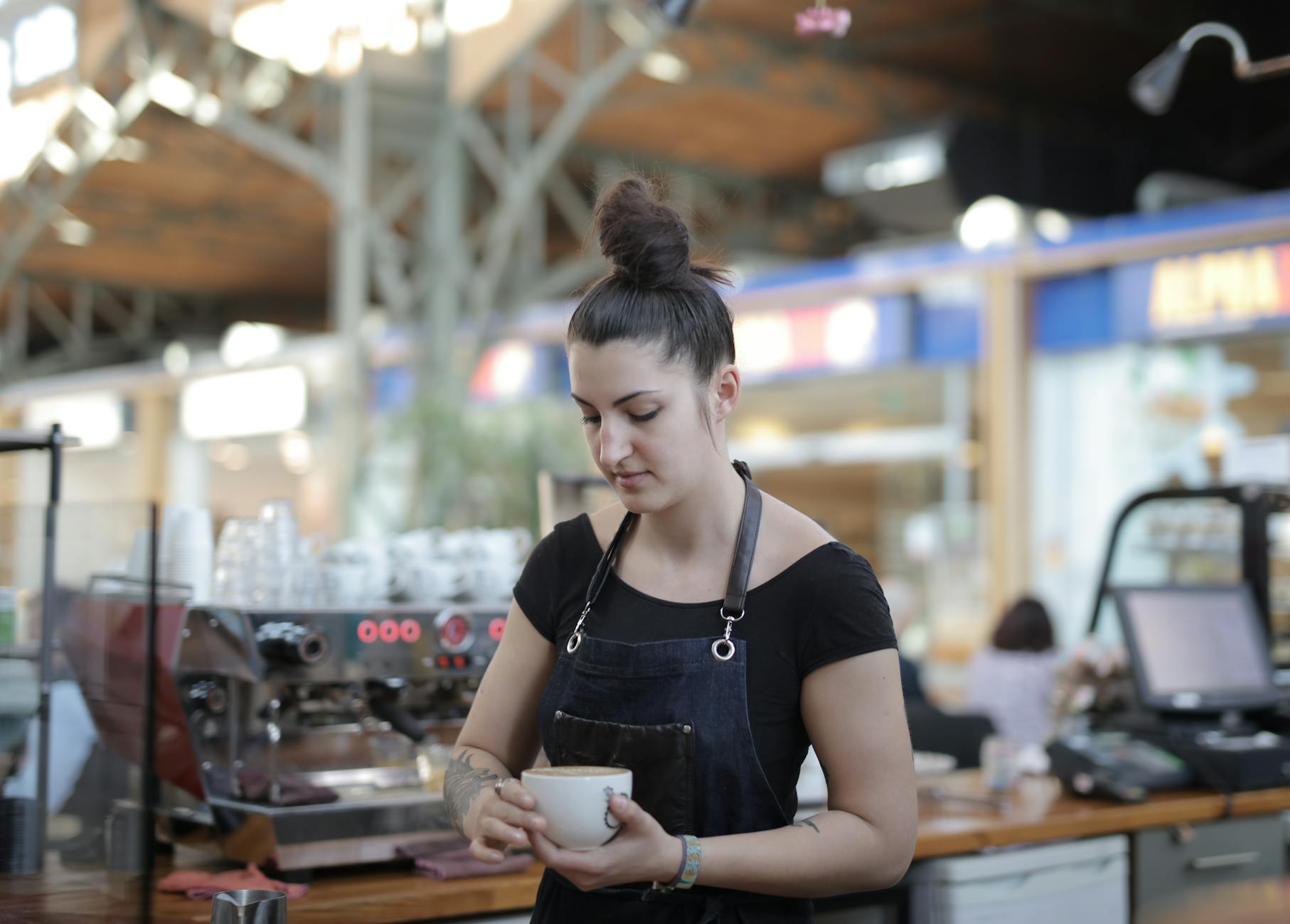
The transformation started in artisanal coffee shops across major cities. Third-wave coffee culture demanded a certain aesthetic – industrial spaces, exposed brick, and staff who looked the part. Traditional chef’s aprons felt too formal, while regular clothing offered no protection from espresso stains and milk spills.
Enter the modern barista apron: shorter than traditional kitchen versions, often featuring crossback straps for comfort during long shifts, and designed with minimal hardware to avoid catching on equipment. Brands like Hedley & Bennett and Tilit began creating aprons specifically for the coffee industry, using canvas duck cloth and Japanese denim in muted colorways.
The fashion world took notice when high-end restaurants adopted similar styles for their front-of-house staff. Suddenly, the same aesthetic that protected baristas was appearing at Michelin-starred establishments, worn by servers who needed to look polished while remaining practical.
The Minimalist Appeal
What makes these aprons particularly compelling is their alignment with contemporary minimalist values. The best designs feature no unnecessary details – just clean lines, quality materials, and functional pockets. This restraint appeals to consumers exhausted by fast fashion’s constant embellishment and trend cycling.
The neutral color palette adds to their versatility. Most barista-inspired aprons stick to black, charcoal, navy, or natural canvas tones that complement rather than compete with existing wardrobes. This makes them perfect layering pieces for the kind of effortless uniform dressing that’s become increasingly popular among style-conscious professionals.
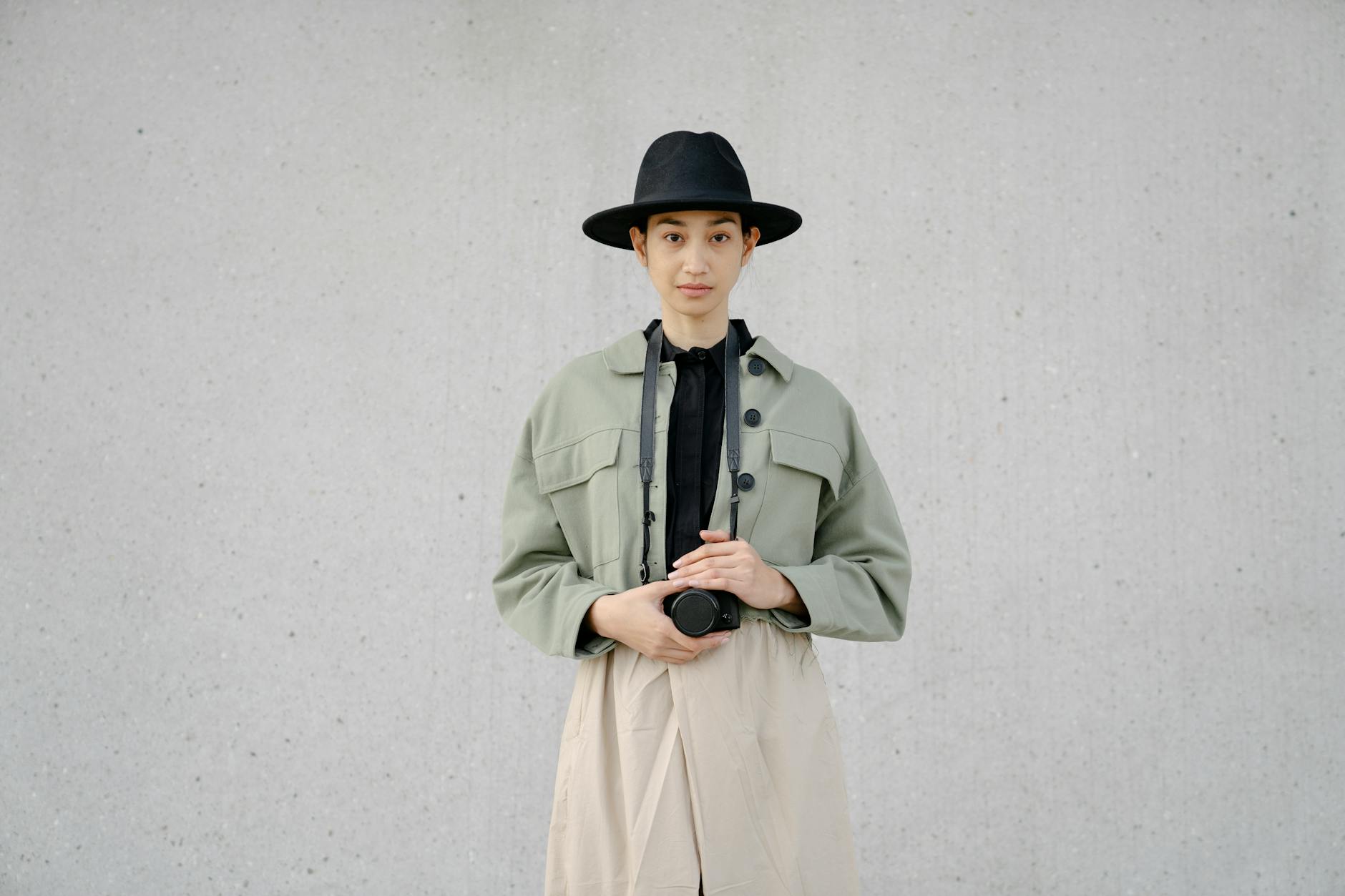
Fashion influencers began incorporating them into everyday looks, pairing canvas aprons with simple white tees and tailored trousers for an off-duty chef aesthetic. The look suggested competence and creativity – someone who might whip up an impressive meal or craft the perfect cortado at a moment’s notice.
Beyond the Coffee Shop
The trend’s expansion beyond food service reflects broader shifts in professional dress codes. As remote work blurred traditional office attire expectations, many professionals sought clothing that could transition seamlessly between contexts.
Barista aprons fit this need perfectly. They’re formal enough for client meetings when worn over a crisp shirt, yet practical enough for home cooking or creative projects. This versatility aligns with the growing preference for pieces that serve multiple functions – similar to how convertible clothing has gained popularity among frequent travelers.
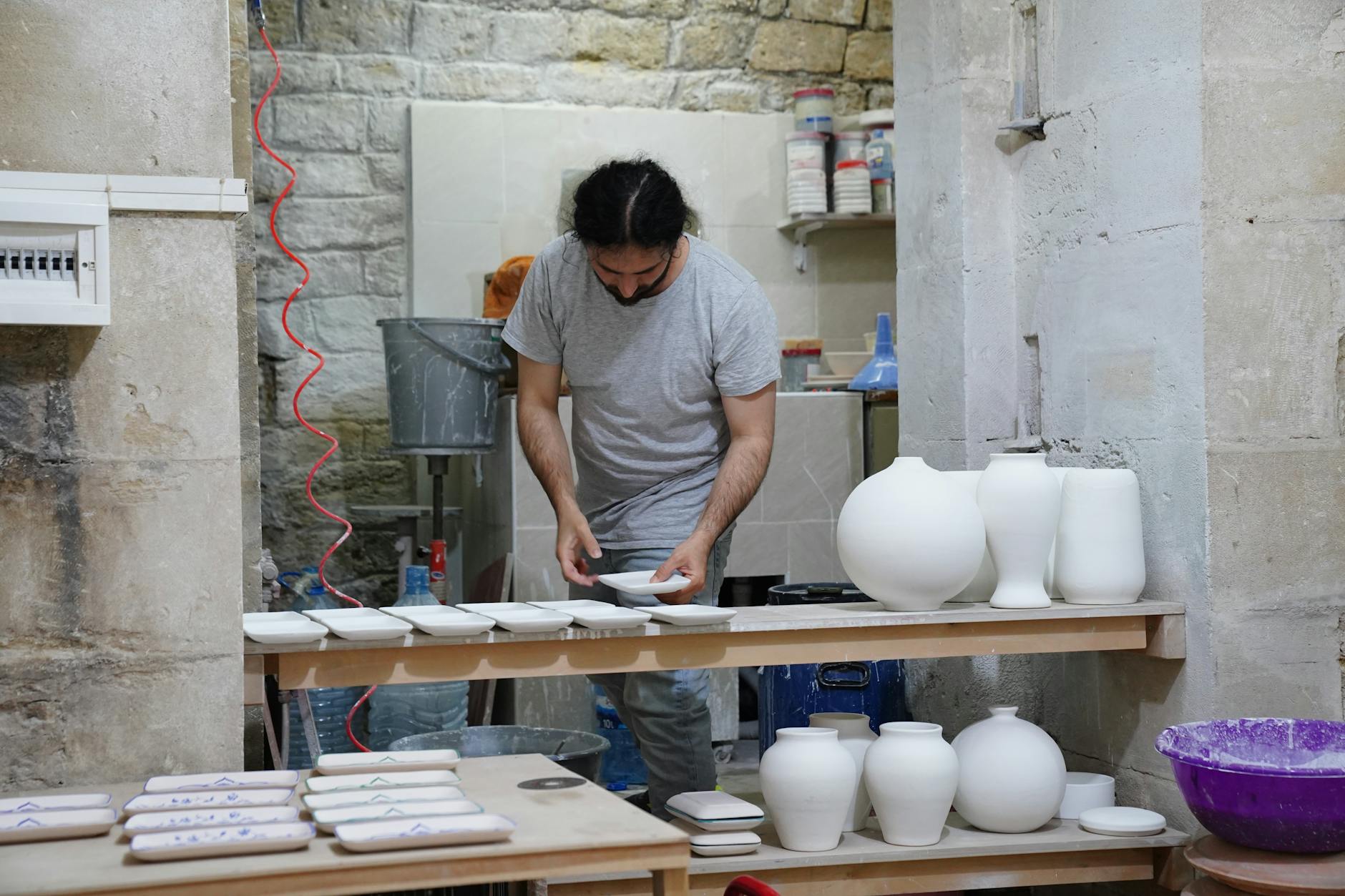
Artists and makers particularly embraced the aesthetic. Ceramicists, painters, and woodworkers found that well-designed aprons elevated their studio practice, making them feel more professional while providing necessary protection. Social media amplified this trend, with countless posts featuring creators in stylish aprons working on everything from sourdough to sculpture.
The crossover into retail and hospitality happened naturally. Boutique stores began outfitting staff in minimalist aprons that projected competence without overwhelming delicate merchandise. Wine bars and specialty food shops followed suit, creating cohesive brand experiences through thoughtfully chosen uniforms.
The Quality Factor
Not all aprons achieve this crossover appeal. The difference lies in construction details that most consumers never consciously notice but instinctively appreciate. Quality versions feature reinforced stress points, comfortable strap placement, and materials that improve with wear rather than deteriorate.
Hardware makes a significant difference. Cheap plastic buckles or flimsy metal clips immediately signal costume rather than clothing. The best pieces use solid brass or stainless steel components that develop patina over time, adding character rather than showing wear.
Fit is equally crucial. Barista aprons that translate well to fashion contexts are cut with modern silhouettes in mind. They hit at flattering lengths, don’t add bulk around the waist, and consider how they’ll layer over different body types and clothing styles.
The trend shows no signs of slowing. Major fashion retailers now stock apron-inspired pieces, while traditional workwear companies expand their offerings to meet fashion demand. What started as practical coffee shop uniforms has become a legitimate wardrobe category, proving that the best fashion often emerges from genuine function rather than pure aesthetics.
This evolution reflects our current moment’s values: authenticity over artifice, quality over quantity, and clothing that serves real purposes in our daily lives. As remote work continues reshaping how we dress and traditional career paths become less linear, the humble barista apron represents a new kind of professional uniform – one that’s ready for whatever the day might bring.
Frequently Asked Questions
What makes barista aprons different from regular aprons?
They feature shorter lengths, crossback straps for comfort, minimal hardware, and are designed specifically for coffee service rather than cooking.
How do you style a barista apron for fashion?
Pair with simple pieces like white tees and tailored trousers, choosing neutral colors that complement your existing wardrobe.