

Tech executives are trading their off-the-rack suits for something unexpected: handcrafted garments from century-old Chinatown tailoring shops. What started as a practical solution for busy professionals has evolved into Silicon Valley’s newest status symbol, with master tailors reporting six-month waiting lists for their bespoke creations.
The shift represents more than just fashion preference. As tech leaders increasingly appear at congressional hearings, investor meetings, and global summits, their clothing choices carry weight beyond the boardroom. Traditional luxury brands like Armani and Hugo Boss are finding unexpected competition from family-run establishments tucked between dim sum restaurants and herbal medicine shops.
“We’ve had CEOs fly in from Seattle just for fittings,” says Thomas Chen, third-generation owner of Chen Family Tailors in San Francisco’s Chinatown. “They want something that nobody else has, made by hands that learned from masters.”
The Appeal of Old-World Craftsmanship
Chinatown tailors offer something Silicon Valley can’t manufacture: time-honored techniques passed down through generations. These artisans learned their craft when precision meant survival, creating garments for immigrants who needed their one good suit to last decades. That same attention to detail now serves executives whose wardrobes require both durability and distinction.
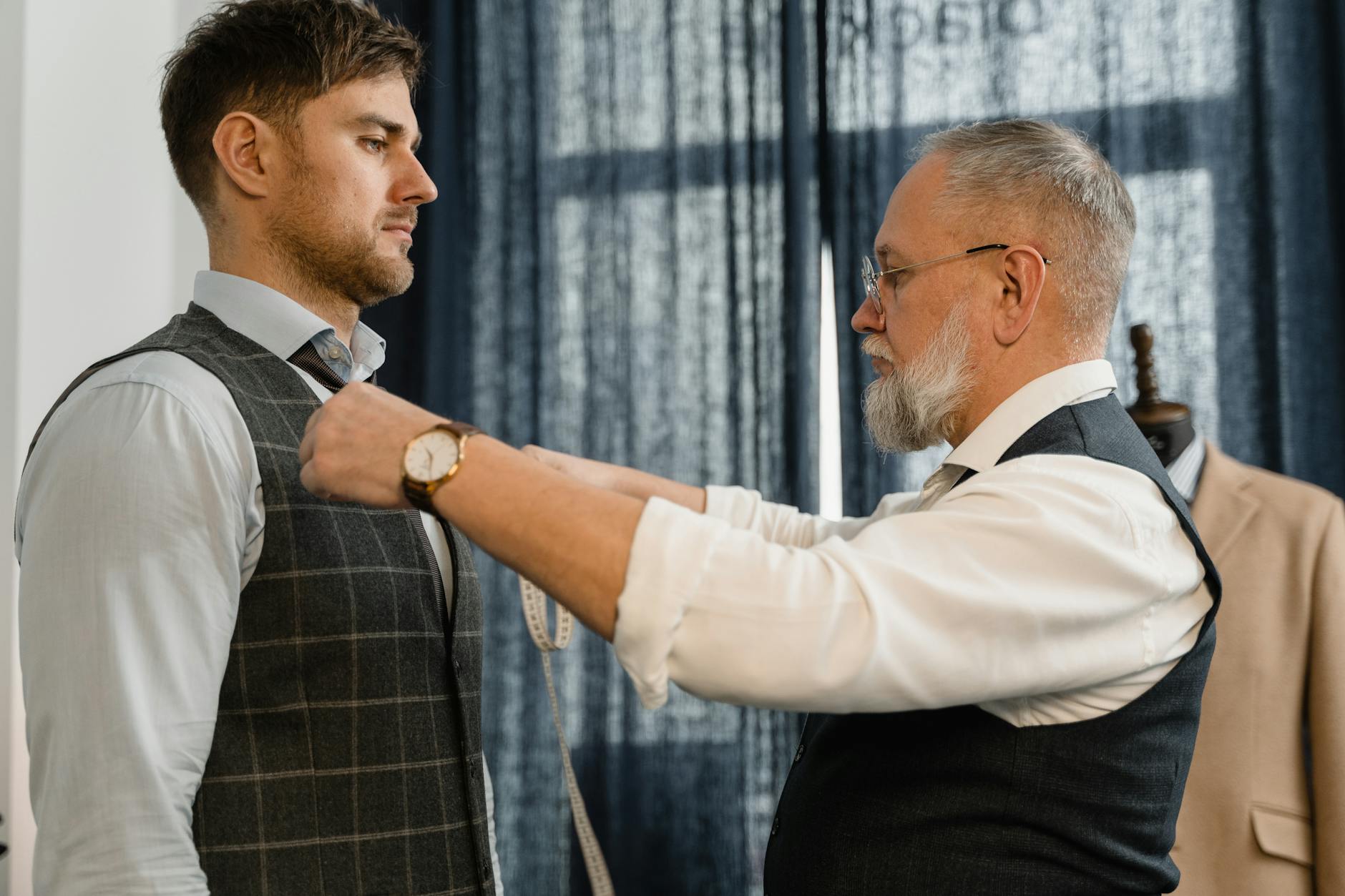
The process differs dramatically from modern bespoke experiences. Instead of digital body scans and computer-assisted cutting, Chinatown tailors rely on decades of muscle memory and intuition. They can spot posture issues, asymmetries, and personal style preferences that algorithms miss. A typical suit requires five to seven fittings over three months, with adjustments made by hand at each step.
Price points reflect this meticulous approach. While high-end department store suits range from $2,000 to $5,000, Chinatown bespoke pieces typically cost between $1,200 and $3,000. The value proposition extends beyond economics – these tailors often provide lifetime alterations and repairs, treating each garment as a long-term relationship rather than a transaction.
Many tech executives appreciate the analog nature of the experience. After spending days immersed in screens and algorithms, they find the tactile process of fabric selection, hand measurements, and detailed consultations refreshingly human. The relationship building mirrors the personal attention they remember from pre-digital service industries.
Meeting Modern Professional Demands
Traditional tailoring techniques adapt surprisingly well to contemporary professional needs. Tech executives require versatility in their wardrobes – suits that transition from morning investor pitches to evening galas, garments comfortable enough for transcontinental flights yet sharp enough for televised interviews.
Chinatown tailors excel at these practical considerations. They understand fabric behaviors, seasonal requirements, and how different cuts perform under various conditions. Masters like Wong’s Custom Tailoring in New York’s Chinatown have developed expertise in travel-friendly fabrics that resist wrinkles while maintaining structure during long conferences.
The customization extends beyond aesthetics. These tailors accommodate modern accessories tech executives require: reinforced pockets for devices, interior slots for charging cables, and construction techniques that prevent bulging when carrying multiple gadgets. They balance traditional proportions with contemporary professional demands.
Color and pattern selections reflect this dual nature. While respecting classical suiting principles, Chinatown tailors incorporate subtle modern elements – slightly slimmer lapels, contemporary fabric textures, or unexpected interior details that satisfy individual expression without compromising professional appropriateness.

Cultural Exchange and Authenticity
The relationship between Chinatown tailors and tech executives represents broader cultural dynamics in American business. These established communities offer authenticity that contrasts with Silicon Valley’s constant innovation cycles. For executives accustomed to disruption and rapid change, the stability of multi-generational craftsmanship provides grounding.
Language barriers sometimes complicate initial consultations, but experienced tailors have developed communication methods that transcend verbal limitations. Through gesture, demonstration, and shared understanding of quality standards, they establish working relationships that often last decades.
The cultural exchange flows both directions. Tech executives gain appreciation for traditional craftsmanship while tailors adapt to contemporary business requirements. Some shops now accept digital payments, maintain online appointment systems, or offer video consultations for out-of-town clients – modernizations that preserve core values while improving accessibility.
This intersection parallels trends in other industries where technology leaders seek authentic, artisanal experiences. Similar to how custom embroidery artists are personalizing fast fashion pieces, traditional craftspeople find new markets among consumers craving individual expression and quality construction.
Community impact extends beyond individual transactions. Tech executive patronage has helped sustain Chinatown tailoring businesses through challenging economic periods. Their willingness to pay fair prices for quality work supports artisans who might otherwise struggle against mass production and rising commercial rents.
Innovation Within Tradition
Master tailors balance preservation of traditional techniques with subtle innovations that improve their craft. They experiment with new fabric blends, incorporate performance textiles for active executives, and adapt construction methods to accommodate contemporary body types and lifestyle demands.
Technology integration happens selectively. Some shops use modern pressing equipment or precise measuring tools while maintaining hand-sewn construction methods. Others employ digital pattern storage systems that preserve individual measurements and preferences across multiple orders, improving consistency while respecting traditional fitting processes.
The most successful Chinatown tailors view innovation as evolution rather than replacement. They adopt improvements that enhance quality or efficiency without compromising the personal attention and handcrafted elements that distinguish their work from mass production.
Younger generation tailors sometimes bring fresh perspectives while respecting established methods. They might suggest contemporary styling options or fabric choices while deferring to master craftsmen for construction techniques. This mentorship model ensures knowledge transfer while allowing gradual adaptation to changing market demands.
The revival of Chinatown bespoke tailoring for tech executives signals broader shifts in luxury consumption and professional presentation. As artificial intelligence and automation reshape industries, human craftsmanship gains renewed appreciation. These century-old shops offer what technology cannot replicate: individual attention, accumulated wisdom, and the irreplaceable value of things made by hand.
The trend appears sustainable beyond current fashion cycles. Tech executives who discover Chinatown tailors typically become lifetime clients, appreciating both the garments and the relationships they develop with master craftsmen. As more professionals prioritize authenticity and individual expression in their wardrobes, these traditional artisans find themselves perfectly positioned to meet contemporary demands while preserving invaluable cultural heritage.
Frequently Asked Questions
Why do tech executives choose Chinatown tailors over luxury brands?
They offer superior craftsmanship, personal attention, and authentic handmade quality at competitive prices with lifetime service relationships.
How much do Chinatown bespoke suits typically cost?
Most range from $1,200 to $3,000, significantly less than comparable luxury brand bespoke suits while offering superior personalization and lifetime alterations.