


The lights dim, the music swells, and a model glides down the runway in what appears to be a midnight blue gown. But as she moves, the fabric shifts from deep navy to electric purple, then to shimmering gold. This isn’t special effects or trick lighting – it’s thermochromic fabric technology making its dramatic debut in high-end evening wear.
Color-changing textiles, once relegated to novelty t-shirts and children’s toys, have undergone a sophisticated transformation. Leading fashion houses are now integrating these smart materials into couture gowns and luxury evening pieces, creating garments that respond to body heat, light, and even sound to produce mesmerizing color shifts throughout the night.
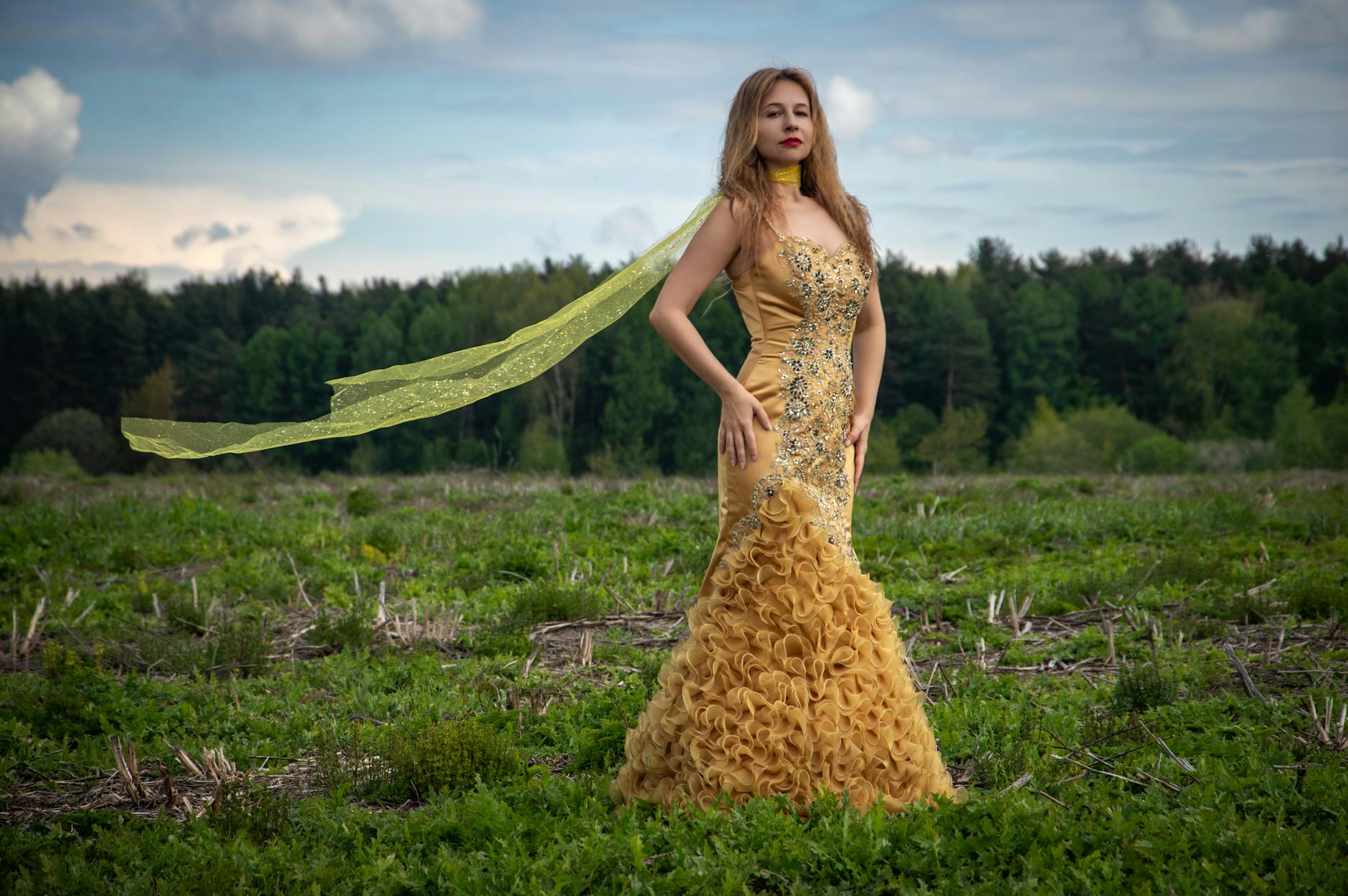
The Science Behind the Spectacle
The technology driving these transformative garments relies primarily on thermochromic and photochromic materials. Thermochromic fabrics contain microscopic capsules filled with leuco dyes that change molecular structure when exposed to different temperatures. As the wearer moves, dances, or experiences fluctuations in body temperature, the fabric responds with cascading waves of color.
Photochromic materials take a different approach, reacting to ultraviolet light and ambient lighting changes. These fabrics can shift from pale pastels in daylight to vibrant jewel tones under evening lights, making them particularly suited for events that transition from cocktail hour to after-party.
Recent innovations have introduced electrochromic fabrics that respond to electrical currents. Designers can now incorporate subtle conductive threads that allow wearers to control color changes through smartphone apps or small battery packs discreetly sewn into garment seams. Fashion tech companies like CuteCircuit and Studio XO have pioneered these interactive elements, creating gowns that pulse with the wearer’s heartbeat or shift colors based on music tempo.
The manufacturing process involves embedding these reactive compounds into synthetic fibers or applying them as coatings to natural materials like silk and cotton. The challenge lies in maintaining the fabric’s drape, breathability, and luxury feel while incorporating the color-changing technology. High-end mills in Italy and France have developed proprietary techniques that preserve the flowing quality essential for evening wear.
From Runway to Red Carpet
Major fashion weeks have become proving grounds for these innovative materials. Designers like Iris van Herpen and Hussein Chalayan have showcased dramatic color-changing pieces that blur the line between fashion and performance art. Van Herpen’s recent collection featured gowns that shifted from deep forest green to brilliant coral as models walked, creating a mesmerizing gradient effect.
Celebrity stylists report increasing interest from A-list clients seeking show-stopping looks for premieres and galas. The technology offers a unique advantage for red carpet appearances – photographers capture different looks throughout the evening as lighting conditions change and body temperature fluctuates during photo sessions and event activities.
Fashion rental companies have begun adding color-changing evening wear to their premium collections. The appeal lies in the garment’s ability to provide multiple looks in a single piece, offering excellent value for special occasion wear. Rent the Runway and similar services report high demand for these pieces, particularly for multi-event weekends like weddings or festival seasons.
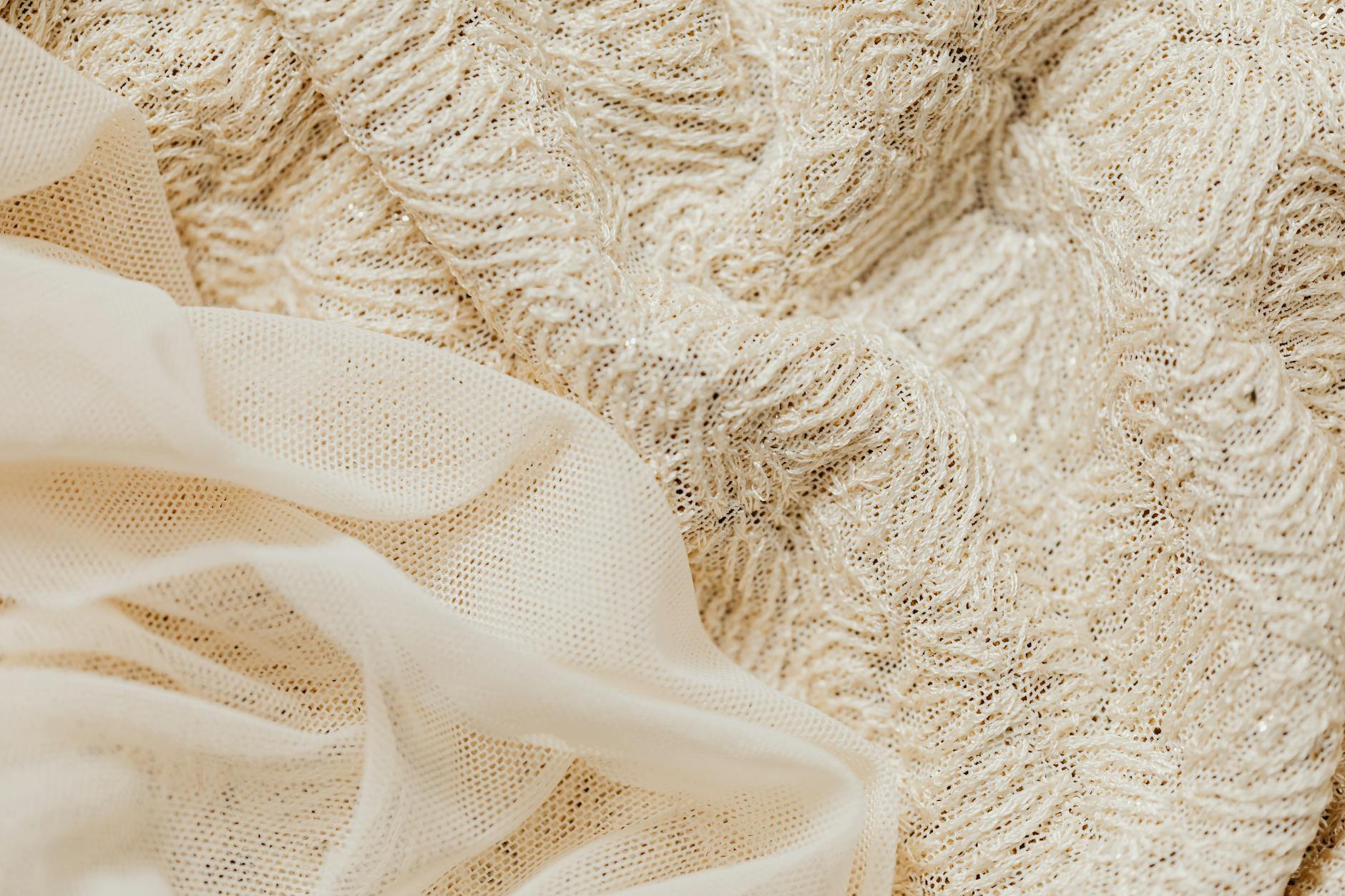
The bridal industry has also embraced the technology, with designers creating gowns that shift from traditional white during the ceremony to soft blush or champagne tones during the reception. This allows brides to honor tradition while incorporating contemporary innovation into their special day.
Practical Considerations and Care
While the visual impact is undeniable, color-changing evening wear requires specific care and handling. The reactive compounds that create color shifts can be sensitive to extreme temperatures, requiring careful storage and cleaning protocols. Many pieces require professional dry cleaning with specialized processes that protect the color-changing properties.
Durability varies depending on the type of technology used. Thermochromic fabrics typically maintain their color-changing abilities for several years with proper care, while electrochromic pieces require occasional battery replacements and more delicate handling of electronic components.
Price points for these innovative garments remain high, with designer pieces ranging from several thousand to tens of thousands of dollars. The specialized manufacturing process, limited production runs, and novelty factor all contribute to premium pricing. However, as the technology matures and production scales up, more accessible options are beginning to appear in contemporary fashion lines.
Fashion rental has emerged as a practical solution for many consumers wanting to experience color-changing evening wear without the full investment. This aligns with broader trends toward convertible clothing solutions that offer versatility and value.
Styling Tips for Color-Changing Garments
Working with color-changing evening wear requires a different approach to styling and accessorizing. Since the garment itself provides visual drama through its shifting hues, accessories should remain relatively neutral and understated. Metallic jewelry in gold or silver works well as it complements multiple color phases throughout the evening.
Makeup artists recommend keeping cosmetics simple to avoid competing with the garment’s changing palette. A classic smoky eye or bold lip in a neutral tone allows the dress to remain the focal point while the wearer appears polished and intentional.
Hair styling should consider how different positions and movements might affect the garment’s color changes. Updos that expose the neckline and shoulders can showcase color shifts in those areas, while longer styles might create interesting interplay between hair movement and fabric response.
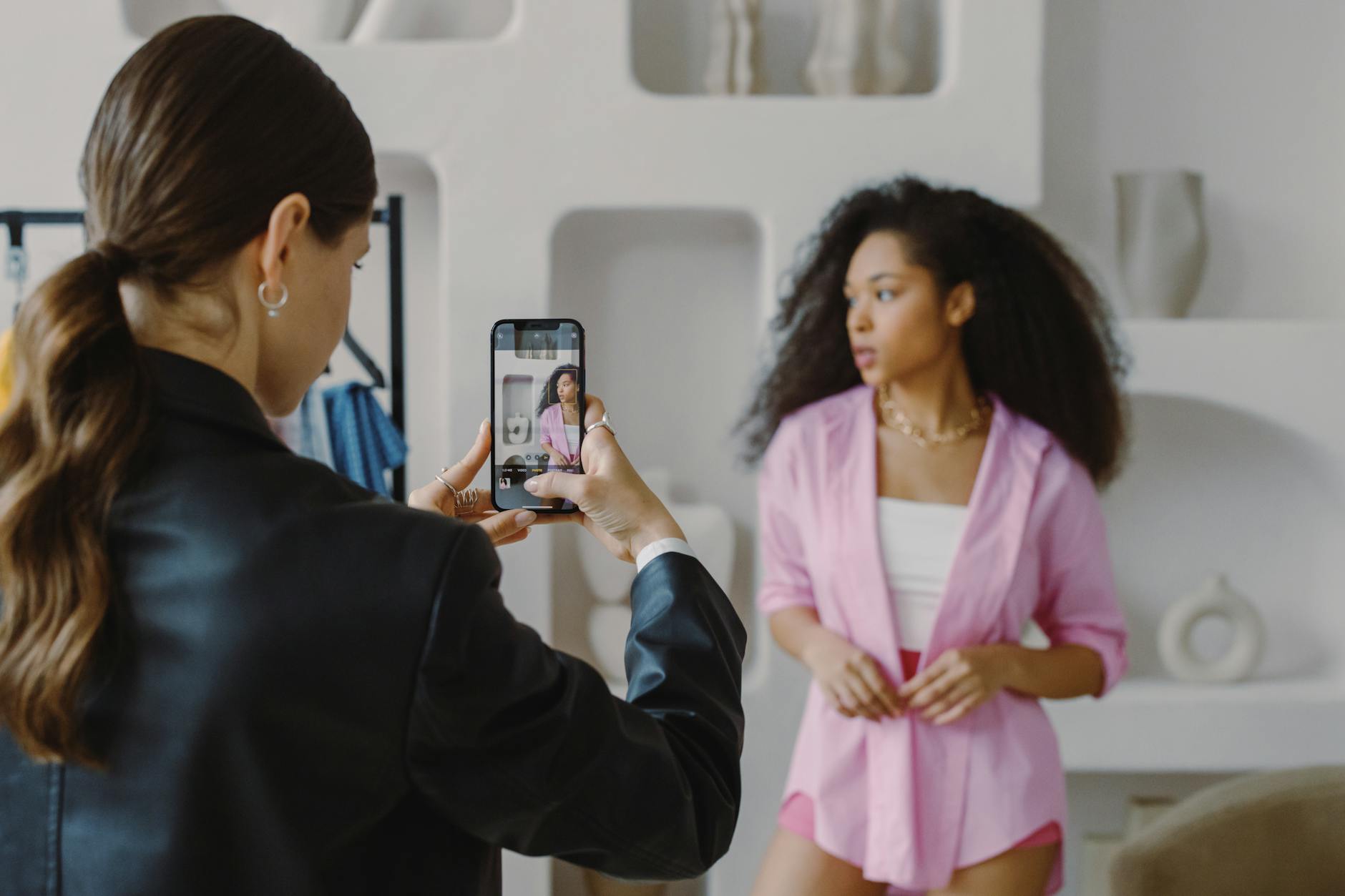
Photographers working with color-changing garments need to adjust their approach, considering how different lighting setups will affect the fabric’s appearance. The changing nature of the garment creates unique opportunities for dynamic shots but requires technical knowledge about how the specific technology responds to camera flashes and studio lighting.
The Future of Adaptive Fashion
The evolution of color-changing fabrics represents just the beginning of truly adaptive fashion technology. Researchers are developing fabrics that can change texture, pattern, and even opacity in response to environmental conditions or wearer preferences. Some experimental pieces incorporate biometric sensors that adjust color based on mood indicators like heart rate variability or skin conductance.
Integration with smart home technology is another frontier, with prototypes that sync garment colors to interior lighting or music systems at events. This creates possibilities for coordinated aesthetic experiences where fashion becomes part of the environmental design.
Sustainability considerations are driving innovation toward eco-friendly reactive compounds and biodegradable electronic components. As environmental consciousness grows in fashion, color-changing technology will likely evolve to meet these demands while maintaining its spectacular visual effects.
The democratization of this technology seems inevitable as manufacturing processes improve and costs decrease. What began as couture curiosities are gradually becoming accessible luxury items, following the typical path of fashion innovation from exclusive to mainstream adoption.
Color-changing evening wear represents more than just a novel aesthetic choice – it embodies fashion’s evolution toward interactive, responsive design that adapts to the wearer’s experience. As the technology continues advancing and prices become more accessible, these transformative garments may well become the new standard for special occasion dressing, offering wearers the ultimate in versatility and visual impact for their most important moments.
Frequently Asked Questions
How do color-changing fabrics work in evening wear?
They use thermochromic or photochromic materials that react to temperature changes, light, or electrical currents to shift colors.
How do you care for color-changing evening wear?
Most pieces require professional dry cleaning with specialized processes to protect the color-changing technology.