

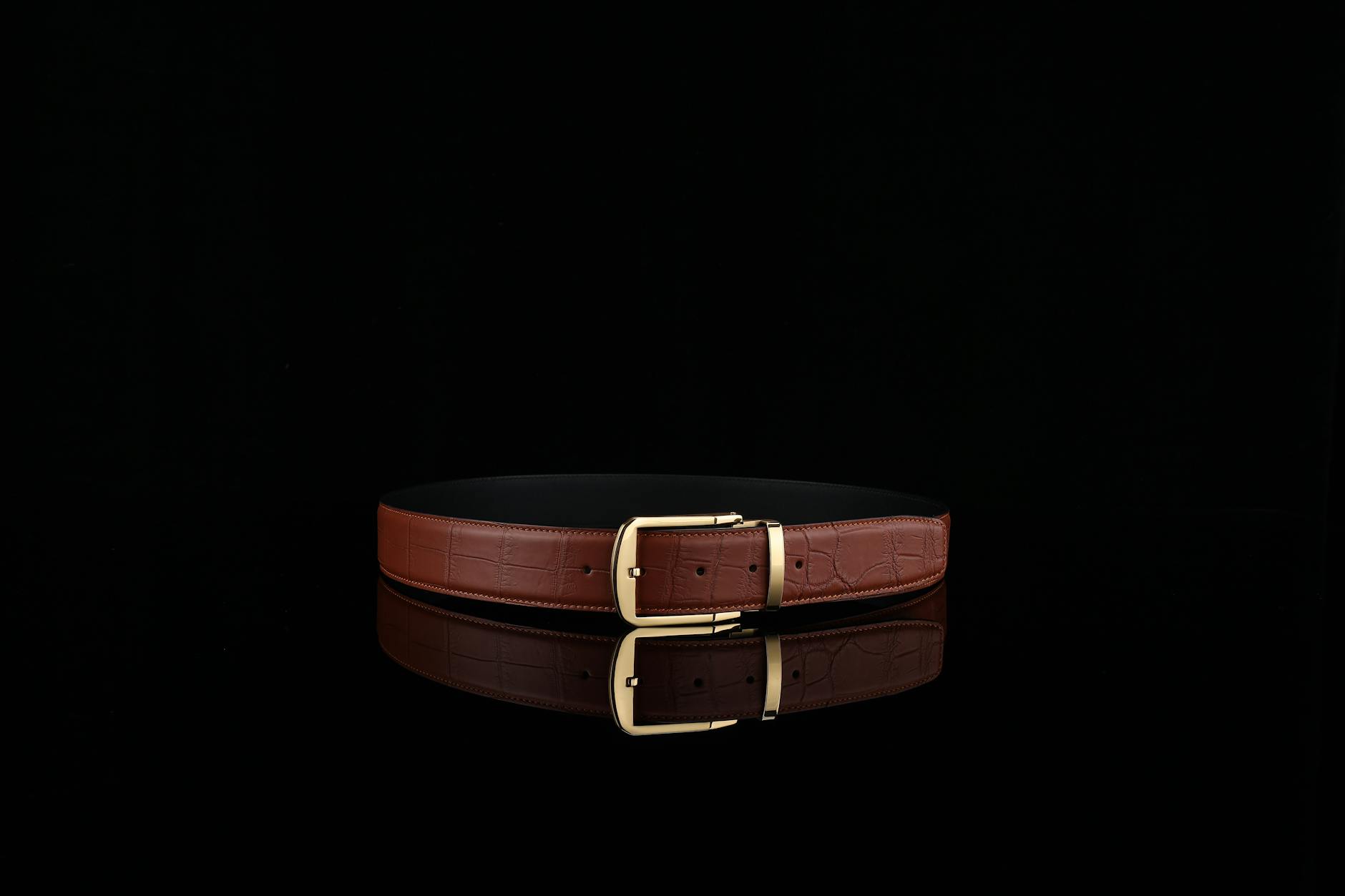
When Carhartt collaborated with luxury fashion house A-Cold-Wall in 2020, fashion insiders initially raised eyebrows. But the collection’s hero piece – a reimagined tool belt crafted from premium leather with architectural hardware – sold out within hours. The unlikely marriage between construction gear and high fashion had struck gold, signaling a broader cultural shift that would reshape designer accessories for years to come.
The crossover between workwear functionality and luxury design represents more than just aesthetic borrowing. Major fashion houses are dissecting the practical genius of construction utility belts, transforming their modular design philosophy into coveted accessories that retail for hundreds of dollars. From Bottega Veneta’s structured leather pouches to Jacquemus’ miniature tool-inspired bags, the influence of construction workers’ most essential gear is unmistakable across today’s runways.
The Anatomy of Functional Fashion
Construction utility belts succeed because they solve real problems through thoughtful design. Multiple compartments organize tools by frequency of use, weight distribution prevents strain during long work shifts, and durable materials withstand daily punishment. These same principles now drive luxury accessory design.
Bottega Veneta’s creative director Matthieu Blazy has repeatedly cited industrial design as inspiration for the house’s leather goods. The brand’s Arco tote, with its distinctive woven construction and structured silhouette, borrows directly from construction equipment aesthetics. Meanwhile, the smaller Jodie bag features modular attachments that echo the clip-on pouches of professional tool belts.
Jacquemus took this inspiration even further with its Le Chiquito collection, creating miniature bags that reference construction equipment down to the rivets and reinforced corners. The bags may hold little more than lip gloss and keys, but their visual DNA traces directly to the utility belts worn on construction sites worldwide.
Louis Vuitton’s men’s accessories under Pharrell Williams have embraced this industrial aesthetic through collections featuring detachable pouches, carabiner clips, and canvas materials that mirror high-visibility workwear. The house’s Aerogram line includes chest rigs and belt bags that transform construction functionality into luxury streetwear.
From Worksite to Catwalk
The translation from construction sites to fashion runways required careful consideration of scale, materials, and context. Designers couldn’t simply copy utility belts wholesale – they needed to understand what made them functionally superior and translate those elements into luxury accessories.
Rick Owens pioneered this approach with his DRKSHDW line, creating leather harnesses and belt systems that maintained the utility of construction gear while elevating materials and craftsmanship. His designs retain the practical elements – adjustable straps, multiple attachment points, weight distribution – while using premium leather and architectural hardware.
Stone Island’s Shadow Project line demonstrates how technical workwear translates into high fashion. Their modular vest systems and utility belts feature the same organizational principles as construction gear but employ advanced materials like Dyneema fabric and coated metals. The result feels both futuristic and familiar, bridging the gap between function and fashion.
The influence extends beyond individual pieces to entire collection philosophies. Just as flight attendant uniforms are inspiring modern business casual collections, construction workwear’s emphasis on practical organization is reshaping how designers approach accessories across categories.
Consumer Psychology Meets Utilitarian Design
The appeal of construction-inspired accessories taps into deeper psychological trends reshaping fashion consumption. Modern consumers increasingly value authenticity and functionality over pure ornamentation. They want accessories that tell stories of purpose and competence, not just wealth.
This shift aligns with the broader “gorpcore” movement, where outdoor and technical clothing has gained mainstream fashion acceptance. Brands like The North Face and Patagonia have seen their utilitarian pieces adopted by fashion-forward urbanites who may never set foot on a mountain. Similarly, construction-inspired accessories allow wearers to signal practicality and resourcefulness.
Social media amplifies this trend. Instagram and TikTok users showcase how they organize their designer utility belts and modular bags, treating functionality as a form of aesthetic performance. The act of efficiently packing and accessing items becomes content worthy of documentation and admiration.
Luxury brands recognize this psychological appeal. Prada’s technical nylon pieces reference industrial materials while maintaining luxury craftsmanship. The brand’s utility belts feature the same organizational logic as construction gear but execute it through premium materials and precise Italian manufacturing.
The price point paradox adds another layer of appeal. A construction worker’s utility belt costs under fifty dollars and serves demanding practical needs. Its luxury fashion cousin might cost ten times more while carrying fewer items with less durability. Yet consumers value the aesthetic and cultural associations enough to justify the premium.
Industry Innovation and Material Evolution
The fashion industry’s embrace of construction-inspired design has driven material innovation across both sectors. Technical textiles developed for workwear now appear in luxury accessories, while fashion’s emphasis on premium finishes influences industrial design.
Cordura fabric, originally developed for military applications and widely used in construction gear, now appears in collections from Issey Miyake and Comme des Garcons. The material offers abrasion resistance and durability while maintaining a distinctive texture that signals technical performance.
Hardware manufacturers have responded by developing new fasteners, buckles, and clips that satisfy both functional and aesthetic requirements. YKK, the zipper manufacturer, has introduced lines specifically targeting fashion brands seeking the visual language of technical gear with luxury-appropriate finishes.
This cross-pollination benefits both industries. Construction workers gain access to improved materials and design innovations originally developed for fashion applications. Meanwhile, fashion brands acquire proven functional solutions that enhance their products’ practical value.
The trajectory suggests this influence will deepen rather than fade. As remote work blurs the boundaries between professional and casual dress, accessories that bridge utility and style become increasingly relevant. Construction utility belts provided the template for this evolution, demonstrating how thoughtful functional design can transcend its original context to influence luxury fashion.
Fashion’s future lies in this synthesis of purpose and aesthetics, where the best design solutions emerge from understanding real human needs. Construction workers figured out optimal tool organization decades ago – fashion is finally catching up.
Frequently Asked Questions
Which luxury brands are inspired by construction utility belts?
Bottega Veneta, Louis Vuitton, Jacquemus, and Rick Owens have all created accessories directly inspired by construction utility belt design.
Why are construction-inspired accessories popular now?
Modern consumers value functionality and authenticity, making practical workwear aesthetics appealing in luxury fashion contexts.