

Fast fashion giants spent decades convincing consumers that clothes should be disposable. Now a growing movement of custom embroidery artists is flipping that script, transforming mass-produced garments into one-of-a-kind pieces that blur the line between streetwear and couture.
Maya Rodriguez started her business three years ago with a basic embroidery machine and leftover thread from her grandmother’s sewing box. Today, she runs CustomThread Studio from her Los Angeles apartment, taking plain Zara blazers and Uniqlo hoodies and turning them into wearable art. Her Instagram showcases hand-stitched florals cascading down H&M dresses and intricate geometric patterns that transform basic tees into statement pieces.
“People are tired of looking like everyone else,” Rodriguez explains. “They want their clothes to tell their story, not just follow the latest trend from TikTok.”
The custom embroidery movement represents a fascinating counterpoint to fashion’s race toward sameness. While fast fashion churns out identical pieces by the millions, these artists are creating scarcity and meaning through needle and thread.
The Rise of Personalization Over Mass Production
The custom embroidery trend gained momentum during the pandemic when people had time to think about their relationship with clothing. Stuck at home, many consumers began questioning why their closets were full of unworn pieces that looked exactly like everyone else’s.
Social media amplified this shift. TikTok creators began showcasing DIY embroidery tutorials, while Instagram accounts dedicated to custom work exploded in popularity. The hashtag #customembroidery has generated over 2 million posts, with creators sharing everything from delicate monograms to bold statement pieces.
Emma Chen, who runs ThreadArt Studio in Brooklyn, says her business tripled during 2022. She specializes in taking basic pieces from brands like COS and & Other Stories and adding custom elements that reflect her clients’ personalities. Recent projects include constellation patterns on a black blazer for an astronomy professor and hand-stitched song lyrics on vintage band tees.
“Fast fashion gave us choice, but it was all the same choice,” Chen notes. “Custom embroidery gives people actual individuality.”
The movement isn’t limited to independent artists. Established fashion brands are taking notice. Gucci’s DIY service allows customers to personalize select items with custom embroidery, while smaller brands like Ganni have introduced embroidery stations in flagship stores.
This shift toward personalization reflects broader cultural changes. Gen Z consumers, in particular, are rejecting the idea that fashion should be uniform. They want clothes that reflect their values, interests, and personal aesthetic in ways that mass production simply cannot deliver.
From Basic to Bespoke: The Transformation Process
The process of transforming fast fashion into custom pieces requires both technical skill and artistic vision. Most embroidery artists begin with a consultation to understand what the client wants their clothing to communicate.
Sarah Kim, who operates Golden Thread in Chicago, describes her approach as “fashion therapy.” She starts by asking clients about their interests, memories, and aspirations before sketching potential designs. A recent project involved transforming a simple black dress from COS into a garden scene complete with hand-embroidered bees and wildflowers for a client who works in environmental conservation.
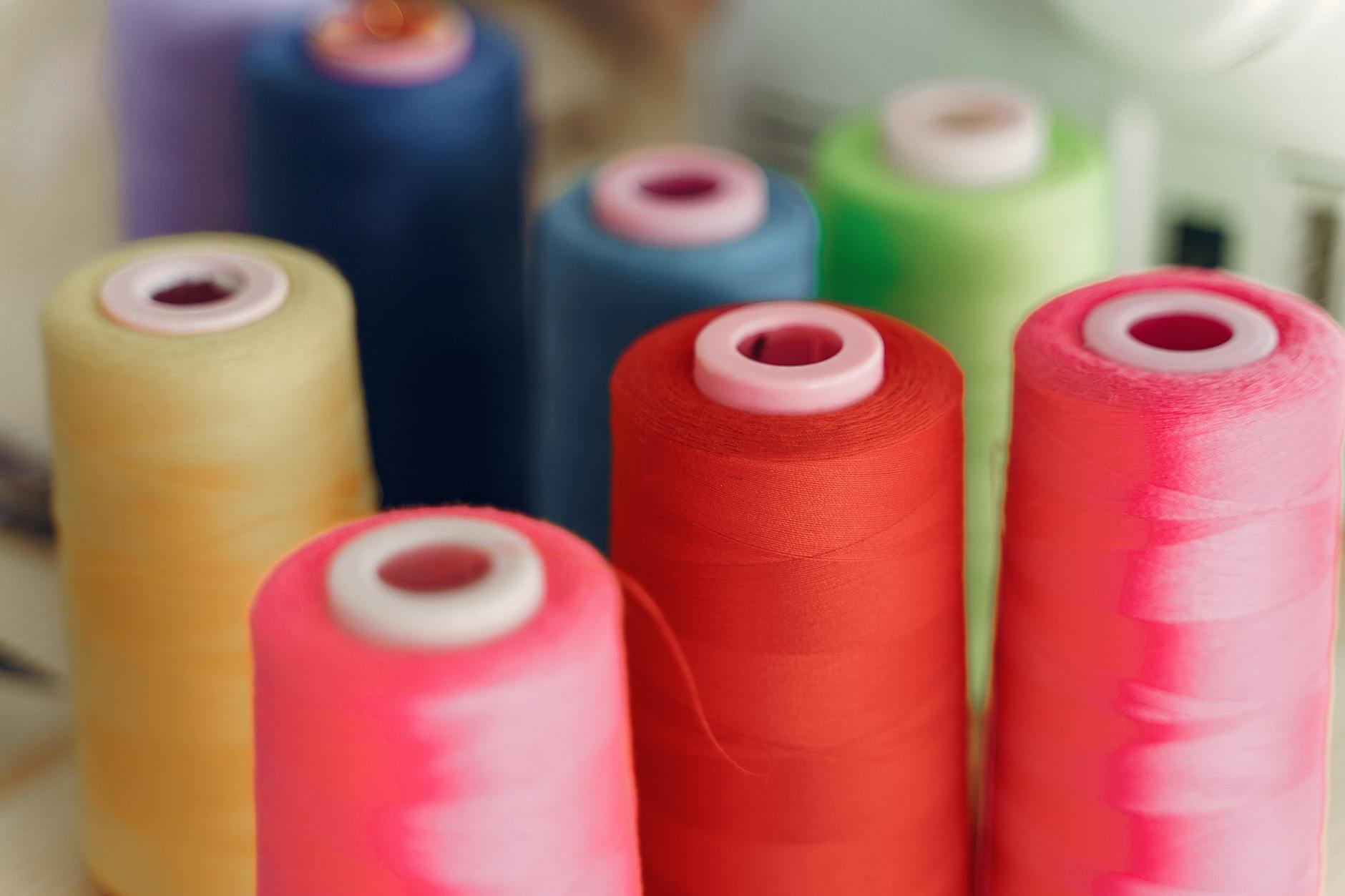
The technical aspects are equally important. Different fabrics require different approaches – what works on cotton won’t necessarily work on synthetic blends common in fast fashion. Artists must consider thread weight, stabilizer choices, and how the embroidery will affect the garment’s drape and durability.
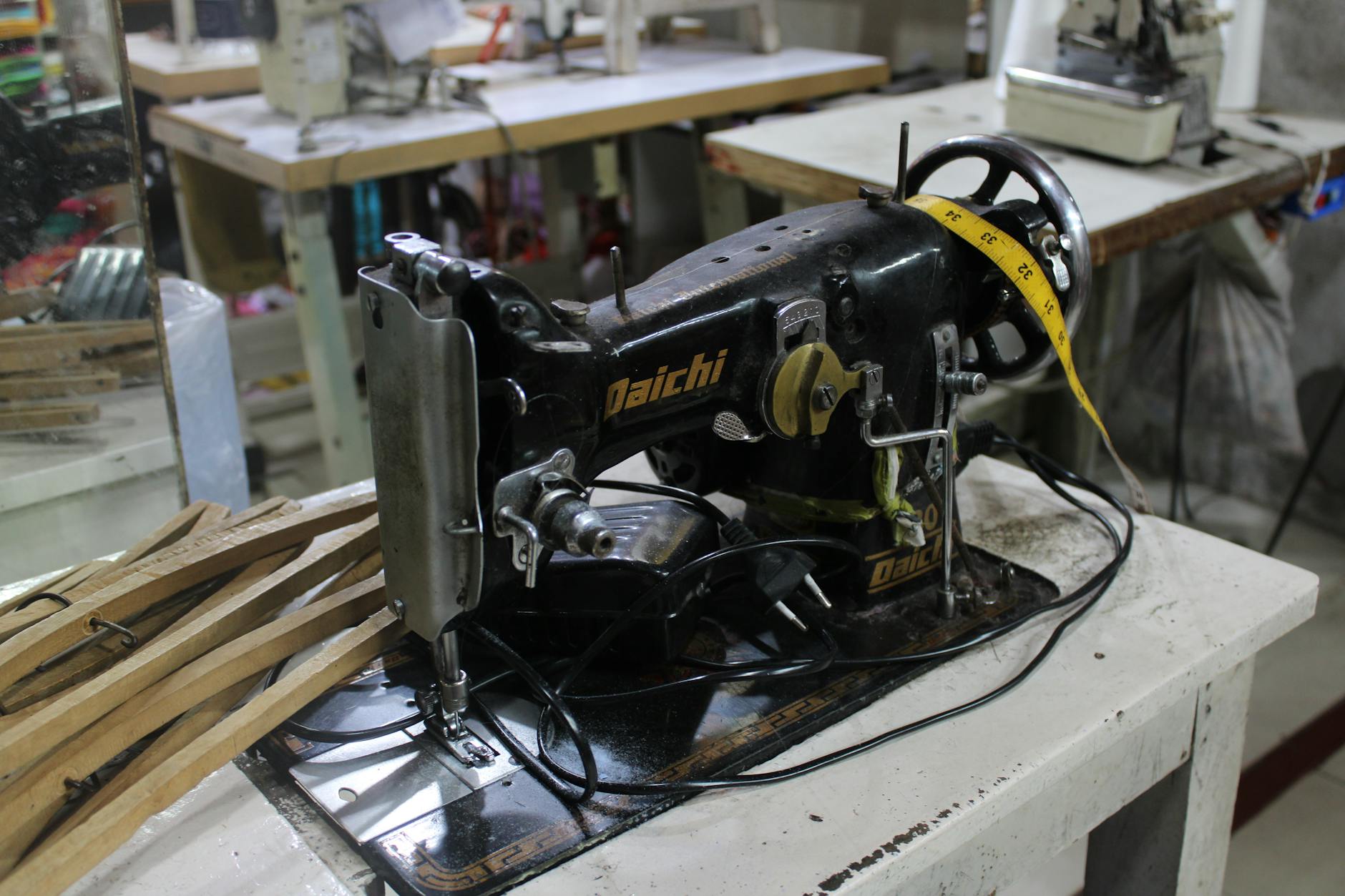
Many artists are pushing creative boundaries by combining traditional hand embroidery with modern techniques. Some use digital embroidery machines for base patterns before adding hand-finished details. Others incorporate beading, appliqué, or even LED elements for pieces that blur the line between fashion and art installation.
The time investment sets custom embroidery apart from both fast fashion and traditional luxury goods. While a factory can produce hundreds of identical jackets in a day, a single custom embroidered piece might take weeks to complete. This slower pace appeals to consumers seeking alternatives to the constant churn of seasonal collections.
Building Community Through Craft
Custom embroidery artists are creating more than just unique clothing – they’re building communities around craft and creativity. Many offer workshops where clients can learn basic techniques, fostering a deeper appreciation for the time and skill involved in handmade clothing.
Jessica Park runs Modern Stitch in Seattle, where she combines custom embroidery services with regular classes. Her students range from teenagers looking to customize thrift store finds to professionals seeking creative outlets after demanding workdays. The classes have developed into a tight-knit community that shares techniques, sources materials together, and celebrates each other’s projects.
“There’s something powerful about learning to create with your hands,” Park explains. “It changes how you see all clothing, not just what we make in class.”
This community aspect extends online, where embroidery artists share techniques, troubleshoot problems, and showcase finished work. Facebook groups like “Custom Embroidery Collective” have tens of thousands of members who trade tips on everything from sourcing quality thread to pricing custom work appropriately.
The movement also connects to broader conversations about sustainability and conscious consumption. By transforming existing garments rather than creating new ones, custom embroidery artists are demonstrating alternatives to fashion’s throwaway culture. This approach resonates with consumers increasingly concerned about textile waste and environmental impact.
Some artists explicitly position their work as sustainable fashion, highlighting how custom embroidery extends garment lifecycles and creates emotional connections that make clothes less likely to be discarded. This messaging appeals particularly to younger consumers who want their fashion choices to align with their values.
The Future of Personalized Fashion
The success of custom embroidery artists suggests a broader shift in how consumers think about clothing. Rather than viewing garments as disposable trend pieces, more people are seeking clothes that feel personally meaningful and unique.
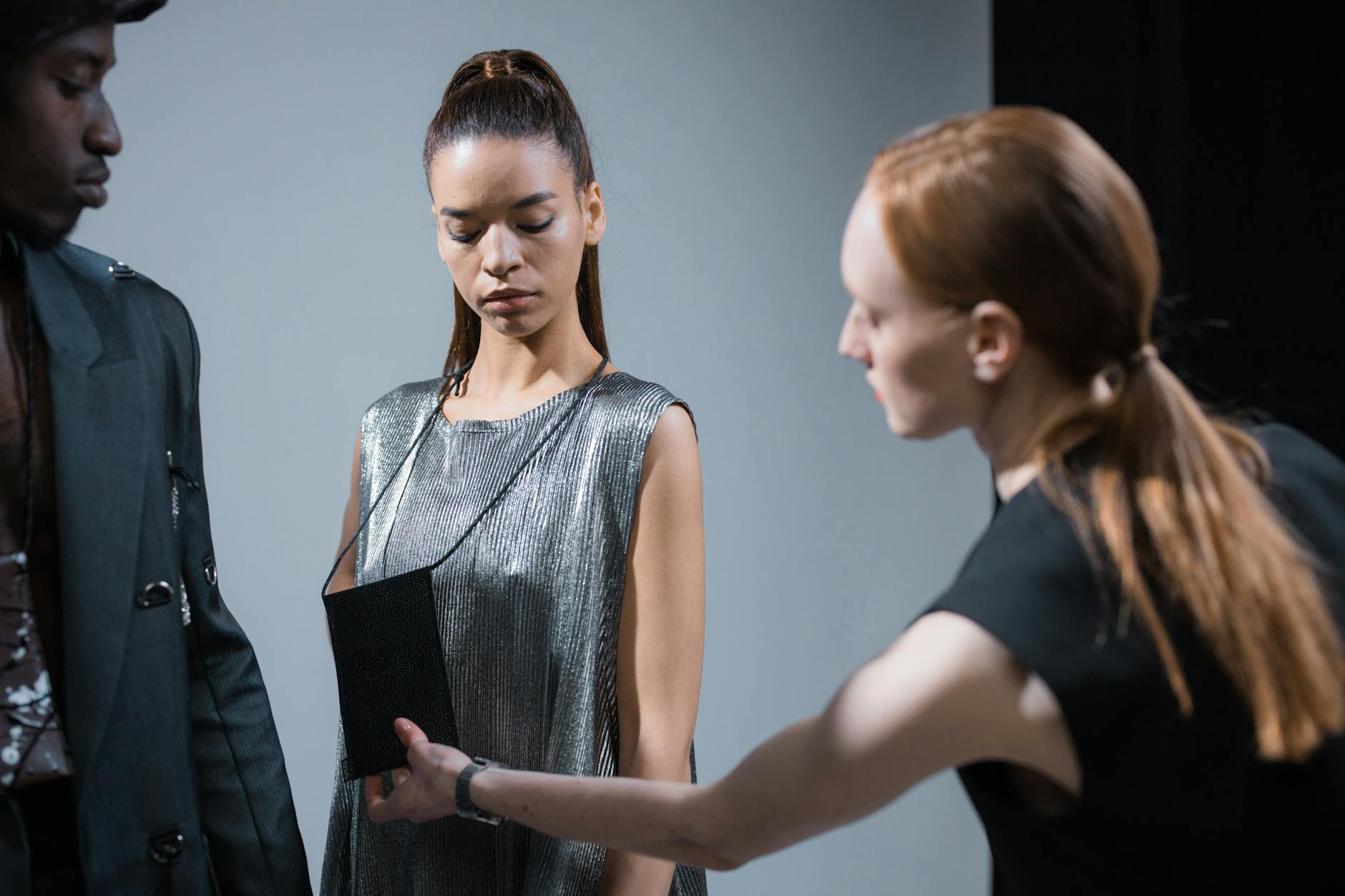
This trend intersects with other movements reshaping fashion. The rise of functional fashion inspiration from workwear shows consumers are increasingly interested in clothing that serves specific purposes rather than just following trends. Custom embroidery takes this further by making each piece serve the specific purpose of individual expression.
Technology will likely play an increasing role in custom embroidery. Digital design tools are making it easier for artists to visualize and plan complex pieces, while improved embroidery machines allow for more precise and varied stitching techniques. Some artists are experimenting with AI-assisted design tools that can generate pattern ideas based on client preferences.
The business model is also evolving. While most custom embroidery artists currently work as individual craftspeople, some are scaling their operations through partnerships with fashion brands or by training networks of artists who work under shared branding. This approach could make custom embroidery more accessible while maintaining the personal touch that defines the movement.
As fast fashion faces increasing scrutiny over environmental impact and labor practices, custom embroidery offers a compelling alternative vision for the industry’s future. Rather than racing to produce the cheapest possible garments, this movement prioritizes craft, creativity, and personal connection over volume and profit margins.
The embroidery artists transforming fast fashion pieces aren’t just adding decoration – they’re demonstrating that clothing can be both affordable and meaningful, both accessible and unique. In a world of infinite choice that somehow feels limiting, they’re creating true alternatives one stitch at a time.
Frequently Asked Questions
How much does custom embroidery on clothing typically cost?
Custom embroidery pricing varies widely based on design complexity and artist experience, typically ranging from $50-300 per piece.
Can any clothing item be customized with embroidery?
Most natural and blended fabrics work well for embroidery, though delicate or heavily synthetic materials may require special techniques.