

Walk into any high-end spa today and you’ll find estheticians reaching for a new secret weapon: bamboo charcoal masks. These jet-black treatments have quietly revolutionized professional facial services, with luxury spas reporting a 40% increase in client requests for charcoal-based treatments over the past two years.
The surge isn’t just trend-following. Licensed estheticians are discovering that bamboo charcoal offers unique benefits that traditional clay masks simply can’t match. The activated bamboo charcoal acts like a magnet for impurities, drawing out toxins and excess oil from deep within pores while being gentler on sensitive skin than many conventional detox treatments.
“We’ve completely restructured our signature facial around bamboo charcoal,” says Maria Santos, lead esthetician at Beverly Hills’ Glow Wellness Spa. “Clients see immediate results – their skin looks brighter and feels smoother after just one session.”
The Science Behind Professional Bamboo Charcoal Applications
Estheticians are drawn to bamboo charcoal for its unique molecular structure. Unlike regular charcoal, bamboo charcoal is heated to extremely high temperatures, creating millions of tiny pores that increase its surface area exponentially. This process, called activation, makes it incredibly effective at absorbing impurities.
In professional settings, estheticians combine bamboo charcoal powder with various bases – hyaluronic acid for hydration, bentonite clay for additional detox properties, or aloe vera for sensitive skin clients. The customization possibilities have made it a versatile tool in treatment rooms.
Licensed professionals also appreciate bamboo charcoal’s antibacterial properties. Studies have shown that activated bamboo charcoal can reduce harmful bacteria on the skin’s surface, making it particularly effective for clients struggling with acne or frequent breakouts. This antimicrobial action works alongside the deep-cleansing benefits, creating a comprehensive treatment approach.
The key difference between DIY bamboo charcoal masks and professional applications lies in the concentration and preparation. Estheticians use pharmaceutical-grade bamboo charcoal powder, often mixed with professional-only ingredients that aren’t available in consumer products. They also know how to adjust the mask’s pH levels to work effectively with different skin types.
Integration with Modern Facial Protocols
Professional estheticians aren’t using bamboo charcoal masks in isolation. Instead, they’re integrating them into comprehensive facial protocols that maximize their effectiveness. Most commonly, the bamboo charcoal treatment follows steam and extraction but precedes hydrating serums and moisturizers.
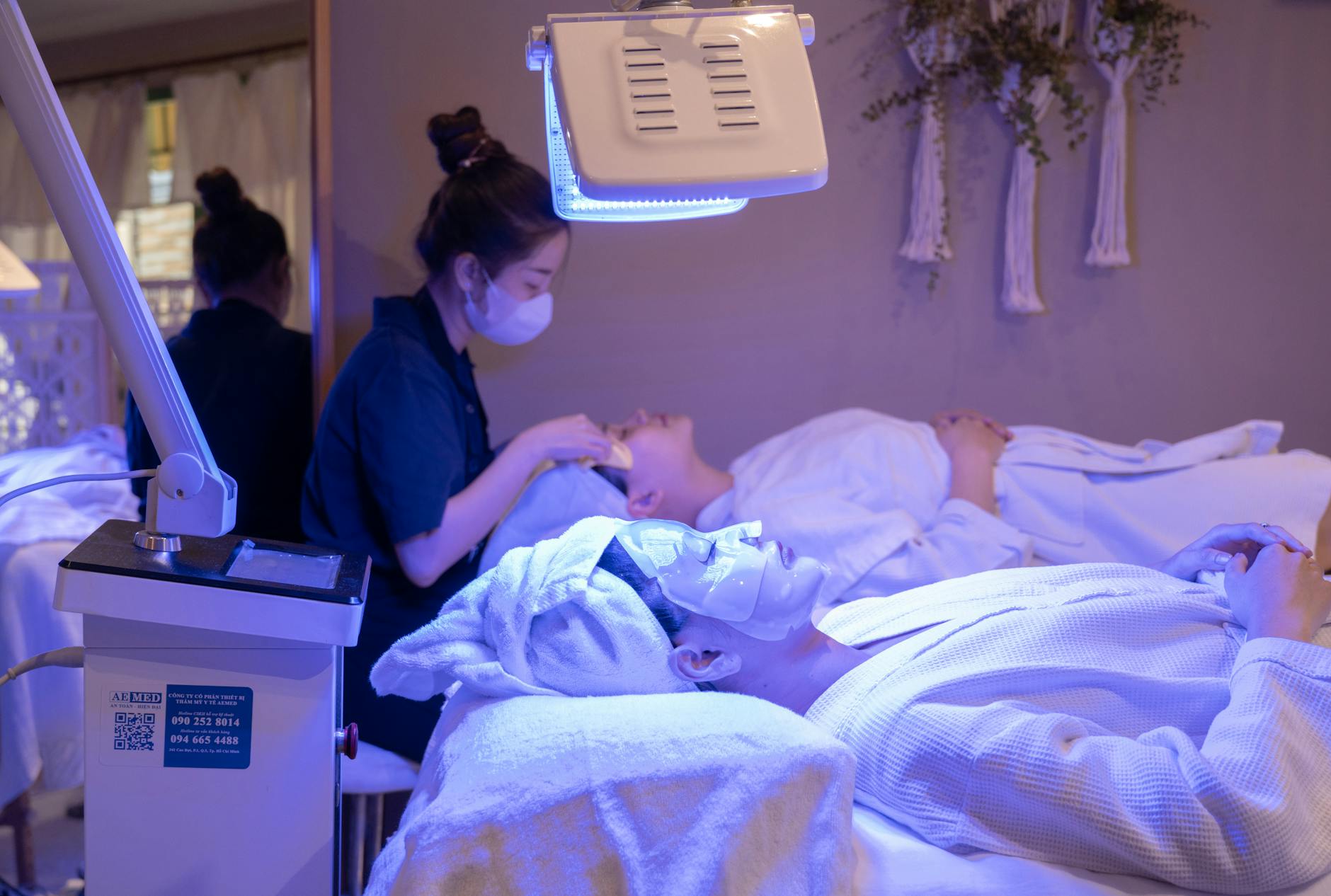
At Manhattan’s Skin Revival Studio, estheticians combine bamboo charcoal masks with LED light therapy. The charcoal draws out impurities while the red and blue LED lights address inflammation and bacteria. This pairing has proven particularly effective for clients with combination skin or those dealing with stress-related breakouts.
Many professionals are also layering bamboo charcoal with other trending treatments. Some combine it with the growing popularity of Korean snail mucin treatments, using the charcoal mask first to deeply cleanse, then following with snail secretion filtrate to repair and hydrate.
The timing of bamboo charcoal application has become an art form among experienced estheticians. Unlike traditional clay masks that can be left on until completely dry, bamboo charcoal masks are typically removed while still slightly damp to prevent over-drying. Professional application involves careful monitoring of the skin’s response and adjustment based on individual client needs.
Client Demographics and Treatment Customization
The client base for bamboo charcoal facials spans diverse demographics, but certain patterns have emerged. Urban professionals dealing with pollution exposure make up a significant portion of clientele, as the charcoal’s detoxifying properties specifically target environmental toxins that accumulate on city-dwelling skin.
Teenagers and young adults with acne-prone skin represent another major group. Parents are increasingly seeking professional alternatives to harsh over-the-counter treatments, and bamboo charcoal offers deep cleansing without the irritation often associated with benzoyl peroxide or salicylic acid products.
Interestingly, mature clients are also embracing bamboo charcoal treatments. Estheticians report that older clients appreciate how the masks help minimize the appearance of enlarged pores and give their skin a smoother texture. The gentle nature of bamboo charcoal makes it suitable for aging skin that might be too delicate for aggressive exfoliating treatments.
Customization has become crucial in professional applications. For oily skin clients, estheticians might combine bamboo charcoal with tea tree oil or niacinamide. Dry skin clients receive formulations mixed with ceramides or squalane. Sensitive skin protocols involve lower concentrations of charcoal powder mixed with soothing ingredients like chamomile extract or colloidal oatmeal.
The treatment frequency varies by client needs. Most estheticians recommend bamboo charcoal facials every 4-6 weeks for maintenance, but clients with congested skin might benefit from bi-weekly sessions initially. Those with very sensitive skin might only receive the treatment once every 8-10 weeks.
Professional Training and Certification Requirements
As bamboo charcoal treatments gain popularity, professional education programs are updating their curricula to include proper application techniques. State cosmetology boards are beginning to address bamboo charcoal specifically in their continuing education requirements, recognizing its unique properties and application methods.
The National Association of Estheticians now offers specialized workshops on charcoal-based treatments, covering everything from powder mixing ratios to client consultation protocols. These programs emphasize the importance of patch testing, especially for clients with sensitive skin or known allergies to plant-based ingredients.
Insurance considerations have also evolved. Professional liability insurers are updating their policies to specifically cover bamboo charcoal treatments, recognizing them as a legitimate therapeutic service rather than just a cosmetic indulgence. This change has made many estheticians more comfortable offering these treatments as part of their regular service menu.
Quality sourcing has become a critical training component. Professional-grade bamboo charcoal must meet specific purity standards and come from reputable suppliers. Estheticians learn to identify high-quality powder by its color consistency, texture, and absorption properties. The source of the bamboo itself matters – organically grown bamboo from specific regions tends to produce more effective charcoal.
The future of bamboo charcoal in professional skincare looks promising as research continues to validate its benefits and new application methods emerge. Several major beauty schools are developing specialized certification programs focused entirely on charcoal-based treatments, indicating this trend has staying power beyond seasonal fads.
Technology integration is also on the horizon. Some forward-thinking spas are experimenting with ultrasonic devices that help drive bamboo charcoal deeper into pores, potentially increasing its effectiveness. Others are exploring combination treatments that pair charcoal masks with oxygen infusion or microcurrent therapy.
As consumer awareness of ingredient sourcing grows, the sustainable aspect of bamboo charcoal – bamboo being one of the fastest-growing plants on earth – positions it well for continued popularity. Professional estheticians who master these techniques now are likely positioning themselves at the forefront of a treatment modality that could define the next decade of professional skincare.
Frequently Asked Questions
How often should you get a professional bamboo charcoal facial?
Most estheticians recommend bamboo charcoal facials every 4-6 weeks for maintenance, or bi-weekly for congested skin initially.
Is bamboo charcoal safe for sensitive skin?
Yes, bamboo charcoal is generally gentler than traditional clay masks, but professional estheticians adjust concentrations and add soothing ingredients for sensitive skin clients.