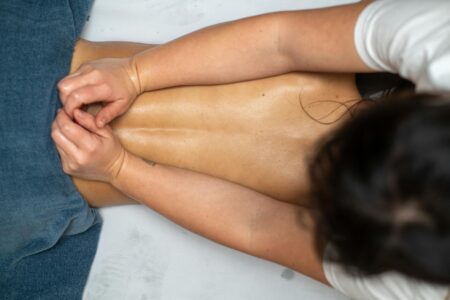


Walk into FaceGym in London’s Selfridges and you’ll witness something remarkable: clients lying back in sleek chairs while certified trainers perform what looks like an intense workout – except the dumbbells are replaced by precise finger movements, and the target is facial muscles. This isn’t just another beauty trend. Face yoga studios are exploding across major cities, offering a needle-free alternative to Botox that promises similar results through targeted muscle training.
The global face yoga market has grown exponentially, with dedicated studios opening from New York to Tokyo. Unlike traditional facials that focus on skin surface treatments, these specialized centers target the 43 muscles in your face through specific exercises and manual techniques. Practitioners claim regular sessions can lift sagging skin, reduce wrinkles, and create the sculpted look many seek from injectables – without the risks or recurring costs.
The Science Behind Facial Muscle Training
Face yoga operates on the same principle as body fitness: targeted muscle strengthening creates tone and definition. Dr. Murad Alam’s Northwestern University study found that participants who performed facial exercises for 20 weeks showed measurably firmer skin and fuller cheeks, with observers estimating they looked three years younger.
The technique combines isometric exercises – where muscles contract without joint movement – with resistance training using hands or specialized tools. Popular exercises include the “cheek lifter,” where you place fingers on the tops of your cheeks and smile while lifting the cheek muscles upward against resistance. The “forehead smoother” involves placing palms on the forehead and gently pulling down while raising eyebrows.
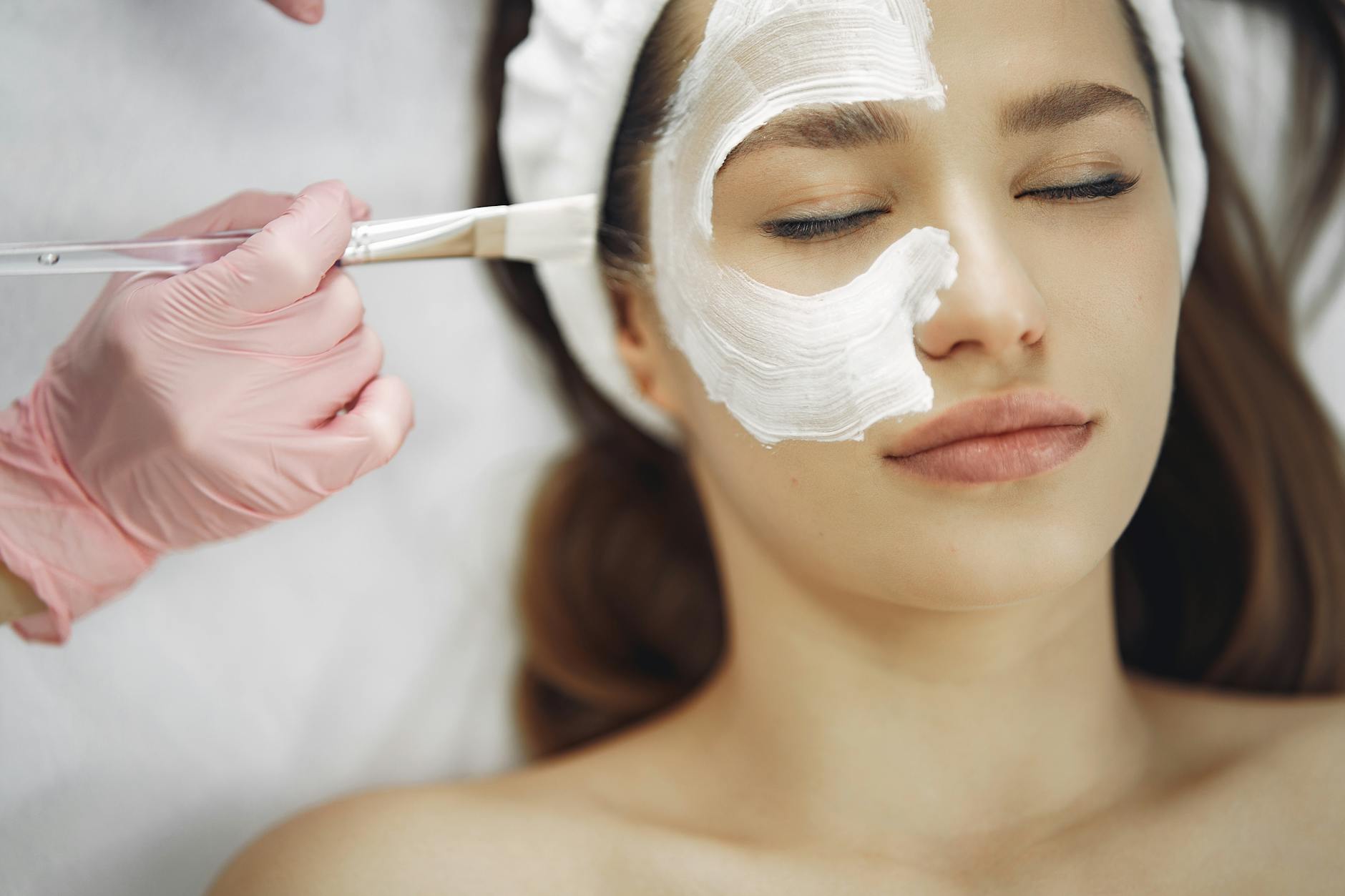
Professional studios take this further with manual manipulation techniques. Trainers use deep tissue massage, acupressure points, and lymphatic drainage to stimulate blood flow and encourage muscle memory. Some incorporate tools like jade rollers, gua sha stones, or even electrical stimulation devices to enhance results.
The appeal extends beyond wrinkle reduction. Face yoga practitioners report improved jaw tension, reduced sinus pressure, and better sleep from releasing facial stress. Unlike Botox, which temporarily paralyzes muscles, face yoga strengthens them, potentially creating longer-lasting results once proper muscle memory develops.
Inside Today’s Premium Face Yoga Studios
Modern face yoga studios bear little resemblance to traditional spas. FaceGym’s locations feature NASA-inspired equipment and athletic-style treatments performed by trainers who complete intensive certification programs. Clients receive personalized workout plans targeting specific concerns, from droopy eyelids to double chins.
The typical session runs 45-60 minutes and combines multiple techniques. At Face Love Fitness in Los Angeles, treatments begin with lymphatic drainage to reduce puffiness, followed by targeted exercises for problem areas. Trainers guide clients through movements while applying manual pressure to increase resistance and effectiveness.
Equipment varies by studio but often includes facial cupping sets, micro-current devices, and specialized massage tools. Some locations offer group classes where participants learn techniques they can practice at home. Advanced sessions might incorporate LED light therapy or ultrasonic devices to enhance muscle stimulation.
Pricing reflects the premium positioning. Individual sessions typically range from $150-300, with package deals offering better value. Many studios also sell at-home tool kits and provide virtual coaching sessions, recognizing that consistency matters more than frequency for optimal results.
The demographic spans wider than traditional injectable patients. While many clients are women aged 35-55 seeking anti-aging benefits, studios also attract younger clients focused on prevention and men interested in jawline definition.
Comparing Results: Face Yoga Versus Injectable Treatments
The results timeline differs significantly between face yoga and Botox. Injectable treatments show immediate effects that peak within two weeks, while face yoga requires 6-12 weeks of consistent practice before noticeable changes appear. However, practitioners argue the gradual improvement creates more natural-looking results.
Cost analysis reveals interesting differences. Botox treatments average $300-800 per session and require maintenance every 3-4 months, totaling $1,200-3,200 annually. Face yoga studio packages often cost $2,000-4,000 upfront but aim to provide lasting results with occasional maintenance sessions.
Safety profiles also contrast sharply. Botox carries risks including bruising, headaches, and rare complications like eyelid drooping or breathing difficulties. Face yoga’s main risks involve temporary muscle soreness or, with improper technique, creating unwanted lines through repetitive movements.
The results themselves differ in character. Botox creates a smooth, frozen appearance by preventing muscle movement, while face yoga maintains natural expression while improving muscle tone. Some practitioners combine both approaches, using face yoga to maintain results between injectable appointments.
Celebrity endorsements have boosted face yoga’s profile. Gwyneth Paltrow regularly posts about facial exercises on Instagram, while Meghan Markle reportedly used face yoga techniques before her wedding. These endorsements, combined with growing wellness trends and injection fatigue among some clients, continue driving studio growth.
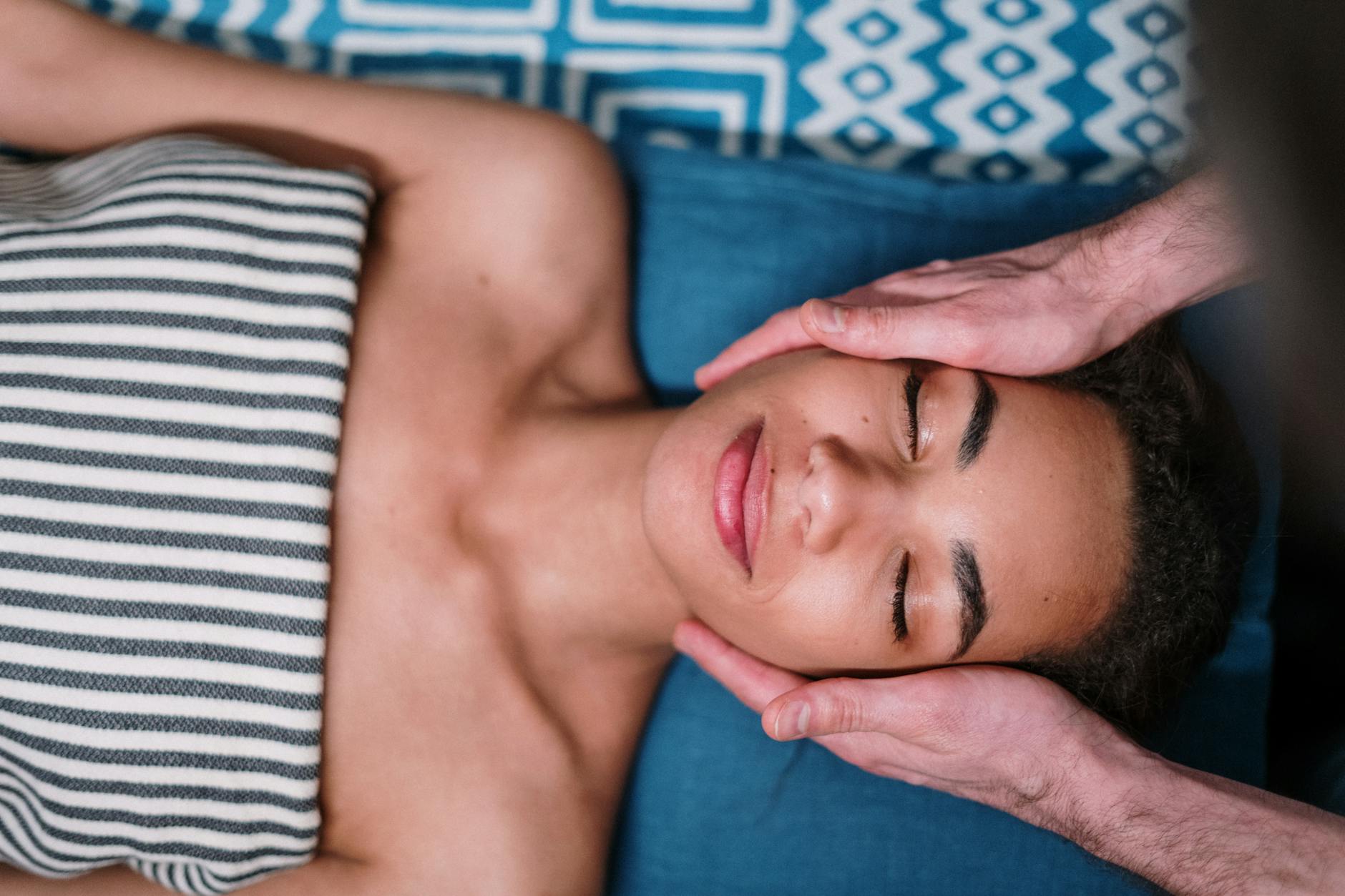
Professional massage therapists are increasingly incorporating these techniques, with many adding facial cupping to anti-aging treatments as complementary services.
The Future of Non-Invasive Facial Rejuvenation
Technology integration represents the next evolution for face yoga studios. Several locations now offer app-connected devices that track muscle engagement and provide real-time feedback during exercises. Virtual reality programs guide users through proper techniques, while AI analysis suggests personalized routines based on facial mapping.
The trend toward combination treatments continues growing. Many studios partner with acupuncturists, dermatologists, and wellness practitioners to offer comprehensive anti-aging programs. Some acupuncturists are adding facial lymphatic drainage to sessions, creating synergistic effects with face yoga techniques.
Research efforts are expanding to provide more scientific backing. Multiple universities are conducting studies on facial exercise effectiveness, while beauty companies investigate incorporating face yoga principles into product development and treatment protocols.
The accessibility factor may ultimately determine face yoga’s mainstream success. While studio treatments remain premium-priced, the technique’s teachable nature allows for home practice once proper form is learned. This positions face yoga as both a luxury service and a sustainable wellness practice.
Market analysts predict continued growth as consumers increasingly seek natural alternatives to invasive procedures. The combination of immediate wellness benefits, long-term aesthetic improvements, and social media shareability creates a perfect storm for expansion.
As the beauty industry continues embracing holistic approaches, face yoga studios represent more than a trend – they signal a fundamental shift toward empowering consumers with active, natural methods for achieving their aesthetic goals. Whether this movement will truly rival injectable treatments remains to be seen, but the early indicators suggest face yoga has found its place in the modern beauty landscape.
Frequently Asked Questions
How long does it take to see results from face yoga?
Most practitioners see noticeable improvements after 6-12 weeks of consistent practice, with continued enhancement over time.
Is face yoga safer than Botox injections?
Face yoga carries minimal risks compared to injectable treatments, with the main concern being temporary muscle soreness from improper technique.