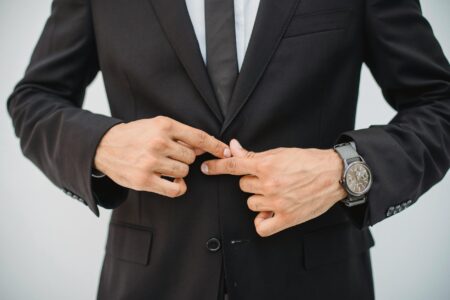
The crisp navy blazer, the perfectly pressed white shirt, the subtle scarf accent – flight attendant uniforms have quietly influenced office wardrobes for decades. Now, major fashion brands are openly mining aviation aesthetics for their business casual collections, transforming functional airline design into boardroom essentials.
This aviation-to-office pipeline represents more than mere trend-following. Airlines have spent decades perfecting uniforms that balance professionalism with comfort, durability with style. These garments must withstand 12-hour shifts, international travel, and constant movement while maintaining an impeccable appearance. Those same qualities appeal to modern professionals juggling hybrid work schedules, long commutes, and packed meeting days.
The influence extends beyond individual pieces to entire design philosophies. Aviation uniforms prioritize clean lines, structured silhouettes, and versatile layering systems – elements now defining contemporary business wear as office dress codes continue evolving.
The Technical DNA of Aviation Style
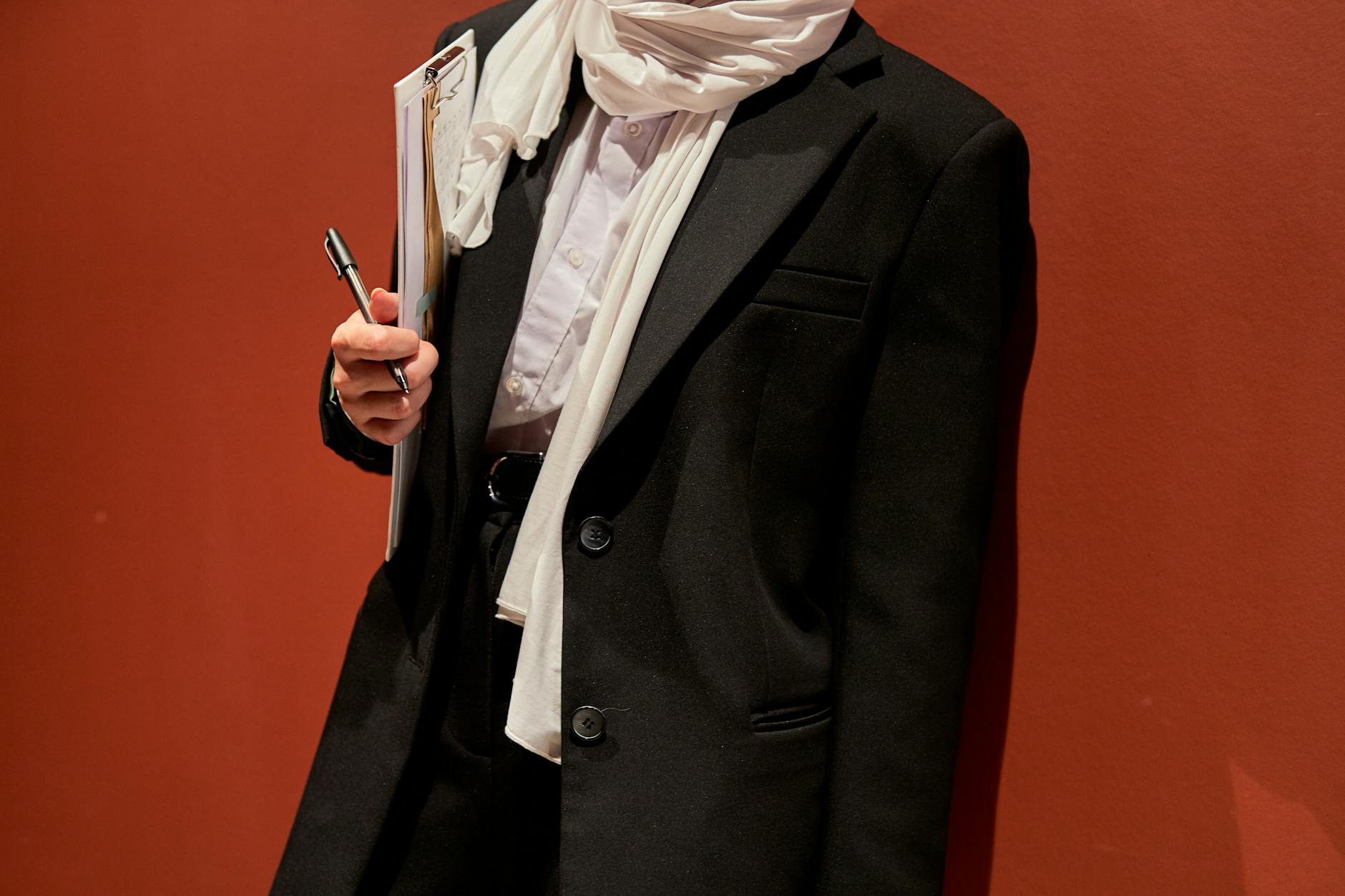
Flight attendant uniforms represent decades of technical innovation disguised as traditional tailoring. Airlines work with specialized manufacturers to create fabrics that resist wrinkles, repel stains, and maintain shape after countless washes. These performance textiles often incorporate moisture-wicking properties, stretch fibers, and antimicrobial treatments.
Fashion brands have taken notice. Theory’s recent business collection features Italian wool blends with hidden stretch panels, directly inspired by airline uniform construction. The blazers maintain sharp shoulders and clean lines while allowing unrestricted movement – a concept borrowed from aviation design requirements.
Color palettes follow similar patterns. Airlines favor navy, charcoal, and burgundy for their timeless appeal and ability to hide minor stains or wear. These colors translate seamlessly to business casual wear, explaining why brands like J.Crew and Banana Republic Republic have built entire seasonal collections around aviation-inspired hues.
Hardware details matter too. Flight attendant uniforms feature reinforced buttons, hidden zippers, and secure pocket closures designed to withstand constant use. Luxury workwear brands now incorporate similar construction techniques, creating pieces that look refined but perform under pressure.
Structured Comfort Meets Modern Mobility
The aviation industry’s approach to comfort-first design has revolutionized how fashion brands think about professional wear. Flight attendants spend hours on their feet, navigate cramped aircraft spaces, and handle emergency situations – all while maintaining perfect posture and appearance.
This functionality-first approach now drives business casual innovation. Brands like Everlane and COS have introduced blazers with hidden stretch panels at stress points, pants with technical waistbands, and shirts with moisture-wicking properties. These features address the reality of modern work life: long commutes, temperature-controlled offices, and active schedules.
The silhouette influence runs deeper than surface aesthetics. Aviation uniforms emphasize clean, structured lines that read as authoritative without appearing rigid. This balance appeals to professionals navigating changing workplace dynamics, where authority must coexist with approachability.
Layering systems borrowed from airline design have become business casual staples. The classic flight attendant look – blazer over blouse with coordinating accessories – offers maximum versatility for varying office temperatures, client meetings, and after-work events. Fashion brands now design entire collections around these modular dressing concepts.

Color Psychology and Professional Power
Airlines choose uniform colors based on extensive psychological research. Navy blue conveys trust and stability, burgundy suggests luxury and sophistication, while charcoal communicates authority and professionalism. These color strategies have migrated wholesale into business casual design.
Recent collections from Zara, Mango, and other fast-fashion retailers heavily feature aviation-inspired color blocking. The classic navy-and-white combination appears in everything from shift dresses to tailored separates, while burgundy accents add sophistication to neutral pieces.
The monochromatic approach favored by many airlines has influenced how professionals approach wardrobe building. Instead of mixing patterns or bold colors, the aviation aesthetic emphasizes tonal dressing within carefully chosen color families. This strategy simplifies morning routines while ensuring consistently polished appearances.
Accent colors follow aviation principles too. Red ties, gold buttons, and silver hardware provide controlled pops of color within neutral frameworks. These details add visual interest without compromising professional credibility – a balance many business casual collections now emulate.
The Future of Function-First Fashion
The aviation influence on business casual shows no signs of slowing. As airlines continue innovating uniform technology – incorporating smart fabrics, sustainable materials, and advanced construction techniques – fashion brands follow closely behind. This trend parallels the broader shift toward [functional workwear in professional settings](https://fashiontaps.com/why-investment-bankers-are-trading-suits-for-japanese-workwear/), where performance matters as much as appearance.
Sustainability considerations drive much of this innovation. Airlines replace uniforms infrequently, requiring fabrics that maintain appearance and performance over years. Fashion brands targeting conscious consumers have adopted similar longevity standards, creating pieces designed to withstand regular wear while remaining stylistically relevant.
The influence extends beyond traditional business wear into accessories and footwear. Aviation-inspired handbags emphasize security, organization, and durability – qualities appealing to busy professionals. Even [comfort-focused footwear choices](https://fashiontaps.com/why-fashion-editors-are-choosing-orthopedic-shoes-for-fashion-week/) reflect lessons learned from airline crew requirements for long hours on feet.
Technology integration represents the next frontier. As airlines experiment with smart textiles and wearable technology in uniforms, business casual collections will likely incorporate similar innovations. Temperature-regulating fabrics, stain-resistant coatings, and wrinkle-free construction will become standard features rather than premium upgrades.
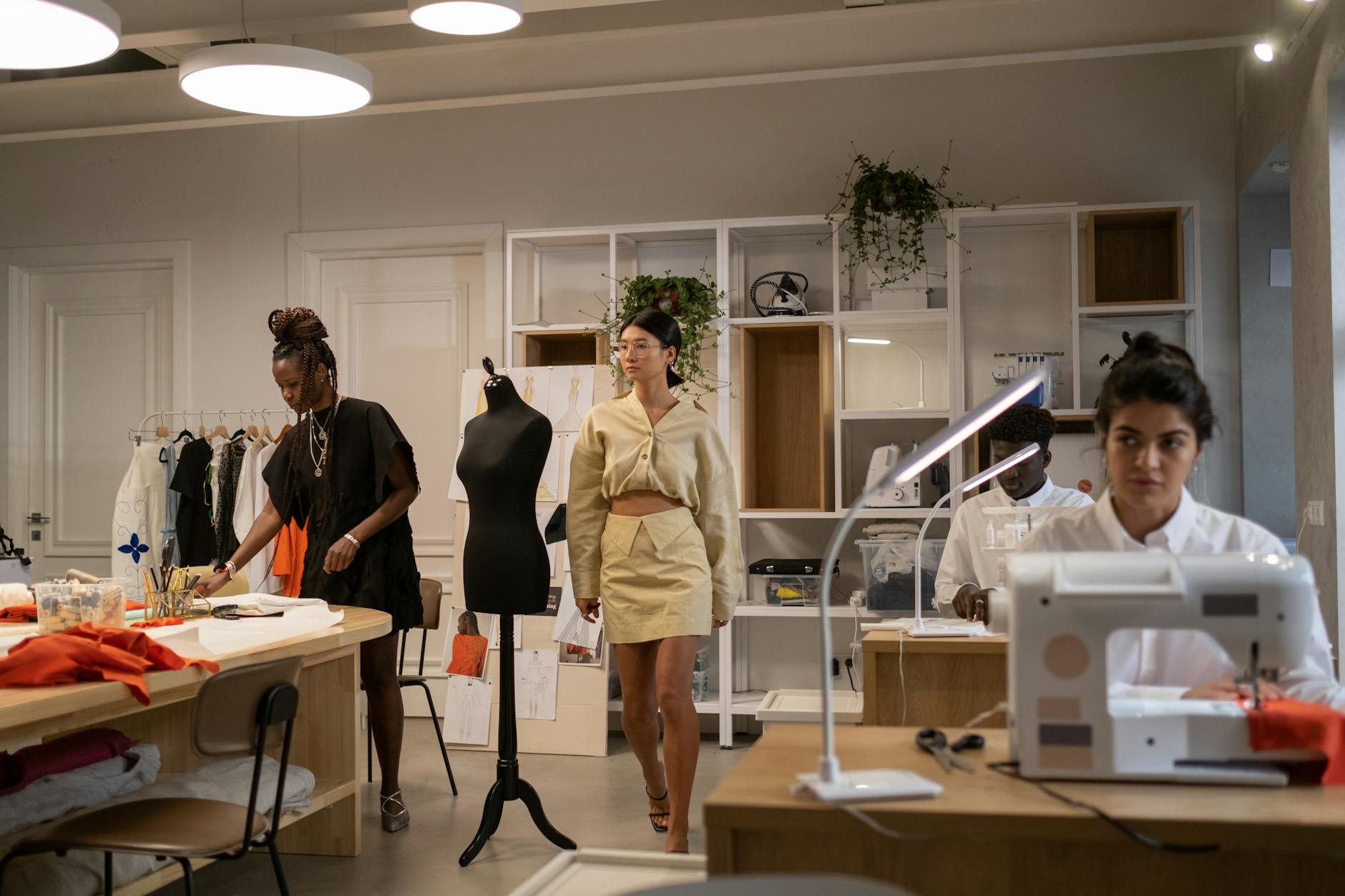
The aviation-to-office style pipeline reflects broader changes in how we work and dress. As professional environments become more fluid and demanding, the flight attendant’s combination of polish, practicality, and adaptability offers a compelling template. This influence will continue growing as brands recognize that modern professionals need uniforms of their own – garments that perform as hard as they do while maintaining impeccable style standards.
The result is business casual wear that truly works for modern life: pieces that look boardroom-ready but perform like athletic wear, colors that project authority while hiding daily wear, and construction that prioritizes longevity over fashion cycles. In borrowing from aviation design, fashion brands have created something both timeless and thoroughly contemporary.
Frequently Asked Questions
How do flight attendant uniforms influence business fashion?
Airlines prioritize comfort, durability, and professional appearance – qualities now driving business casual design innovation.
What colors from aviation uniforms work best for office wear?
Navy, charcoal, and burgundy dominate both aviation and business casual collections for their timeless appeal and practicality.