

Your DoorDash driver might arrive with more than just dinner tonight. Beauty brands are increasingly partnering with food delivery platforms to reach customers in unexpected ways, transforming quick commerce into a new frontier for cosmetics and skincare.
The convergence started during the pandemic when delivery apps expanded beyond restaurants to include convenience store items, groceries, and pharmacy products. Beauty brands noticed consumers ordering everything from late-night snacks to emergency toiletries, creating an opportunity to meet customers where they already were – scrolling through delivery apps during downtime.
The New Beauty Aisle on Delivery Apps
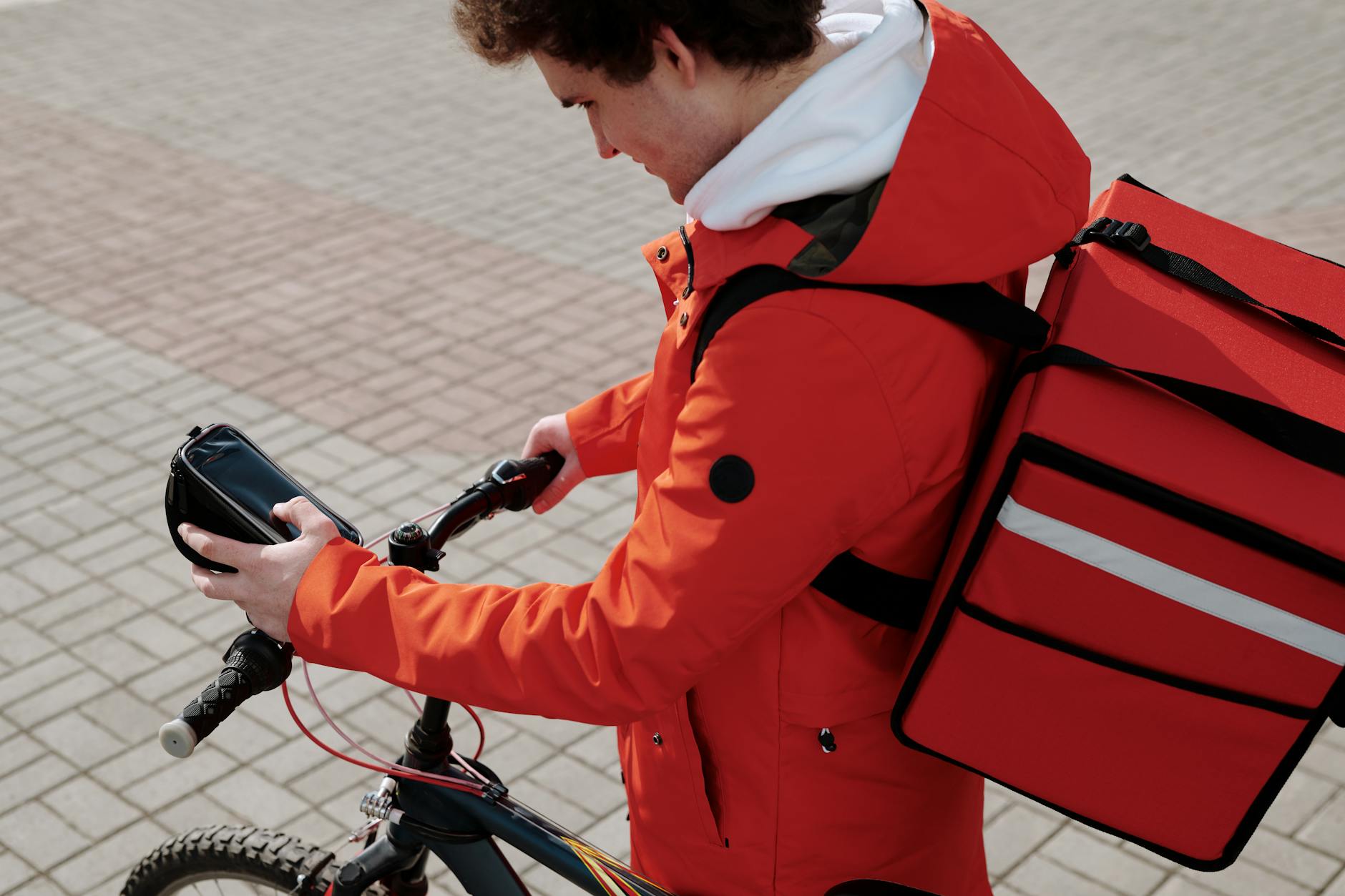
Major food delivery platforms now feature dedicated beauty sections that rival traditional retail spaces. Uber Eats partners with Sephora in select markets, allowing customers to order premium skincare alongside their bubble tea. DoorDash collaborates with CVS and Walgreens to offer same-day delivery of drugstore beauty essentials, while Grubhub has expanded partnerships with local beauty supply stores.
The appeal lies in convenience and impulse purchasing. Beauty brands report that delivery app customers often add cosmetics to existing food orders, creating unexpected cross-category sales. A customer ordering Thai takeout might impulse-buy lip balm or face masks with minimal friction.
Target and Ulta Beauty have embraced this model, offering curated beauty selections through multiple delivery platforms. These partnerships allow brands to test new markets without the overhead of physical locations, while delivery apps boost average order values through beauty add-ons.
Speed Meets Self-Care
The partnership model addresses a specific consumer need: immediate gratification for beauty products. Traditional beauty shopping often involves planned trips to stores or waiting days for online orders. Delivery apps promise beauty products in 30-60 minutes, appealing to customers who need foundation before a date or skincare for an emergency breakout.
Korean beauty brands have particularly thrived in this space. Companies like The Face Shop and Innisfree partner with delivery platforms in major cities, capitalizing on the K-beauty trend’s emphasis on multi-step routines that require frequent product replenishment. The model works especially well for consumable beauty products – sheet masks, cleansers, and moisturizers that customers use regularly.
Subscription beauty boxes are also adapting to delivery app partnerships. Birchbox and FabFitFun now offer select products through delivery platforms, allowing customers to try items before committing to full subscriptions. This approach reduces the friction of beauty discovery while maintaining the element of surprise that makes subscription boxes popular.
Marketing in the Delivery Economy
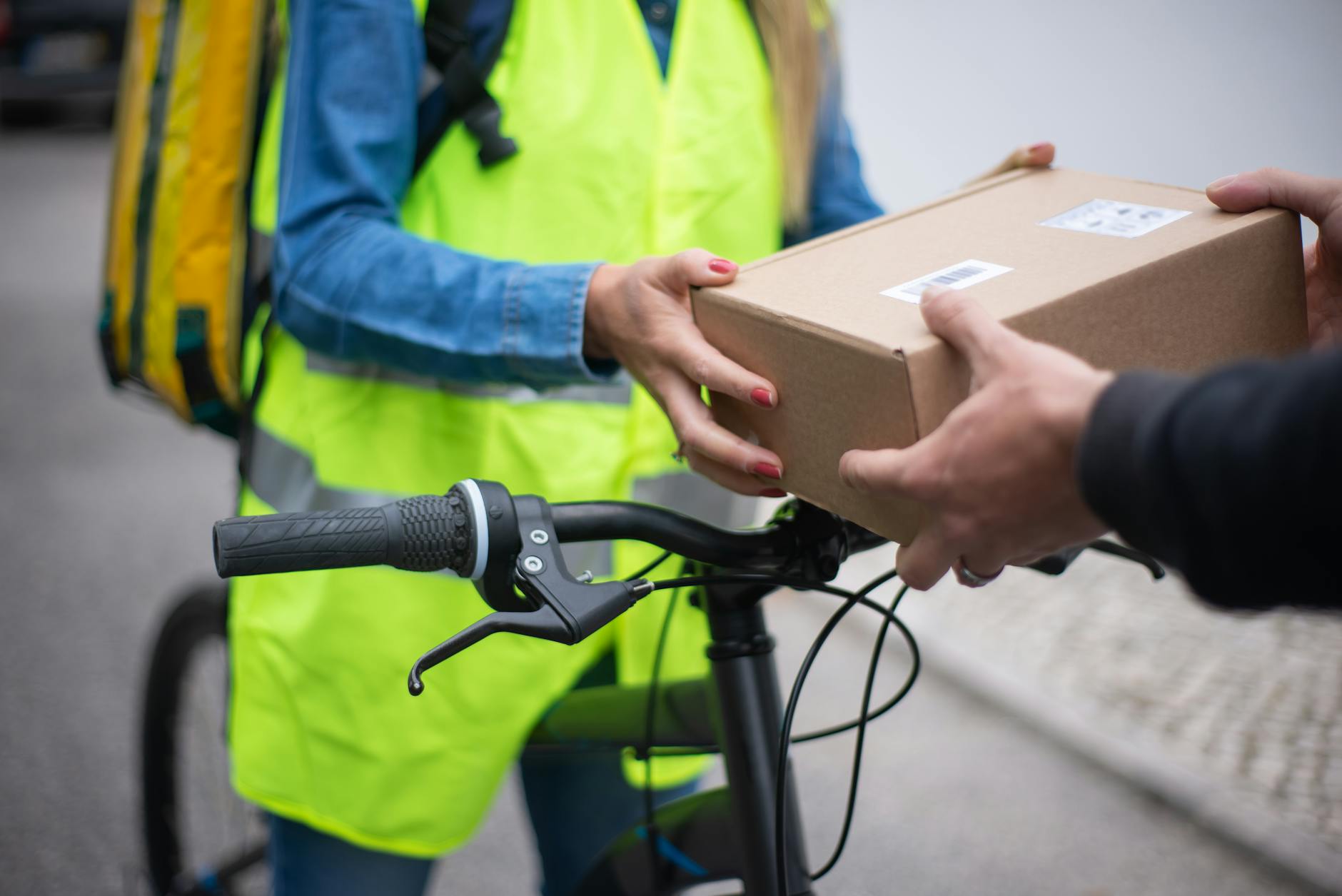
Beauty brands are reimagining their marketing strategies for delivery app audiences. Traditional beauty advertising focuses on aspiration and transformation, but delivery app marketing emphasizes convenience and immediate needs. Brands create targeted campaigns around specific occasions – “pre-date touch-ups” or “Sunday self-care sessions” that align with food delivery patterns.
The data sharing between delivery apps and beauty brands creates new targeting opportunities. Brands can identify customers who order healthy food and target them with wellness-focused skincare, or reach late-night food orderers with products for tired skin. This behavioral targeting goes beyond traditional demographic marketing.
Social media integration plays a crucial role. Beauty brands encourage customers to share “delivery hauls” that include both food and cosmetics, creating organic content that normalizes the combination. Influencers promote “delivery day self-care” routines that pair specific beauty products with comfort food orders.
The model resembles the approach of athletic wear brands partnering with luxury hotels, where unexpected partnerships create new touchpoints with consumers.
Challenges and Consumer Adaptation
The beauty-delivery marriage faces practical challenges. Beauty products often require color matching, texture testing, and detailed ingredient review – experiences that don’t translate well to quick delivery decisions. Brands address this through generous return policies and detailed product descriptions with multiple photos.
Temperature control presents another issue. Some skincare products require specific storage conditions, and delivery apps must adapt their logistics to accommodate beauty products alongside hot food. Companies are developing separate packaging and delivery protocols for beauty items.
Consumer education remains ongoing. Many customers still associate delivery apps exclusively with food, requiring beauty brands to invest in awareness campaigns. The challenge is shifting consumer mindset from “delivery equals food” to “delivery equals convenience for any immediate need.”
Returns and customer service require new protocols. Unlike food delivery issues that are resolved quickly, beauty product problems involve shade matching, allergic reactions, and personal preferences that demand more complex solutions.
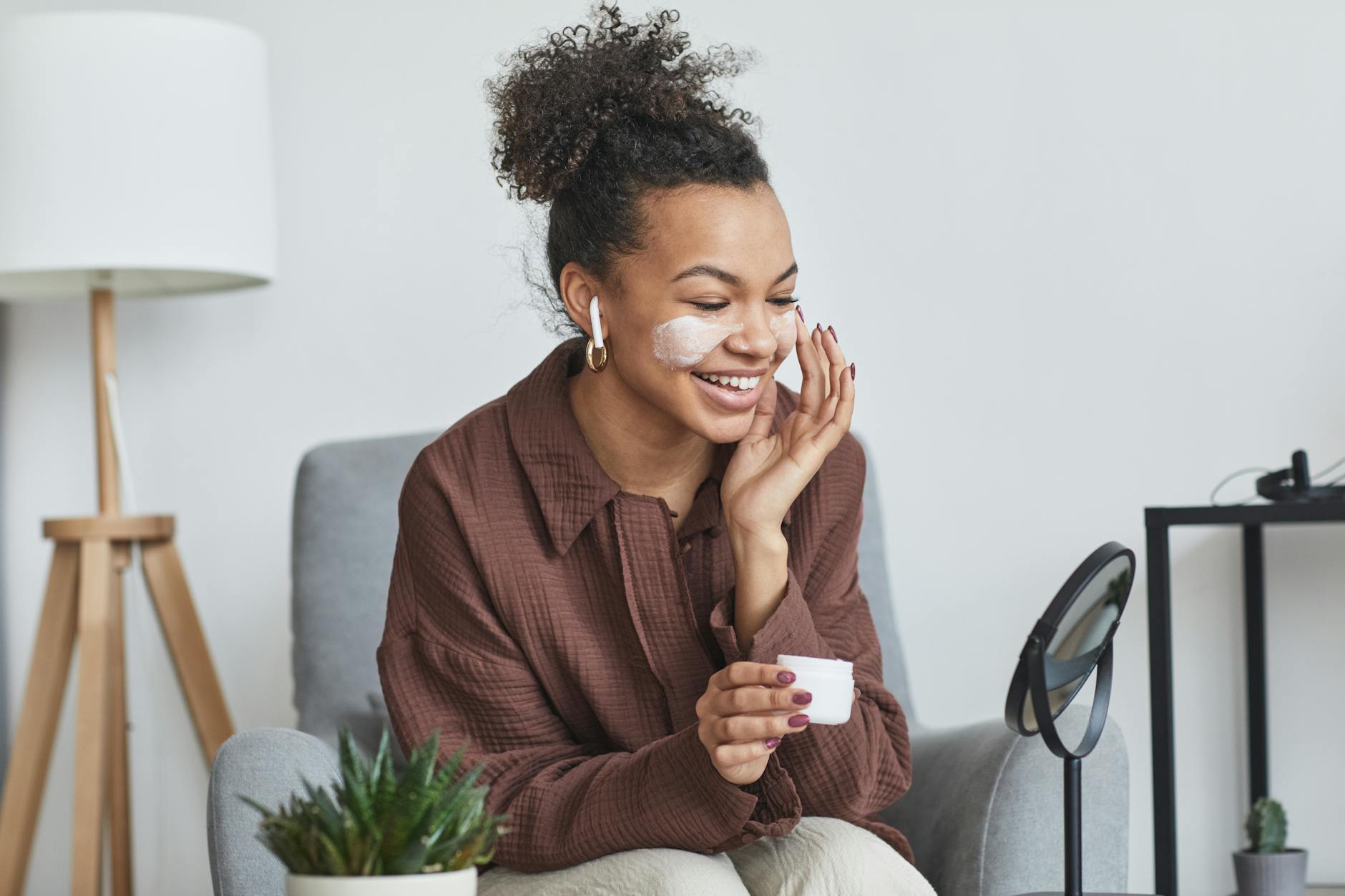
The fusion of food delivery and beauty retail represents a broader shift toward convenience-first commerce. As consumers become comfortable ordering cosmetics alongside their meals, traditional beauty retail must adapt to meet these evolving expectations. The success of these partnerships suggests that the future of beauty shopping may be less about destination retail and more about seamless integration into daily life.
Beauty brands that master delivery app partnerships position themselves for the next phase of retail evolution, where convenience and immediacy trump traditional shopping experiences. The question isn’t whether this trend will continue, but how quickly traditional beauty retailers will adapt to this new reality.
Frequently Asked Questions
Which delivery apps partner with beauty brands?
Major platforms like Uber Eats, DoorDash, and Grubhub partner with retailers like Sephora, CVS, Ulta, and Target to offer beauty products.
How fast can beauty products be delivered through food apps?
Most delivery apps promise beauty product delivery in 30-60 minutes, similar to food delivery timeframes.