


Overview: The Kitchen Revolution Hits the Catwalk
Food service uniforms have undergone a dramatic transformation from purely functional workwear to coveted fashion statements that command respect on both kitchen floors and city streets. This evolution represents more than just aesthetic change – it reflects a fundamental shift in how we view hospitality workers and the craftsmanship behind their trade.
Traditional chef whites and server aprons have shed their utilitarian image, emerging as sophisticated pieces that blur the lines between professional attire and high fashion. Leading culinary institutions, restaurant chains, and independent establishments now invest heavily in uniform design, recognizing that well-dressed staff elevates the entire dining experience while boosting team morale.
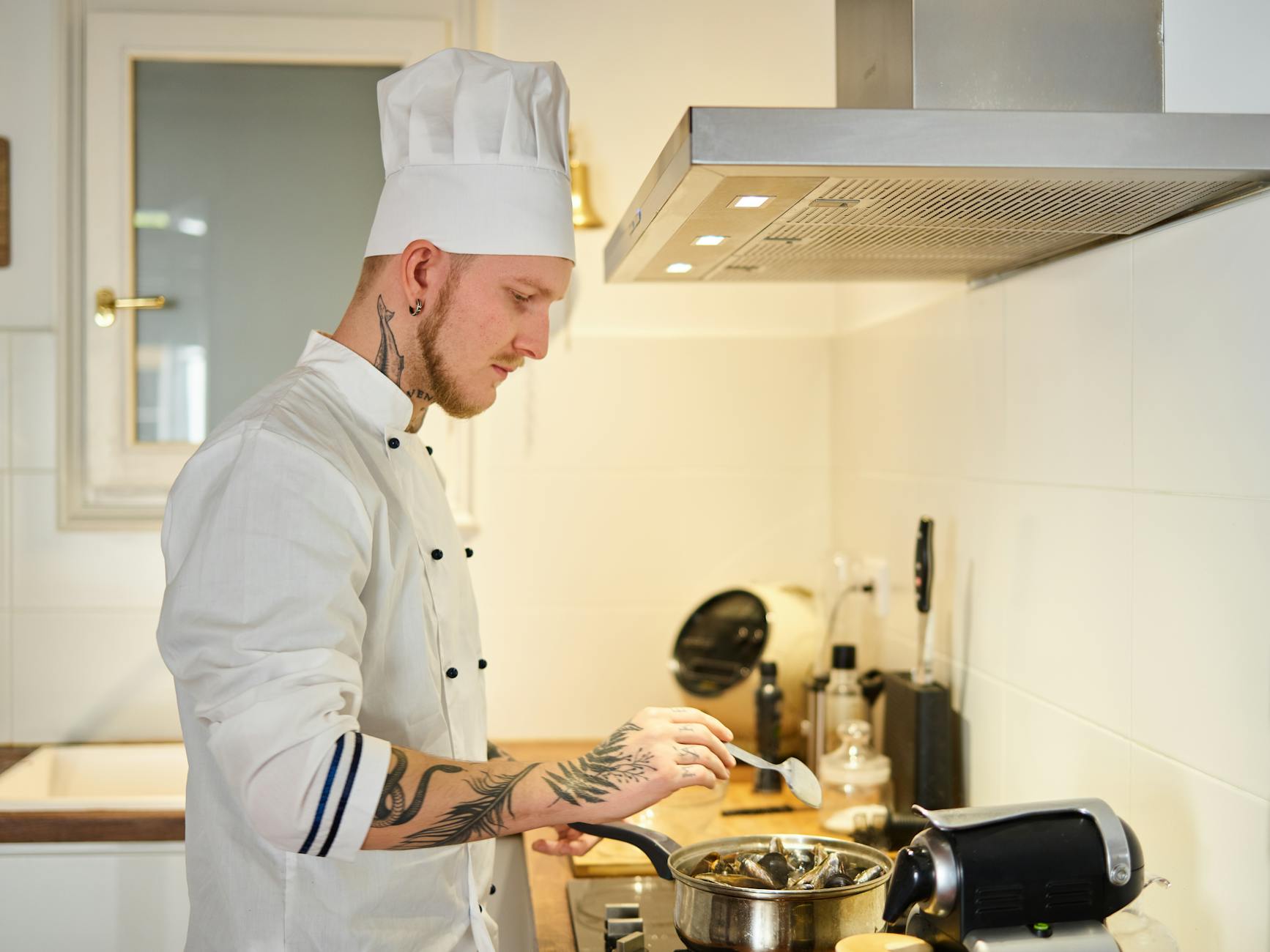
The transformation began in earnest when celebrity chefs started appearing on television and social media, turning kitchen wear into a symbol of culinary authority. Suddenly, the pristine white coat and toque became aspirational items, associated with expertise, creativity, and professional success.
The Design Evolution: From Function to Fashion
Modern food service uniforms have embraced innovative fabrics and cutting-edge design principles. Performance materials now dominate the market, offering moisture-wicking properties, stain resistance, and temperature regulation while maintaining sleek silhouettes. Brands like Chef Works, Uncommon Threads, and Tilit have revolutionized the industry by introducing tailored fits, bold colors, and contemporary styling.
The traditional all-white ensemble has expanded to include rich charcoals, deep blacks, and even subtle patterns. Cross-back aprons with leather straps have become particularly popular, offering both functionality and street-style appeal. These designs emphasize the wearer’s physique while providing practical benefits like weight distribution and freedom of movement.
Customization has become a key differentiator, with restaurants commissioning bespoke uniform designs that reflect their brand identity. Embroidered logos, contrast stitching, and unique button details transform basic workwear into branded fashion statements that servers and chefs wear with pride beyond their shifts.
Pros: Why the Uniform Revolution Works
Enhanced Professional Image: Well-designed uniforms elevate the perception of food service work, helping to attract and retain quality staff. When employees look professional and feel confident in their attire, customer interactions improve significantly.
Functional Innovation: Modern uniform technology addresses real workplace challenges. Antimicrobial fabrics reduce odor retention, while reinforced stress points increase durability. Hidden pockets, pen holders, and towel loops maintain functionality without compromising aesthetics.
Brand Differentiation: Distinctive uniforms help restaurants stand out in crowded markets. Memorable uniform designs become part of the dining experience, contributing to brand recognition and customer loyalty.
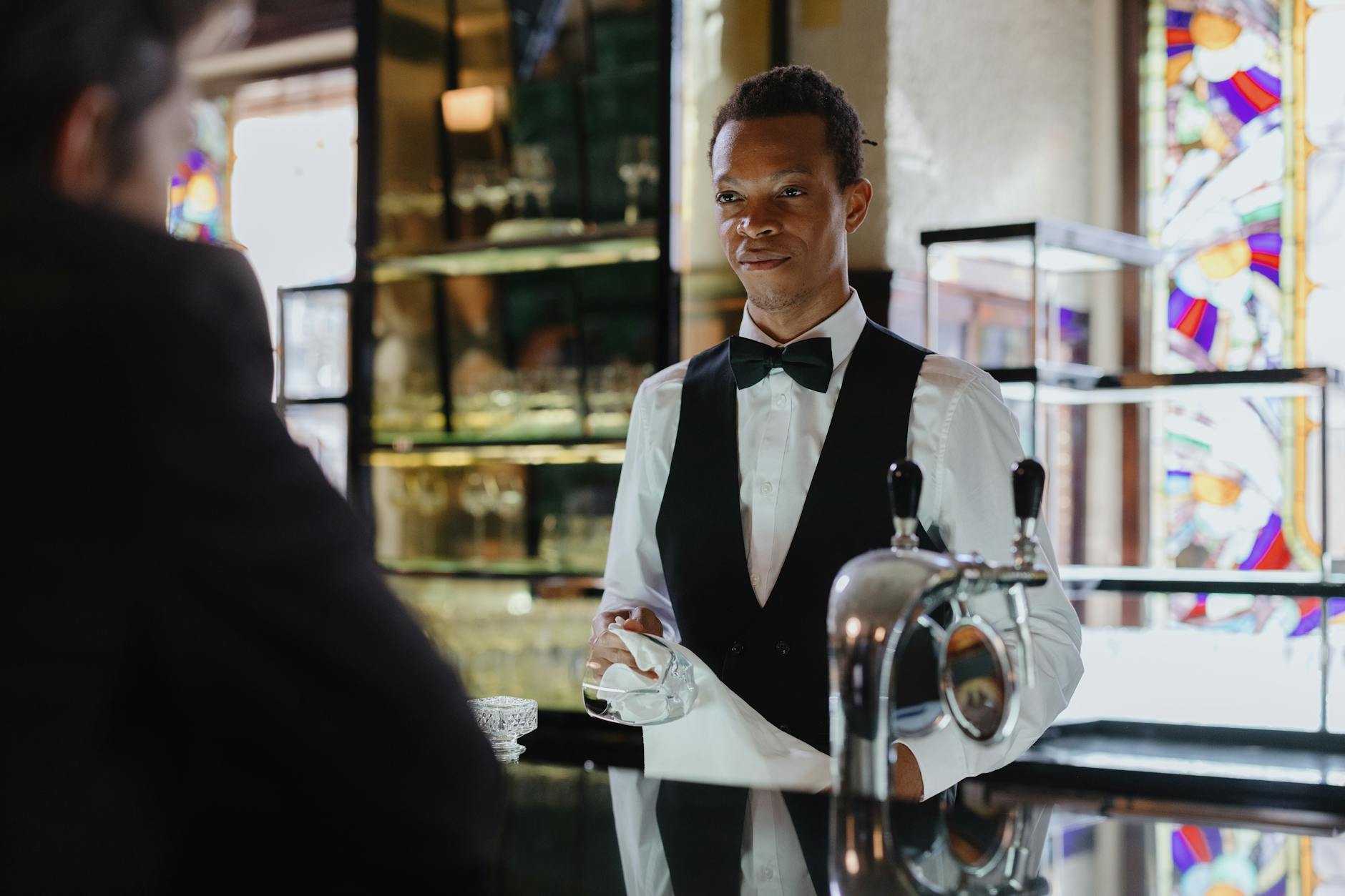
Employee Satisfaction: Staff report higher job satisfaction when wearing well-fitting, stylish uniforms. This psychological boost translates into better performance, reduced turnover, and stronger team cohesion.
Versatility: Many modern food service pieces transition seamlessly from work to casual wear. This practicality appeals to employees who appreciate clothing that serves multiple purposes, similar to how utilitarian workwear has influenced mainstream fashion.
Cons: The Challenges of High-Fashion Uniforms
Increased Costs: Premium uniform programs require significant upfront investment and ongoing maintenance expenses. Designer pieces cost considerably more than basic workwear, straining budgets for smaller establishments.
Maintenance Requirements: Fashion-forward uniforms often require special care instructions, professional cleaning, or frequent replacement to maintain their appearance. This adds complexity and expense to daily operations.
Practicality Concerns: Some stylish designs prioritize aesthetics over functionality, potentially compromising safety or comfort. Form-fitting garments may restrict movement, while delicate fabrics might not withstand the rigors of commercial kitchen environments.
Size Inclusivity Issues: Many high-end uniform lines offer limited size ranges, potentially excluding team members with diverse body types. This creates equity concerns and may limit hiring flexibility.
Trend Dependency: Fashion-forward uniforms risk becoming dated quickly, necessitating frequent updates to maintain a contemporary image. This cyclical replacement pressure can strain budgets and create waste.
Market Leaders and Innovation
Several brands have emerged as pioneers in the fashionable uniform space. Hedley & Bennett gained prominence through social media marketing and celebrity chef endorsements, offering aprons that function equally well in professional kitchens and home cooking environments. Their Instagram-worthy designs have helped normalize wearing chef aprons as casual fashion statements.
Chef Works continues to innovate with their Urban Collection, featuring contemporary cuts and unexpected color combinations. Meanwhile, smaller boutique brands like Tilit focus on ultra-premium materials and artisanal construction techniques, positioning their pieces as investment items rather than disposable workwear.
The influence extends beyond traditional uniform suppliers. High-fashion designers increasingly draw inspiration from workwear aesthetics, incorporating elements like industrial zippers, reinforced seams, and utility pockets into their collections. This cross-pollination between fashion and function reflects broader trends in contemporary design.

Cultural Impact and Future Trends
The elevation of food service uniforms reflects changing attitudes toward service industry work. As culinary careers gain prestige and restaurants become cultural destinations, professional attire plays an increasingly important role in shaping public perception.
Social media has accelerated this transformation, with food service workers sharing their daily looks and building personal brands around their professional appearance. The hashtag #ChefLife showcases countless examples of stylish kitchen wear, inspiring both industry professionals and fashion enthusiasts.
Sustainability concerns are driving the next wave of innovation, with brands exploring eco-friendly materials and production methods. Recycled polyester, organic cotton, and innovative plant-based fabrics are entering the uniform market as establishments seek to align their values with their appearance.
Verdict: A Worthwhile Investment with Caveats
The transformation of food service uniforms represents a positive evolution that benefits both workers and establishments when implemented thoughtfully. The psychological impact of well-designed uniforms on employee confidence and customer perception justifies the investment for most businesses.
However, success requires careful balance between style and substance. The most effective uniform programs prioritize functionality while incorporating fashionable elements, rather than sacrificing practicality for aesthetics. Establishments should focus on quality basics with distinctive touches rather than chasing every trend.
Budget-conscious operators can achieve similar results through strategic styling of traditional pieces – adding unique aprons, updating color schemes, or investing in professional tailoring for better fits. The key lies in creating a cohesive, professional appearance that reflects brand values and supports worker confidence.
As this trend continues evolving, food service uniforms will likely become even more sophisticated, incorporating smart textiles and personalized fit technologies. The industry’s embrace of fashion-forward thinking signals a broader recognition of service work as skilled, valuable labor deserving of professional presentation.
Frequently Asked Questions
What makes modern food service uniforms different from traditional ones?
Modern uniforms feature performance fabrics, tailored fits, contemporary styling, and brand customization while maintaining functionality.
Are fashionable uniforms worth the extra cost for restaurants?
Yes, when balanced properly – they improve employee satisfaction, brand perception, and customer experience, justifying the investment.