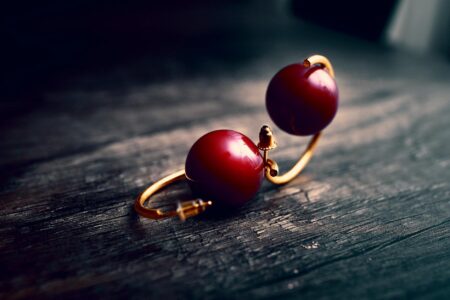


Silver hoop earrings and delicate chain necklaces are flooding TikTok feeds as Gen Z discovers the power of less-is-more jewelry. The generation that grew up with statement chokers and maximalist stacking is now embracing the understated elegance that defined 1990s minimalism.
The shift represents more than just another trend cycle. Young consumers are rejecting the overwhelming abundance of fast fashion jewelry, instead gravitating toward pieces that whisper rather than shout. Vintage Tiffany bean necklaces are commanding premium prices on resale platforms, while contemporary brands are scrambling to recreate the clean lines and geometric shapes that once defined minimalist jewelry.
This revival coincides with broader cultural movements toward sustainability and intentional consumption. Gen Z shoppers are choosing quality over quantity, investing in timeless pieces that transcend seasonal trends. The aesthetic aligns perfectly with the current obsession with quiet luxury and refined simplicity that’s reshaping fashion across all categories.
The Economics of Minimalist Revival
Jewelry sales data reveals a dramatic shift in purchasing patterns among 18-26 year olds. Independent retailers report that simple gold bands, thin chain bracelets, and geometric stud earrings now account for 60% of their Gen Z sales, compared to just 25% two years ago. The demand has created waiting lists for certain minimalist pieces that would have sat unsold during the maximalist trend peak.
Resale platforms like Vestiaire Collective and TheRealReal have seen 300% increases in searches for “90s jewelry” and “minimalist accessories” over the past year. Calvin Klein’s original CK jewelry line from the 1990s is particularly sought after, with pieces selling for three times their original retail price. Cartier’s simple gold bands and Elsa Peretti’s designs for Tiffany have become status symbols for young professionals who view them as investment pieces.
The price point psychology differs significantly from previous jewelry trends. Rather than buying multiple statement pieces at lower price points, Gen Z consumers are saving for fewer, higher-quality items. A single gold chain necklace priced at $300 is preferred over five trendy pieces at $60 each. This shift has forced costume jewelry brands to reconsider their business models while luxury brands expand their entry-level minimalist offerings.
Social Media Aesthetics Drive Design Choices
Instagram and TikTok’s visual nature has inadvertently favored minimalist jewelry over busy statement pieces. Clean, simple jewelry photographs better against varied backgrounds and doesn’t compete with clothing or makeup for attention in selfies and outfit posts. Fashion influencers with millions of followers have embraced the “stealth wealth” aesthetic, showcasing expensive-looking pieces that don’t scream for attention.
The “getting ready” and “outfit of the day” video formats that dominate social platforms work better with jewelry that layers seamlessly. A thin gold chain can work with a business casual outfit, gym wear, or evening attire, providing the content versatility that young creators need. Statement jewelry, by contrast, often limits outfit options and can quickly date content.
TikTok’s algorithm has particularly amplified creators who specialize in “jewelry stacking” tutorials using minimalist pieces. These videos consistently achieve high engagement rates, with viewers appreciating the versatility and sophistication of layered thin chains, stacked rings, and multiple ear piercings featuring simple studs and hoops.

Quality Over Quantity: The New Luxury Mindset
Gen Z’s approach to minimalist jewelry reflects broader generational values around consumption and authenticity. This demographic researches materials, manufacturing processes, and brand ethics before purchasing. They prefer 14k gold over gold-plated pieces, even if it means buying fewer items. Sterling silver has seen renewed popularity as consumers seek authentic materials over cheaper alternatives.
The trend has benefited independent jewelry makers who specialize in handcrafted minimalist pieces. Small brands focusing on sustainable materials and ethical production are finding receptive audiences among young consumers willing to pay premium prices for pieces that align with their values. Many of these brands explicitly reference 1990s minimalism in their marketing, positioning their products as both nostalgic and forward-thinking.
Traditional luxury brands have responded by expanding their minimalist collections and emphasizing heritage craftsmanship. Tiffany has reissued several 1990s designs, while Cartier has created more accessible versions of their classic simple bands. The strategy acknowledges that Gen Z views jewelry as long-term investments rather than disposable fashion accessories.
This mindset extends beyond purchasing to care and maintenance. Young jewelry owners are learning to clean and maintain their pieces, viewing them as heirloom items worth preserving. Jewelry repair services report increased business from customers under 30, a demographic that previously would have replaced rather than repaired damaged pieces.
The Future of Minimalist Jewelry
Industry analysts predict that minimalist jewelry will continue gaining market share as Gen Z’s purchasing power increases. Unlike previous trend cycles that lasted 2-3 years, this movement appears to have staying power rooted in fundamental shifts in consumer values and lifestyle preferences. The emphasis on versatility, quality, and sustainability aligns with long-term economic and environmental concerns.
Technology is beginning to influence minimalist jewelry design, with smart rings and fitness-tracking accessories adopting clean, geometric aesthetics that complement rather than compete with traditional jewelry. These hybrid pieces represent the future of functional minimalism, combining the aesthetic preferences of Gen Z with their technology integration expectations.
The revival has also influenced other fashion categories, with sustainable fashion choices becoming more mainstream across all accessories categories. As this generation enters their peak earning years, their preference for timeless minimalist pieces will likely reshape jewelry design for decades to come.
The 1990s minimalist jewelry revival represents more than nostalgia-it signals a fundamental shift toward intentional consumption and timeless style. As Gen Z continues to reject fast fashion in favor of investment pieces, the jewelry industry must adapt to serve customers who value quality, sustainability, and versatility over fleeting trends. This generation’s embrace of minimalism suggests that less truly is becoming more in the luxury accessories market.
Frequently Asked Questions
Why is Gen Z choosing minimalist jewelry over statement pieces?
They prioritize quality over quantity, preferring versatile pieces that photograph well on social media and align with sustainable consumption values.
What types of minimalist jewelry are most popular with young consumers?
Simple gold chains, geometric stud earrings, thin bracelets, and classic bands are driving sales among Gen Z shoppers.