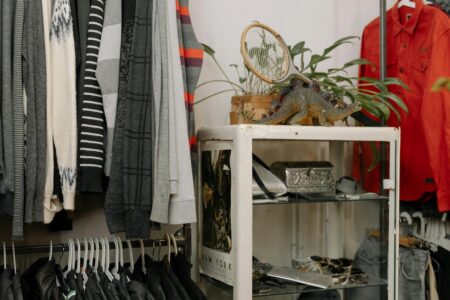


The secondhand market just hit a record $177 billion globally, but this isn’t your grandmother’s thrift shopping. Gen Z has transformed dusty charity shops into curated treasure hunts, complete with professional styling services, personalized shopping experiences, and social media documentation that rivals luxury retail campaigns.
What started as budget-conscious shopping during the pandemic has evolved into a sophisticated retail ecosystem where finding a vintage Chanel blazer at Goodwill generates more social currency than buying it new. This generation treats thrifting like an art form, combining sustainability values with luxury aesthetics to create entirely new shopping behaviors that traditional retailers are scrambling to understand.
The Curator Culture Revolution
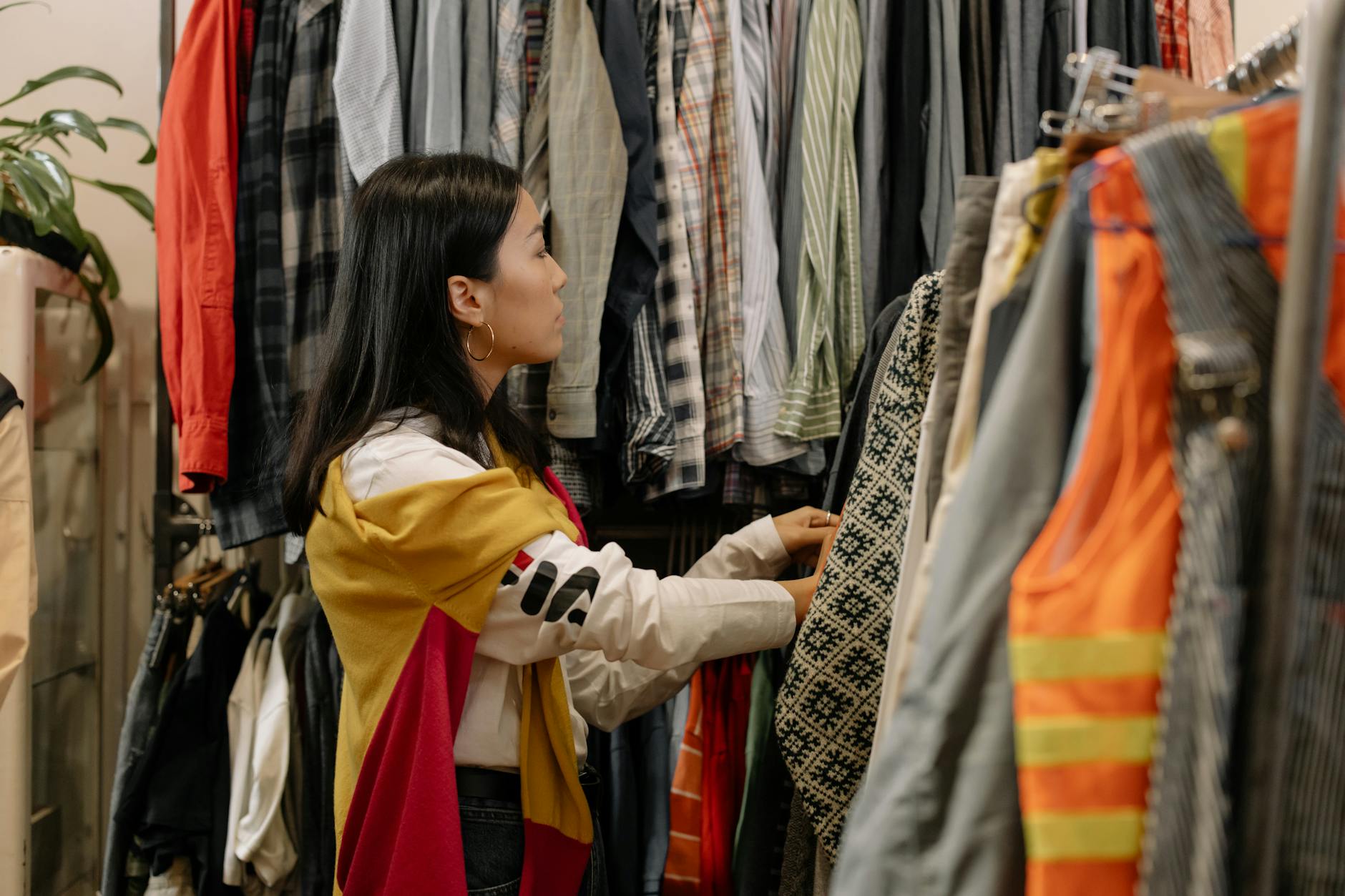
Gen Z shoppers approach thrift stores with the methodology of museum curators. They research brands, study fashion history, and develop expertise in identifying quality pieces across decades of design. This knowledge-driven approach has transformed casual browsing into strategic hunting.
“I spend hours researching vintage Versace pieces before I even step into a store,” says Maya Chen, a 22-year-old fashion student who documents her finds on TikTok. “I know what to look for in stitching, fabric quality, and authentic details that separate real vintage from reproduction.”
This curatorial mindset extends beyond individual shopping trips. Young thrifters create elaborate digital archives of their finds, complete with brand histories, styling suggestions, and estimated retail values. The result is a generation that often knows more about vintage fashion than sales associates at contemporary retailers.
The ripple effects reach far beyond personal closets. Thrift stores report that Gen Z shoppers frequently educate staff about valuable items, leading to better curation and higher-quality inventory management. Some stores now hire young fashion enthusiasts specifically for their expertise in identifying designer pieces and contemporary trends.
Luxury Service Standards in Secondhand Settings
The most successful thrift retailers have responded by elevating their entire customer experience. Buffalo Exchange and Crossroads Trading now offer personal shopping services, while independent vintage boutiques provide styling consultations that mirror luxury department stores.
These enhanced services include pre-shopping consultations where customers describe their style goals, body measurements, and specific brand preferences. Some stores maintain wishlists for regular customers, calling when desired items arrive. The most premium vintage retailers offer authentication services, professional cleaning, and minor tailoring to ensure pieces meet contemporary luxury standards.
Online platforms have amplified this trend exponentially. Vestiaire Collective and TheRealReal employ teams of authentication experts, professional photographers, and detailed product descriptions that exceed many luxury brand websites. The buying experience includes quality guarantees, return policies, and customer service standards that match traditional luxury retail.
This elevation in service quality has attracted customers who previously avoided secondhand shopping due to concerns about authenticity, cleanliness, or selection reliability. The result is a expanding customer base that includes professionals, fashion industry insiders, and luxury consumers seeking unique pieces unavailable in contemporary retail.

Social Media as the New Shopping Companion
TikTok and Instagram have become essential tools in the modern thrifting process, functioning as real-time styling guides, authentication resources, and social proof platforms. Gen Z shoppers regularly livestream their thrift store visits, creating a shared experience that transforms solitary shopping into community events.
The “thrift flip” phenomenon showcases the creative potential of secondhand pieces, with users demonstrating how to modernize vintage items through styling or minor alterations. These videos often generate millions of views, creating viral trends around specific vintage pieces or styling techniques.
Beyond entertainment, social media serves practical functions in the thrifting ecosystem. Users share store recommendations, alert followers to exceptional finds, and crowdsource authentication advice. The comment sections become collaborative spaces where fashion enthusiasts share knowledge about brands, sizing, and historical context.
This social integration has convinced retailers to embrace social media as a business tool. Many thrift stores now maintain Instagram accounts featuring daily arrivals, hire local influencers for partnerships, and encourage customers to tag locations in their posts. The most savvy retailers understand that social media exposure often drives more foot traffic than traditional advertising.
The Economics of Elevated Thrifting
The transformation of thrift shopping into a luxury experience comes with corresponding price adjustments. Premium vintage boutiques regularly price items at hundreds or thousands of dollars, while authenticated designer pieces command near-retail pricing despite their secondhand status.
This pricing evolution reflects genuine market demand rather than artificial inflation. Rare vintage pieces often appreciate in value, making them legitimate investment purchases. A 1990s Hermès scarf purchased for $50 at a thrift store might retail for $400 in a vintage boutique, demonstrating the expertise required to identify valuable pieces.
The economic impact extends beyond individual purchases. Gen Z’s approach to thrifting has created new career paths in fashion curation, authentication, and styling services. Professional thrifters now earn substantial incomes by sourcing pieces for clients, while social media influencers monetize their thrifting expertise through sponsorships and affiliate marketing.
This professionalization has also attracted institutional investment. Venture capital firms have poured hundreds of millions into secondhand fashion platforms, recognizing the market potential of luxury-level thrifting experiences. The result is a rapidly evolving retail landscape where secondhand shopping competes directly with traditional luxury retail for customer attention and spending.
The transformation of thrift shopping from bargain hunting to luxury experience reflects broader shifts in consumer values, where authenticity, sustainability, and individual expression triumph over brand names and conventional retail experiences. As [corporate executives embrace visible tattoos in professional settings](https://fashiontaps.com/corporate-executives-are-embracing-visible-tattoos-in-professional-settings/), the boundaries between mainstream and alternative continue blurring across all aspects of culture and commerce.
Gen Z’s approach to secondhand shopping has permanently altered retail expectations, creating demand for curation, authenticity, and experiential shopping that traditional retailers must now match. The next evolution will likely see even deeper integration between digital platforms and physical retail spaces, as the generation that grew up online continues reshaping commerce in their image.
Frequently Asked Questions
How has Gen Z changed thrift shopping?
Gen Z approaches thrifting with curatorial expertise, demanding luxury-level services and using social media to create community experiences around secondhand shopping.
Why do young people prefer thrift shopping over regular retail?
They value sustainability, unique pieces, and the treasure hunt experience while building expertise in vintage fashion and designer authentication.