


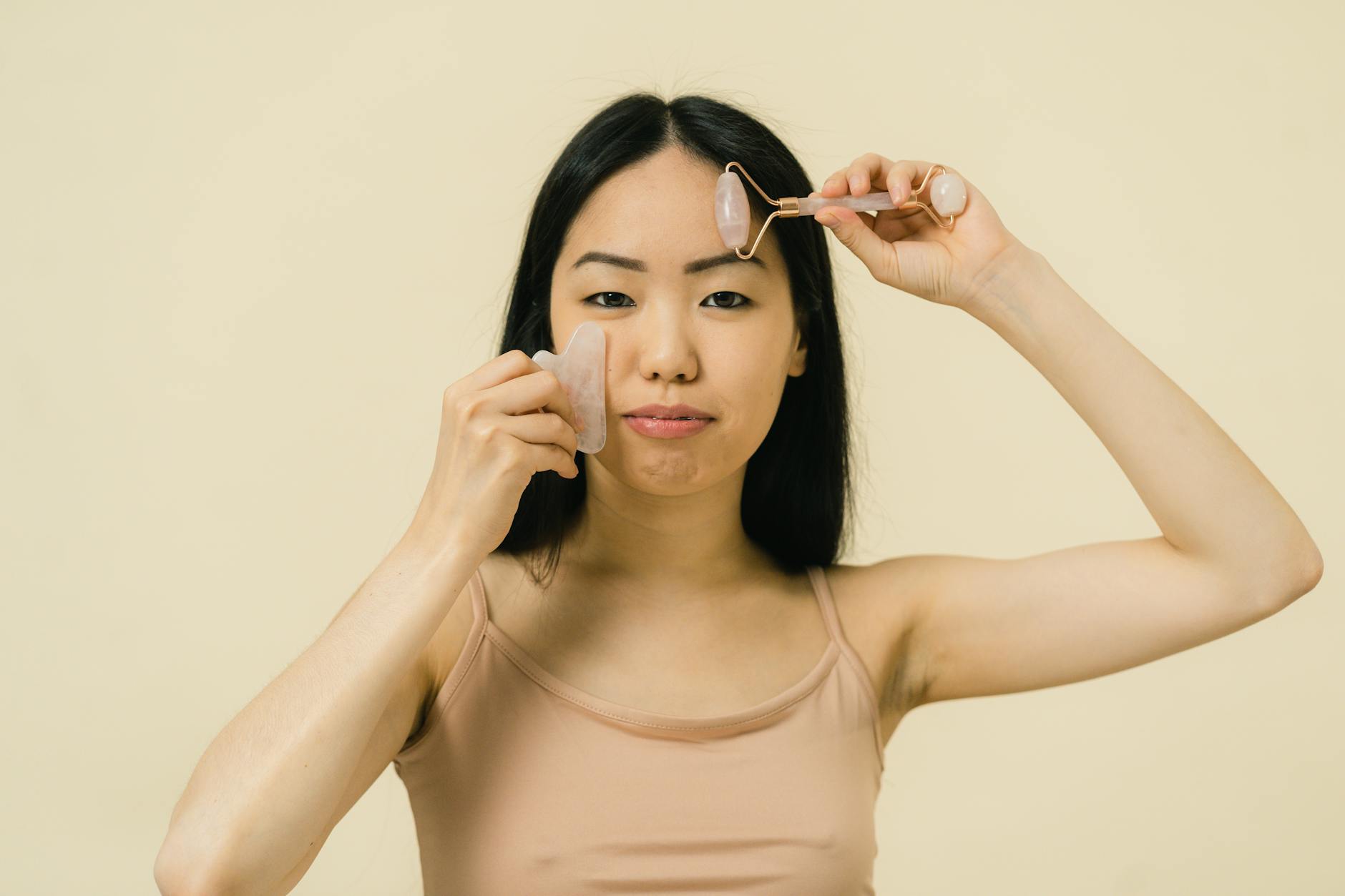
Skincare enthusiasts are discovering their favorite gua sha tools now come with an environmental backstory. These ancient Chinese beauty implements, traditionally carved from jade or rose quartz, are being reimagined using recycled ocean plastic collected from beaches and waterways worldwide.
The trend reflects a broader shift in the beauty industry toward sustainability, where consumers increasingly demand products that deliver results while addressing environmental concerns. Major retailers report significant growth in eco-friendly beauty tools, with recycled plastic gua sha stones leading the category.
From Ocean Waste to Beauty Tool
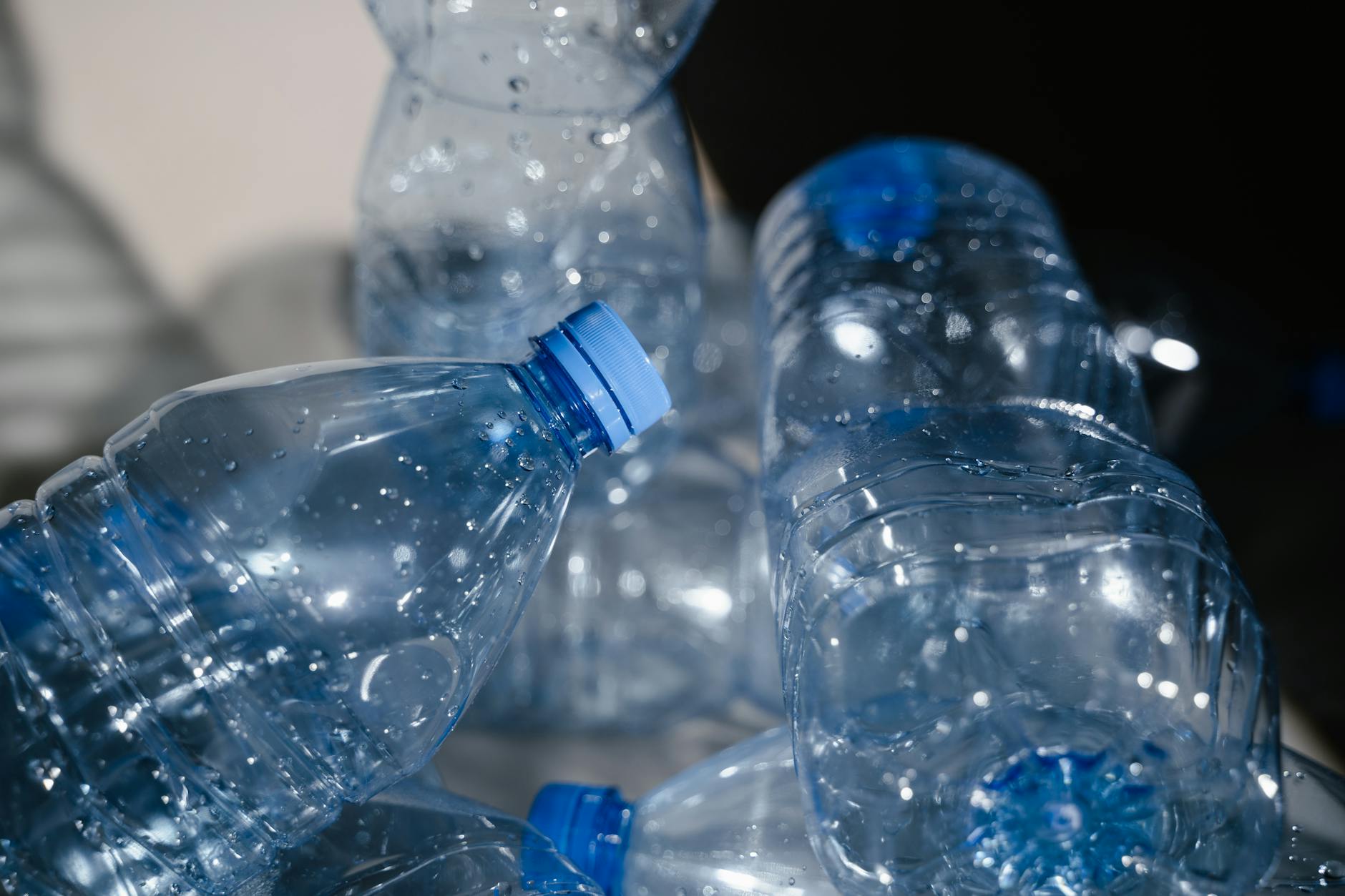
Ocean plastic gua sha tools begin their journey as discarded bottles, bags, and packaging retrieved from coastal cleanup efforts. Companies like BeautyClean and EcoGlow work with environmental organizations to source this waste material, which undergoes rigorous cleaning and processing before transformation.
The manufacturing process involves shredding the collected plastic into small flakes, melting it down, and molding it into the traditional curved shapes that make gua sha tools effective for facial massage. Advanced color matching techniques allow manufacturers to create tools that mimic the appearance of natural stones, often in jade green or rose quartz pink.
Unlike traditional stone tools that require mining and international shipping, recycled plastic versions can be produced closer to consumer markets, reducing transportation emissions. The plastic composition also makes these tools lighter and more durable than their stone counterparts, addressing common complaints about breakage during travel.
Performance Benefits Beyond Sustainability
Beauty experts note that recycled plastic gua sha tools offer practical advantages that extend beyond their environmental credentials. The material maintains consistent temperature longer than natural stone, providing more sustained cooling effects during facial massage sessions.
Dermatologists appreciate that plastic tools are naturally non-porous, making them easier to sanitize between uses compared to traditional jade or rose quartz implements. This characteristic reduces bacterial buildup and makes the tools suitable for sensitive skin types that might react to mineral residues.
The lightweight nature of plastic tools allows for extended massage sessions without hand fatigue, encouraging users to complete their full skincare routines. Professional aestheticians report that clients find plastic tools more comfortable for extended treatments, particularly when combined with cryotherapy sessions.
Consumer Adoption and Market Response
Social media platforms showcase growing enthusiasm for sustainable beauty tools, with skincare influencers demonstrating recycled plastic gua sha techniques alongside traditional methods. Beauty retailers report that eco-friendly messaging resonates strongly with younger consumers, who actively seek products that align with their environmental values.
Price points for recycled plastic tools typically fall between traditional jade options and premium rose quartz implements, making sustainable choices accessible to broader audiences. Subscription beauty boxes increasingly feature these tools as introductory products, exposing new users to both gua sha techniques and sustainability messaging.
Professional spas are incorporating recycled plastic tools into their service offerings, highlighting the environmental story as part of the treatment experience. This trend mirrors the broader movement in skincare toward innovative ingredient sourcing that combines efficacy with environmental responsibility.
Industry Innovation and Future Developments
Beauty tool manufacturers are expanding beyond basic gua sha shapes to create comprehensive sustainable skincare collections. New products include roller tools, facial cups, and massage stones all made from recycled ocean plastic, offering complete routines without traditional mining impacts.
Research and development teams are experimenting with different plastic types to optimize tool performance, investigating materials that provide varying levels of firmness and temperature retention. Some companies are exploring biodegradable additives that could make tools compostable at end of life while maintaining durability during use.
Traceability programs are emerging that allow consumers to learn about the specific ocean cleanup projects that sourced their tool materials. QR codes on packaging link to stories about beach cleanups, providing tangible connections between purchase decisions and environmental impact.
The intersection of ancient wellness practices and modern environmental solutions represents a significant shift in how consumers approach self-care. As recycled plastic gua sha tools gain mainstream acceptance, they demonstrate that sustainable choices need not compromise on performance or aesthetics. This trend signals broader changes ahead in the beauty industry, where environmental responsibility becomes integral to product development rather than an afterthought. The success of these innovative tools suggests consumers are ready to embrace beauty routines that benefit both their skin and the planet.
Frequently Asked Questions
Are recycled plastic gua sha tools as effective as stone versions?
Yes, plastic tools maintain temperature longer and are lighter, making them equally effective for facial massage and lymphatic drainage.
How are ocean plastic gua sha tools made?
Collected ocean waste is cleaned, shredded, melted down, and molded into traditional gua sha shapes using advanced manufacturing processes.