


The Okayama prefecture in Japan produces more premium denim than anywhere else in the world, yet few American consumers know the names of the master craftsmen behind their favorite jeans. That’s changing rapidly as Japanese denim artisans forge unprecedented partnerships with American streetwear brands, creating a fusion that honors traditional craftsmanship while embracing contemporary urban style.
These collaborations represent more than just fashion partnerships-they’re cultural exchanges that blend centuries-old Japanese textile techniques with the creative energy of American street fashion. The result is denim that commands premium prices and waiting lists, attracting everyone from sneaker collectors to fashion editors.
The Masters Behind the Movement
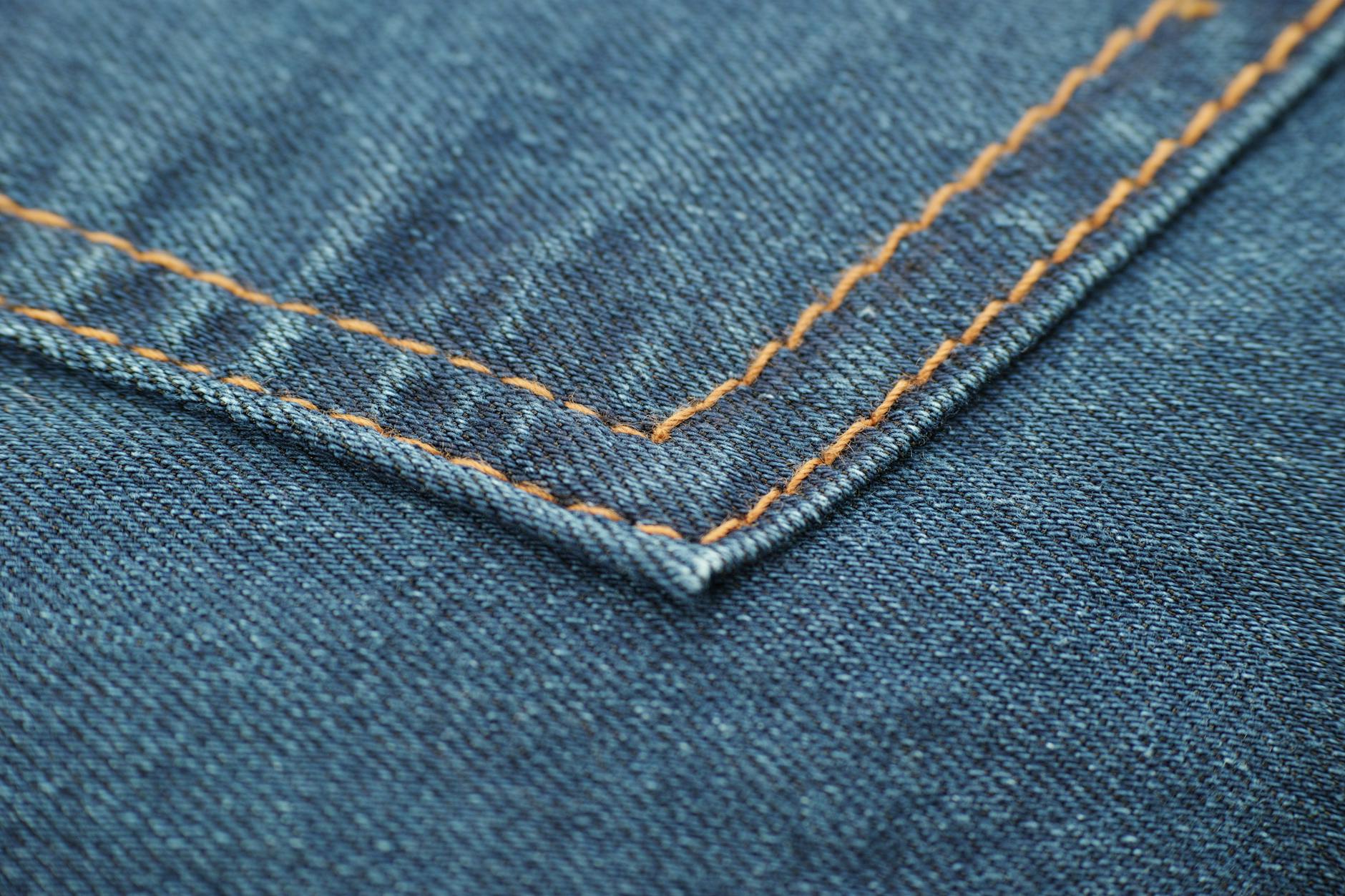
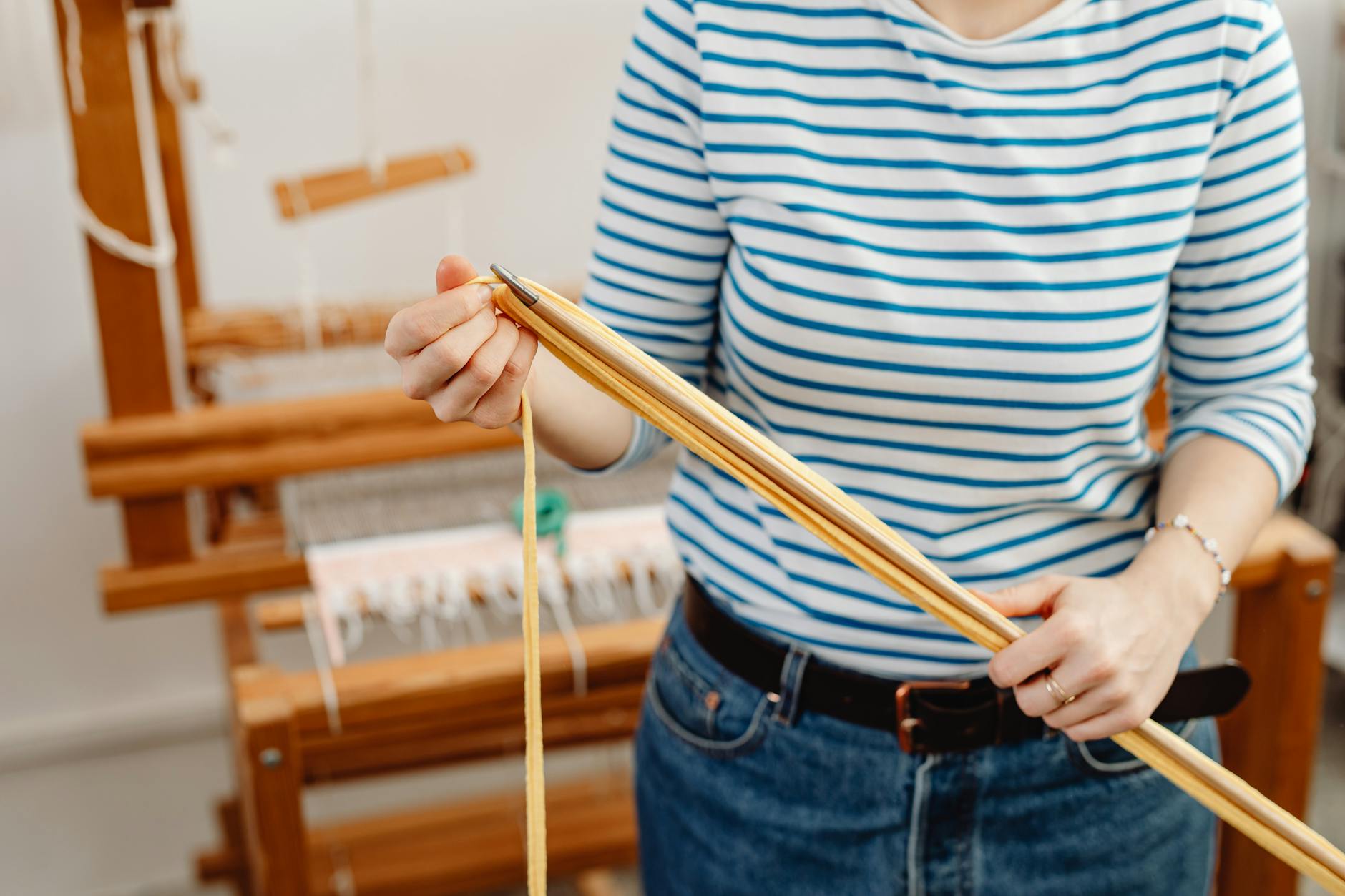
Yoshiaki Hayashi of Pure Blue Japan has been perfecting indigo dyeing techniques for over three decades, using methods passed down through generations of textile workers. His workshop in Kuroki employs vintage shuttle looms from the 1950s, creating the irregular textures and character that machine-made denim cannot replicate. Recently, Hayashi partnered with Los Angeles-based brand Brain Dead to create a limited capsule collection that sold out within hours of release.
Similarly, the artisans at White Oak Cone Mills-before its closure-and Japan’s Kaihara Mills have become legendary among denim enthusiasts. Kaihara Mills, founded in 1951, supplies fabric to major American brands including Levi’s, but their collaborations with streetwear labels like Fear of God and Amiri represent a different approach entirely. These partnerships allow for smaller batch productions with experimental washes and treatments that would be impossible at mass-market scale.
The appeal lies in the contradiction: Japanese precision meeting American rebellion. Where traditional Japanese denim emphasizes perfect construction and slow fading, American streetwear demands bold treatments, oversized fits, and immediate visual impact. The fusion creates something entirely new.
Streetwear Brands Embracing Craftsmanship
American streetwear brands are increasingly recognizing that their customers crave authenticity and craftsmanship, not just hype. Supreme’s collaboration with Japanese brand Undercover introduced many streetwear fans to the concept of artisanal denim, while Off-White’s partnership with various Japanese mills has elevated the conversation around premium materials in street fashion.
Stussy, one of the original streetwear brands, has worked extensively with Japanese manufacturers since the 1990s, but recent collaborations go deeper than simple production partnerships. Their limited denim releases now feature detailed explanations of the weaving process, indigo sourcing, and finishing techniques-educating consumers about the craft behind the clothes.
The relationship works both ways. Japanese artisans gain access to the cultural cachet and distribution networks of established American streetwear brands, while the American brands benefit from the technical expertise and cultural credibility of Japanese craftsmanship. It’s similar to how Chinatown tailors are reviving bespoke suiting for tech executives, where traditional skills meet contemporary needs.
The Technical Innovation
These collaborations aren’t just about aesthetics-they’re pushing technical boundaries. Japanese mills are experimenting with organic cotton varieties, natural indigo cultivation, and zero-waste production methods in response to American brands’ sustainability requirements. Brands like Noah and Entireworld have specifically sought Japanese partners who can meet their environmental standards while maintaining quality.
The washing and finishing processes represent another area of innovation. Traditional Japanese rope dyeing creates the deep, rich blues that serious denim collectors prize, but American streetwear demands variety. Japanese artisans are developing new techniques for stone washing, acid treatments, and distressing that maintain the integrity of their base fabrics while achieving the aesthetic goals of their American partners.
Some collaborations involve completely reimagining traditional silhouettes. While Japanese denim historically favors slim, tailored fits, partnerships with American brands have produced oversized, relaxed cuts that maintain the construction quality but appeal to contemporary streetwear aesthetics. The technical challenge lies in scaling traditional hand-finishing techniques to accommodate these new proportions.
Cultural Exchange and Future Directions
The most successful collaborations involve genuine cultural exchange rather than simple outsourcing. American brand founders increasingly spend time in Japanese workshops, learning about the production process and building relationships with artisans. This hands-on approach results in products that genuinely reflect both cultures rather than superficial mashups.
Young Japanese artisans, meanwhile, are incorporating elements of American street style into their work. They’re experimenting with bold graphics, unconventional colorways, and hybrid constructions that would have been unthinkable in traditional Japanese denim circles. This cross-pollination benefits both sides, keeping traditional crafts relevant while pushing streetwear toward higher quality standards.

The economic impact extends beyond fashion. These partnerships are helping sustain traditional Japanese textile communities that might otherwise struggle to find markets for their specialized skills. Small towns in Okayama and Hiroshima that once focused solely on domestic production now ship limited-edition releases to streetwear boutiques in New York, Los Angeles, and London.
Looking ahead, expect these collaborations to become more sophisticated and integrated. Rather than seasonal partnerships, brands are developing long-term relationships that allow for genuine innovation and cultural exchange. The next wave will likely involve American brands establishing permanent presences in Japanese textile regions, while Japanese artisans open studios in American fashion capitals.
This fusion of Japanese craftsmanship and American streetwear sensibility represents a broader trend toward authenticity and quality in fashion, even within traditionally disposable categories like street fashion. As consumers become more educated about production processes and environmental impact, these collaborations offer a model for how traditional crafts can evolve while maintaining their essential character.
Frequently Asked Questions
Why are Japanese denim artisans collaborating with American streetwear brands?
These partnerships combine Japanese craftsmanship expertise with American streetwear’s cultural influence and distribution networks.
What makes Japanese denim different from regular denim?
Japanese denim uses traditional techniques like rope dyeing, vintage shuttle looms, and hand-finishing methods that create superior quality and character.