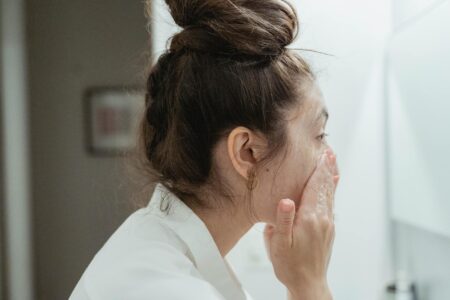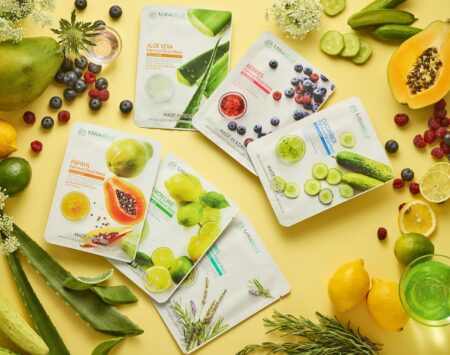


Celebrities like Jennifer Aniston and Emma Stone have quietly swapped their monthly chemical peels for something unexpected: snail mucin facials. The Korean beauty treatment, once dismissed as bizarre, is now booking solid at high-end spas from Beverly Hills to Manhattan’s Upper East Side.
The shift represents more than just another K-beauty trend. Dermatologists report that snail secretion filtrate – the technical name for processed snail mucin – delivers comparable results to light chemical peels without the downtime, irritation, or strict sun avoidance that traditional treatments require.
“I’ve had patients who couldn’t tolerate glycolic or lactic acid peels find remarkable success with snail mucin treatments,” says Dr. Sarah Chen, a Beverly Hills dermatologist whose practice has integrated Korean skincare protocols. “The healing properties are genuinely impressive.”
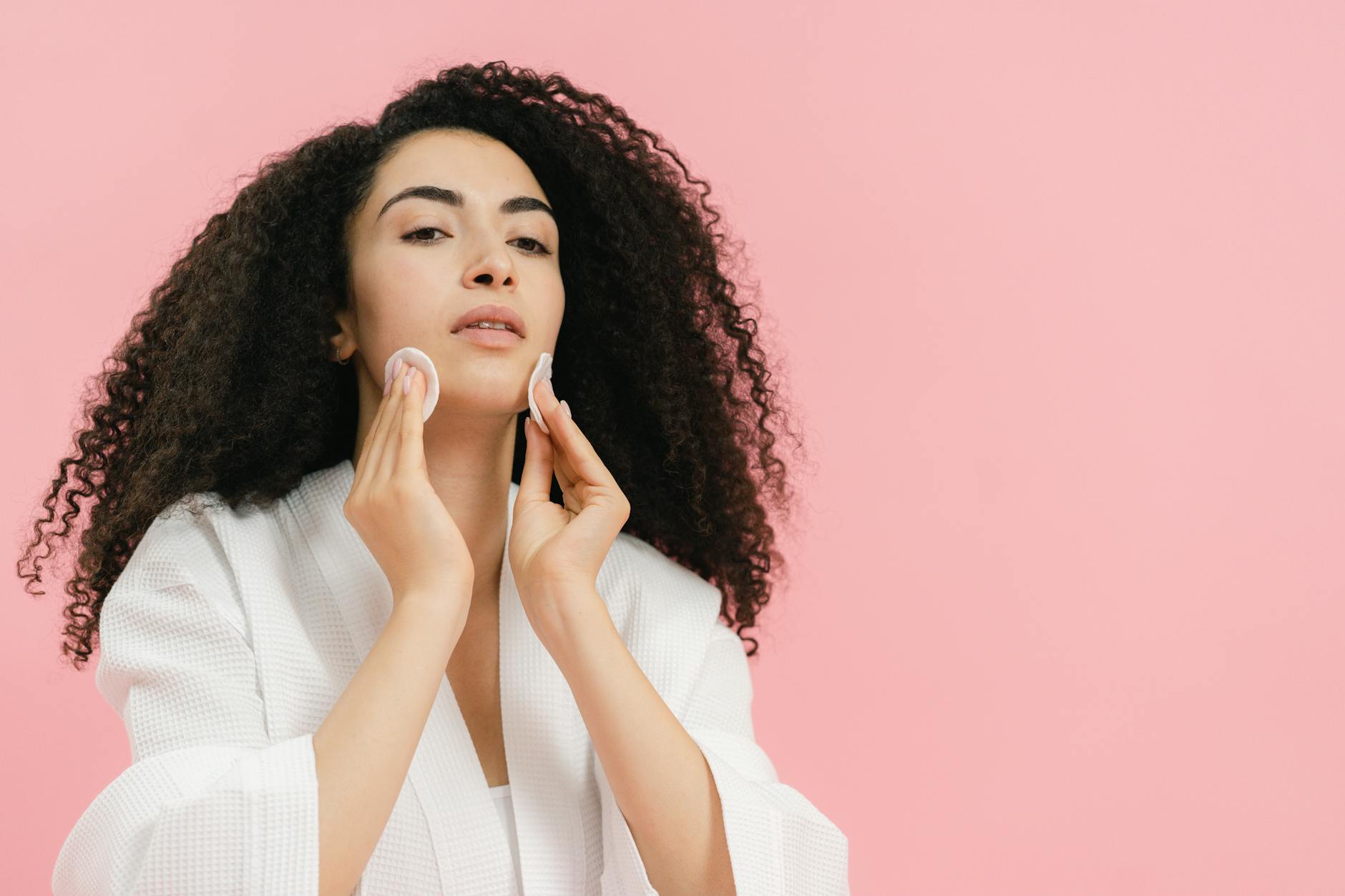
The Science Behind Snail Mucin’s Skin-Healing Power
Snail mucin contains a cocktail of naturally occurring compounds that mirror what expensive cosmetic treatments aim to deliver artificially. The secretion includes hyaluronic acid for hydration, glycoproteins for skin repair, and antimicrobial peptides that reduce inflammation – essentially a biological resurfacing treatment produced by nature.
Research from Seoul National University found that snail secretion filtrate increased skin hydration by 68% and reduced fine lines by 32% over eight weeks. Compare this to glycolic acid peels, which typically show similar improvements but come with peeling, redness, and sensitivity that can last days.
The mucin works by accelerating cellular turnover – the same goal as chemical peels – but through gentle enzymatic action rather than acid-induced damage. Korean cosmetic companies like COSRX and Mizon have refined extraction and processing methods to concentrate the active compounds while removing any potentially irritating proteins.
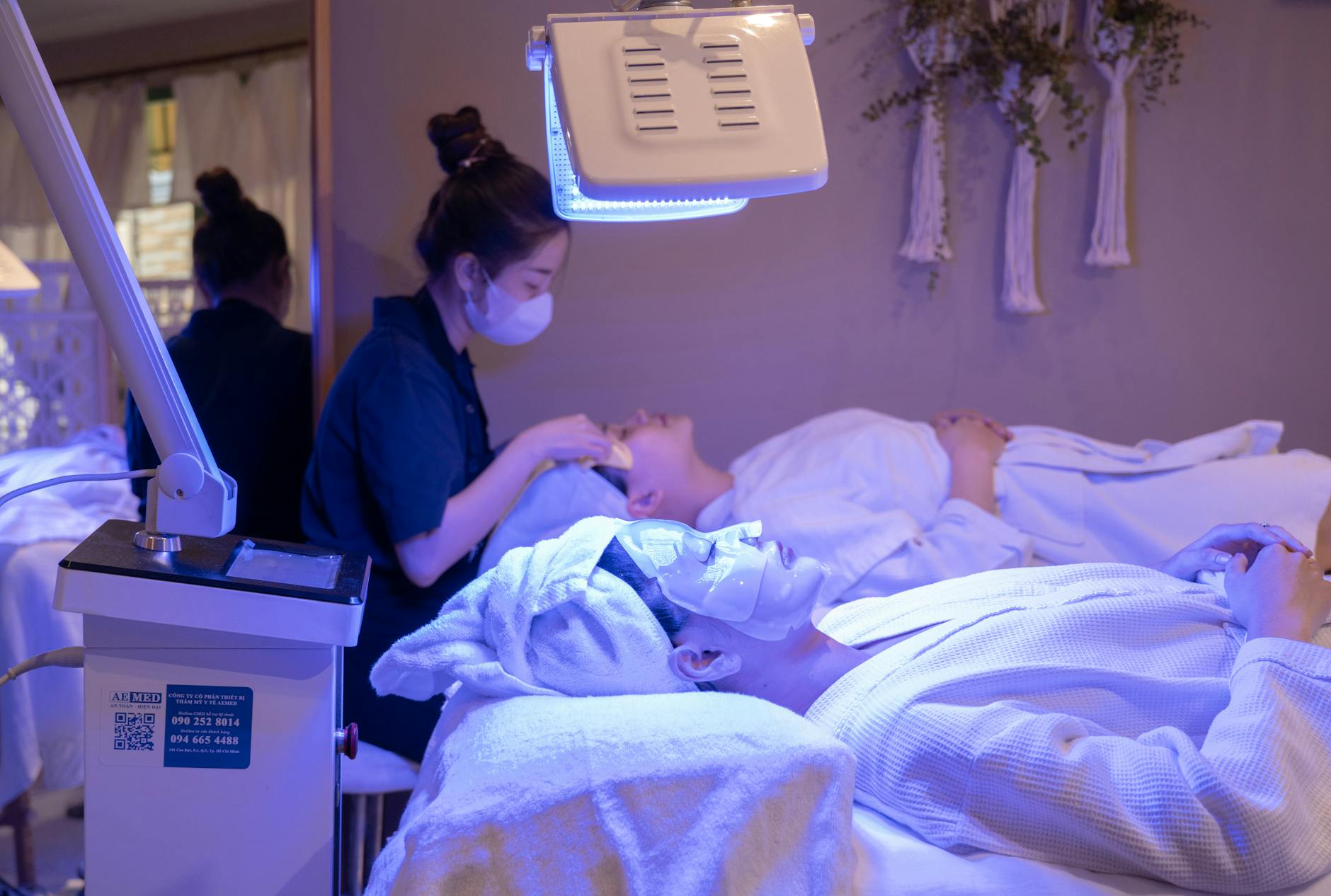
Professional spa treatments now use snail mucin in multi-step protocols. The Skin Laundry chain introduced “Gastropod Glow” facials last year, combining snail mucin with LED therapy and ultrasonic infusion. Book treatments at their West Hollywood location fill up weeks in advance.
Celebrity Endorsements Drive Mainstream Acceptance
The treatment gained serious traction when Drew Barrymore featured snail mucin skincare on her daytime show, calling it “the most surprisingly effective thing I’ve tried.” Gwyneth Paltrow’s Goop subsequently featured a $200 snail mucin facial mask in their gift guide.
Korean actress Son Ye-jin, star of “Crash Landing on You,” has long credited snail mucin for her porcelain complexion. When the show became a global Netflix hit, Western beauty enthusiasts began researching her skincare routine. Google searches for “snail mucin benefits” increased 340% following the series finale.
Professional makeup artists have embraced snail mucin as a prep treatment. Celebrity makeup artist Mario Dedivanovic, known for his work with Kim Kardashian, reportedly uses snail mucin essences to create that coveted glass-skin effect before red carpet events.
The shift mirrors broader changes in professional beauty standards. Male makeup artists are revolutionizing bridal beauty standards by incorporating gentler, skin-positive approaches that prioritize long-term skin health over dramatic immediate results.
Professional Treatments vs. At-Home Products
High-end spas now offer snail mucin treatments ranging from $150 to $400 per session. The Ritz-Carlton Spa in Los Angeles introduced their “Seoul Secret” facial, which combines fresh snail mucin with traditional Korean massage techniques. The Peninsula Beverly Hills follows with their “K-Beauty Reset” treatment.
At-home products provide more accessible options. Korean brands like Beauty of Joseon and Benton offer snail mucin essences starting around $15. The Ordinary’s Marine Hyaluronics, while not technically snail-derived, mimics similar hydrating effects for budget-conscious consumers.
The key difference lies in concentration and application method. Professional treatments use higher concentrations of active compounds and employ techniques like microcurrent therapy to enhance absorption. Home products typically contain 90-96% snail secretion filtrate but rely on consistent daily application for results.
Dermatologists recommend starting with lower concentrations to test skin tolerance. “I tell patients to patch-test for 48 hours, then gradually increase usage,” explains Dr. Chen. “Some people with shellfish allergies can react to snail proteins, though it’s uncommon with properly processed products.”
The Regulatory and Sustainability Question
The FDA classifies snail mucin as a cosmetic ingredient, not requiring the same safety testing as pharmaceutical compounds. However, reputable Korean manufacturers follow strict harvesting protocols that reportedly don’t harm the snails – they’re gently stimulated to produce mucin, then returned to controlled farming environments.
Companies like Mizon emphasize their cruelty-free certification and sustainable farming practices. The snails live in temperature-controlled environments designed to minimize stress while maintaining optimal mucin production. Independent audits verify these claims for brands seeking international distribution.
Supply chain concerns have emerged as demand outpaces production. Authentic Korean snail mucin commands premium prices, leading to counterfeit products flooding online marketplaces. Beauty retailers like Sephora and Ulta now carefully vet suppliers to ensure product authenticity and ethical sourcing.
The snail mucin trend intersects with growing consumer preference for “clean beauty” and biologically-derived ingredients. As chemical peels face criticism for potential long-term skin barrier damage, gentler alternatives gain appeal among both professionals and consumers.
Looking ahead, cosmetic companies are investing heavily in snail mucin research and production infrastructure. L’Oreal acquired Korean beauty startup Stylenanda partly for their expertise in snail-derived formulations. Unilever has filed patents for synthetic alternatives that mimic snail mucin’s molecular structure.
The treatment’s success suggests a broader shift toward integrating traditional Asian beauty wisdom with modern dermatological understanding. Dermatologists are already prescribing facial acupuncture for hormonal acne, indicating growing openness to alternative approaches in professional settings.
For consumers seeking effective skin renewal without the harshness of chemical peels, snail mucin represents a compelling middle ground – backed by both centuries of Korean tradition and emerging scientific validation. The question isn’t whether this trend will continue, but how quickly Western beauty standards will fully embrace it.
Frequently Asked Questions
Are snail mucin treatments safe for sensitive skin?
Yes, snail mucin is generally gentler than chemical peels and suitable for sensitive skin types, though patch testing is recommended.
How often should you get professional snail mucin treatments?
Most dermatologists recommend monthly professional treatments, with daily at-home snail mucin products for maintenance.