


The cardigan sweater, once relegated to dusty library corners and college campuses, has quietly conquered Wall Street’s most exclusive trading floors. From Goldman Sachs to JPMorgan Chase, finance professionals are swapping power blazers for soft knits, creating an unexpected fashion revolution in America’s most traditional industry.
This shift represents more than a simple wardrobe update. The librarian cardigan movement signals a fundamental change in how financial professionals view workplace authority and professional presence. Where sharp shoulders and structured jackets once dominated, cozy cashmere and wool blends now reign supreme.

The Origins of Finance’s Cardigan Revolution
The transformation began during the remote work era of 2020-2022, when video calls made comfort-focused clothing essential. Finance professionals discovered that cardigans provided the perfect balance: professional enough for client presentations, comfortable enough for 14-hour trading days.
Sarah Chen, a portfolio manager at a major New York investment firm, recalls the exact moment she realized cardigans were taking over. “I walked into our quarterly all-hands meeting and counted twelve cardigans in the first two rows alone. These weren’t junior analysts either – we’re talking VPs, directors, even a few MDs.”
The style gained momentum when several high-profile female executives began wearing designer cardigans to earnings calls and industry conferences. Brunello Cucinelli, The Row, and Loro Piana cardigans started appearing in financial media photos, elevating the garment from casual Friday wear to boardroom appropriate.
Investment banks noticed the trend early. Internal style consultants at major firms began recommending cardigans as alternatives to traditional suiting, particularly for younger professionals seeking to establish authority without appearing overly formal or intimidating to millennial and Gen Z clients.
Why Cardigans Work in High-Stakes Finance
The cardigan’s success in finance stems from its unique psychological impact. Research from executive coaching firms suggests that softer professional attire can increase client trust and colleague approachability while maintaining perceived competence.
“The cardigan creates what we call ‘approachable authority,'” explains Dr. Rebecca Torres, a workplace psychology consultant who works with several Wall Street firms. “It signals competence and professionalism while appearing more relatable than traditional power dressing.”
The practical benefits extend beyond psychology. Cardigans adapt easily to the temperature fluctuations common in trading floors and conference rooms. They layer seamlessly over silk blouses or fine knit tops, providing versatility throughout long workdays.
Color selection has become strategic. Navy, charcoal, and cream dominate trading floors, while investment advisors meeting with high-net-worth clients favor camel, forest green, and burgundy. Black cardigans remain popular for client presentations and board meetings.

The fabric quality matters significantly in this context. Cashmere from Loro Piana or Brunello Cucinelli commands respect in ways that cotton blends cannot. The tactile luxury signals success and attention to detail that clients and colleagues notice immediately.
The Designer Cardigan Arms Race
Luxury fashion houses have responded to finance’s cardigan appetite with specialized collections. The Row’s oversized cashmere cardigans, priced around $2,000, have become status symbols among senior bankers. Brunello Cucinelli’s silk-cashmere blends offer subtle luxury that photographs well in financial media.
Emerging brands have also entered the market. Gabriela Hearst’s sustainable cashmere cardigans appeal to ESG-focused finance professionals, while Khaite’s architectural knits provide modern alternatives to traditional options.
The investment in quality cardigans often exceeds traditional suit budgets. A single Loro Piana cashmere cardigan can cost more than an entire suit from many luxury menswear brands, but finance professionals justify the expense through cost-per-wear calculations and professional impact.
Personal shoppers serving the finance industry report dramatic increases in cardigan requests. “Two years ago, maybe 10 percent of my finance clients asked about cardigans,” says Manhattan-based stylist James Richardson. “Now it’s closer to 60 percent. They want options for different meeting types, seasons, and client demographics.”
The trend has created internal fashion competition within firms. Junior analysts study the cardigan choices of successful senior colleagues, leading to what some call “cardigan mentoring” – informal guidance on appropriate styles, brands, and styling approaches.
Beyond Wall Street: The Cardigan’s Professional Expansion
The finance cardigan trend has influenced other professional sectors. Law firms, consulting companies, and tech startups have observed similar shifts toward comfortable professional wear. Like the way vintage tennis skirts became Gen Z’s office uniform, the cardigan represents changing attitudes toward workplace dress codes.
Corporate America’s relationship with formal business attire continues evolving. The cardigan’s acceptance in finance – traditionally the most conservative dressing sector – suggests broader changes in professional fashion expectations.
Real estate, healthcare administration, and media companies have begun incorporating cardigan-friendly dress codes. The garment’s versatility makes it suitable for various professional contexts while maintaining the authority associations established in finance.
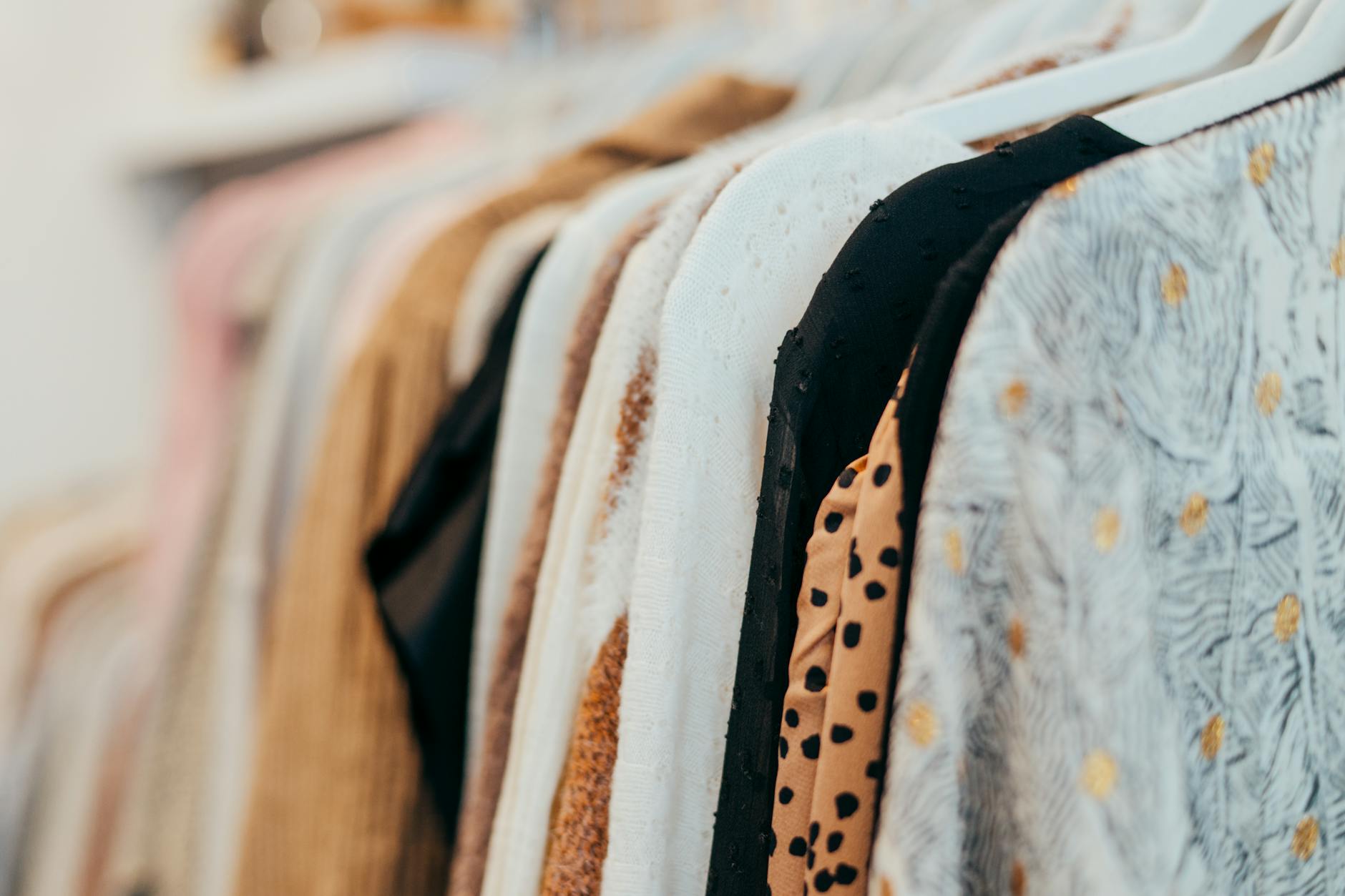
The trend shows no signs of reversing. Fall 2024 fashion weeks featured numerous cardigan-focused collections, suggesting designers anticipate continued professional demand. Sustainable fashion brands are developing eco-friendly cardigan options, appealing to environmentally conscious professionals across industries.
As workplace dress codes continue evolving, the librarian cardigan’s transformation into a power dressing essential demonstrates fashion’s ability to redefine professional authority. What began as comfort-driven practicality has become a new language of workplace confidence, proving that sometimes the most unexpected fashion choices become the most enduring professional statements.
Frequently Asked Questions
Why are finance professionals wearing cardigans instead of blazers?
Cardigans provide “approachable authority” while offering comfort for long workdays and temperature flexibility in office environments.
Which cardigan brands are popular on Wall Street?
Luxury brands like Brunello Cucinelli, The Row, and Loro Piana dominate, with cashmere options costing $2,000 or more.