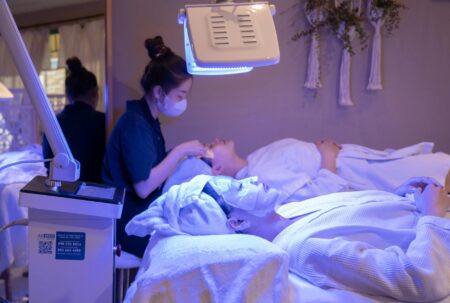


Grace Wellness Studio in Manhattan charges $180 for a 90-minute session that combines traditional massage therapy with facial cupping – and they’re booked solid through March. What started as an ancient Chinese practice is now becoming the go-to anti-aging add-on at massage therapy clinics across the country.
The integration of facial cupping into massage therapy represents a significant shift in how wellness professionals approach anti-aging treatments. Rather than limiting cupping to body work, licensed massage therapists are incorporating specialized glass and silicone cups designed specifically for facial applications. The treatment promises to boost circulation, reduce puffiness, and create a natural lifting effect without invasive procedures.
The Science Behind the Suction
Facial cupping works by creating gentle suction on the skin using small glass or silicone cups. The negative pressure increases blood flow to treated areas, which proponents claim helps deliver oxygen and nutrients while promoting lymphatic drainage. Unlike body cupping that leaves characteristic circular marks, facial cupping uses lighter suction and dynamic movement to avoid bruising.
Dr. Rachel Chen, a licensed acupuncturist and massage therapist in Los Angeles, explains the physiological basis: “The suction creates micro-trauma that stimulates collagen production. We’re essentially triggering the body’s natural healing response in a controlled way.” Her clinic has seen a 40% increase in requests for facial cupping since adding it to their menu in 2023.
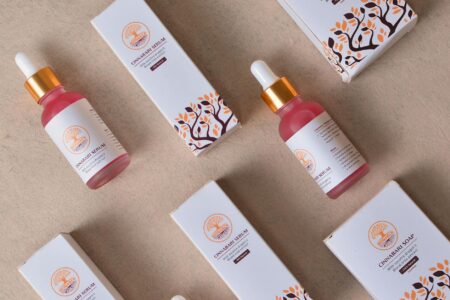
The treatment typically begins with cleansing and applying a specialized oil or serum to allow the cups to glide smoothly across the skin. Therapists use different cup sizes – ranging from tiny cups for delicate eye areas to larger ones for cheeks and jawlines. Sessions usually last 15-30 minutes and can be performed as a standalone treatment or incorporated into longer massage appointments.
Modern facial cupping differs significantly from traditional methods. Contemporary practitioners use medical-grade silicone cups that provide consistent suction and are easier to sterilize. Some clinics have invested in electric cupping devices that maintain precise pressure levels, though many therapists prefer the control offered by manual glass cups.
Training and Certification Requirements
The growing popularity of facial cupping has sparked demand for specialized training programs. The American Massage Therapy Association now offers continuing education courses specifically for facial cupping techniques, with over 2,000 therapists completing certification in the past year.
Sarah Martinez, director of education at the International Cupping Therapy Association, notes the importance of proper training: “We’re seeing massage therapists realize they need specific skills for facial work. The face has different muscle groups, nerve pathways, and lymphatic drainage patterns than the body.”
Most certification programs require 16-24 hours of instruction covering anatomy, contraindications, and hands-on practice. Students learn to identify areas where cupping should be avoided, such as active acne, broken capillaries, or recent cosmetic procedures. The training emphasizes safety protocols since facial skin is more delicate than body tissue.
Several massage schools have integrated facial cupping into their core curricula. The Colorado School of Healing Arts reports that 85% of their recent graduates request facial cupping training before entering practice. This trend reflects growing client demand and the potential for increased revenue streams.
Client Results and Market Response
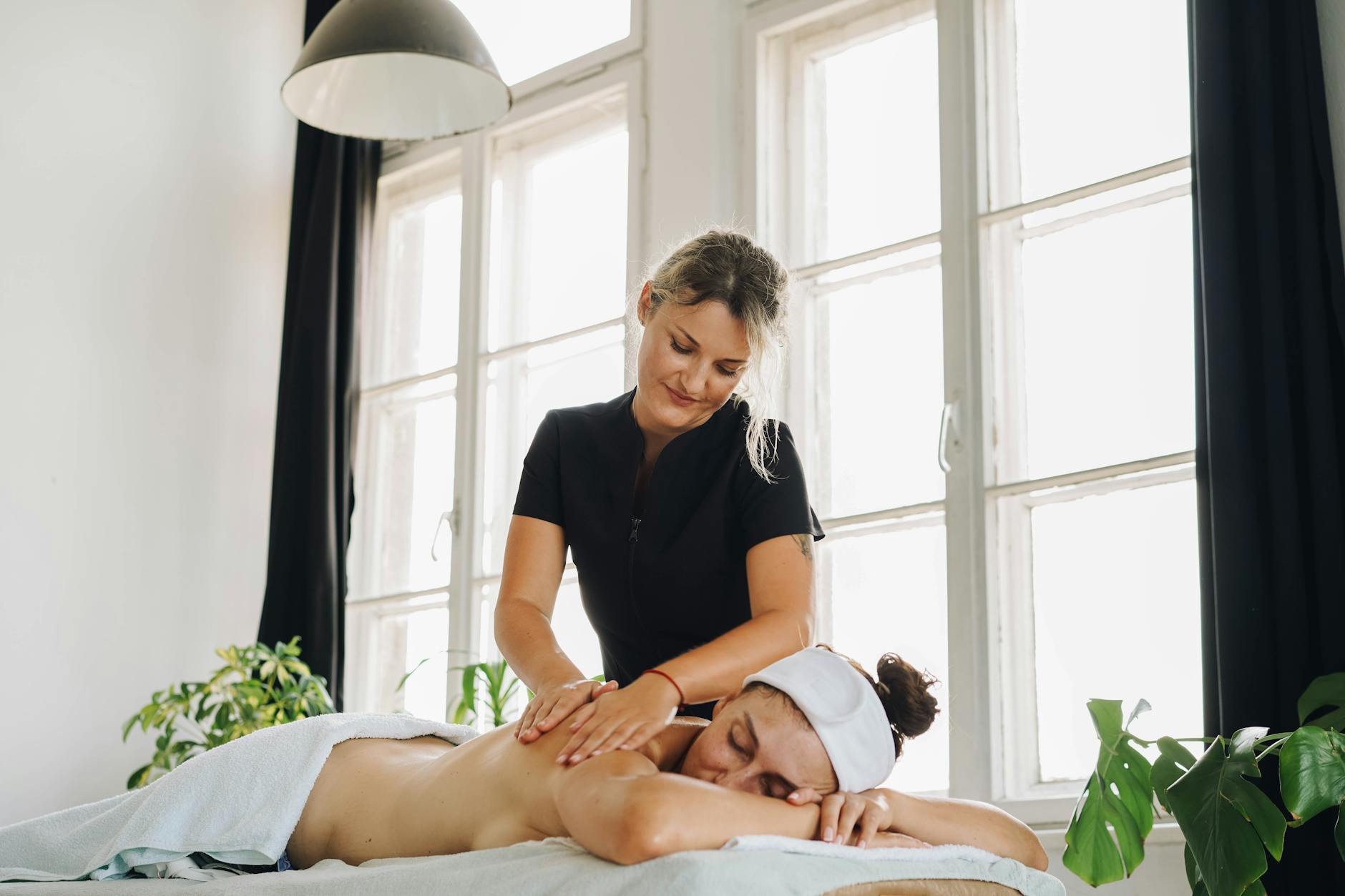
Massage therapy clinics report strong client satisfaction with facial cupping services. The Healing Touch Center in Austin tracks client outcomes through follow-up surveys, with 78% of facial cupping clients reporting improved skin texture and 65% noting reduced puffiness after a series of treatments.
Celebrity endorsements have amplified interest in the technique. When actress Gwyneth Paltrow posted about facial cupping on social media, searches for local providers increased by 300% that week. Several high-profile makeup artists have incorporated facial cupping into pre-event preparation routines, similar to how celebrity makeup artists are using fermented rice water treatments for skin preparation.
The treatment appeals to clients seeking non-invasive anti-aging options. Jennifer Walsh, a regular client at Elements Massage Studio in Phoenix, chose facial cupping over Botox: “I wanted something natural that I could maintain long-term. After six sessions, my jawline looks more defined and my skin has this healthy glow.”
Pricing varies significantly by location and practitioner experience. Sessions range from $75 for a basic 30-minute treatment to $250 for comprehensive packages that include lymphatic drainage and specialized serums. Many clinics offer package deals to encourage regular sessions, typically recommending treatments every 2-3 weeks for optimal results.
The demographic skews female and spans ages 35-65, though younger clients are increasingly seeking preventive treatments. Massage therapists report that facial cupping clients often become regular massage customers, creating cross-selling opportunities for other services.
Integration with Other Wellness Modalities
Progressive massage therapists are combining facial cupping with complementary techniques for enhanced results. Some practitioners incorporate gua sha tools between cupping sessions, creating comprehensive facial massage protocols. The combination approach aligns with the broader trend toward holistic wellness treatments.
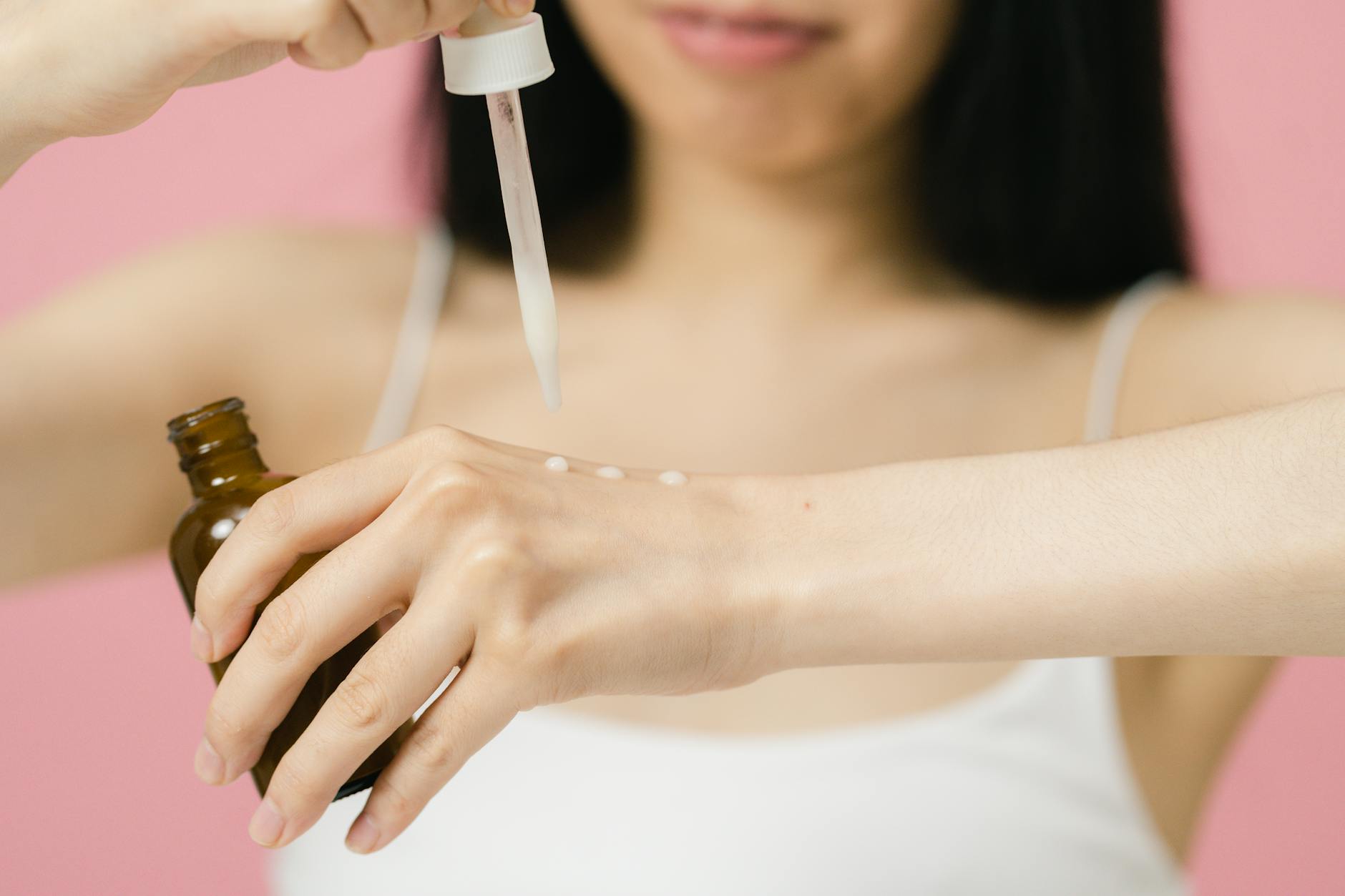
Integration with aromatherapy has proven particularly popular. Therapists use essential oil blends during cupping to address specific skin concerns – rosehip oil for anti-aging, tea tree for acne-prone skin, or lavender for sensitive complexions. The cupping process helps drive these active ingredients deeper into the skin.
Several clinics now offer “facial fusion” treatments that combine cupping with microcurrent therapy, LED light treatments, or enzyme masks. This multi-modal approach allows massage therapists to compete with medical spas while staying within their scope of practice.
The trend toward natural wellness solutions has created demand for chemical-free alternatives to traditional facials. Facial cupping fits this preference while offering visible results that satisfy clients accustomed to more aggressive cosmetic procedures.
The facial cupping trend shows no signs of slowing as more massage therapists recognize its potential to differentiate their practices and increase revenue. With proper training and certification, this ancient technique is helping massage therapy professionals expand their anti-aging service offerings while meeting growing consumer demand for natural wellness solutions. As the wellness industry continues to embrace traditional healing modalities, facial cupping represents a compelling bridge between ancient wisdom and modern spa expectations.
Frequently Asked Questions
How is facial cupping different from body cupping?
Facial cupping uses smaller cups with lighter suction and dynamic movement to avoid bruising while promoting circulation and lymphatic drainage.
What training do massage therapists need for facial cupping?
Most certification programs require 16-24 hours covering facial anatomy, contraindications, and hands-on practice with specialized techniques.