

Cargo pants spotted on Balenciaga runways. Military jackets commanding $2,000 price tags at Saint Laurent. Combat boots strutting down streets from Seoul to Stockholm. What began as practical battlefield gear has infiltrated luxury fashion’s highest echelons, transforming surplus stores into treasure troves for style-conscious consumers seeking authentic utility wear.
The military surplus revolution reflects a broader cultural shift toward functional fashion. As remote work blurred traditional dress codes and streetwear gained luxury legitimacy, fashion-forward individuals gravitated toward pieces that combine rugged durability with distinctive aesthetic appeal. Military surplus offers both authenticity and affordability that manufactured “military-inspired” pieces cannot match.
From Battlefield to Boutique: The Authentic Appeal
Military surplus represents the antithesis of fast fashion’s disposable mentality. These garments were engineered for extreme conditions, built to withstand combat scenarios that would destroy conventional clothing. A vintage M-65 field jacket from the 1970s still functions perfectly today, its cotton sateen shell and button-in liner system providing versatile layering options that modern designers attempt to replicate.
This authenticity resonates with consumers increasingly skeptical of manufactured narratives. While brands craft backstories about “military-inspired” collections, surplus shoppers acquire pieces with genuine service history. Each fade mark, repair patch, and worn edge tells a real story – creating a patina that cannot be artificially reproduced.
The technical specifications of military gear also appeal to fashion’s growing obsession with performance. Ripstop fabrics resist tearing. Reinforced stress points prevent failure. Pocket configurations maximize utility. These features, originally designed for soldiers, prove equally valuable for urban professionals navigating modern challenges.
Celebrity endorsements have accelerated surplus fashion’s mainstream adoption. Rihanna’s vintage military jacket collection reportedly includes pieces from multiple decades. Travis Scott frequently wears surplus field jackets during performances. These high-profile appearances demonstrate how military aesthetics translate seamlessly into contemporary style contexts.
Luxury Brands Embrace Military DNA
High-end fashion houses increasingly mine military archives for inspiration, but their astronomical price points have driven consumers toward authentic alternatives. A Bottega Veneta cargo pant retails for over $1,800, while genuine military surplus cargo pants cost under $50. This price disparity has created a thriving secondary market where knowledgeable shoppers acquire authentic pieces at fraction of designer costs.
Luxury brands’ military interpretations often sanitize the aesthetic, removing functional elements that define authentic military design. Designer “cargo” pants feature decorative pockets that cannot hold cargo. “Combat” boots lack the ankle support and sole durability required for actual combat. Surplus pieces retain their original functionality, offering genuine utility alongside distinctive appearance.
The craftsmanship of vintage military gear frequently exceeds contemporary luxury standards. American-made field jackets from the 1980s feature construction techniques abandoned by cost-conscious modern manufacturers. Double-stitched seams, metal hardware, and heavyweight fabrics represent quality levels that today’s luxury brands struggle to match at any price point.
This quality differential has created an interesting market dynamic. Fashion insiders increasingly prefer authentic surplus pieces over designer interpretations, viewing them as more honest representations of military aesthetic. The result is a reverse hierarchy where $40 surplus finds carry more credibility than $4,000 designer alternatives.
Street Style Integration and Styling Strategies
Military surplus requires thoughtful styling to avoid costume-like appearance. Successful integration involves balancing surplus pieces with contemporary elements, creating outfits that feel current rather than nostalgic. A vintage field jacket pairs effectively with slim jeans and minimalist sneakers, while surplus cargo pants work well with fitted tops and structured accessories.
Color coordination plays a crucial role in military surplus styling. Olive drab, the military’s dominant color, complements earth tones, neutrals, and surprisingly, certain pastels. Fashion-forward stylists use olive as a neutral base, building outfits around its versatile undertones. Black military pieces offer easier integration but lack olive’s distinctive character.
Fit modifications often improve surplus pieces’ contemporary appeal. Military clothing prioritizes function over form, resulting in boxy silhouettes that benefit from tailoring. Professional alterations can transform oversized field jackets into fitted statement pieces while preserving authentic details. This customization approach allows wearers to maintain surplus authenticity while achieving modern proportions.
Layering techniques maximize military surplus versatility. Field jackets function as outer layers over hoodies, mid-layers under overcoats, or standalone pieces depending on weather conditions. This adaptability explains surplus fashion’s appeal among urban dwellers who navigate varying environmental conditions throughout single days.
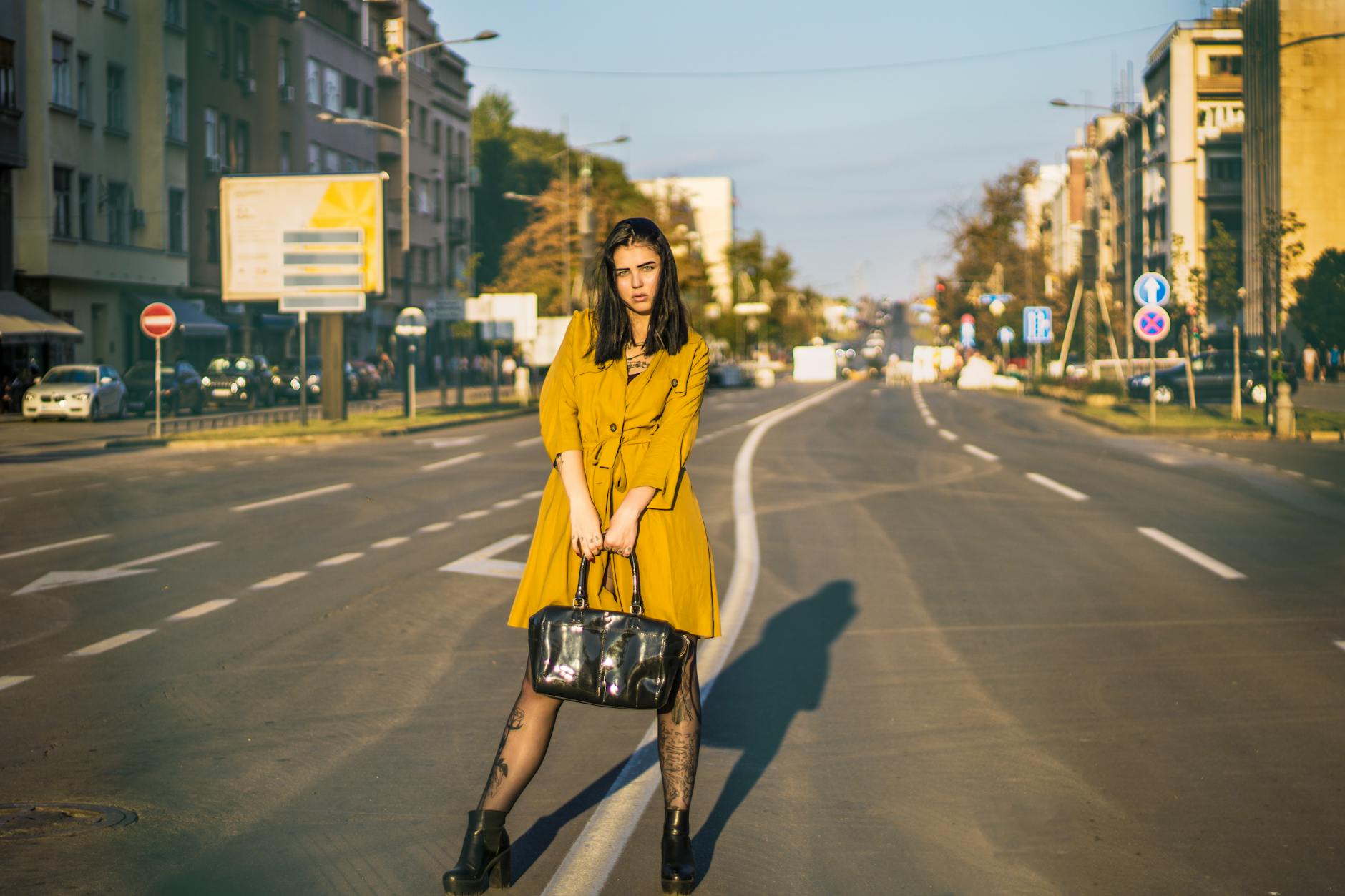
The mixing of surplus pieces with luxury accessories creates compelling style tension. Vintage combat boots paired with designer handbags generate visual interest through unexpected juxtaposition. This high-low mixing strategy has become a signature approach among fashion influencers seeking distinctive personal style.
The Economics of Military Fashion
Military surplus represents exceptional value in today’s inflated fashion market. Genuine leather combat boots that would cost $800 from designer brands sell for $60-100 in surplus stores. This affordability democratizes access to high-quality, distinctive pieces previously reserved for fashion elite willing to pay premium prices for military-inspired designs.
The sustainability angle adds another dimension to surplus appeal. Purchasing surplus extends garment lifecycles, preventing functional clothing from entering waste streams. This environmental consciousness aligns with growing consumer awareness about fashion’s ecological impact. Surplus shopping represents practical sustainability action rather than symbolic gesture.
Similar to how luxury brands collaborate with fast food chains to reach broader audiences, military surplus allows fashion enthusiasts to access authentic utility aesthetics without luxury price barriers. This accessibility has sparked creative styling approaches that would be financially impossible with designer military interpretations.
International surplus markets offer additional variety and value. German bundeswehr pieces feature different cuts and colors than American military surplus. British DPM camouflage patterns provide alternatives to standard woodland prints. These international options allow style-conscious consumers to develop unique aesthetic signatures through careful sourcing.
The military surplus trend shows no signs of declining. As fashion continues embracing functionality and authenticity, surplus stores will likely experience sustained demand from style-conscious consumers seeking genuine alternatives to manufactured military aesthetics. The challenge for retailers will be maintaining adequate inventory as mainstream adoption increases demand for historically niche products.
Future developments may include specialized surplus boutiques that curate military pieces specifically for fashion applications. These hybrid retail concepts could bridge the gap between traditional surplus stores and contemporary fashion retail, making authentic military aesthetics more accessible to mainstream consumers while preserving the authentic character that makes surplus fashion compelling.
Frequently Asked Questions
Why is military surplus becoming popular in fashion?
Military surplus offers authentic utility aesthetics, superior durability, and affordable prices compared to expensive designer military-inspired pieces.
How do you style military surplus pieces for modern looks?
Balance surplus pieces with contemporary elements, focus on fit and tailoring, and use strategic layering to create current rather than costume-like appearances.