

Virgil Abloh changed everything when he turned a vintage military flight suit into a $2,000 Off-White runway piece in 2019. What started as a $30 army surplus find became the blueprint for luxury fashion’s newest obsession: mining military surplus stores for inspiration and raw materials.
The transformation didn’t happen overnight. Designers have long borrowed from military aesthetics, but the current trend goes deeper than surface-level camo prints. Major fashion houses are now sourcing authentic surplus gear, deconstructing it, and rebuilding pieces that retain their utilitarian DNA while commanding premium prices.
Heron Preston has been particularly vocal about this approach, frequently posting Instagram stories from surplus shopping trips where he hunts for vintage NATO straps, military pouches, and flight jackets. His brand’s signature orange safety tape often appears alongside repurposed military webbing and hardware sourced directly from surplus dealers.
From Functional to Fashionable
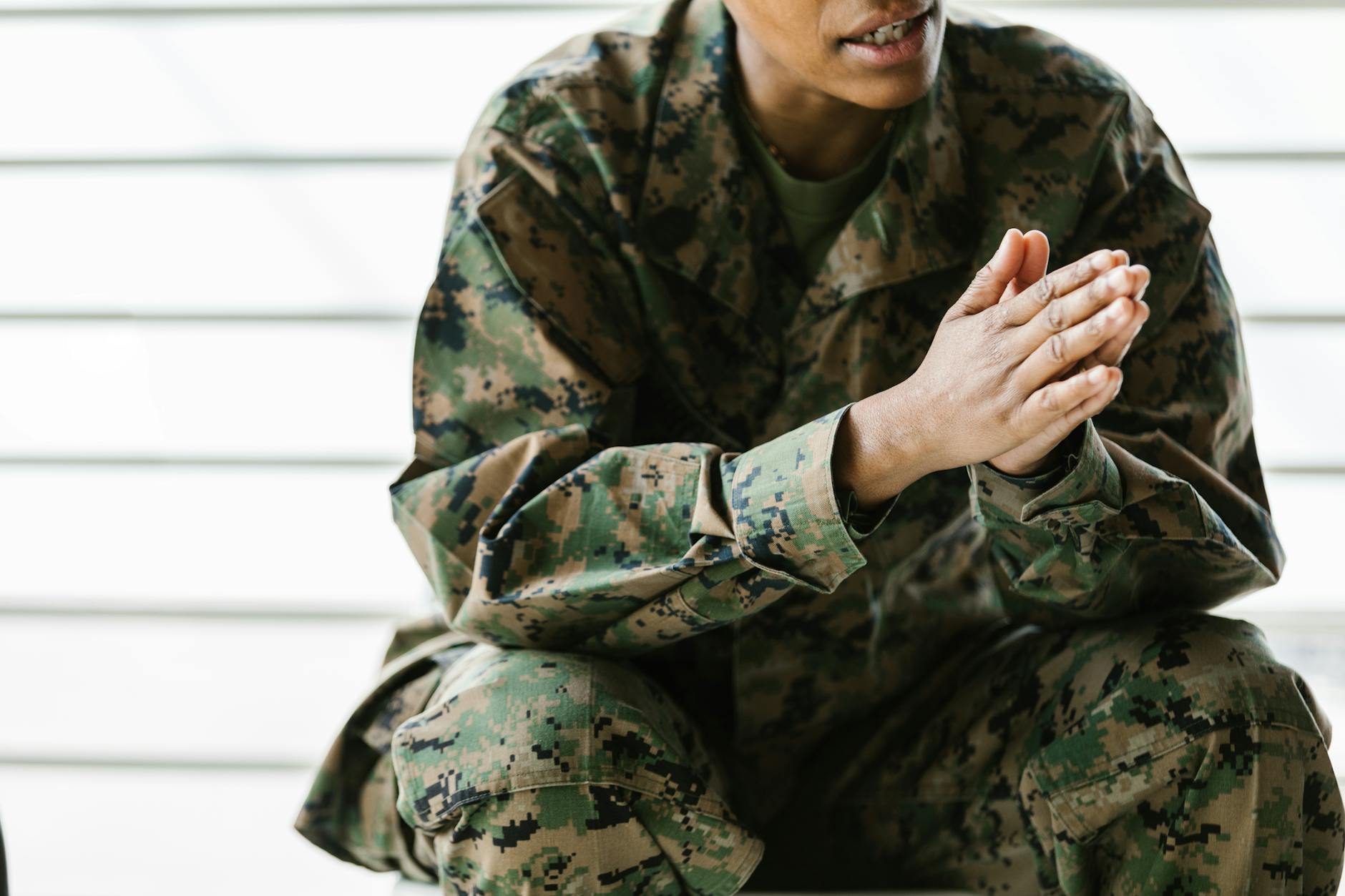
The appeal lies in authenticity that can’t be manufactured. A genuine military cargo pocket has wear patterns and construction details that distinguish it from civilian imitations. Brands like Stone Island and C.P. Company have built reputations on studying military garments down to their button threading and seam construction.
Demna Gvasalia at Balenciaga has taken this philosophy to extremes, sending models down runways in deconstructed flak jackets and reconstructed parachute pants. The Spring 2023 collection featured several pieces that began life as actual military surplus before being torn apart and reassembled with couture techniques.
The process isn’t simple appropriation. Surplus stores report that designers often purchase items in bulk, studying construction methods and fabric treatments that have been tested under extreme conditions. Military specifications for durability, weather resistance, and functionality provide a research foundation that civilian fashion brands struggle to replicate from scratch.
Matthew Williams at Givenchy has spoken about the “honesty” of military design, where every element serves a purpose. His collections frequently feature hardware and closure systems lifted directly from tactical gear, reimagined for civilian wear but retaining their original functionality.
The Economics of Military Chic
Surplus store owners have noticed the fashion industry’s increased attention. Mike Chen, who runs three surplus locations in Los Angeles, reports that his customer base has shifted dramatically over the past five years. Where he once primarily served collectors and outdoor enthusiasts, he now sees regular visits from fashion buyers and emerging designers.
“They’re not just looking at the obvious pieces,” Chen explains. “They want medical pouches, radio holsters, specialized straps. Things most people wouldn’t give a second look.”
The economic model makes sense for both sides. Surplus stores move inventory that might otherwise sit for years, while designers access unique materials and construction details without the research and development costs of creating them from scratch. A military radio pouch might cost $15 at surplus but inspire a $400 designer crossbody bag.
This trend has also opened opportunities for smaller designers who lack the resources for extensive material development. Brands like Neighborhood and WTAPS have built entire identities around military surplus reconstruction, turning army pants into streetwear staples and flight suits into collector pieces.
The rise has coincided with consumer appetite for “authentic” fashion experiences. Gen Z consumers especially gravitate toward pieces with genuine history and provenance. A jacket that served in actual military contexts carries narrative weight that new productions can’t match.
Technical Innovation Meets Street Style
Beyond aesthetics, military surplus offers technological advantages that fashion brands are eager to exploit. Fabrics developed for combat conditions often feature properties that civilian textiles lack: flame resistance, water repellency, infrared reflection, and extreme durability.
Acronym, the technical fashion brand, has long sourced military-grade materials, but mainstream labels are now following suit. The bulletproof materials trend in designer fashion has roots in this same philosophy, where protective technologies migrate from tactical to commercial applications.
Gore-Tex, now ubiquitous in outdoor wear, originated in military applications. Current surplus stores stock items featuring advanced textile technologies that haven’t yet reached civilian markets, making them valuable resources for forward-thinking designers.
The reconstruction process often reveals clever design solutions that military engineers developed decades ago. Multi-use elements, modular attachment systems, and space-efficient storage solutions inform contemporary fashion design in ways that purely aesthetic inspiration cannot.
Rick Owens has extensively used surplus parachute fabric in his collections, praising its unique drape and the way it ages. The material’s original purpose – safely delivering soldiers to earth – becomes part of the garment’s story, adding layers of meaning beyond simple fashion.
Cultural Impact and Future Directions
This trend reflects broader cultural shifts toward sustainability and authenticity in fashion. Rather than creating new materials from scratch, designers are finding value in existing resources that would otherwise go unused. It’s a form of high-fashion upcycling that reduces waste while creating genuinely unique pieces.
The military surplus fashion movement also taps into current cultural fascination with tactical aesthetics and preparedness culture. Instagram feeds filled with tactical gear and outdoor survival content have normalized military-inspired fashion elements beyond traditional streetwear communities.
Looking ahead, the relationship between surplus stores and luxury fashion will likely deepen. Some designers are already establishing direct relationships with military surplus suppliers, creating pipeline access to specific types of gear as it becomes available.
As bulletproof materials continue entering designer fashion, the military surplus connection will only strengthen. What began as designers raiding army navy stores for inspiration has evolved into a systematic approach to material sourcing and design philosophy.
The trend shows no signs of slowing. As long as consumers value authenticity, functionality, and unique provenance in their fashion choices, military surplus stores will remain an unlikely but essential pipeline for luxury fashion innovation.
Frequently Asked Questions
Why are luxury brands using military surplus?
Military surplus offers authentic materials, proven durability, and unique construction details that can’t be replicated in civilian manufacturing.
Which designers are known for military surplus fashion?
Virgil Abloh, Heron Preston, Demna Gvasalia at Balenciaga, and Rick Owens have notably incorporated genuine military surplus into their collections.