

Healthcare workers have unknowingly become fashion’s most influential trendsetters. The same scrubs worn during grueling 12-hour shifts are now inspiring luxury athleisure collections that retail for ten times the price of their medical counterparts.
The crossover began subtly. Fashion designers noticed the functional elements that make medical scrubs essential for healthcare professionals: moisture-wicking fabrics, strategic ventilation panels, reinforced stress points, and pockets designed for maximum utility. These features, born from necessity in high-pressure medical environments, translate perfectly to the demands of modern athleisure consumers who want clothing that performs as well as it looks.
Lululemon’s recent “Essential Worker” collection draws heavily from medical uniform design principles, featuring side panels similar to scrub construction and cargo-style pockets reminiscent of surgical attire. The collection’s four-way stretch fabric technology mirrors the movement requirements healthcare workers need when administering patient care.
From Hospital Floors to Runway Shows
The transformation of medical workwear into luxury fashion isn’t happening by accident. Several high-end brands have hired former healthcare uniform designers to bring authentic functionality to their collections. Outdoor Voices collaborated with FIGS, a medical apparel company, to create their “Professional Performance” line that incorporates antimicrobial fabric treatments originally developed for surgical environments.
The influence extends beyond basic functionality. Color palettes traditionally associated with medical settings – sage greens, navy blues, and clean whites – have become staples in premium athleisure collections. These colors originally served practical purposes in medical settings: hiding minor stains while maintaining a professional appearance.
Alo Yoga’s newest releases feature the same flat-seam construction found in quality scrubs, eliminating bulk and reducing chafing during extended wear. Their designers studied how medical professionals move throughout their shifts, incorporating those movement patterns into the cut and construction of their workout wear.
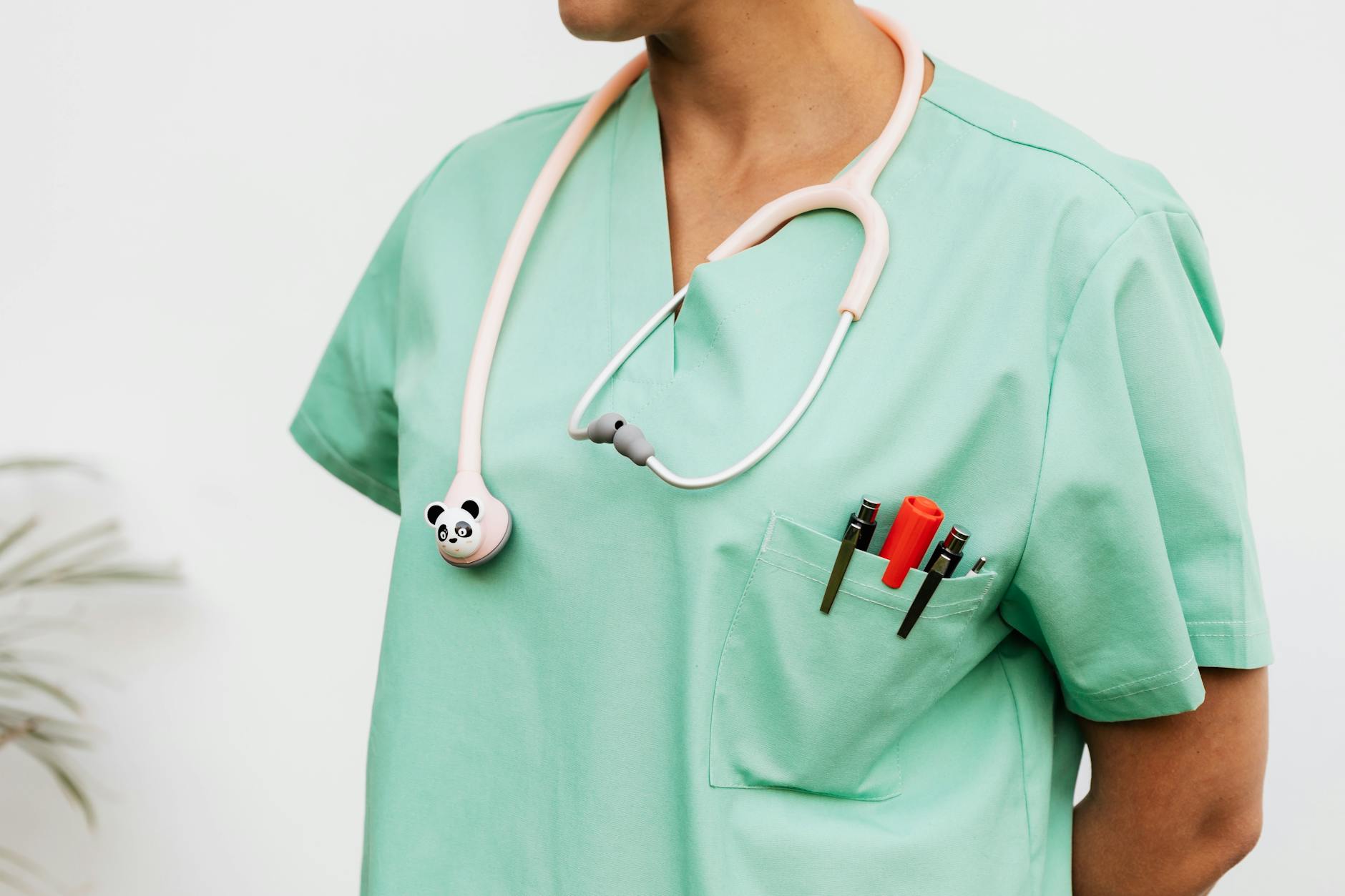
The pocket placement revolution came directly from scrub design. Healthcare workers need immediate access to essential tools – pens, phones, badges, and medical equipment. Luxury brands like Athleta now feature similar strategic pocket placement in their pieces, allowing consumers to carry essentials without compromising the garment’s aesthetic lines.
The Science Behind Medical-Inspired Materials
Medical scrubs must meet stringent performance standards that luxury fashion brands are now adopting. Fabric treatments that resist bacterial growth, originally developed for hospital environments, have found their way into high-end workout wear. These antimicrobial properties extend the time between washes while maintaining freshness during intense activities.
Temperature regulation technology, crucial for healthcare workers who experience varying environmental conditions throughout their shifts, has become a selling point for premium athleisure. Brands like Sweaty Betty incorporate moisture management systems that draw perspiration away from the body – the same technology that keeps surgeons comfortable during lengthy procedures.
The durability standards required for medical uniforms far exceed typical fashion garment requirements. Healthcare workers need clothing that withstands frequent washing, bleaching, and extended wear while maintaining structural integrity. Luxury brands have adopted these construction standards, creating athleisure pieces that justify premium pricing through exceptional longevity.
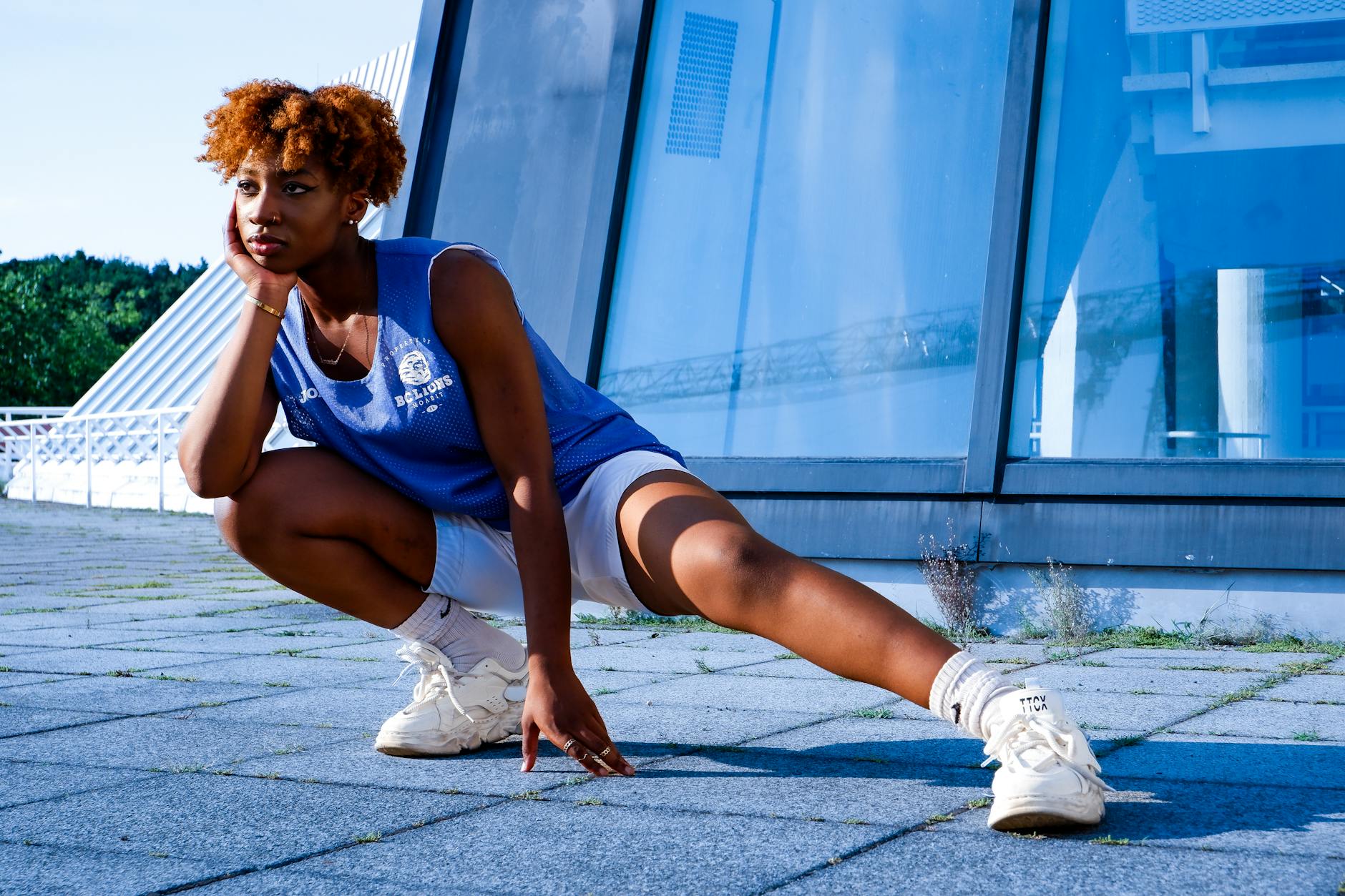
Stretch recovery technology, essential for medical professionals who spend hours bending, lifting, and moving, has revolutionized athleisure fit. Fabrics that return to their original shape after stress maintain the polished appearance healthcare workers need while providing the flexibility luxury consumers expect from their workout wear.
Designer Collections Embrace Medical Aesthetics
Major fashion houses have begun incorporating overtly medical-inspired elements into their collections. Acne Studios featured oversized scrub-style tops in their recent runway show, while Ganni’s utilitarian pieces draw clear inspiration from healthcare workwear silhouettes.
The minimalist aesthetic inherent in medical uniforms appeals to contemporary fashion sensibilities. Clean lines, functional details, and purposeful construction align with current trends toward conscious consumption and versatile wardrobing. Consumers increasingly value pieces that transition seamlessly from workout to errands to casual social settings – exactly what healthcare workers need from their professional attire.
Professional workwear’s influence on fashion has historical precedent, as military surplus has long inspired luxury fashion, but the medical uniform influence feels particularly relevant to current lifestyle demands.
Bottega Veneta’s recent casual wear line features the same relaxed fit and practical details found in medical scrubs, elevated through premium fabrication and refined finishing. The brand’s interpretation maintains the functional benefits while adding luxury touches like Italian-milled fabrics and architectural seaming.
The Business Impact of Medical-Inspired Design
The medical workwear-inspired trend has proven commercially successful. Brands incorporating these elements report increased customer loyalty and higher price tolerance. Consumers appreciate the authenticity of function-driven design, especially when it comes from genuine workplace needs rather than invented athletic scenarios.
Wholesale medical uniform suppliers have noticed fashion brands requesting samples and technical specifications. Some have launched direct-to-consumer lines that bridge the gap between medical functionality and fashion aesthetics, creating premium scrubs for healthcare workers and medical-inspired pieces for general consumers.
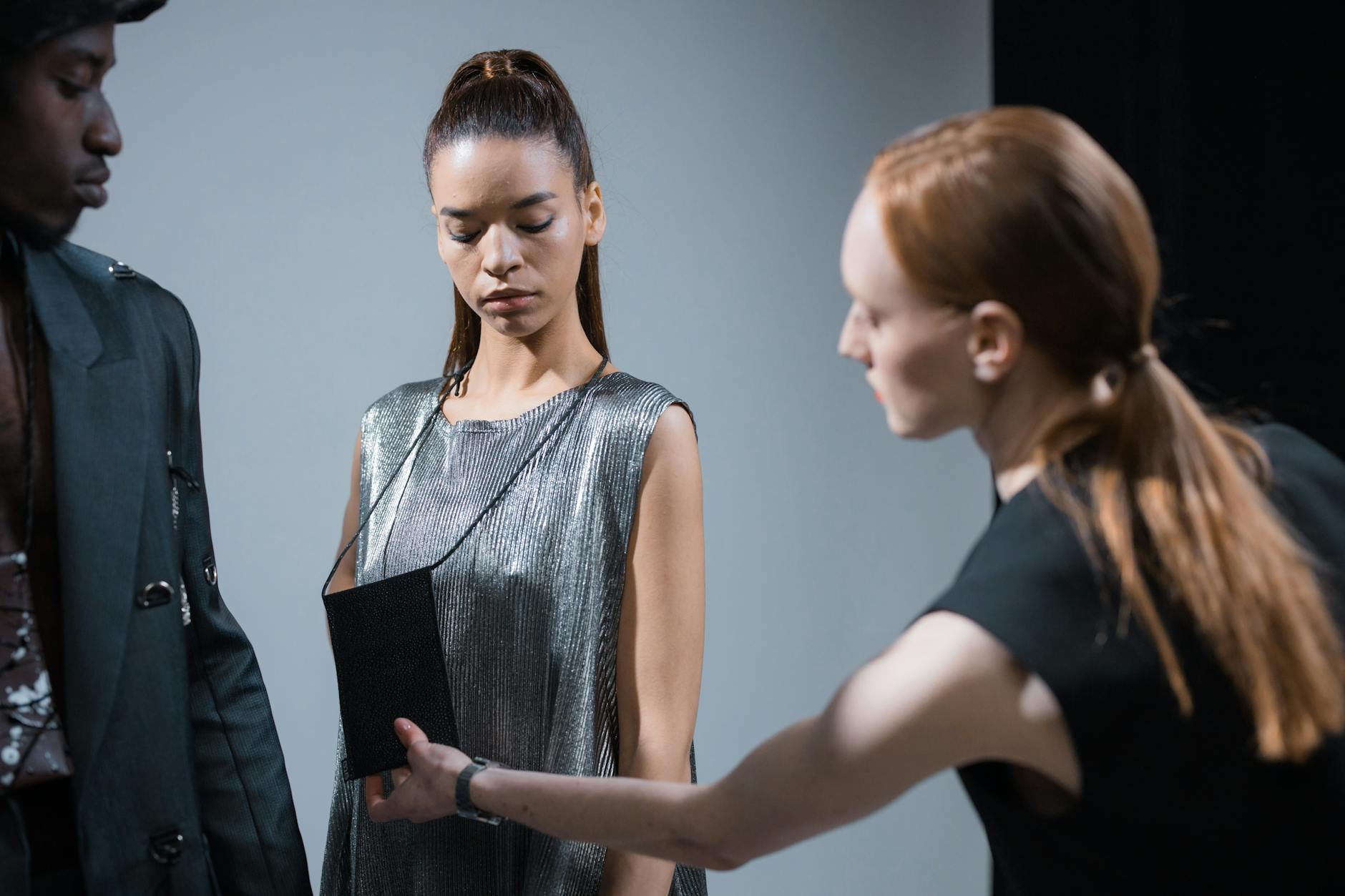
The trend reflects broader shifts in how consumers approach clothing purchases. Post-pandemic awareness of healthcare workers’ essential role has created appreciation for the practical demands of their uniforms. Fashion brands capitalizing on this recognition are finding receptive audiences who understand the value of truly functional design.
The crossover influence has also elevated the medical uniform industry itself. Companies like FIGS and Jaanuu have repositioned medical scrubs as lifestyle products, using fashion marketing techniques and premium materials to serve healthcare workers who want functional clothing that doesn’t compromise on style – much like ballet flats have found renewed purpose in professional settings.
As consumers become more discerning about clothing investments, the proven performance of medical-inspired design elements offers tangible value. The trend suggests a future where fashion draws increasingly from professions that demand genuine functionality, creating clothing that serves both aesthetic and practical needs with equal sophistication.
Frequently Asked Questions
Which luxury brands are using medical scrub-inspired designs?
Lululemon, Alo Yoga, Athleta, and Outdoor Voices have incorporated medical uniform elements into their athleisure collections.
What specific features from scrubs are appearing in athleisure?
Strategic pocket placement, antimicrobial fabric treatments, moisture-wicking materials, and flat-seam construction are key elements being adopted.