


Luxury brands once dismissed plant-based leather as a cheap substitute that would never match the quality, durability, and feel of genuine hide. That skepticism is rapidly disappearing as breakthrough materials achieve performance metrics that rival traditional leather while offering sustainability benefits that modern consumers demand.
The transformation happened faster than industry experts predicted. Major fashion houses including Stella McCartney, Hermès, and Kering brands have moved beyond experimental capsule collections to incorporating these materials into their core lines. What changed wasn’t just environmental awareness – the materials themselves reached a quality threshold that makes the switch viable for even the most discerning luxury customers.
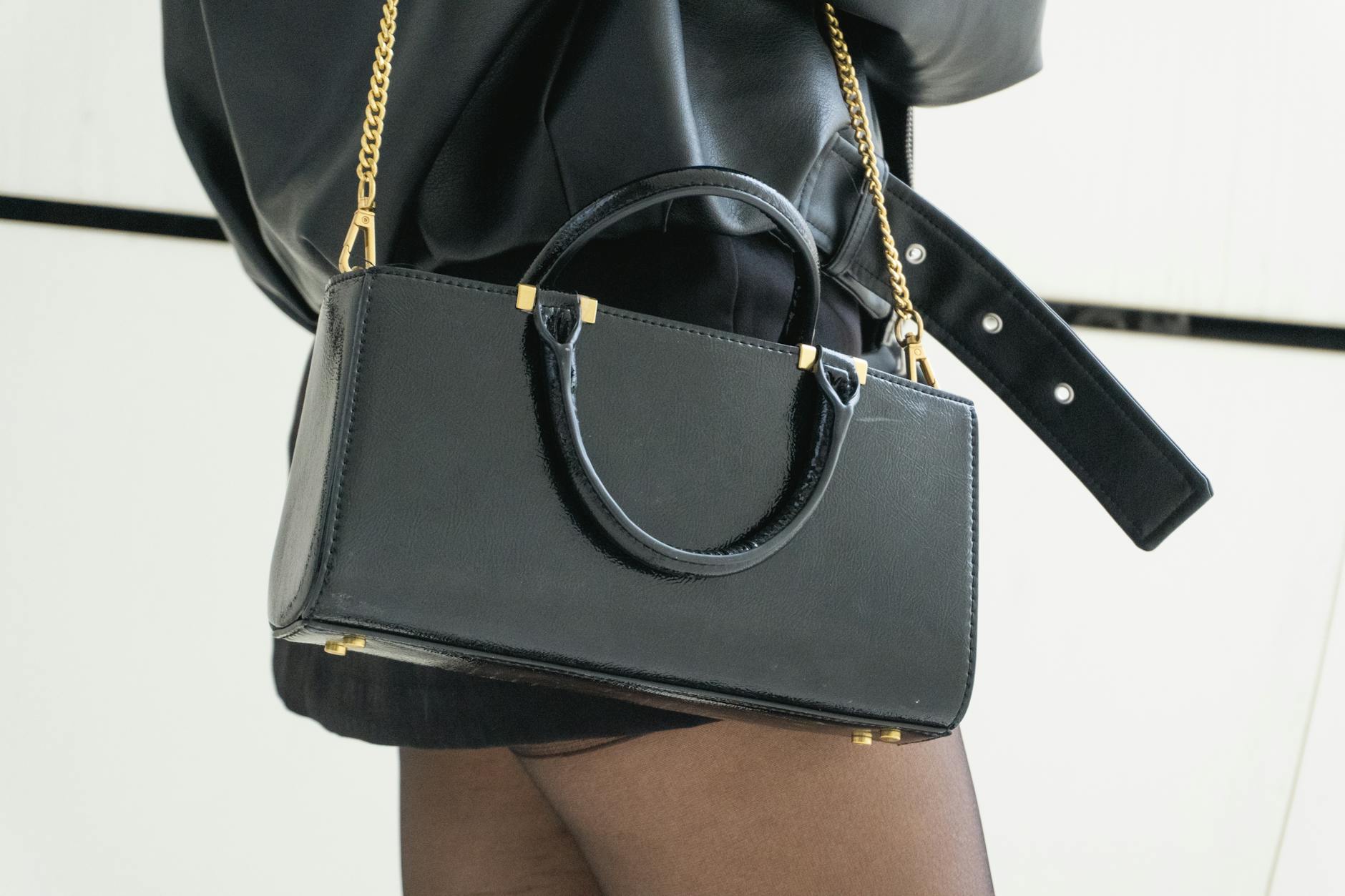
The Science Behind the Breakthrough
Advanced plant-based leathers now match traditional leather in key performance areas that matter most to consumers: tear resistance, water resistance, and aging characteristics. Materials made from mushroom mycelium, pineapple leaves, and apple waste have achieved tensile strength ratings comparable to cowhide through innovative processing techniques that weren’t available even five years ago.
Bolt Threads’ Mylo material, grown from mushroom roots, demonstrates flexibility and durability metrics that meet luxury handbag requirements. Similarly, Piñatex, made from pineapple leaf waste, has proven its longevity in products from Hugo Boss and H&M that have been in market for over three years. These materials don’t just look like leather – they perform like leather in real-world conditions.
The breakthrough came from understanding leather’s cellular structure and replicating those properties in plant-based alternatives. Traditional leather owes its strength to collagen fibers arranged in specific patterns. Modern plant-based materials achieve similar results through controlled fiber alignment during production, creating comparable strength without animal products.
Major Brand Adoption Signals Market Shift
Hermès made headlines with its Victoria bag collection featuring mushroom-based leather, signaling that even ultra-luxury brands see viable alternatives. The French house’s decision carries particular weight given their reputation for craftsmanship and material quality standards that have remained unchanged for generations.
Adidas has committed to using only recycled polyester and plant-based materials by 2024, with their mushroom leather Stan Smith sneakers leading the charge. Nike’s Space Hippie line incorporates pineapple-based materials that maintain the performance standards athletes expect while reducing environmental impact.
These aren’t marketing stunts or limited editions – major brands are restructuring supply chains around these materials. Kering, which owns Gucci, Saint Laurent, and Bottega Veneta, invested in biotechnology company Bolt Threads and committed to using their materials across multiple brands. This level of investment indicates confidence that plant-based alternatives can meet luxury standards at scale.

The economics support the quality claims. Premium plant-based leathers now command prices within 10-20% of traditional leather, a gap that continues narrowing as production scales up. This pricing reflects genuine performance parity rather than sustainability premiums that consumers might tolerate for inferior products.
Performance Testing Reveals Surprising Results
Independent testing by luxury goods manufacturers shows plant-based materials performing better than traditional leather in several key areas. Mushroom-based materials demonstrate superior water resistance without the chemical treatments required for cowhide. Apple-based leathers show less color fading under UV exposure than many traditional dyed leathers.
Durability testing that simulates years of use reveals plant-based materials maintaining their appearance and structural integrity as well as premium cowhides. Some materials actually improve with age, developing patinas that enhance rather than diminish their appearance – a quality previously associated only with the finest traditional leathers.
The touch and feel challenge – long considered the biggest hurdle for alternatives – has been largely solved. Modern plant-based materials offer the tactile experience that luxury consumers expect, with appropriate weight, texture, and even scent profiles that satisfy quality standards.
Processing innovations allow for customization that traditional leather cannot match. Manufacturers can adjust thickness, flexibility, and surface texture during production rather than working within the constraints of animal hide characteristics. This control enables better material consistency and opens design possibilities not available with traditional leather.
Industry Transformation Accelerates
The shift represents more than material substitution – it’s driving innovation across the entire leather goods industry. Traditional tanneries are retooling facilities for plant-based production, leveraging decades of finishing expertise to improve these new materials further.
Italian leather suppliers, renowned for quality craftsmanship, are leading plant-based material development. Companies like Vegea in Milan produce materials from wine industry waste that meet the exacting standards Italian luxury brands demand. This geographic clustering in traditional leather centers ensures knowledge transfer that accelerates quality improvements.
Similar to how athletic wear brands are partnering with luxury hotels to expand their reach, plant-based leather companies are forming strategic alliances with traditional manufacturers to scale production while maintaining quality standards.
Investment in production infrastructure continues growing, with new facilities planned across Europe and North America. These investments focus on achieving luxury-grade materials at volumes that can support major brand requirements – a clear signal that industry leaders see plant-based alternatives as permanent rather than temporary solutions.
The next phase will see even more sophisticated materials entering the market. Companies are developing plant-based alternatives that not only match traditional leather but exceed its performance in specific applications. Some materials offer better breathability for footwear, while others provide superior durability for handbags subjected to daily use.
Plant-based leather has crossed the quality threshold that makes it a genuine alternative rather than a compromise choice. As production scales and prices normalize, the question shifts from whether these materials can match traditional leather to whether traditional leather can compete with the design flexibility, consistency, and environmental benefits that plant-based alternatives offer. The leather industry’s future looks decidedly more plant-based.
Frequently Asked Questions
Does plant-based leather last as long as real leather?
Modern plant-based leathers demonstrate comparable durability to traditional leather in independent testing, with some materials showing superior aging characteristics.
Why are luxury brands switching to plant-based leather?
Quality improvements now meet luxury standards while offering design flexibility, material consistency, and environmental benefits that traditional leather cannot match.