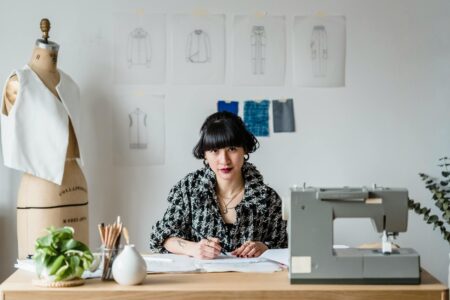


The conference room falls silent except for the rhythmic sound of needles piercing fabric. Twenty-five executives, lawyers, and tech professionals sit hunched over sewing machines, their smartphones forgotten as they focus on creating perfect seams. This isn’t a team-building exercise gone wrong – it’s the new way stressed professionals are finding inner peace.
Sewing classes have exploded in popularity among high-stress careers, with enrollment at craft studios increasing 340% over the past two years. What was once considered a domestic skill relegated to home economics classes has transformed into the meditation practice of choice for burned-out professionals seeking hands-on stress relief.
The Corporate Exodus to Craft Studios
Manhattan’s Mood Fabrics reports that 60% of their evening class attendees work in finance, law, or tech. Sarah Chen, a private equity manager who recently started taking weekend sewing workshops, describes the appeal: “I spend twelve hours a day staring at screens, making split-second decisions worth millions. When I’m sewing, my mind finally quiets down. There’s something deeply satisfying about creating something tangible with my hands.”
The shift represents a broader movement away from traditional wellness practices. While yoga studios struggled during the pandemic, sewing and craft workshops have seen unprecedented demand. Brooklyn’s Make Workshop doubled their class offerings and still maintains a three-month waiting list for beginner sessions.
Corporate wellness programs have taken notice. Goldman Sachs recently partnered with the Fashion Institute of Technology to offer monthly sewing workshops for employees. The sessions, initially met with skepticism, now fill up within hours of being posted on the company’s internal portal.
The Science Behind Needle and Thread Therapy
Neuroscientists studying the phenomenon have found compelling evidence for sewing’s stress-reducing effects. Dr. Maria Rodriguez at Stanford’s Wellness Research Institute explains that the repetitive motions involved in hand-sewing trigger the same relaxation response as meditation, lowering cortisol levels and activating the parasympathetic nervous system.
“Unlike yoga or meditation, which can feel abstract to analytical minds, sewing provides immediate, tangible results,” Rodriguez notes. “You can see and touch your progress, which releases dopamine and creates a positive feedback loop.”
The bilateral nature of sewing – using both hands in coordinated movements – also helps integrate the brain’s hemispheres, improving focus and reducing anxiety. This neurological benefit explains why many participants report better sleep and improved concentration at work after regular sewing sessions.
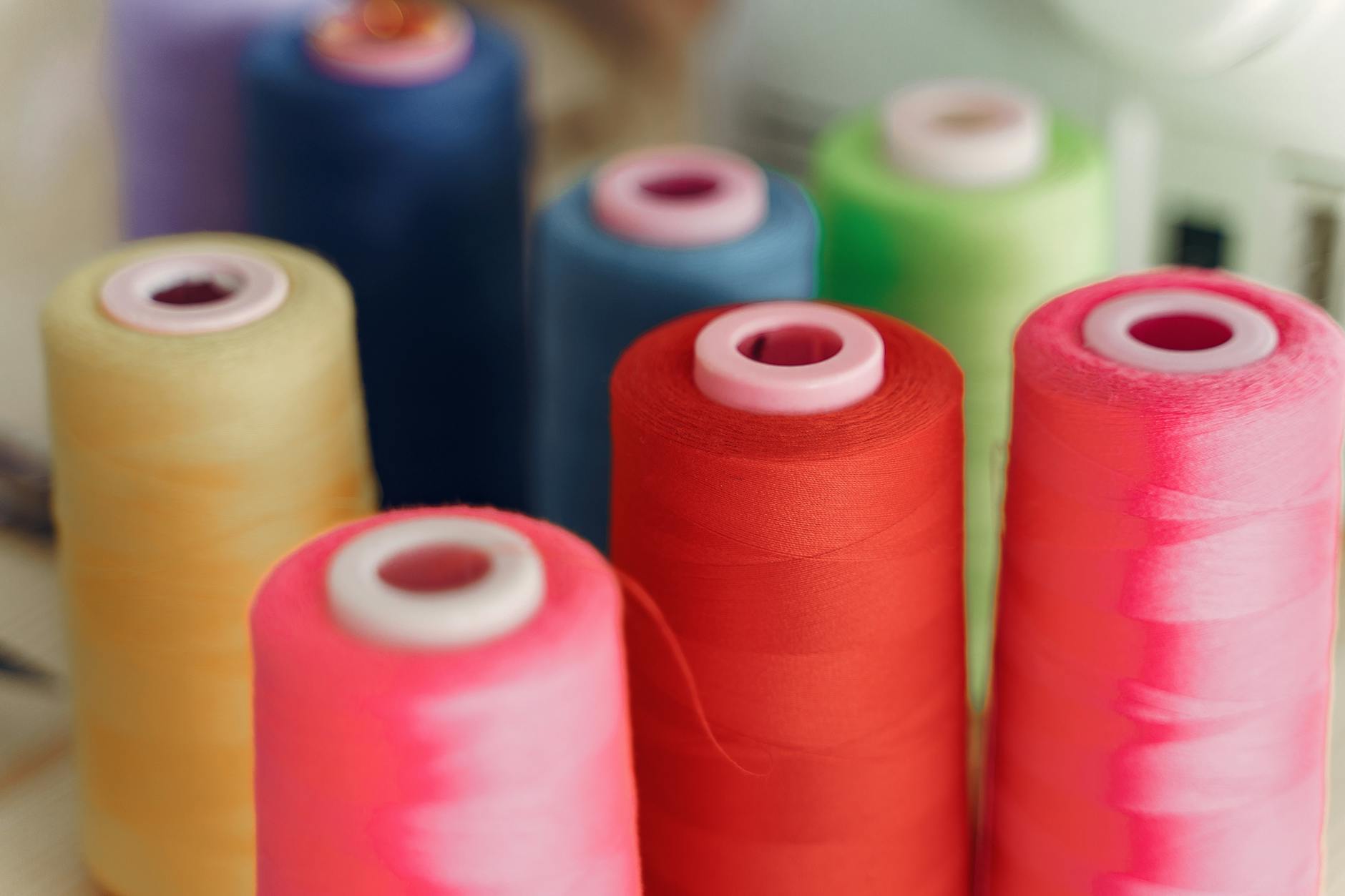
Research from the University of Pennsylvania found that participants in a 12-week sewing program showed 23% lower stress hormone levels compared to a control group practicing traditional mindfulness meditation. The study’s lead researcher, Dr. Jennifer Walsh, attributes this to what she calls “productive meditation” – the ability to quiet mental chatter while creating something useful.
From Boardroom to Sewing Room
The demographic shift has prompted sewing instructors to adapt their teaching methods. Traditional craft stores like Jo-Ann Fabrics have launched “Executive Sewing” programs, offering classes specifically designed for time-pressed professionals. These sessions focus on practical projects that can be completed in 2-3 hours, from laptop sleeves to minimalist tote bags.
Michael Torres, a corporate lawyer who started sewing during the pandemic, now teaches weekend workshops for other professionals. “Lawyers are natural perfectionists, which translates beautifully to precision sewing,” he observes. “But the key difference is that sewing mistakes can be fixed, unlike court briefs or contracts. It teaches you to be gentler with yourself.”
The social aspect has proven equally important. Many participants form lasting friendships through shared struggles with pattern reading and zipper installation. These connections often feel more authentic than typical networking events, built around vulnerability and mutual learning rather than professional advancement.
Some entrepreneurs have built entire businesses around this trend. Just as military surplus has found new life in luxury fashion, traditional crafts are being repackaged for modern professional needs.
The Economic Thread
The sewing revival has created unexpected economic ripples. Independent fabric stores, many of which struggled during the rise of fast fashion, are experiencing a renaissance. Retailers report that professional sewers tend to invest in higher-quality materials, driving up average transaction values.
Equipment sales have surged accordingly. Bernina, a Swiss sewing machine manufacturer, reports that sales of their mid-range machines to first-time buyers have increased 180% since 2022. The company has responded by creating “starter packages” specifically marketed to professionals, complete with ergonomic chairs and adjustable lighting systems.
The trend has also influenced fashion consumption patterns. Professionals who learn to sew develop greater appreciation for construction quality and often reduce their fast fashion purchases in favor of fewer, better-made pieces – or garments they create themselves.
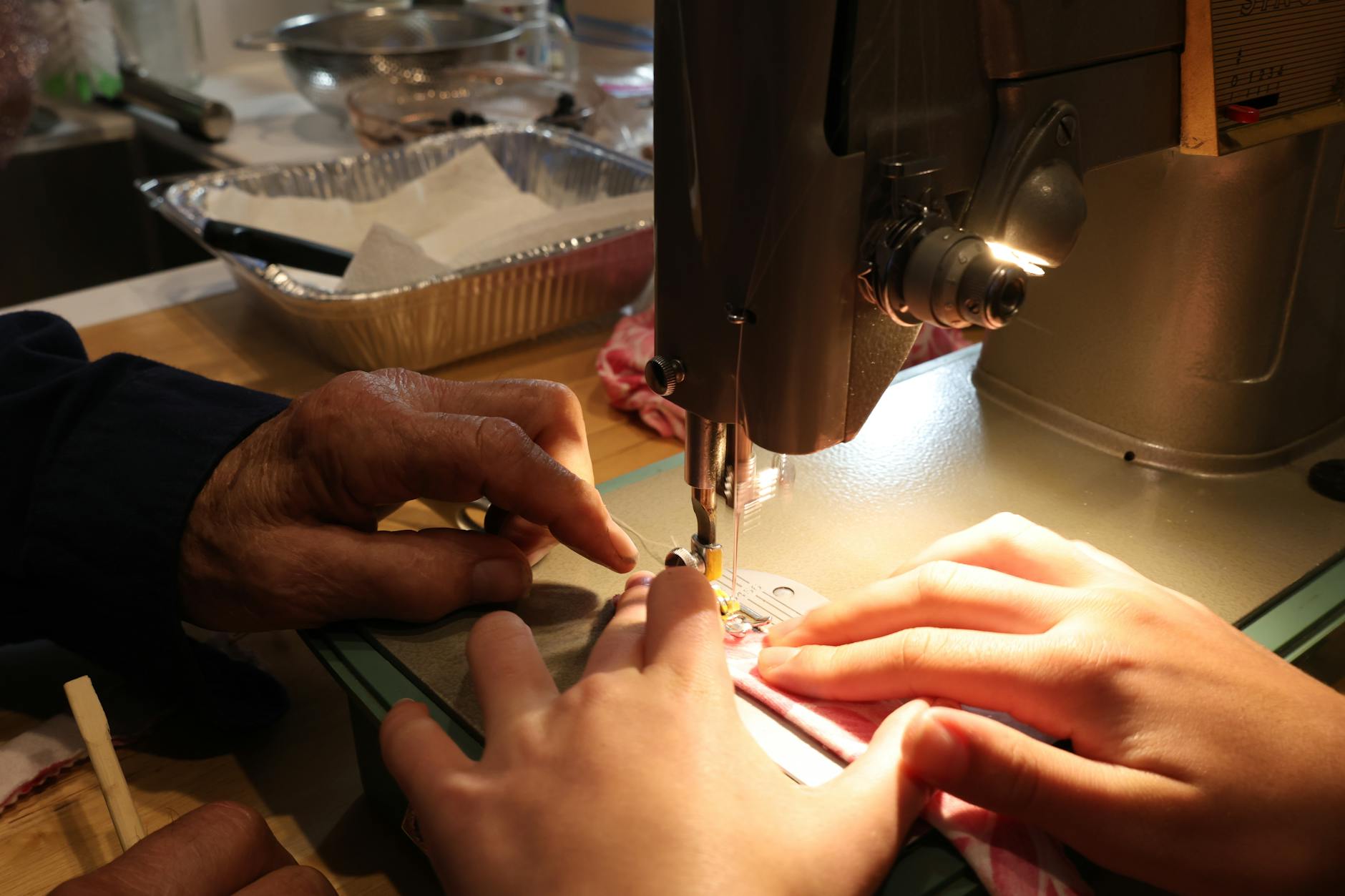
Fashion schools have noticed increased interest in continuing education programs from career-changers. Parsons School of Design reports a 40% increase in applications for their adult education sewing courses, with many students citing stress relief as their primary motivation rather than career change.
Threading the Future
As remote work permanently alters professional landscapes, sewing classes represent a counter-trend toward tactile, physical activities that screens cannot replicate. The practice offers something that digital wellness apps cannot: the satisfaction of creating something permanent and useful with one’s hands.
Industry observers predict this trend will continue expanding beyond traditional craft studios. Co-working spaces are beginning to incorporate sewing stations alongside coffee bars and phone booths. Some predict that basic sewing skills may become as common among professionals as yoga once was, representing a fundamental shift in how high-achievers manage stress and find creative fulfillment outside their careers.
The thread connecting ancient craft to modern wellness appears stronger than ever, suggesting that sometimes the best way forward involves looking back to skills our grandparents took for granted.
Frequently Asked Questions
Why are professionals choosing sewing over yoga for stress relief?
Sewing provides immediate, tangible results that appeal to analytical minds, while the repetitive motions trigger the same relaxation response as meditation.
What types of sewing classes work best for busy professionals?
Executive sewing programs focus on practical 2-3 hour projects like laptop sleeves and tote bags that fit into professional schedules.