


Gone are the days when Silicon Valley executives dressed like college students heading to their first computer science lecture. Tech’s most powerful leaders are now making bold statements with jewelry that would make a Medici prince envious – and it’s reshaping how we think about corporate style in America’s innovation capital.
From chunky gold chains worn over hoodies to statement rings that catch the light during board meetings, the tech industry’s relationship with maximalist accessories has undergone a dramatic transformation. Where minimalism once reigned supreme, today’s Silicon Valley power players are embracing pieces that demand attention and signal success in ways their stock options never could.
The shift represents more than just changing fashion preferences. It reflects a broader cultural evolution in how tech leaders present themselves to the world, moving from the “garage startup” aesthetic to embracing the trappings of established power. As companies like Apple, Google, and Meta have matured from scrappy startups into global titans, their leaders’ style choices have evolved accordingly.
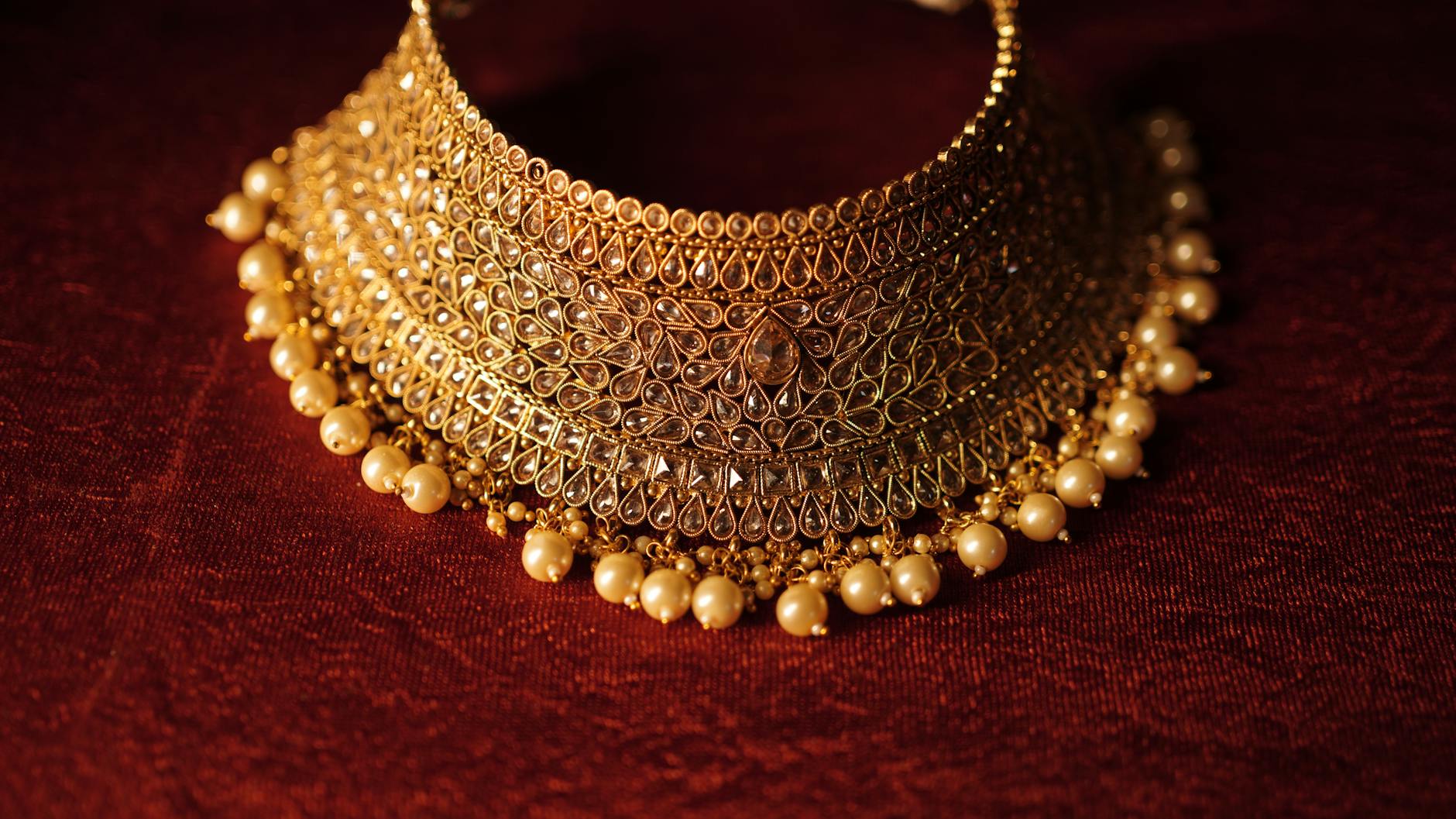
The New Rules of Tech Power Dressing
The transformation didn’t happen overnight. Tech executives began experimenting with statement jewelry as the industry matured and public scrutiny intensified. Unlike traditional corporate environments where subtle cufflinks and conservative watches dominated, Silicon Valley created its own rulebook for executive style.
Bold chain necklaces have become particularly popular among venture capitalists and startup founders. These pieces often feature geometric designs or incorporate technology-inspired elements – think hexagonal pendants or chains with angular links that echo circuit board patterns. The jewelry serves a dual purpose: it maintains the industry’s reputation for innovation while signaling financial success.
Rings have emerged as another favorite category. Chunky signet rings, often custom-designed with company logos or personal symbols, appear frequently in video conferences and public appearances. Some executives have commissioned pieces that incorporate actual materials from their products – silicon wafers set in gold, or titanium from aerospace projects formed into wearable art.
The approach differs significantly from traditional corporate power dressing, which emphasized conformity and subtlety. Silicon Valley’s maximalist jewelry trend celebrates individuality while maintaining professional authority. It’s a visual manifestation of the industry’s “think different” philosophy applied to personal style.
Breaking Gender Barriers in Executive Jewelry
One of the most striking aspects of this trend is how it’s transcending traditional gender boundaries in executive fashion. Male tech leaders are embracing jewelry categories once considered exclusively feminine, while female executives are experimenting with bold, architectural pieces that challenge conventional ideas about professional women’s accessories.
Pearl necklaces have gained unexpected popularity among male executives, worn as statement pieces rather than traditional formal wear. These aren’t your grandmother’s pearls – they’re often oversized, irregularly shaped, or combined with metals and stones in ways that feel contemporary and masculine. The choice reflects the tech industry’s willingness to reject conventional corporate dress codes.
Female tech leaders have gravitated toward sculptural pieces that make architectural statements. Geometric earrings that extend several inches, cuff bracelets that cover half the forearm, and necklaces that function almost like wearable art installations. These choices signal confidence and creative thinking – qualities highly valued in the innovation economy.
The trend has also sparked conversations about cultural appropriation and responsible sourcing. Many tech executives are partnering with jewelry designers who emphasize ethical materials and production methods, aligning their personal style choices with their companies’ stated values around sustainability and social responsibility.

Investment Pieces and Personal Branding
The jewelry choices aren’t random – they’re calculated investments in personal branding. Many executives work with stylists and personal branding consultants to select pieces that will photograph well in media appearances and convey specific messages about their leadership style and company culture.
Custom commissioning has become increasingly common. Tech leaders are working directly with renowned jewelry designers to create one-of-a-kind pieces that incorporate personal or corporate symbolism. Some feature stones from meaningful locations – perhaps silicon crystals from the original Intel headquarters, or metals sourced from locations significant to their company’s history.
The investment aspect is real. While these executives aren’t necessarily competing with traditional luxury consumers, they’re spending significant amounts on pieces from established jewelry houses and emerging designers. The pieces often appreciate in value, particularly those from recognized designers or featuring rare materials.
Smart technology integration occasionally appears, though more subtly than early predictions suggested. Some executives wear pieces that incorporate fitness tracking or notification features, but designed to look like traditional luxury jewelry rather than obvious tech accessories. The goal is enhancing functionality without sacrificing style or making obvious technological statements.
The Ripple Effect Across Corporate Culture
The trend isn’t limited to C-suite executives. Middle management and senior individual contributors throughout Silicon Valley have begun adopting similar approaches to statement jewelry, creating a trickle-down effect that’s changing corporate culture across the tech industry.
Company dress codes have evolved to accommodate these changes. Where jewelry was once barely mentioned in employee handbooks, many tech companies now explicitly embrace “expressive accessories” as part of their culture of innovation and individual expression. Some startups even encourage bold jewelry choices as a way to attract creative talent who might otherwise feel constrained by traditional corporate environments.
The influence extends beyond Silicon Valley. Tech executives frequently appear at industry conferences, congressional hearings, and media interviews, where their style choices are scrutinized and often emulated by business leaders in other industries. What starts in Palo Alto often spreads to Wall Street, albeit in modified forms.
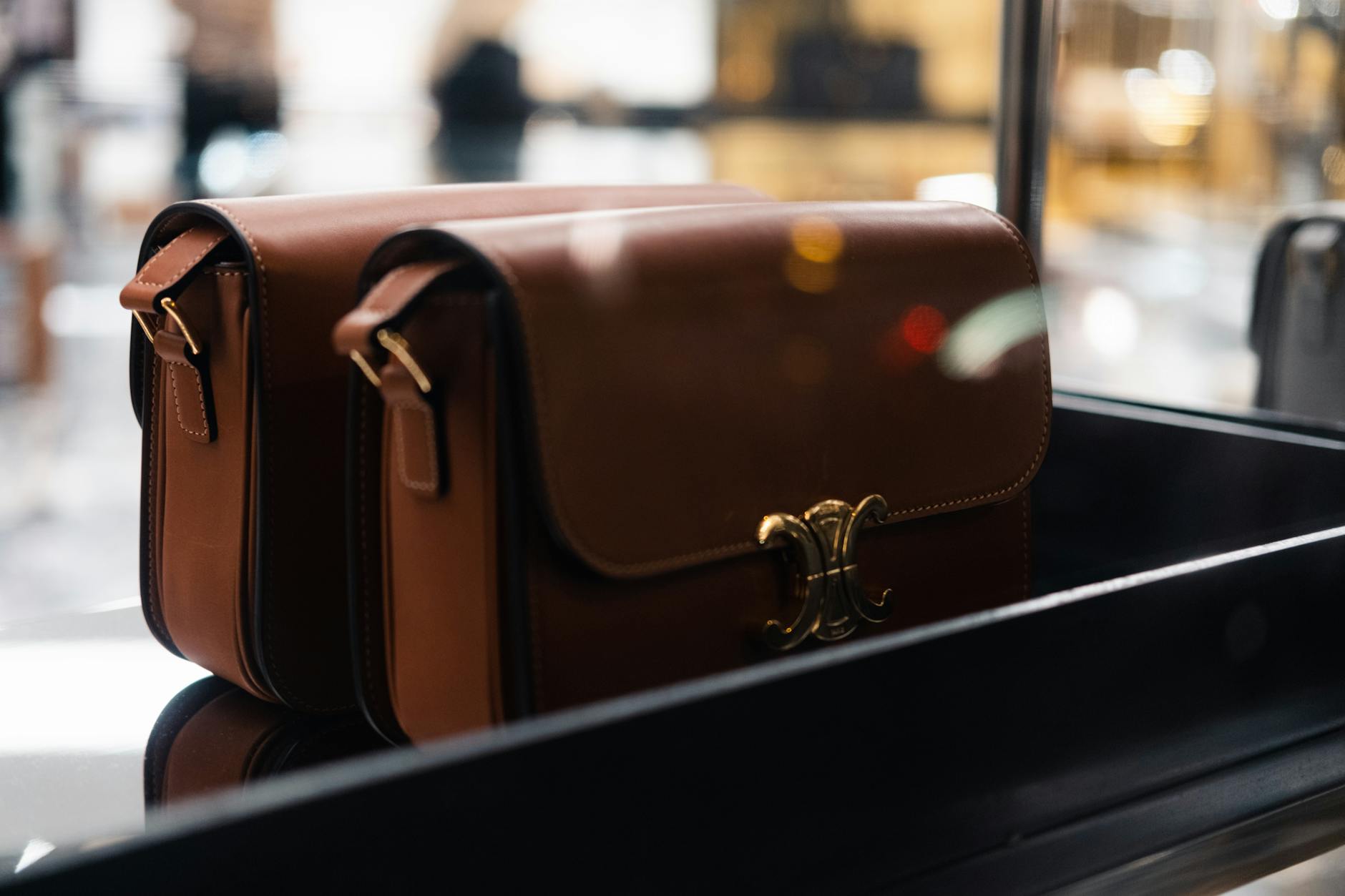
The maximalist jewelry trend shows no signs of slowing down. As artificial intelligence and other emerging technologies continue to reshape business landscapes, tech leaders seem increasingly comfortable expressing their success and individuality through bold personal style choices. The movement represents a maturation of Silicon Valley culture – confidence enough to embrace luxury and personal expression while maintaining the innovative spirit that built the industry.
This evolution suggests we’re witnessing more than a fashion trend. It’s a cultural shift that reflects the tech industry’s growing influence and the changing nature of executive presence in an increasingly visual, social media-driven business environment. As these leaders continue to shape the global economy, their approach to personal style will likely influence corporate culture far beyond the boundaries of Silicon Valley.
Frequently Asked Questions
Why are tech executives wearing bold jewelry now?
It reflects the industry’s maturation and leaders’ confidence in expressing success and individuality while maintaining innovative corporate culture.
What types of statement jewelry are popular in Silicon Valley?
Chunky gold chains, geometric rings, sculptural earrings, and custom-commissioned pieces featuring technology-inspired designs or company symbolism.