
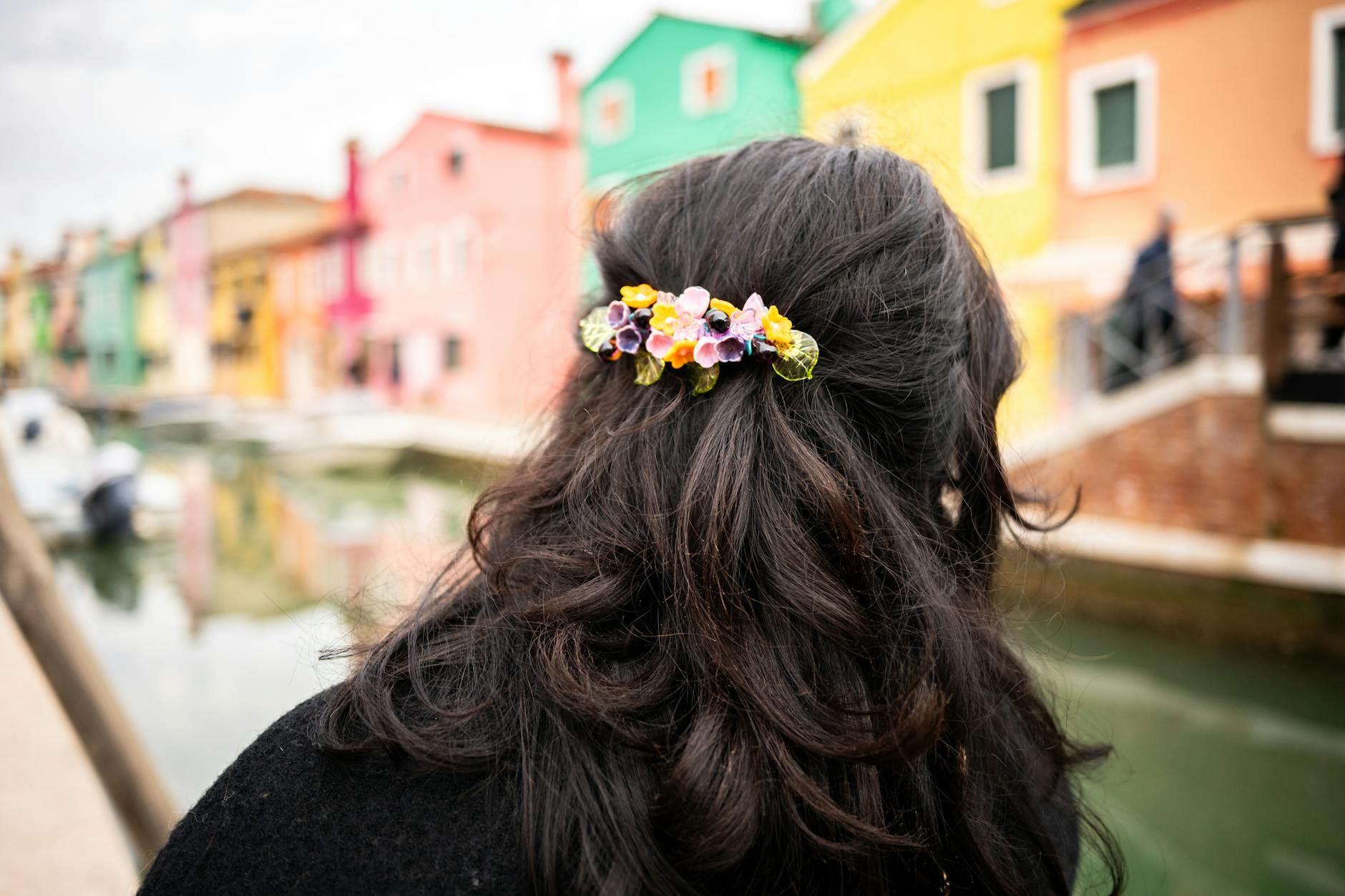
Hair clips shaped like butterflies are selling out faster than retailers can stock them. Claw clips in tortoiseshell patterns command waiting lists. Scrunchies made from luxury fabrics retail for fifty dollars each. The 1990s hair accessory revival isn’t just happening-it’s dominating social media feeds and reshaping how an entire generation approaches hair styling.
TikTok creators with millions of followers showcase elaborate hair clip arrangements that would make any ’90s teen jealous. Instagram influencers layer multiple accessories in single looks, turning simple ponytails into statement pieces. The movement goes beyond nostalgia, representing a shift toward playful, individualistic styling that directly challenges the minimalist beauty trends of the past decade.
The Platform Power Behind the Revival
TikTok drives this renaissance with hashtags like #90shairaccessories accumulating over 200 million views. Influencers like Emma Chamberlain and Addison Rae regularly feature vintage-inspired clips, headbands, and scrunchies in their content, sparking immediate shopping frenzies among their young followers.
The algorithm rewards creativity, and hair accessories offer endless styling possibilities. A single claw clip can anchor dozens of different looks, from messy buns to half-up styles to intricate braided arrangements. Content creators have discovered that accessory-focused videos consistently perform well, leading to dedicated hair accessory styling accounts with substantial followings.
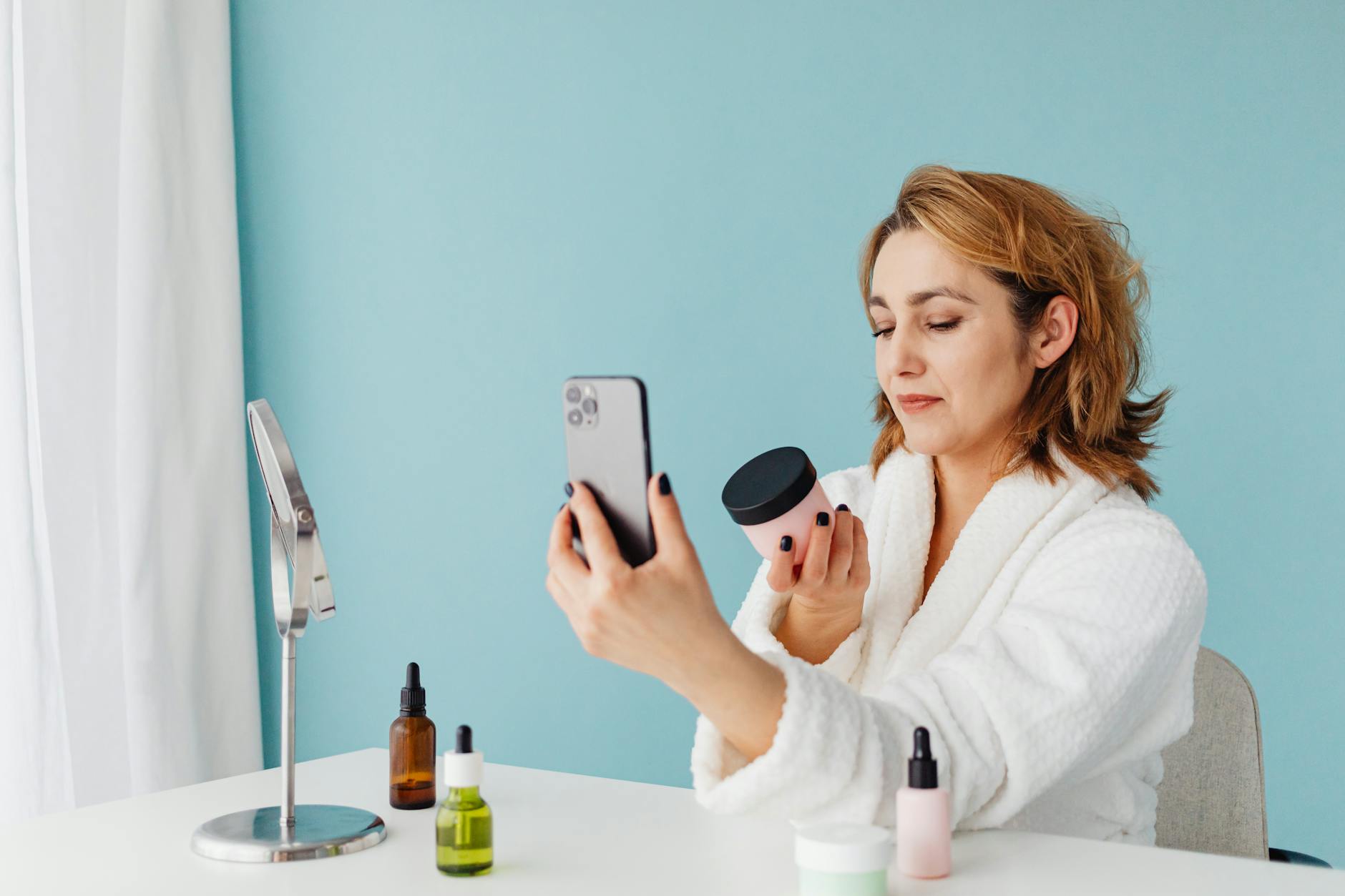
Instagram’s visual nature amplifies the trend through carefully curated flat lays and mirror selfies. Influencers showcase entire collections of hair accessories arranged by color, style, or brand. The platform’s shopping integration allows followers to purchase featured accessories directly, creating a seamless path from inspiration to acquisition.
YouTube beauty channels contribute through detailed tutorials explaining how to recreate iconic ’90s hairstyles using modern accessories. These longer-form videos provide the educational content that TikTok’s short format cannot accommodate, offering step-by-step guidance for complex braided looks and updo techniques.
Celebrity Endorsement and Cultural Impact
A-list celebrities have embraced the trend with enthusiasm that extends beyond casual wear. Bella Hadid frequently appears in paparazzi photos wearing colorful hair clips arranged in asymmetrical patterns. Hailey Bieber’s signature slicked-back styles often feature minimalist gold clips that retail for hundreds of dollars.
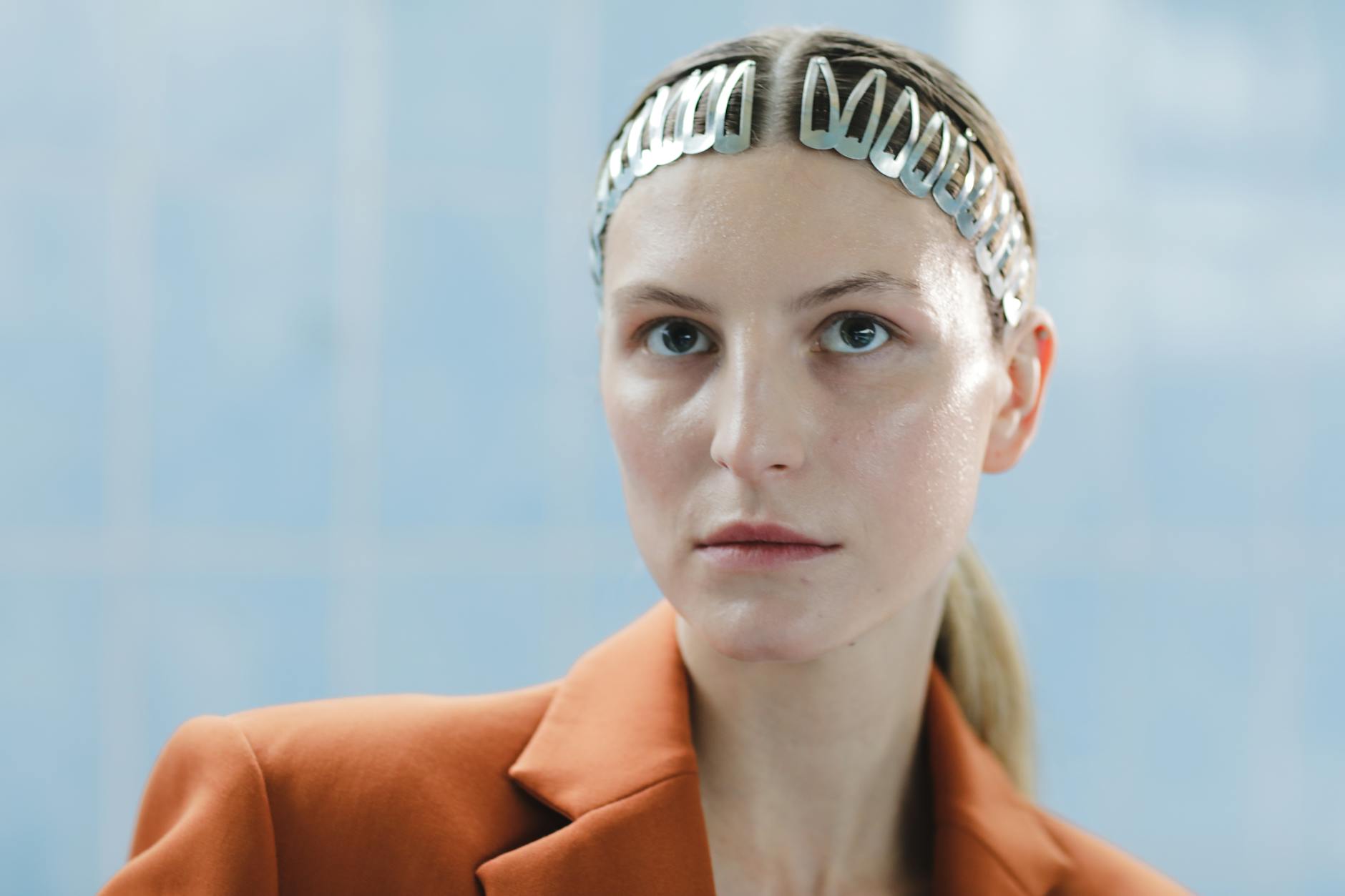
Dua Lipa’s music video appearances showcase elaborate hair accessory combinations that immediately trend on social platforms. Her styling choices often feature multiple clips, headbands, and ties layered together, creating looks that feel both retro and futuristic. Fashion magazines regularly dissect her hair accessory choices, treating them with the same attention typically reserved for couture gowns.
The red carpet has become a showcase for designer hair accessories. Events like the Met Gala and Cannes Film Festival now regularly feature celebrities wearing custom hair pieces that incorporate everything from pearls to crystals to fresh flowers. These high-fashion interpretations of ’90s accessories trickle down to mainstream retailers within weeks.
Celebrity hairstylists have become influencers in their own right, sharing behind-the-scenes content that reveals the techniques and products used to create these looks. Jen Atkin, who styles hair for celebrities like Kendall Jenner and Chrissy Teigen, regularly features hair accessories in her tutorial content, lending professional credibility to the trend.
The Business of Nostalgia
Retailers have responded to demand with impressive speed and scale. Urban Outfitters reports that hair accessories represent one of their fastest-growing categories, with vintage-inspired pieces consistently outselling contemporary designs. Target’s Wild Fable brand launched an entire collection dedicated to ’90s-inspired hair accessories that sold out within days of release.
Luxury brands have entered the market with high-end interpretations of classic designs. Chanel’s hair clips retail for several hundred dollars each, featuring the brand’s signature quilted pattern and chain details. Hermès offers silk-wrapped hair ties that cost more than most people spend on entire outfits, yet maintain substantial waiting lists.
Independent designers have found success creating artisanal versions of popular styles. Etsy shops specializing in handmade hair accessories report unprecedented demand, with some creators unable to keep up with orders despite raising prices multiple times. The platform’s search data shows dramatic increases in queries for terms like “vintage hair clips” and “90s scrunchies.”
Direct-to-consumer brands have built entire business models around this trend. Companies like Claw’d and Hair Clips Co. have achieved seven-figure revenues by focusing exclusively on trendy hair accessories promoted through influencer partnerships and social media advertising.
The trend’s staying power appears linked to its versatility and accessibility. Unlike clothing trends that require significant investment or specific body types, hair accessories work across demographics and budgets. A five-dollar scrunchie from a drugstore can create the same general aesthetic as a fifty-dollar designer version.
Cultural Significance and Future Directions
This revival represents more than aesthetic preference-it signals a broader cultural shift toward self-expression and individuality. The minimalist beauty trends of the 2010s emphasized uniformity and restraint. Hair accessory culture embraces maximalism, encouraging personal interpretation and creative experimentation.
The trend intersects with thrift shopping culture, as young consumers hunt for authentic vintage pieces alongside modern reproductions. This blend of old and new creates unique styling opportunities that distinguish individual aesthetics in an increasingly homogenized digital landscape.
Mental health professionals note that the trend offers therapeutic benefits through creative expression and routine. The daily ritual of selecting and arranging hair accessories provides a form of self-care that requires minimal time investment but offers significant psychological rewards.
The international nature of social media has spread this trend globally, with regional variations emerging based on local fashion preferences and cultural norms. Asian markets show particular enthusiasm for kawaii-inspired designs featuring cartoon characters and pastel colors. European consumers gravitate toward minimalist versions in neutral tones and premium materials.
Looking ahead, technology integration seems inevitable. Smart hair accessories that change color or pattern through app control are already in development. However, the trend’s core appeal lies in its analog nature-the tactile pleasure of arranging physical objects and the immediate visual impact of the results.
The 1990s hair accessory revival demonstrates social media’s power to resurrect and transform cultural elements across generational lines. What began as nostalgic experimentation has evolved into a legitimate fashion movement with staying power that extends beyond typical trend cycles. As influencers continue innovating with styling techniques and brands expand their offerings, these accessories appear positioned to define beauty aesthetics for years to come.
Frequently Asked Questions
Which 1990s hair accessories are most popular now?
Butterfly clips, claw clips, scrunchies, and headbands are the most sought-after accessories in the current revival trend.
Why are celebrities wearing 90s hair accessories?
Celebrities use these accessories to create distinctive looks that photograph well on social media and offer creative styling versatility for red carpet events.