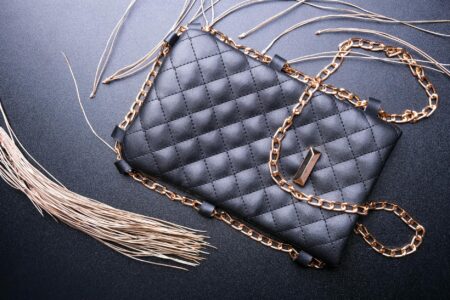


Fashion houses that once relied solely on animal leather are quietly revolutionizing their supply chains. Cork leather, made from the bark of cork oak trees, is emerging as the sustainable alternative that major brands can no longer ignore. This plant-based material offers the durability and luxury feel of traditional leather while addressing growing consumer demands for ethical fashion.
The shift represents more than a trend-it’s a fundamental change in how luxury accessories are conceived and manufactured. Brands like Matt & Nat, Corkor, and Doshi have already embraced cork leather, while traditional luxury houses explore partnerships with Portuguese suppliers who have perfected the material over decades.

The Cork Revolution in Fashion Manufacturing
Cork leather production begins with the careful harvesting of cork oak bark, a process that doesn’t harm the tree and actually promotes its health. The bark naturally regenerates every nine to twelve years, making it one of the most sustainable materials available to fashion manufacturers.
Portuguese companies like Amorim Cork and Granorte have developed advanced processing techniques that transform raw cork into supple, waterproof material indistinguishable from premium leather in both appearance and touch. The process involves pressing cork granules with natural binders, creating sheets that can be cut, sewn, and shaped like traditional leather.
Major fashion brands are taking notice. Stella McCartney, known for her commitment to cruelty-free fashion, has incorporated cork leather into several collections. Portuguese brand Corkor has built an entire business around cork leather accessories, proving the material’s commercial viability beyond niche sustainable fashion markets.
The technical advantages extend beyond sustainability. Cork leather is naturally antimicrobial, water-resistant, and lighter than animal leather. It doesn’t crack with age and maintains its flexibility in various weather conditions-qualities that traditional leather often lacks.
Market Response and Consumer Adoption
Consumer research indicates growing acceptance of leather alternatives, with millennials and Gen Z driving demand for sustainable luxury goods. According to industry reports, the global vegan leather market is projected to reach significant growth, with cork leather representing a substantial segment.
Retail adoption varies by region. European markets, particularly in Portugal, Spain, and Germany, show highest acceptance rates for cork leather products. American consumers increasingly seek sustainable alternatives, though price sensitivity remains a factor in adoption rates.
Social media influence plays a crucial role in market acceptance. Fashion influencers and sustainable lifestyle advocates regularly feature cork leather handbags, normalizing the material among style-conscious consumers. The hashtag #corklether has generated thousands of posts showcasing various products and styling options.
Price points for cork leather handbags typically range from mid-market to luxury levels, depending on construction quality and brand positioning. While initially more expensive than fast fashion alternatives, cork leather products often prove cost-effective long-term due to their durability and timeless aesthetic.
Production Challenges and Innovation Solutions
Despite growing interest, cork leather production faces scaling challenges. Cork oak trees grow primarily in Mediterranean regions, with Portugal producing approximately 50% of the world’s cork supply. Climate change impacts on cork oak forests could affect long-term material availability.
Manufacturers are addressing these concerns through sustainable forestry practices and technological innovation. Advanced processing techniques allow producers to create various textures, colors, and finishes that rival traditional leather options. Some companies blend cork with other plant-based materials to enhance durability and expand color possibilities.
Quality control remains critical as the market expands. Early cork leather products sometimes suffered from inconsistent texture or durability issues. Modern manufacturing processes have largely resolved these problems, but consumer education about proper care remains important for market growth.
The integration of cork leather into existing production lines requires minimal equipment changes, making it attractive for manufacturers looking to diversify their material offerings. This accessibility has encouraged smaller brands and emerging designers to experiment with sustainable alternatives.
Environmental Impact and Certification
Cork harvesting supports Mediterranean ecosystem health by maintaining cork oak forests that absorb significant amounts of carbon dioxide. These forests provide habitat for endangered species and prevent soil erosion in drought-prone regions.
Certification programs ensure responsible sourcing and production practices. The Forest Stewardship Council (FSC) certifies cork suppliers, while various organic and sustainable fashion certifications validate final products. These certifications help consumers identify genuinely sustainable options in an increasingly crowded market.
Lifecycle assessments consistently show cork leather’s environmental advantages over both animal leather and synthetic alternatives. The material’s biodegradability at end-of-life provides additional environmental benefits compared to petroleum-based synthetic leathers.
Industry Partnerships and Future Developments
Strategic partnerships between fashion brands and cork suppliers are accelerating innovation and market adoption. Portuguese cork companies are collaborating with Italian leather goods manufacturers, combining traditional craftsmanship with sustainable materials.
Investment in research and development is producing new applications for cork leather. Recent innovations include cork-based materials with enhanced stretch properties and improved color retention. Some companies are developing cork composites that incorporate recycled materials or other plant fibers.
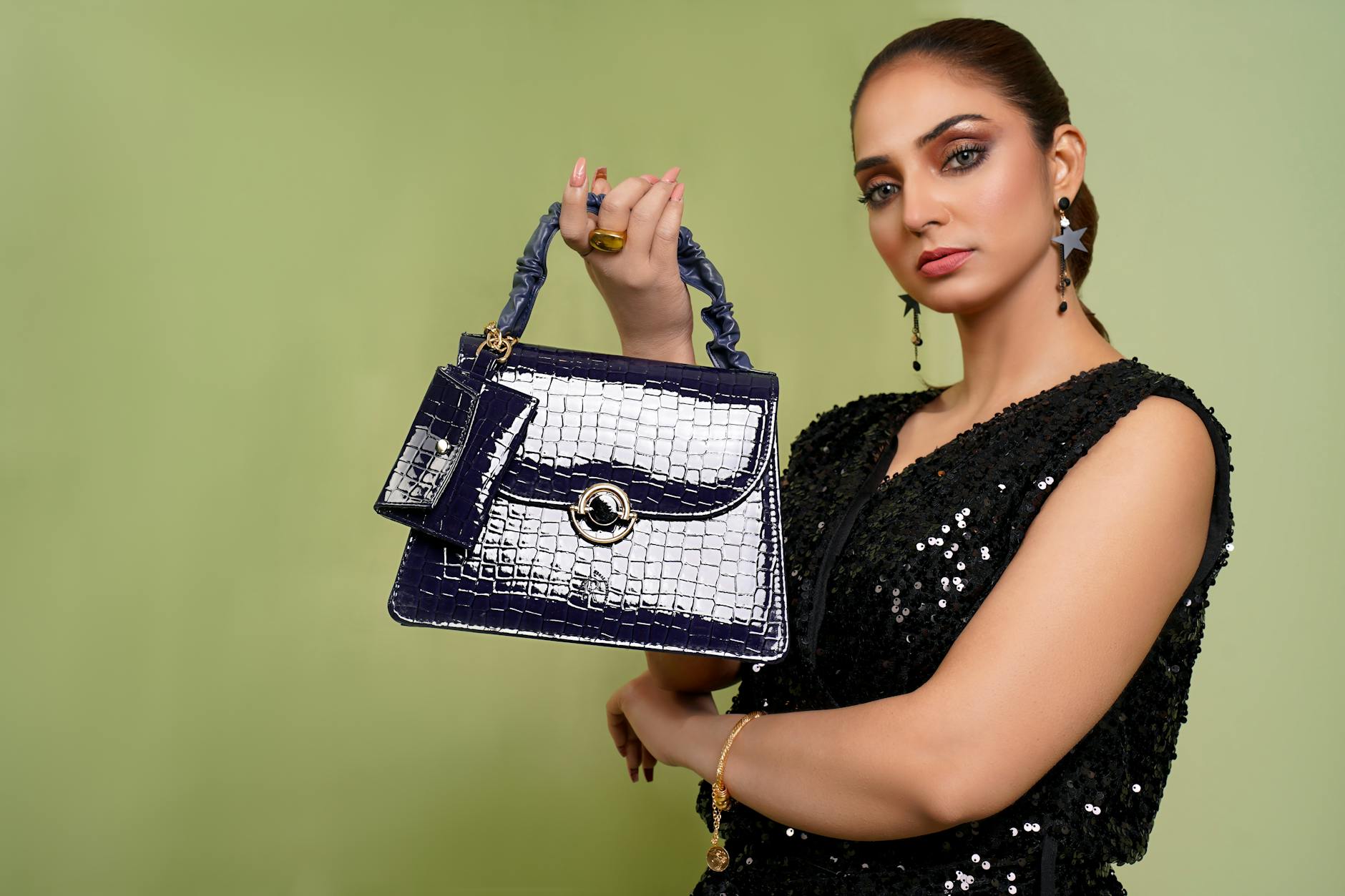
The luxury handbag market particularly benefits from cork leather’s unique aesthetic properties. The natural grain patterns and texture variations create distinctive products that appeal to consumers seeking individuality in their accessories. This aligns with broader trends away from logo-heavy luxury goods toward more subtle, craft-focused products.
Looking ahead, cork leather technology continues evolving. Researchers are exploring new binding agents and processing techniques that could expand the material’s applications beyond accessories into footwear, upholstery, and automotive applications.

The cork leather revolution reflects broader shifts in fashion toward sustainability and ethical production. As consumers increasingly value craftsmanship and mindful consumption, materials like cork leather provide pathways for brands to meet evolving expectations while maintaining luxury standards.
The next decade will likely see cork leather become mainstream in luxury handbag production. Early adopters who embrace this shift position themselves advantageously as sustainability becomes a fundamental expectation rather than a premium feature. The material’s proven durability, unique aesthetic properties, and environmental benefits make it an compelling alternative for conscious consumers and forward-thinking brands alike.
Frequently Asked Questions
Is cork leather as durable as traditional leather?
Yes, cork leather is highly durable, water-resistant, and maintains flexibility better than traditional leather while being naturally antimicrobial.
Which fashion brands use cork leather for handbags?
Brands like Stella McCartney, Matt & Nat, and Corkor use cork leather, with traditional luxury houses increasingly exploring partnerships.