Zendaya’s vintage Versace gown at the 2021 Met Gala wasn’t just a fashion moment – it was a declaration. The custom piece, inspired by a 1996 archival design, sparked conversations about sustainability, creativity, and the untapped potential hiding in closets worldwide. Now, celebrities and fashion insiders are increasingly turning to thrift stores, vintage shops, and secondhand finds to create show-stopping red carpet looks that rival any designer original.
The shift represents more than just a trend. As fashion weeks embrace circular fashion and Gen Z demands authentic sustainability from brands, the red carpet has become an unexpected laboratory for proving that pre-loved pieces can deliver maximum impact. From Emma Watson’s sustainable fashion advocacy to Tilda Swinton’s legendary thrift store discoveries, A-listers are rewriting the rules of glamour.
The Economics Behind the Thrift Revolution
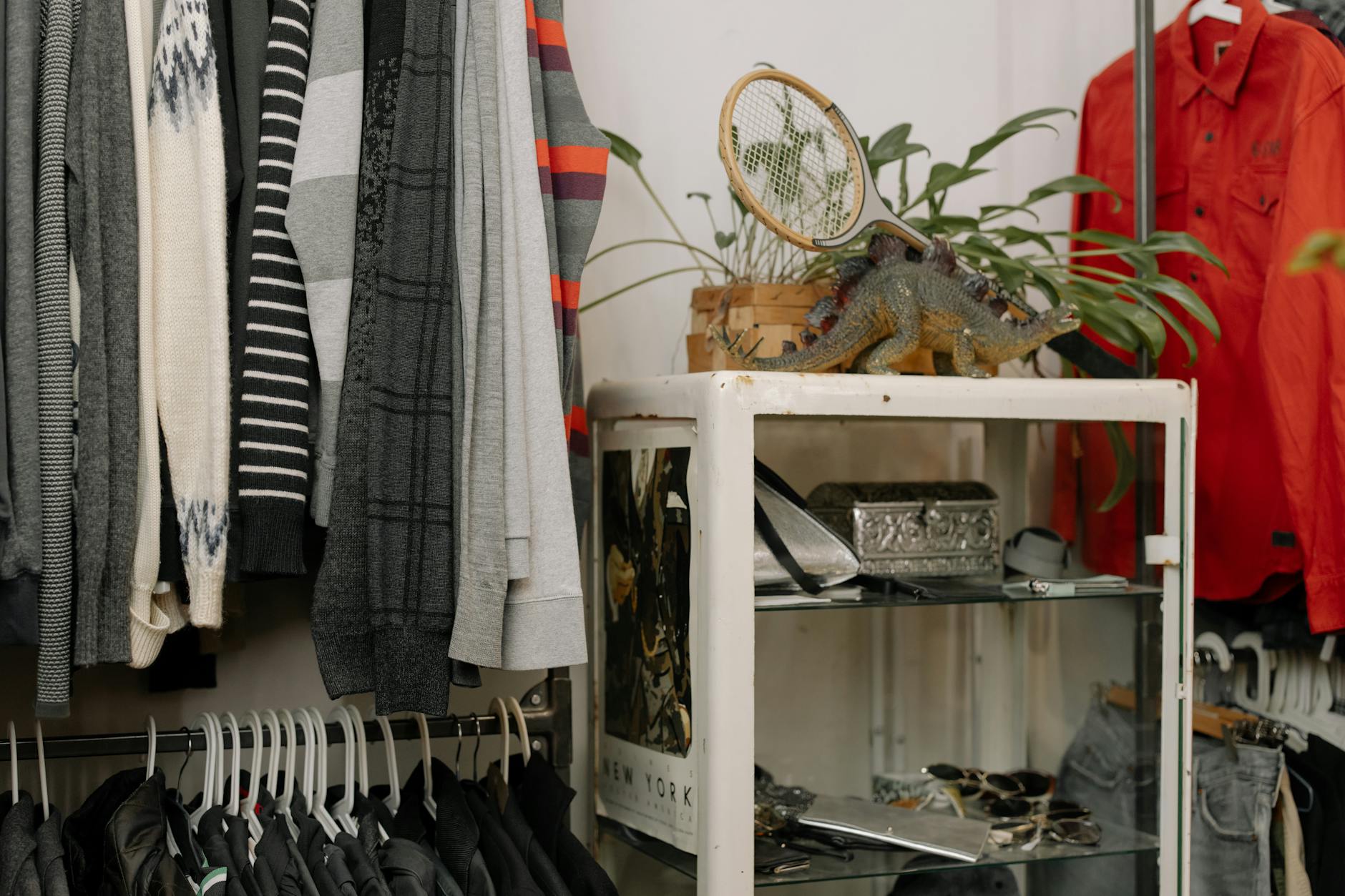
Celebrity stylists now dedicate entire teams to hunting through vintage archives and high-end consignment shops. Law Roach, the mastermind behind Zendaya’s most memorable looks, regularly scours auction houses and estate sales for pieces that tell stories. His approach has influenced countless other stylists who recognize that a $50 thrift store blazer, when properly tailored and styled, can generate more buzz than a $50,000 custom gown.
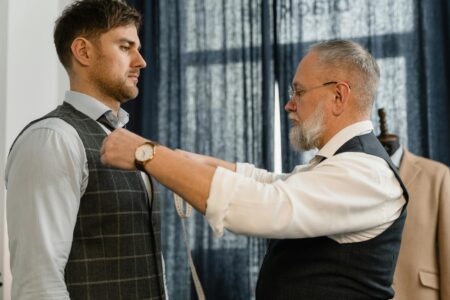
The financial logic is compelling. While a custom red carpet look from a major fashion house can cost six figures, vintage pieces often require only expert alterations and creative styling to achieve the same impact. Stylists like skilled tailors who specialize in transforming existing garments have become essential partners in this process, breathing new life into forgotten pieces.
Major auction houses report increased interest from celebrity styling teams. Sotheby’s and Christie’s fashion auctions now attract buyers seeking pieces for red carpet moments, not just collectors. The democratization of high fashion through thrift finds has created an entirely new market segment where the hunt for the perfect piece becomes part of the story.
How Stylists Transform Secondhand Into Statement
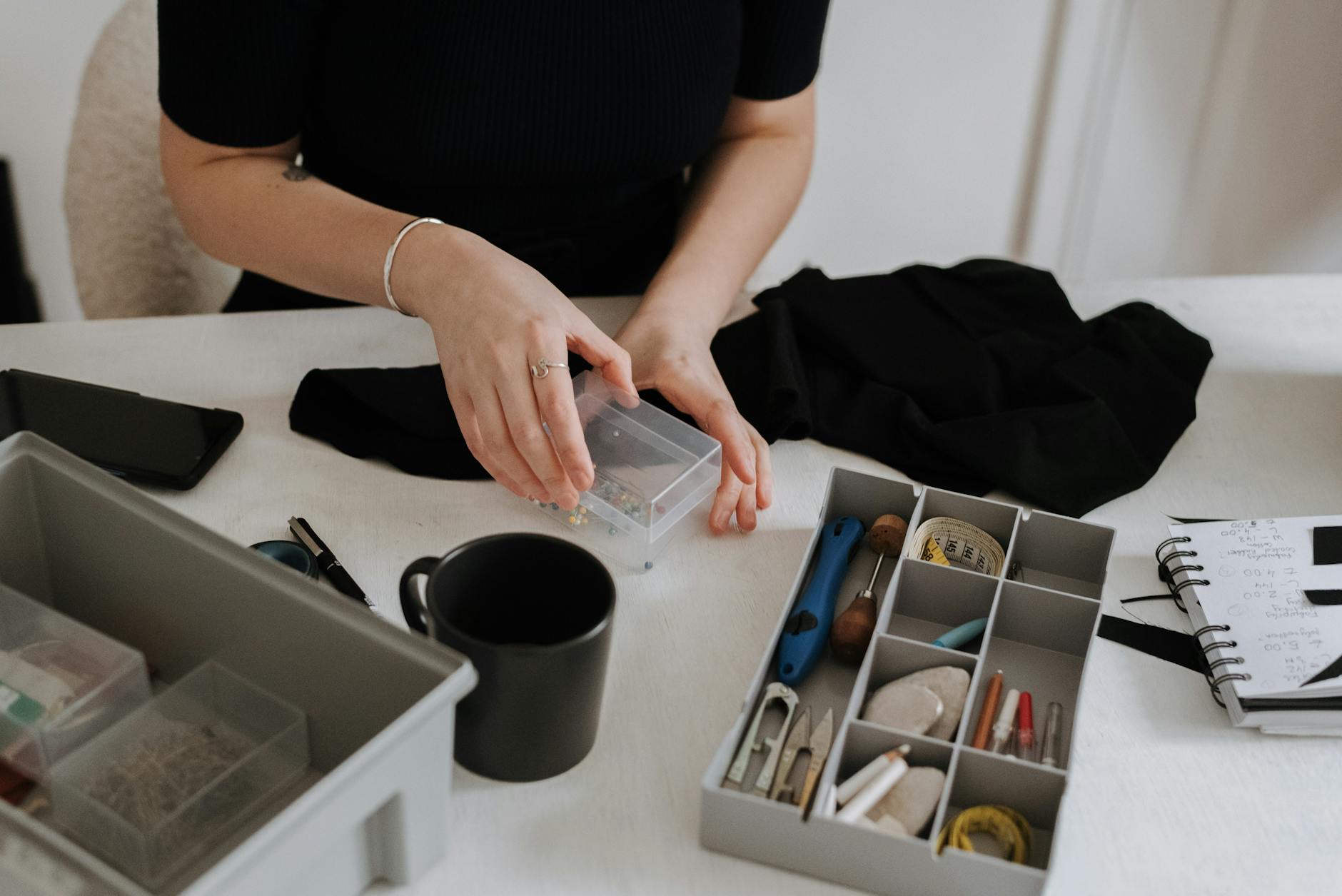
The transformation process requires expertise that goes far beyond basic alterations. Top stylists work with specialized teams including vintage restoration experts, custom jewelers, and master tailors who understand how to adapt decades-old construction techniques to modern red carpet demands.
Kate Young, who has styled Margot Robbie and Dakota Johnson, describes her process as “fashion archaeology.” She studies the original designer’s intentions, researches the garment’s history, and then determines how to honor its legacy while creating something entirely new. This might involve combining elements from multiple vintage pieces, adding contemporary accessories, or working with artisans to recreate missing details using period-appropriate techniques.
The technical challenges are significant. Vintage fabrics may be fragile, sizing often differs dramatically from modern standards, and original construction methods don’t always translate to contemporary undergarments and body shapers. Stylists must balance preservation with adaptation, ensuring the garment survives the red carpet while looking flawless under intense photography lighting.
Color matching presents another layer of complexity. When Lupita Nyong’o wore her famous pearl-adorned Calvin Klein gown to the 2015 Oscars, the dress required extensive work to ensure the vintage pearls complemented the gown’s specific shade. Such details, invisible to viewers but crucial for photographers, separate amateur thrift styling from professional red carpet preparation.
The Sustainability Message Resonates
Beyond the visual impact, celebrity thrift finds carry powerful environmental messages. Fashion accounts for approximately 10% of global carbon emissions, and the red carpet’s traditional emphasis on “never been worn” custom pieces symbolized the industry’s wasteful practices. When major celebrities choose vintage or thrifted pieces, they signal that sustainability and glamour aren’t mutually exclusive.
Emma Watson’s entire 2016 promotional tour wardrobe consisted of sustainable fashion choices, including several thrift store discoveries that she highlighted on her social media accounts. Her approach inspired other young actors to consider their fashion choices’ environmental impact. The ripple effect extends beyond Hollywood, with fashion influencers and everyday consumers increasingly viewing thrift shopping as both economically and environmentally responsible.
The message particularly resonates with younger audiences who have grown up with climate change awareness. When they see their favorite celebrities championing secondhand fashion, it validates their own sustainable shopping choices and challenges the notion that new equals better.
Fashion weeks worldwide have embraced this shift. Copenhagen Fashion Week now requires participating brands to meet sustainability standards, and several designers showcase collections made entirely from deadstock and vintage materials. Custom embroidery and personalization techniques help transform these reclaimed pieces into unique statement items.
The Future of Red Carpet Sustainability
The thrift-to-red-carpet pipeline continues expanding as more celebrities recognize its creative and environmental potential. Rental platforms like HURR and Rotaro now offer vintage designer pieces specifically curated for high-profile events, while vintage dealers report increased demand from celebrity styling teams.
Technology is enhancing the hunt for perfect pieces. AI-powered platforms can now scan vintage inventories worldwide, matching specific measurements, color requirements, and style preferences with available garments. This technological approach makes sourcing vintage pieces more efficient while expanding the pool of available options beyond traditional fashion capitals.

The influence extends beyond individual red carpet moments. Major fashion brands now launch vintage-inspired collections, recognizing consumer appetite for pieces that reference fashion history while addressing contemporary sustainability concerns. This trend suggests that the line between vintage and new will continue blurring as brands embrace circular design principles.
Looking ahead, the red carpet’s embrace of thrift store finds signals a broader shift in how we define luxury and status. When the most photographed events celebrate creativity over cost and sustainability over novelty, it suggests that fashion’s future lies not in producing more, but in reimagining what already exists. The next time you see a show-stopping red carpet look, remember – it might have started its journey in a thrift store, waiting for the right person to recognize its potential.
Frequently Asked Questions
How do stylists find vintage pieces for red carpet events?
Celebrity stylists work with vintage dealers, auction houses, and specialized teams to source and authenticate rare pieces from fashion archives and estate sales.
Are thrift store red carpet looks really more sustainable?
Yes, choosing existing garments reduces fashion waste and carbon emissions while extending the lifecycle of quality pieces that might otherwise be discarded.