

The Digital Stage Revolution
Drag makeup once required hours in dingy backstage mirrors, armed with drugstore foundations and theatrical pancake. Today, TikTok creators are transforming centuries-old drag artistry with viral tutorials, innovative techniques, and accessible product recommendations that reach millions of viewers in under sixty seconds.
The shift began during pandemic lockdowns when established drag queens like Trixie Mattel and emerging artists turned to social media for income and connection. What started as entertainment became education, with detailed breakdowns of contouring, highlighting, and color theory reaching audiences who never stepped foot in a gay club.
“TikTok democratized drag makeup in ways we never imagined,” says James St. James, veteran drag performer and makeup artist. “Techniques that took years to learn through trial and error are now taught in bite-sized videos with product links in bio.”
Breaking Down the Beats
Traditional drag makeup followed rigid rules: stark contouring, heavy powder, and theatrical colors designed for stage lighting. TikTok artists are rewriting these conventions with nuanced approaches that work under ring lights and phone cameras.
Creator Juno Birch revolutionized alien-inspired looks with cream products and strategic highlighting, garnering over 800,000 followers who recreate her otherworldly aesthetic. Her tutorials demonstrate advanced color correction and blending techniques typically reserved for professional makeup schools.
The platform’s algorithm favors transformation content, pushing drag tutorials to mainstream beauty enthusiasts. Hashtags like #dragtutorial and #dragmakeup accumulate billions of views, with creators sharing everything from basic feminization techniques to avant-garde editorial looks.
Key innovations include using beauty blenders for seamless foundation application, cream contour sticks for precise sculpting, and setting sprays instead of traditional powder – techniques that create camera-ready results for both drag performers and everyday makeup wearers.
Product Revolution and Accessibility
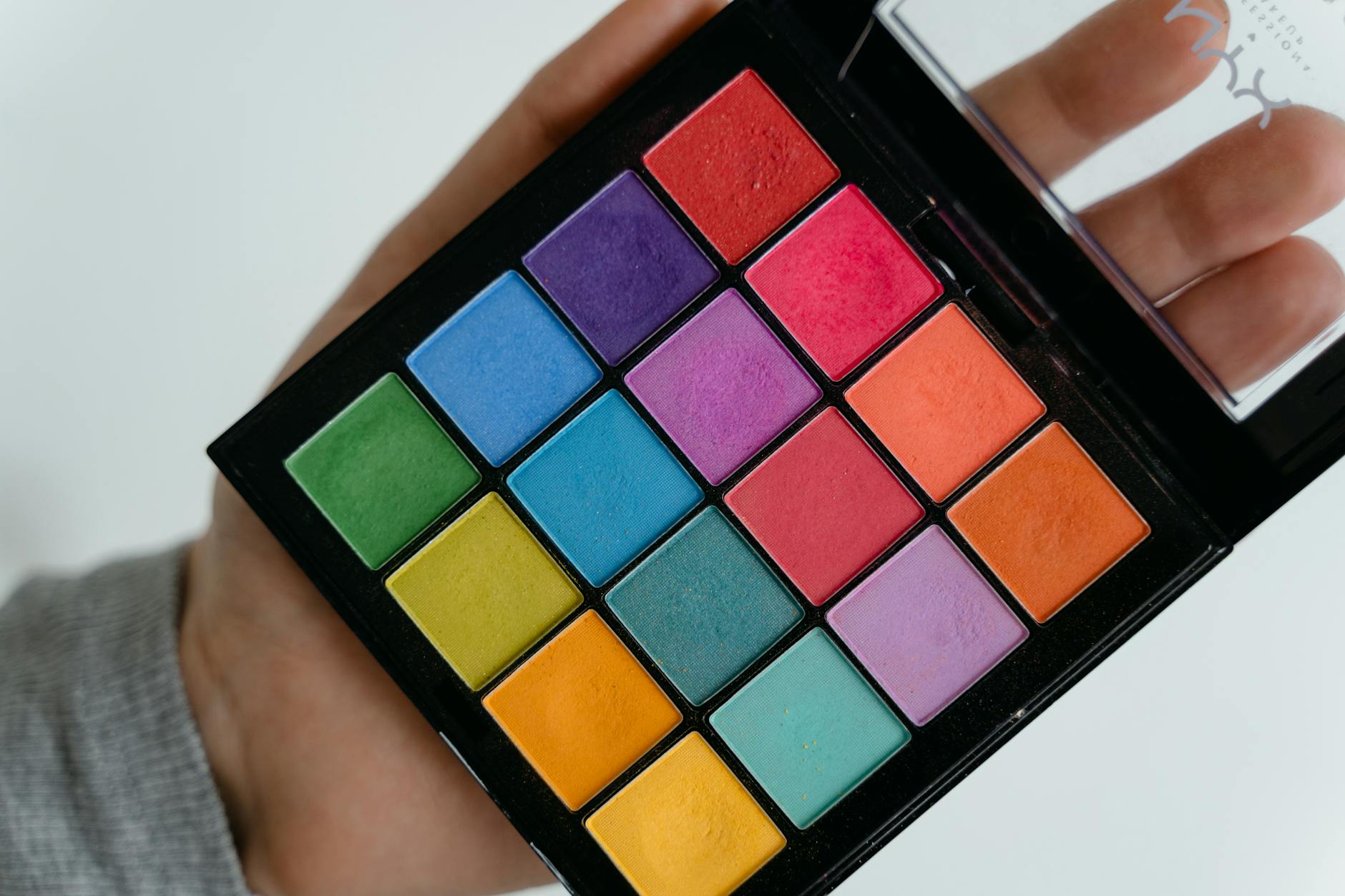
TikTok drag artists champion drugstore alternatives to expensive theatrical makeup. NYX Professional Makeup’s Can’t Stop Won’t Stop Foundation and Morphe’s eyeshadow palettes feature prominently in viral tutorials, proving professional results don’t require professional prices.
This accessibility extends to technique instruction. Complex skills like cutting a crease, carving cheekbones, and creating symmetrical winged eyeliner are broken into manageable steps with real-time demonstrations. Comments sections become collaborative learning spaces where beginners ask questions and experienced artists share tips.
The influence flows both ways – mainstream beauty brands now develop products specifically for drag techniques. Fenty Beauty’s extensive shade range and NYX’s Epic Ink Liner gained popularity partly through drag artist endorsements on TikTok.
Several creators have leveraged their TikTok success into business opportunities. Gottmik, who gained fame on RuPaul’s Drag Race, uses the platform to promote makeup services and collaborations with major brands. Their tutorials consistently receive millions of views, demonstrating advanced techniques like facial feminization through contouring.
Beyond Entertainment: Technical Mastery
The technical sophistication of TikTok drag tutorials rivals professional makeup education. Creators like Jackie Beat break down facial anatomy, explaining why certain contouring placements work for different bone structures. These scientific approaches elevate drag makeup from costume to artistry.
Color theory receives particular attention, with artists explaining complementary shades, undertone matching, and strategic color placement for different lighting conditions. This educational content attracts makeup artists seeking to expand their skills beyond traditional beauty applications.
The platform also showcases cultural exchange within drag communities. Artists from different backgrounds share traditional makeup techniques – from Kabuki-inspired eye shapes to Bollywood-influenced color palettes – creating a global repository of beauty knowledge.
Professional makeup artists increasingly credit TikTok drag creators with pushing industry boundaries. Techniques like extreme highlighting, creative eyebrow shapes, and bold lip art that originated in drag culture now appear in high-fashion editorials and runway shows.
The Future of Beauty Education
As TikTok’s influence grows, traditional beauty education adapts to incorporate drag techniques. Makeup schools add modules on theatrical application and gender expression, while beauty brands develop products that serve both conventional and transformative makeup needs.
The platform’s global reach means regional drag styles gain international recognition. Japanese kawaii aesthetics, Brazilian glamour techniques, and European avant-garde approaches cross-pollinate through viral videos, creating new hybrid styles that reflect diverse cultural influences.
This democratization of beauty knowledge connects to broader trends in wellness and self-expression, similar to how ancient Ayurvedic practices are taking over modern spa menus, bringing traditional wisdom to contemporary audiences.
The revolution extends beyond makeup application to identity exploration and self-acceptance. TikTok drag tutorials provide safe spaces for gender experimentation, artistic expression, and community building that transcend geographical and social boundaries.
As artificial intelligence and augmented reality technologies advance, the intersection of digital tools and traditional drag artistry promises even more innovative approaches to transformation and self-expression through makeup.
Frequently Asked Questions
What makeup products do TikTok drag artists recommend?
Popular choices include NYX Can’t Stop Won’t Stop Foundation, Morphe eyeshadow palettes, and Fenty Beauty products for their quality and affordability.
How are drag makeup techniques different from regular makeup?
Drag makeup emphasizes dramatic transformation through heavy contouring, bold colors, and exaggerated features designed for performance and artistic expression.