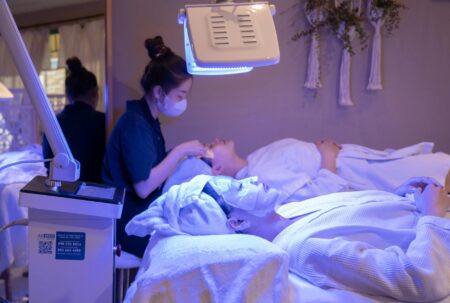


Manhattan’s most exclusive spas are importing centuries-old cleansing rituals from Istanbul’s historic bathhouses. The traditional Turkish hammam, once confined to marble-domed Ottoman buildings, now commands premium prices at luxury wellness destinations across America and Europe.
The Four Seasons, Ritz-Carlton, and Mandarin Oriental hotel chains have all added authentic hammam treatments to their spa menus within the past two years. These aren’t simplified versions – they feature heated marble slabs, traditional black soap, and the signature full-body exfoliation with a rough mitt called a kese.
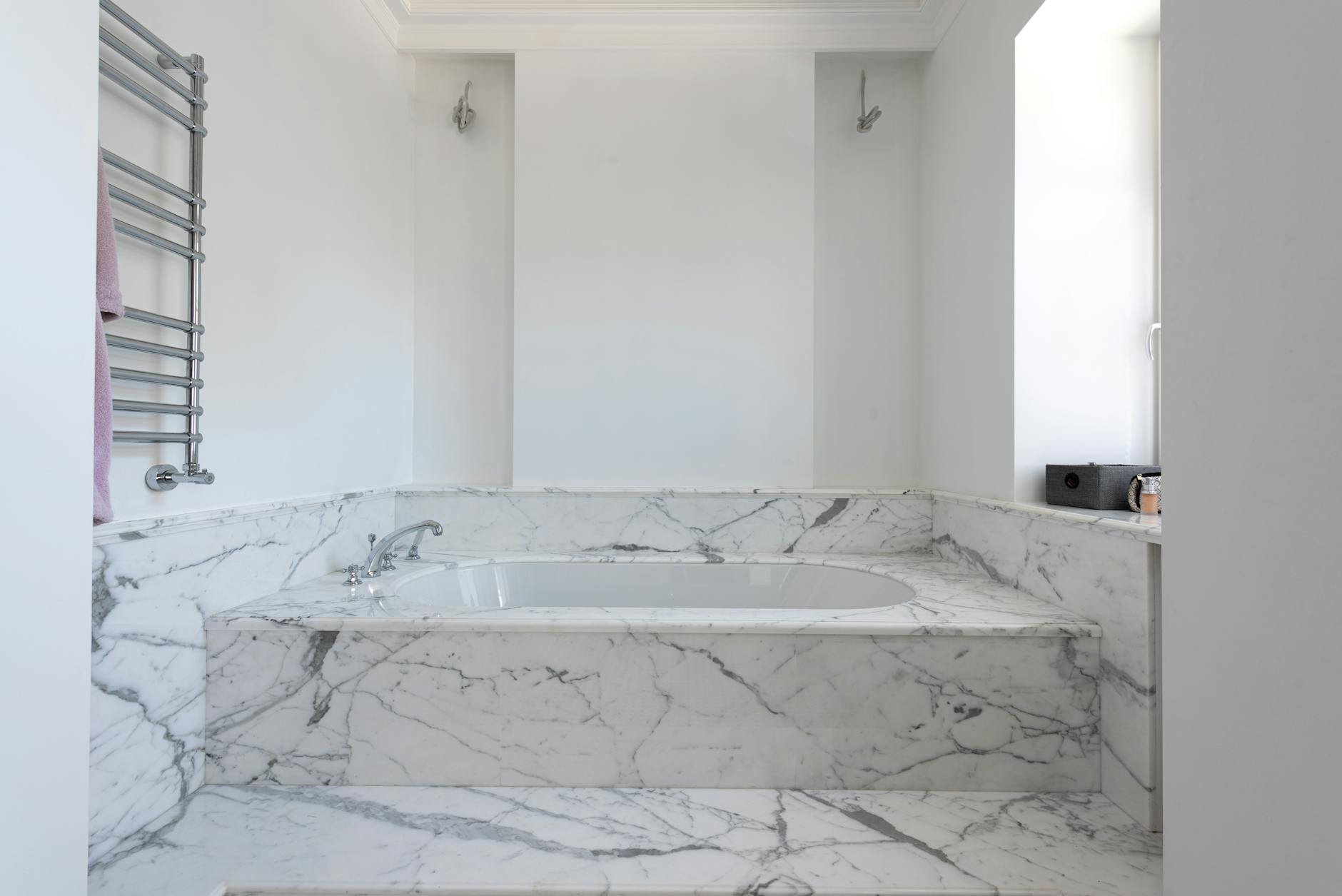
Turkish hammam treatments involve three distinct phases: sweating on heated marble, deep cleansing with olive oil-based black soap, and vigorous exfoliation that removes dead skin cells. The process concludes with a foam massage using a soft cloth bag that creates mountains of bubbles. Unlike modern steam rooms, hammams use radiant heat from marble surfaces warmed by underfloor systems.
The Ancient Art Meets Modern Luxury
Traditional hammams served as community gathering spaces in Ottoman Turkey for over 700 years. Men and women used separate facilities or visited during designated hours. The ritual combined hygiene, social interaction, and relaxation in buildings designed specifically for the multi-step cleansing process.
Today’s luxury spa adaptations maintain the essential elements while adding contemporary touches. The Hammam Spa at the Four Seasons Istanbul features original 16th-century architecture, while newer locations recreate the experience with imported Turkish marble and specially trained attendants.
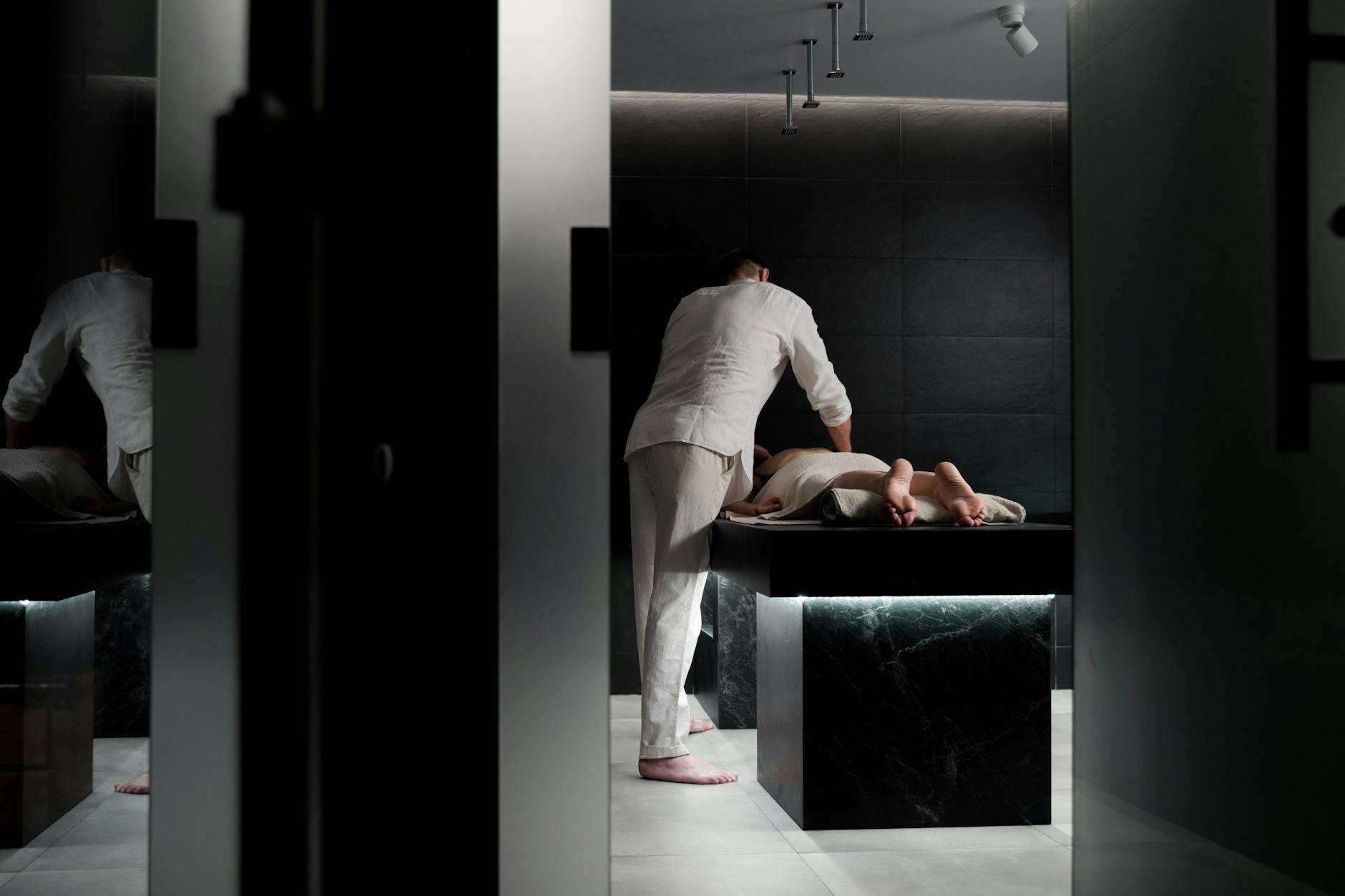
The treatment begins with clients lying on a heated marble platform called a gobek tasi, which means “belly stone.” Body temperature rises gradually as the marble radiates consistent warmth. This preparation phase opens pores and prepares skin for deep cleansing – a process that cannot be rushed.
Professional hammam attendants, known as tellaks for men and natirs for women, undergo extensive training in traditional techniques. Many luxury spas import experienced practitioners from Turkey or send staff to Istanbul for certification programs lasting several weeks.
Why Hollywood Embraces the Ottoman Experience
Celebrity wellness enthusiasts have made hammam treatments a regular part of their beauty routines. The deep exfoliation removes fake tan buildup and prepares skin for red carpet events. Unlike chemical peels or harsh scrubs, the kese mitt provides thorough exfoliation without irritation.
The black soap used in authentic hammams contains olive oil, bay oil, and eucalyptus. This combination cleanses without stripping natural oils, leaving skin soft rather than tight. Many celebrities prefer this gentle approach over aggressive treatments that can cause sensitivity.
Professional makeup artists report that skin treated with regular hammam sessions holds foundation better and appears more luminous under photography lighting. The treatment removes the microscopic dead skin cells that can make makeup appear cakey or uneven.
The relaxation aspect appeals to high-stress individuals who find traditional massage too stimulating. The hammam’s warm, humid environment naturally lowers cortisol levels and promotes deeper sleep patterns. Many clients report improved skin texture within three sessions.
The Technical Revolution in Traditional Practice
Modern spa hammams incorporate advanced filtration systems to maintain water quality while preserving the authentic experience. UV sterilization and mineral filtration replace the natural spring water used in historic bathhouses, ensuring consistent purity without changing the treatment’s effectiveness.
Temperature control systems maintain precise heat levels across marble surfaces. Traditional hammams relied on coal-fired heating systems that required constant monitoring. Contemporary versions use radiant heating with digital controls that maintain optimal temperatures throughout the day.
Some luxury locations offer private hammam suites for couples or individuals who prefer exclusivity. These feature individual heating systems, private changing areas, and dedicated attendants. The Peninsula Beverly Hills recently opened three private hammam rooms that book months in advance.
Professional-grade kese mitts are now manufactured specifically for luxury spa use. These maintain the traditional weave pattern but use materials that withstand frequent sanitization without losing effectiveness. Quality control ensures consistent exfoliation across all treatments.
Similar attention to traditional techniques can be seen in other beauty treatments entering mainstream practices, as estheticians are using bamboo charcoal masks in professional facials to combine ancient ingredients with modern application methods.
The Business of Bringing Turkey to America
Spa directors report that hammam treatments command 40-60% higher prices than standard body treatments. The specialized equipment, trained staff, and time requirements justify premium pricing. Most luxury locations charge between $200-400 for a complete hammam experience.
Training costs represent significant investment for spa operations. Authentic hammam requires specific techniques that differ substantially from Swedish massage or other body treatments. Staff must learn proper soap application, exfoliation patterns, and foam massage methods.
Turkish marble importation adds construction complexity and expense. Authentic hammams use specific marble types that conduct and retain heat properly. Domestic alternatives don’t provide the same thermal properties, forcing luxury spas to source materials directly from Turkish quarries.
Equipment installation requires specialized contractors familiar with radiant heating systems and proper drainage. The heated marble platforms need precise installation to ensure even heat distribution and prevent cracking. Several luxury spas have experienced costly repairs from improper installation.
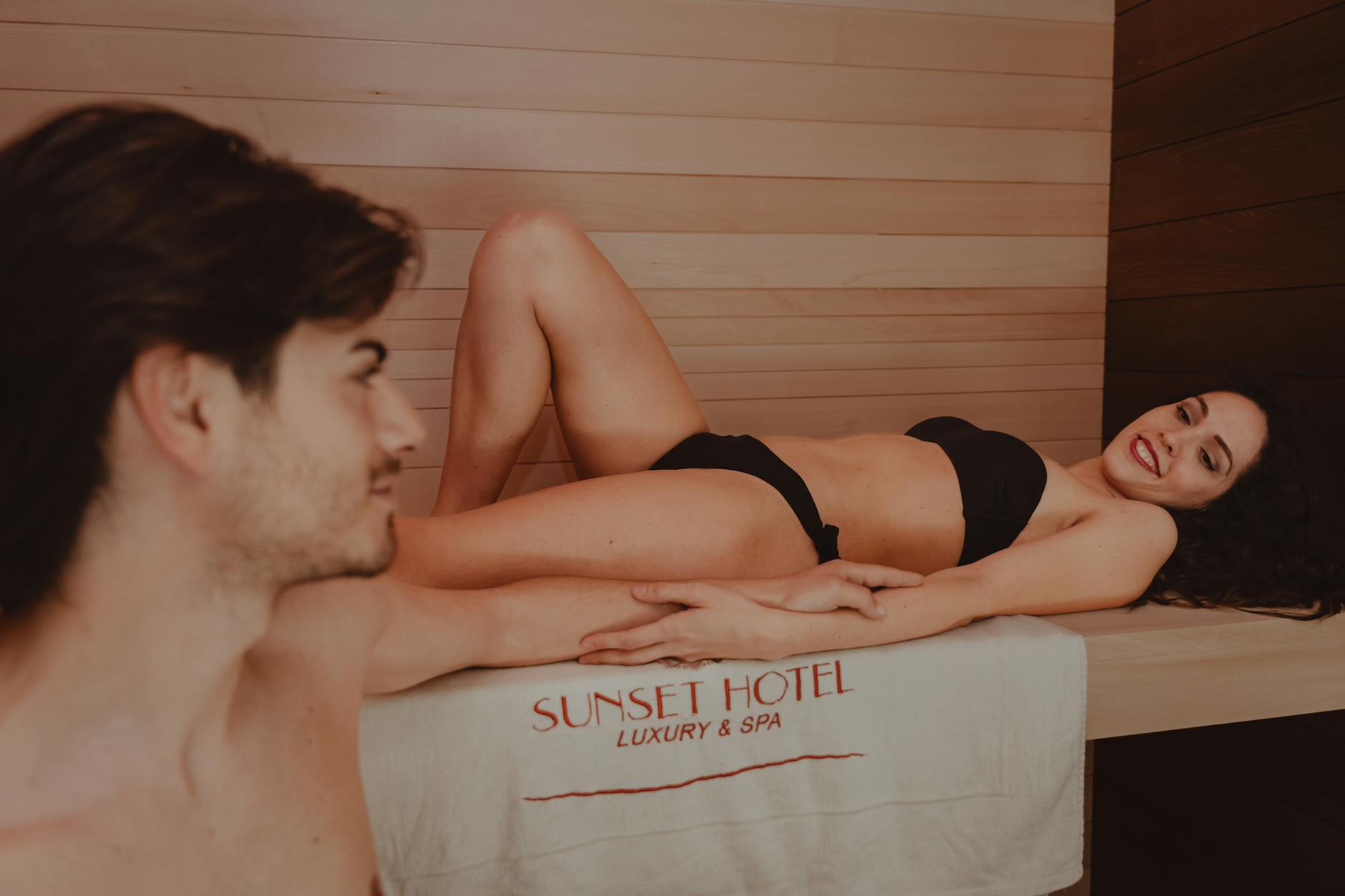
The hammam trend reflects broader consumer interest in authentic cultural experiences within luxury wellness. As travelers become more sophisticated about traditional practices from other cultures, spas must offer genuine treatments rather than adapted versions. This demand for authenticity drives the investment in proper training, materials, and technique.
Industry projections suggest hammam treatments will expand beyond luxury hotels into day spas and wellness centers within the next three years. The combination of effective results, unique experience, and premium pricing makes Turkish hammam an attractive addition for spa operators seeking differentiation in an increasingly crowded market.
Frequently Asked Questions
What makes a hammam different from a regular steam room?
Hammams use radiant heat from marble surfaces rather than steam, combined with traditional soap and exfoliation techniques.
How much do luxury hammam treatments cost?
Premium spa hammam experiences typically range from $200-400 depending on the location and services included.