


A Hermès Birkin bag from 1995 recently sold for more than a new car. Not at auction, but through a college student’s Instagram account. Welcome to the economy where Gen Z treats vintage designer handbags like Bitcoin – buying, selling, and trading them as investment vehicles rather than fashion accessories.
The shift represents a fundamental change in how the youngest adult generation views luxury goods. Instead of saving for new designer pieces, they’re hunting vintage Chanel, Dior, and Louis Vuitton bags from past decades, often flipping them for profit within months. Social media platforms have become their trading floors, and authentication apps their most trusted advisors.
What started as sustainable fashion consciousness has evolved into a sophisticated investment strategy. Gen Z consumers, facing economic uncertainty and climate anxiety, have discovered that certain vintage designer bags appreciate faster than traditional investments while serving as both functional items and status symbols.
The Numbers Behind the Handbag Economy
Vestiaire Collective reports that vintage designer handbag sales increased 67% among users aged 18-25 over the past two years. The Luxury Institute found that 43% of Gen Z consumers prefer pre-owned luxury goods, citing both environmental concerns and investment potential.
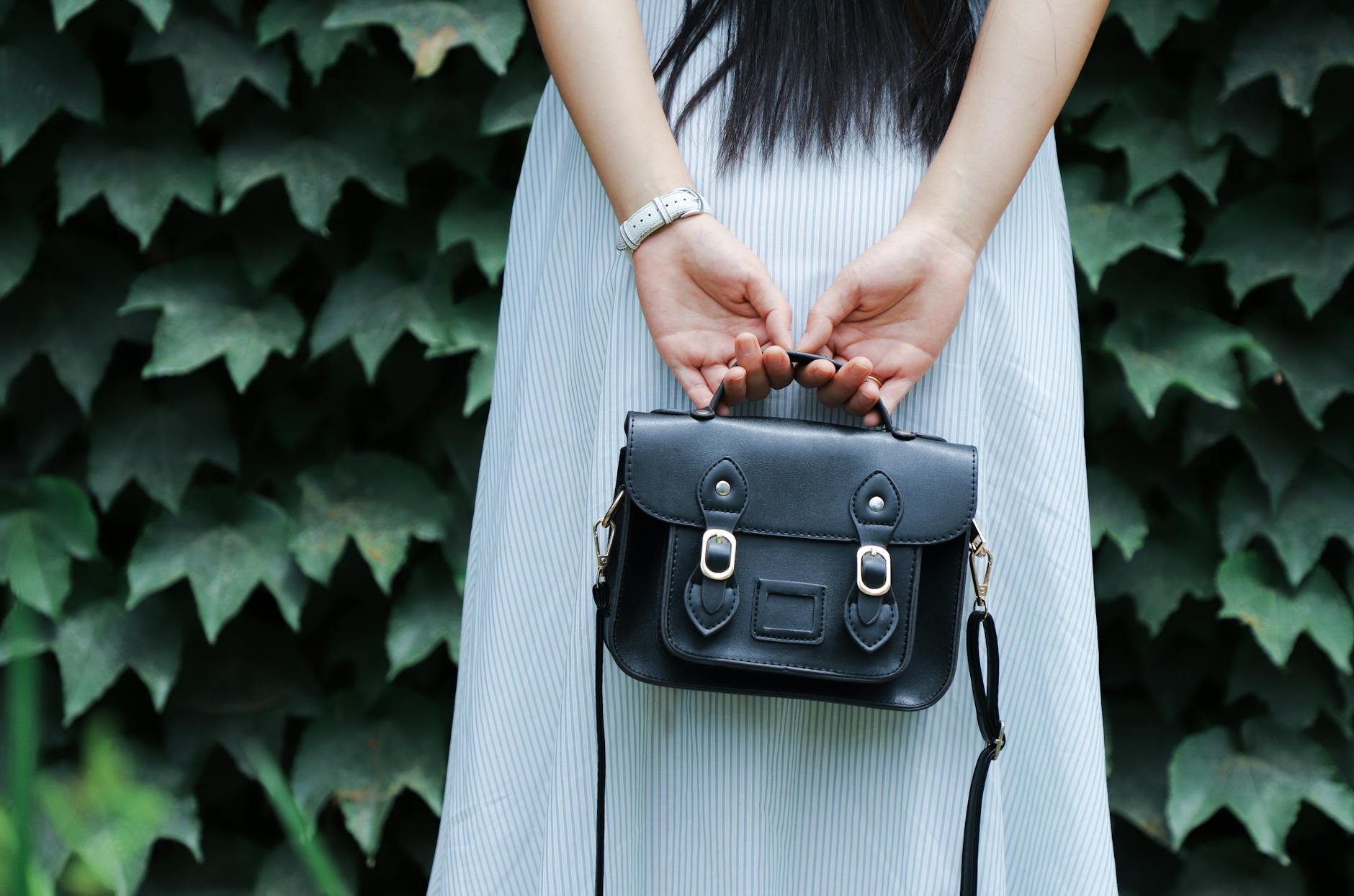
Specific vintage pieces command extraordinary returns. A 1990s Chanel quilted flap bag originally priced around $1,400 now sells for $3,000 to $5,000 in good condition. Limited edition collaborations from the early 2000s, particularly Louis Vuitton’s artist partnerships with Takashi Murakami and Stephen Sprouse, have tripled in value.
The phenomenon extends beyond ultra-luxury brands. Vintage Prada nylon bags from the 1990s, once considered practical rather than precious, now command $800 to $1,200 on resale platforms. Even Coach bags from the 1970s and 1980s have found new life, with certain vintage styles selling for more than contemporary Coach designs.
Gen Z buyers approach these purchases with spreadsheet precision. They research historical pricing, track market trends, and calculate potential returns before buying. Many maintain detailed inventories of their collections, treating handbags like stock portfolios.
Social Media as the New Marketplace
Instagram and TikTok have transformed vintage handbag trading from niche hobby to mainstream commerce. Influencers like Alyssa Coscarelli and Emili Sindlev regularly feature vintage pieces, driving demand for specific styles and eras. When a particular bag appears in viral content, prices can spike within days.
Authentication technology has made online trading feasible. Apps like Entrupy and Legit Check use AI to verify authenticity, while platforms like The RealReal and Fashionphile offer guarantee certificates. This infrastructure allows Gen Z consumers to buy and sell with confidence, even for high-value transactions.
The community aspect drives engagement beyond pure commerce. Vintage handbag Facebook groups boast hundreds of thousands of members sharing finds, discussing authentication, and coordinating group purchases from international sellers. These communities function as informal education networks, teaching newcomers about construction details, date codes, and market values.
Micro-influencers have built entire businesses around vintage handbag curation. Some college students generate substantial income by sourcing pieces from estate sales and consignment stores, then reselling through their social media channels. The personal connection and story behind each piece adds value that traditional retail cannot match.
Investment Strategy Meets Environmental Consciousness
Gen Z’s vintage handbag obsession aligns with broader sustainability values. Fast fashion skepticism has driven interest in durable, well-crafted pieces that improve with age. Buying vintage luxury goods allows them to access prestigious brands while reducing environmental impact.
The investment angle provides practical justification for expensive purchases. Unlike new designer bags that depreciate immediately, certain vintage pieces maintain or increase value. This creates a guilt-free luxury consumption model – the bag serves as both accessory and asset.
Economic factors influence the trend significantly. Traditional investment vehicles feel inaccessible to many young adults facing student debt and uncertain job markets. Vintage handbags offer tangible assets they can use and enjoy while potentially building wealth. The psychology differs markedly from previous generations who viewed handbags as consumable fashion items.
Brand heritage plays a crucial role in valuation. Pieces from fashion houses’ golden eras, particularly when under founding designers’ direction, command premium prices. A Chanel bag from Karl Lagerfeld’s early tenure or a Dior piece from John Galliano’s dramatic period carries historical significance beyond brand recognition.
The COVID-19 pandemic accelerated these trends as people reassessed spending priorities. Rather than accumulating multiple cheaper bags, Gen Z consumers increasingly invest in fewer, higher-quality vintage pieces that offer longevity and potential returns.
The Future of Luxury Resale
Major fashion houses are responding to the vintage boom with mixed strategies. Some, like Chanel and Hermès, have raised new bag prices significantly, potentially driving more consumers toward vintage alternatives. Others are launching their own authenticated resale programs to capture this market segment.
Technology continues evolving to support the vintage market. Blockchain authentication is being tested to create permanent authenticity records. AI pricing algorithms help sellers optimize listing prices based on real-time market data. These innovations make vintage trading more efficient and trustworthy.
The trend shows no signs of slowing as more Gen Z consumers enter their prime earning years. Unlike thrifted designer scarves that became Silicon Valley’s new status symbol, vintage handbags represent serious financial commitment and long-term thinking.
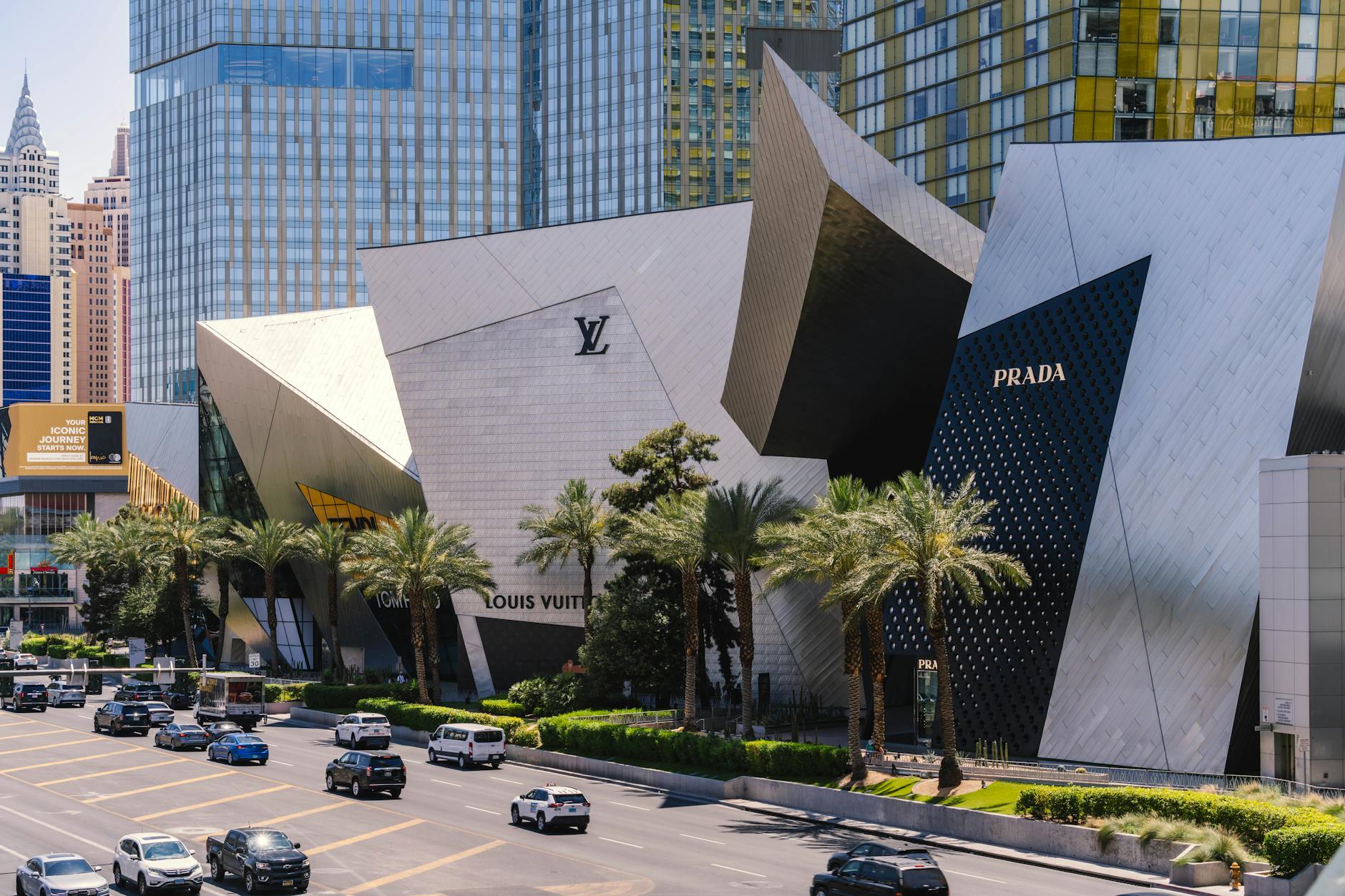
Market expansion seems inevitable as awareness grows. Currently concentrated among fashion-savvy urban consumers, vintage designer handbag investment is spreading to suburban markets and international buyers. Educational content about authentication and valuation continues expanding across social platforms.
The integration of vintage pieces into contemporary wardrobes reflects broader changes in fashion consumption. Gen Z consumers mix vintage investment pieces with contemporary items, creating distinctive personal styles while building valuable collections. This approach challenges traditional retail models and suggests lasting changes in how luxury goods are bought, sold, and valued.
As economic uncertainty continues and environmental consciousness deepens, vintage designer handbags may represent the perfect convergence of practical investment, sustainable consumption, and personal expression. For a generation that views every purchase through multiple lenses – financial, environmental, and social – these bags offer compelling value propositions that traditional luxury retail cannot match.
Frequently Asked Questions
Why do Gen Z consumers prefer vintage designer handbags over new ones?
They view vintage pieces as better investments that hold or increase value while supporting sustainability goals.
How do young people authenticate vintage designer handbags when buying online?
They use AI-powered apps like Entrupy and Legit Check, plus authentication services from platforms like The RealReal.