

Wedding planners across major cities are ditching traditional flower arrangements for innovative alternatives that deliver the same visual impact with a fraction of the environmental cost. From dried botanicals to living installations, the shift represents more than an aesthetic trend – it’s reshaping how couples think about their special day’s ecological footprint.
The wedding industry generates approximately 400 pounds of garbage per event, according to recent sustainability studies, with fresh floral arrangements contributing significantly to that waste. Traditional wedding flowers are often grown with pesticides, shipped internationally, and discarded within days. This reality has pushed planners to explore creative solutions that maintain romance while supporting environmental responsibility.
Dried Botanicals Take Center Stage
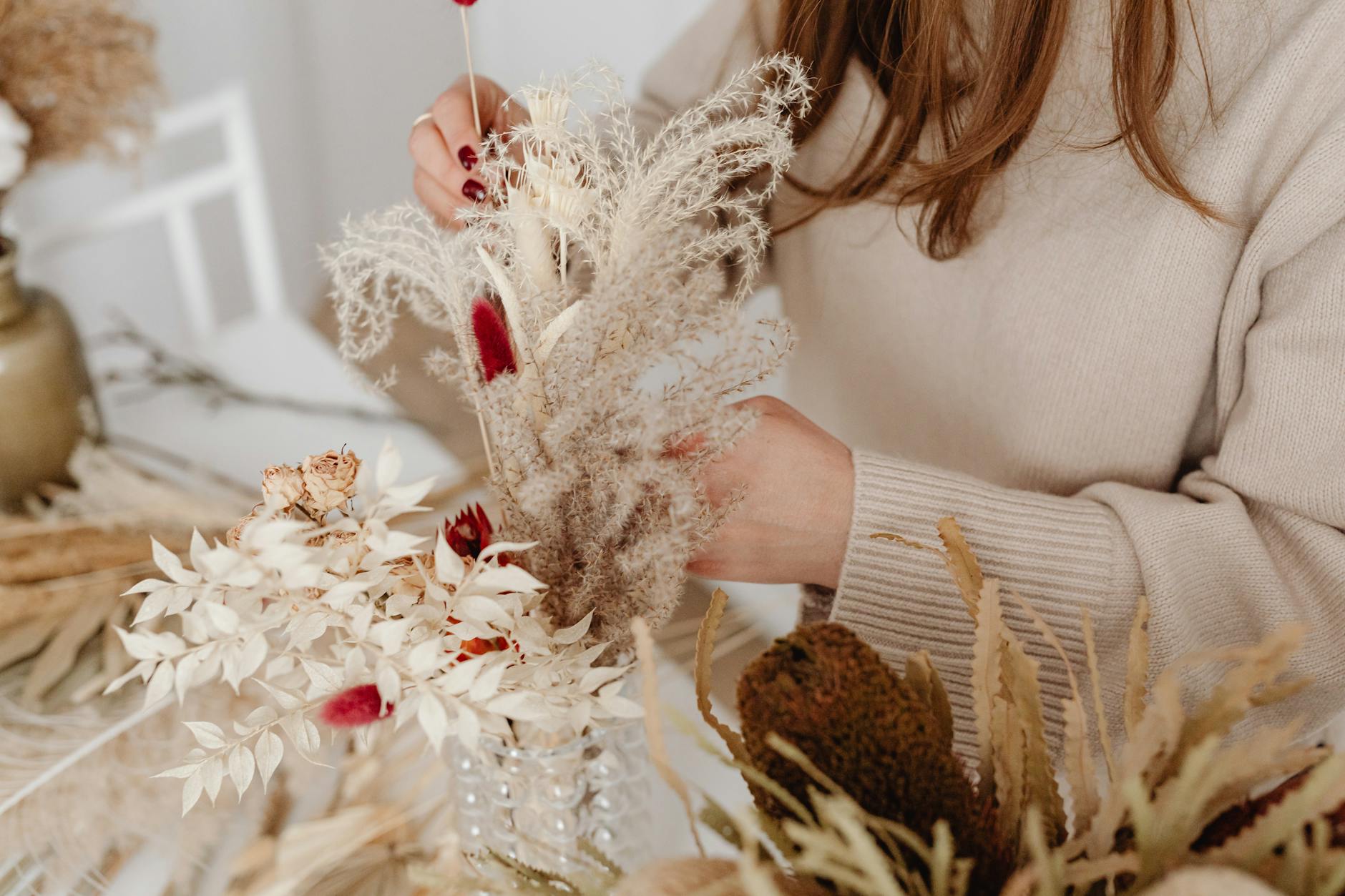
Wedding planner Sarah Martinez from Austin reports booking dried floral arrangements for 70% of her 2024 weddings, compared to just 15% three years ago. “Couples love that pampas grass, eucalyptus, and preserved roses last indefinitely,” Martinez explains. “They take arrangements home as permanent decor instead of watching expensive flowers wilt.”
Dried arrangements offer practical advantages beyond longevity. They withstand outdoor temperature changes, eliminate water damage risks to venues, and cost 30-50% less than fresh equivalents. Popular combinations include wheat stalks with preserved hydrangeas, dried lavender with bleached ferns, and cotton stems paired with preserved garden roses.
Los Angeles planner Jennifer Kim has developed signature looks using locally sourced dried materials. “California’s drought conditions actually work in our favor,” Kim notes. “We harvest grasses and branches during peak season, then air-dry everything in our warehouse. Couples get unique textures you can’t find with fresh flowers.”
The preserved flower market has expanded to meet demand. Companies like Afloral and Nearly Natural now offer extensive collections of realistic dried botanicals, while local farms increasingly dedicate acreage to plants specifically grown for drying.
Living Installations Replace Cut Flowers
Potted plants and living walls are emerging as sophisticated floral alternatives. Wedding designer Michael Torres in Miami creates elaborate displays using fiddle leaf figs, monstera plants, and trailing pothos arranged in decorative planters. “Guests often ask to take plants home,” Torres says. “It’s the opposite of waste – we’re literally giving life.”
Living installations require advance planning but offer unique benefits. Plants can be delivered weeks before events, eliminating last-minute floral stress. They photograph beautifully under various lighting conditions and create natural conversation spaces for guests.
Some planners partner with local nurseries for rental programs. Plants serve multiple weddings before being sold to customers or donated to community gardens. This circular approach appeals to environmentally conscious couples while reducing overall costs.
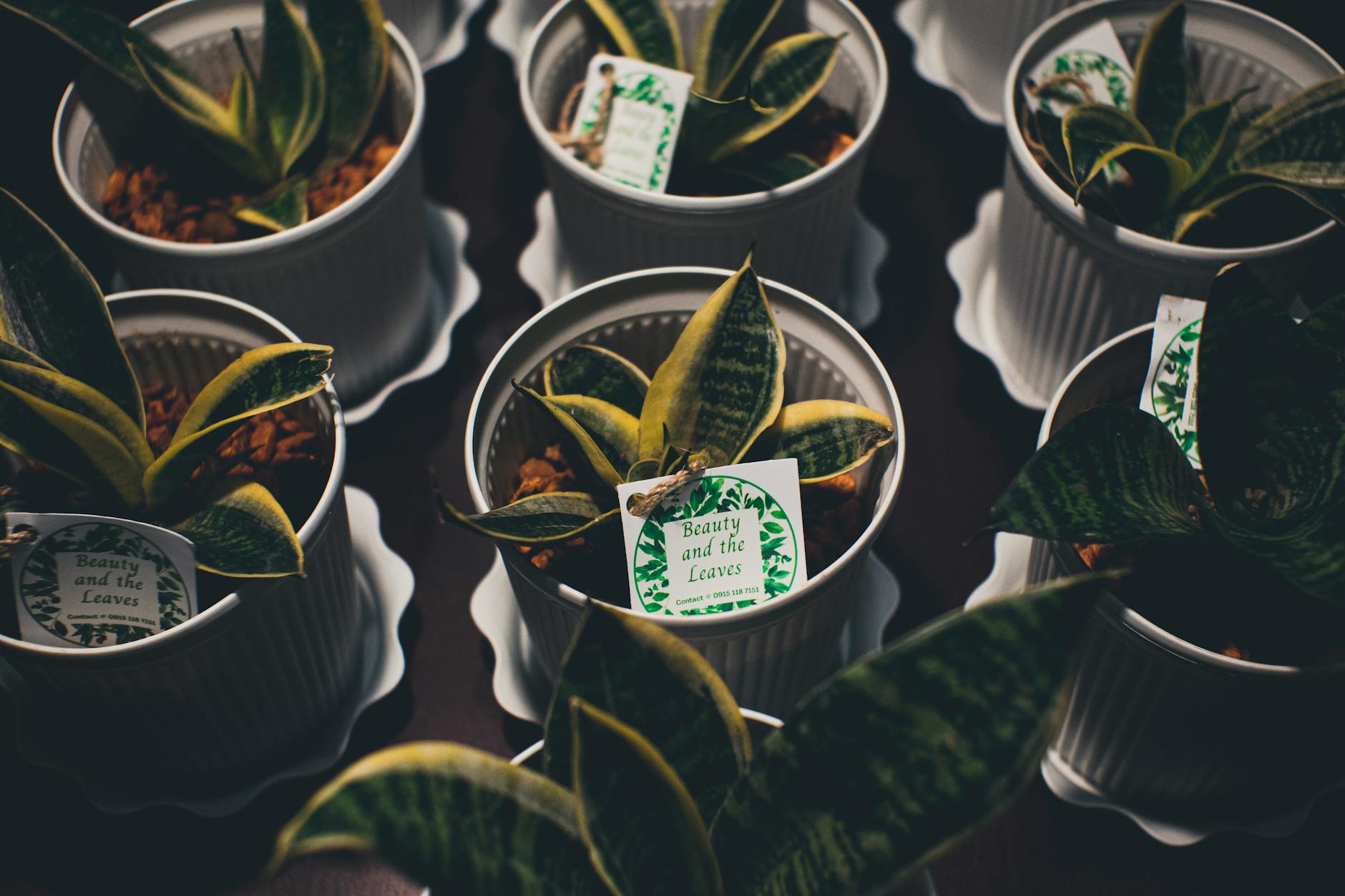
Succulent arrangements have gained particular popularity for their low maintenance and modern aesthetic. Planners create geometric displays using air plants, echeveria, and jade plants in minimalist containers. These installations work especially well for outdoor venues where traditional flowers might struggle with heat or wind.
Fabric and Paper Alternatives Gain Sophistication
High-quality artificial flowers have evolved significantly from obvious plastic imitations. Premium silk flowers from companies like Bloomingdale’s silk collection and specialty wedding vendors now fool even experienced florists at first glance. Modern manufacturing techniques create realistic textures, natural color variations, and appropriate weight distribution.
Paper flowers represent another growing category. Artisans create elaborate installations using crepe paper, tissue paper, and specialized techniques developed by companies like Lia Griffith. These arrangements can incorporate specific wedding colors impossible to achieve with natural flowers, and couples often commission paper bouquets as permanent keepsakes.
Some planners combine materials for layered effects. A centerpiece might feature a living succulent base, dried branches for height, and silk accent flowers for color pops. This mixed approach allows customization while maintaining sustainability goals.
The craftsmanship involved in quality alternatives often exceeds traditional arrangements. Paper flower artists spend hours hand-shaping petals and leaves, while silk flower designers carefully select pieces that photograph well under professional lighting.
Technology Enables Creative Solutions
LED lighting integrated into floral alternatives creates dramatic effects impossible with fresh flowers. Planners embed small battery-powered lights within dried arrangements or under living installations for ethereal evening ambiance. These technological elements align with broader wedding trends toward sustainable innovation across event planning.
Digital planning tools help couples visualize alternative arrangements before committing. Augmented reality apps allow testing different combinations of dried, living, and artificial elements within actual venue spaces. This technology reduces waste from unwanted arrangements while ensuring final designs meet expectations.
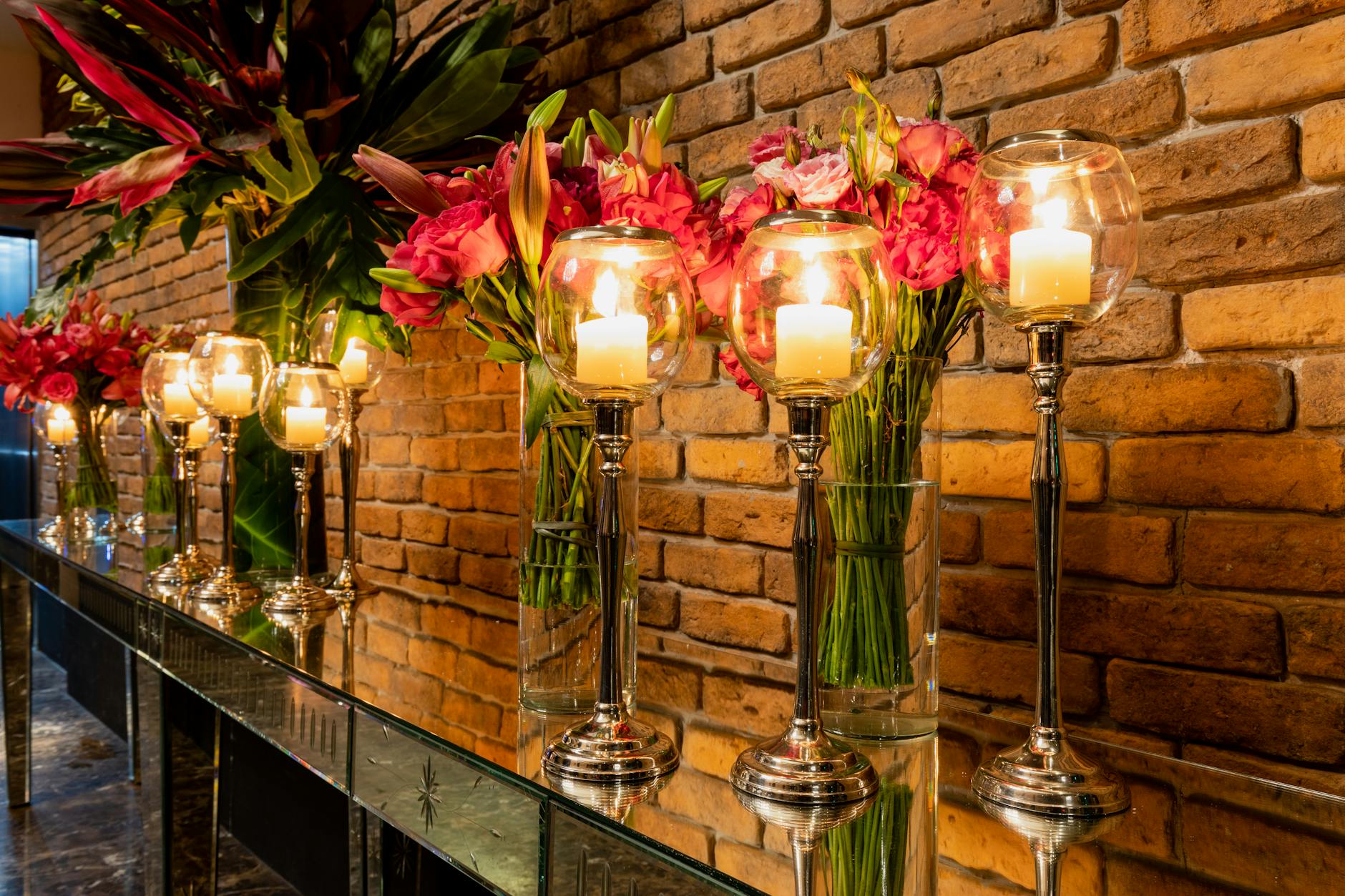
Social media influence has accelerated adoption of sustainable alternatives. Instagram and Pinterest showcase stunning dried arrangements and living walls that generate significant engagement. Couples increasingly prioritize Instagram-worthy moments that also align with environmental values, similar to trends in sustainable fashion choices.
Wedding planners report that sustainable floral alternatives often become conversation starters at receptions. Guests appreciate learning about eco-friendly choices and frequently request vendor information for their own events. This word-of-mouth marketing helps expand the sustainable wedding market organically.
The shift toward floral alternatives represents a fundamental change in wedding priorities. Couples no longer view sustainability as a compromise but as an opportunity for creativity and personalization. As climate awareness increases and sustainable options improve in quality and availability, traditional fresh flower arrangements may become the exception rather than the rule. Wedding planners who embrace these alternatives position themselves at the forefront of an industry transformation that benefits both couples and the environment.
Frequently Asked Questions
How long do dried wedding flowers last?
Properly preserved dried flowers can last indefinitely when stored away from direct sunlight and moisture.
Are artificial wedding flowers expensive?
High-quality silk flowers cost 30-50% less than fresh equivalents and can be reused for multiple events.