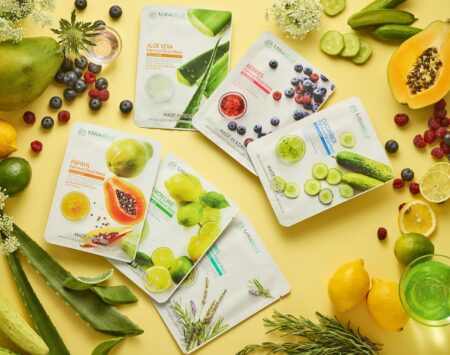


Sake skincare products are selling out faster than retailers can restock them. Major beauty chains report that Japanese rice wine-infused cleansers, serums, and masks have become some of their fastest-moving inventory, with brands like Tatcha, SK-II, and emerging indie labels capturing American consumers’ attention with traditional fermentation techniques.
The trend represents more than just another K-beauty wave. These products harness centuries-old Japanese brewing knowledge, transforming sake’s natural enzymes and amino acids into potent skincare ingredients. Beauty insiders say the movement reflects American consumers’ growing appetite for science-backed traditional remedies and sustainable beauty practices.
The Science Behind Sake’s Beauty Benefits
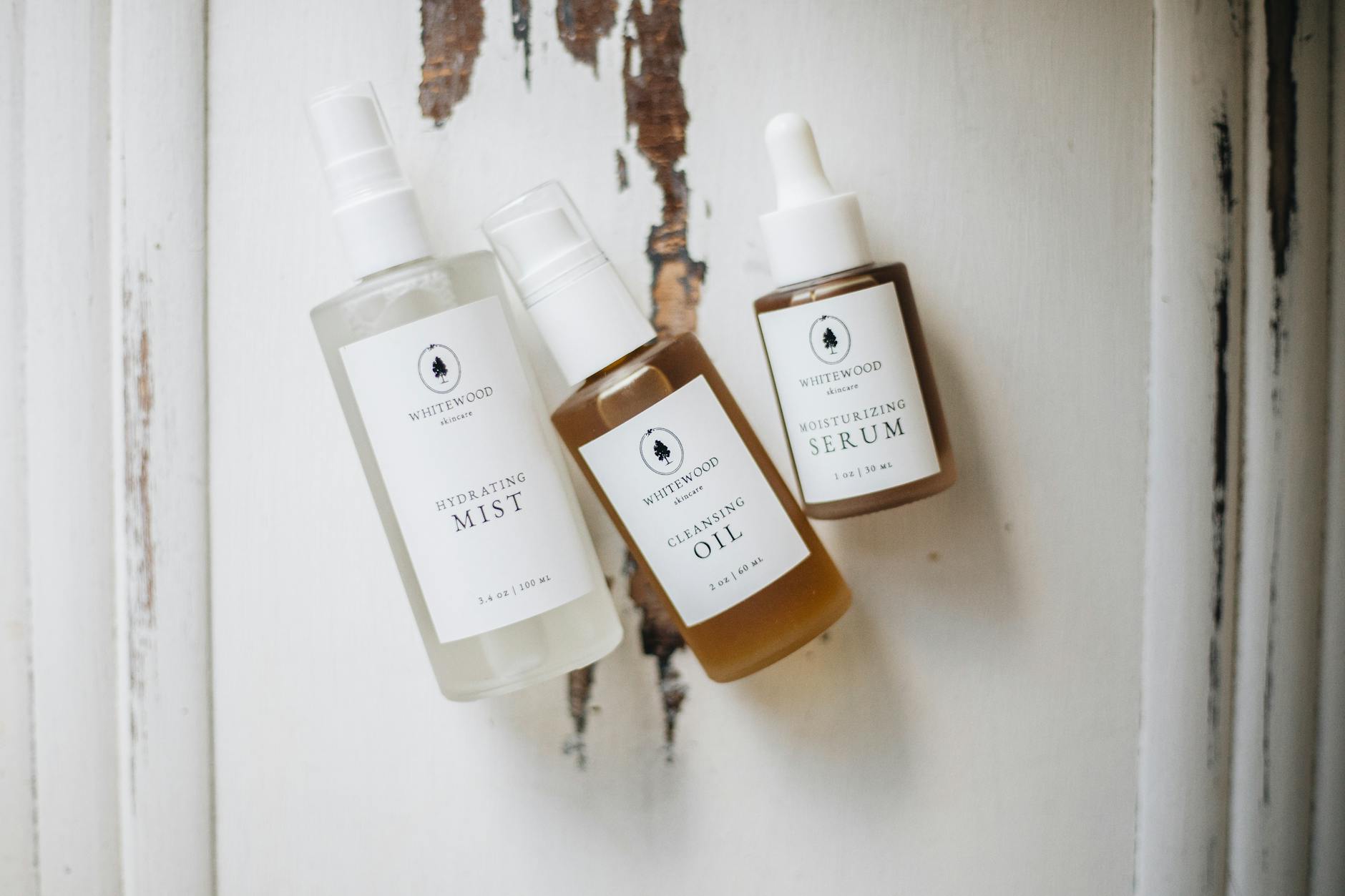
Sake contains kojic acid, a natural byproduct of rice fermentation that dermatologists recognize for its gentle brightening properties. Unlike harsh chemical exfoliants, kojic acid works gradually to even skin tone without irritation. The fermentation process also produces amino acids that support the skin’s natural moisture barrier.
Dr. Marisa Garshick, a board-certified dermatologist in New York, explains that sake’s molecular structure allows these beneficial compounds to penetrate more effectively than many synthetic alternatives. “The fermentation breaks down the rice proteins into smaller molecules that can actually reach the deeper layers of skin,” she notes.
Japanese sake breweries have partnered with cosmetic manufacturers to create skincare lines that maintain the integrity of these active compounds. Companies like Gekkeikan and Ozeki now produce specialized sake specifically for cosmetic use, ensuring consistent potency and purity levels that traditional drinking sake cannot guarantee.
The alcoholic content in sake skincare products is typically minimal or completely removed during processing, making these formulations suitable for sensitive skin types. Instead, manufacturers concentrate the beneficial fermentation byproducts while eliminating potentially irritating elements.
American Brands Embracing Japanese Techniques
Tatcha pioneered the American sake skincare market with their Rice Polish cleanser, but newer brands are expanding the category with innovative formulations. Allies of Skin launched their 1A All-Day Mask featuring sake kasu (fermentation lees), while Kora Organics introduced sake-infused facial oils that blend Japanese techniques with Australian botanicals.
Independent beauty brands are also entering the space. Los Angeles-based company Sakē launched exclusively sake-based skincare in 2023, sourcing their rice wine directly from small Japanese breweries. Their approach focuses on single-ingredient transparency, allowing consumers to experience pure sake benefits without complex formulation additives.
The trend extends beyond traditional beauty retailers. Sake bars and Japanese restaurants now stock skincare products, creating unique retail experiences that connect beauty routines with cultural education. This cross-category merchandising reflects how beauty consumers increasingly seek authentic cultural connections with their products.
Major beauty conglomerates have taken notice. Unilever acquired Japanese skincare brand Muji’s beauty division partly to access their sake fermentation expertise, while L’Oréal has invested in research partnerships with Japanese universities studying traditional fermentation cosmetics.
The Sustainability Appeal
Sake skincare aligns with growing consumer demand for sustainable beauty practices. Rice cultivation requires significantly less water than many other cosmetic ingredients, and the fermentation process creates minimal waste. Many brands emphasize their partnerships with Japanese rice farmers, supporting traditional agricultural practices while sourcing premium ingredients.
The connection to sustainable practices resonates particularly with younger consumers who prioritize environmental responsibility in their purchasing decisions. Professional makeup artists are switching to refillable cosmetics for similar reasons, indicating a broader shift toward environmentally conscious beauty choices.
Several sake skincare brands now offer refillable packaging options, with concentrated sake essences that consumers can dilute at home. This approach reduces shipping weights and packaging waste while maintaining product efficacy.
Japanese companies are also implementing zero-waste initiatives in their sake production facilities, ensuring that rice hulls and other brewing byproducts find secondary uses in agriculture or other industries. This circular approach appeals to consumers who want to support comprehensive sustainability efforts.
Celebrity Endorsements and Social Media Influence
Celebrity adoption has accelerated sake skincare’s mainstream acceptance. Actress Lucy Liu regularly posts about her Japanese-inspired beauty routine, crediting sake-based products with maintaining her skin’s clarity. Model Chrissy Teigen has featured sake masks in her social media content, introducing the concept to her millions of followers.
The visual appeal of sake skincare creates compelling social media content. The milky white texture and minimalist packaging photograph well, generating organic user-generated content that extends brands’ marketing reach without additional advertising spend.
Beauty influencers have embraced sake skincare partly because it offers something genuinely different in an oversaturated market. Rather than promoting another vitamin C serum or retinol product, they can introduce followers to ingredients and techniques that most American consumers haven’t encountered.
Why celebrities are ditching Botox for facial acupuncture treatments reflects a similar trend toward traditional wellness practices, suggesting that sake skincare fits into a broader cultural moment favoring time-tested approaches over aggressive modern interventions.

Market Predictions and Future Growth
Industry analysts project that sake skincare will expand beyond facial products into body care, hair treatments, and even makeup formulations. The success of current products has encouraged investment in research exploring sake’s potential applications across broader beauty categories.
Japanese sake producers are scaling up cosmetic-grade production to meet international demand. Several breweries have announced plans to build dedicated cosmetic facilities, recognizing that beauty applications may become as profitable as their traditional alcohol business.
The trend may also inspire similar exploration of other fermented ingredients in skincare. Korean beauty brands are already experimenting with makgeolli (rice wine) formulations, while American companies investigate wine grape fermentation byproducts for cosmetic applications.
As sake skincare becomes more established, expect to see premium lines featuring aged sake extracts and region-specific rice varieties, similar to how wine enthusiasts appreciate terroir differences. This sophistication could elevate sake skincare from trend to permanent beauty category, offering consumers both effective ingredients and cultural connection through their daily routines.
Frequently Asked Questions
Do sake skincare products contain alcohol?
Most sake skincare products have minimal or no alcohol content, focusing instead on beneficial fermentation byproducts like kojic acid and amino acids.
Are sake skincare products suitable for sensitive skin?
Yes, sake-based products are generally gentle and suitable for sensitive skin due to their natural fermentation process and mild kojic acid content.