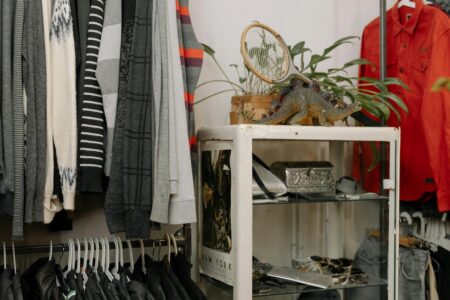


Tortoiseshell glasses, cardigans, and sensible flats are infiltrating corner offices across Manhattan. The “librarian aesthetic” – once dismissed as dowdy – has become the unofficial uniform of corporate America’s most influential professionals.
From Goldman Sachs to Google, employees are trading power suits for pussy-bow blouses and tweed blazers. This shift represents more than a fashion trend; it signals a fundamental change in how corporate culture views intelligence, approachability, and professional authority.
The movement gained momentum during the pandemic when remote work blurred traditional dress codes. As employees returned to offices, many rejected the rigid formality of pre-2020 workwear in favor of something more authentic and comfortable.
The Psychology Behind Intellectual Dressing
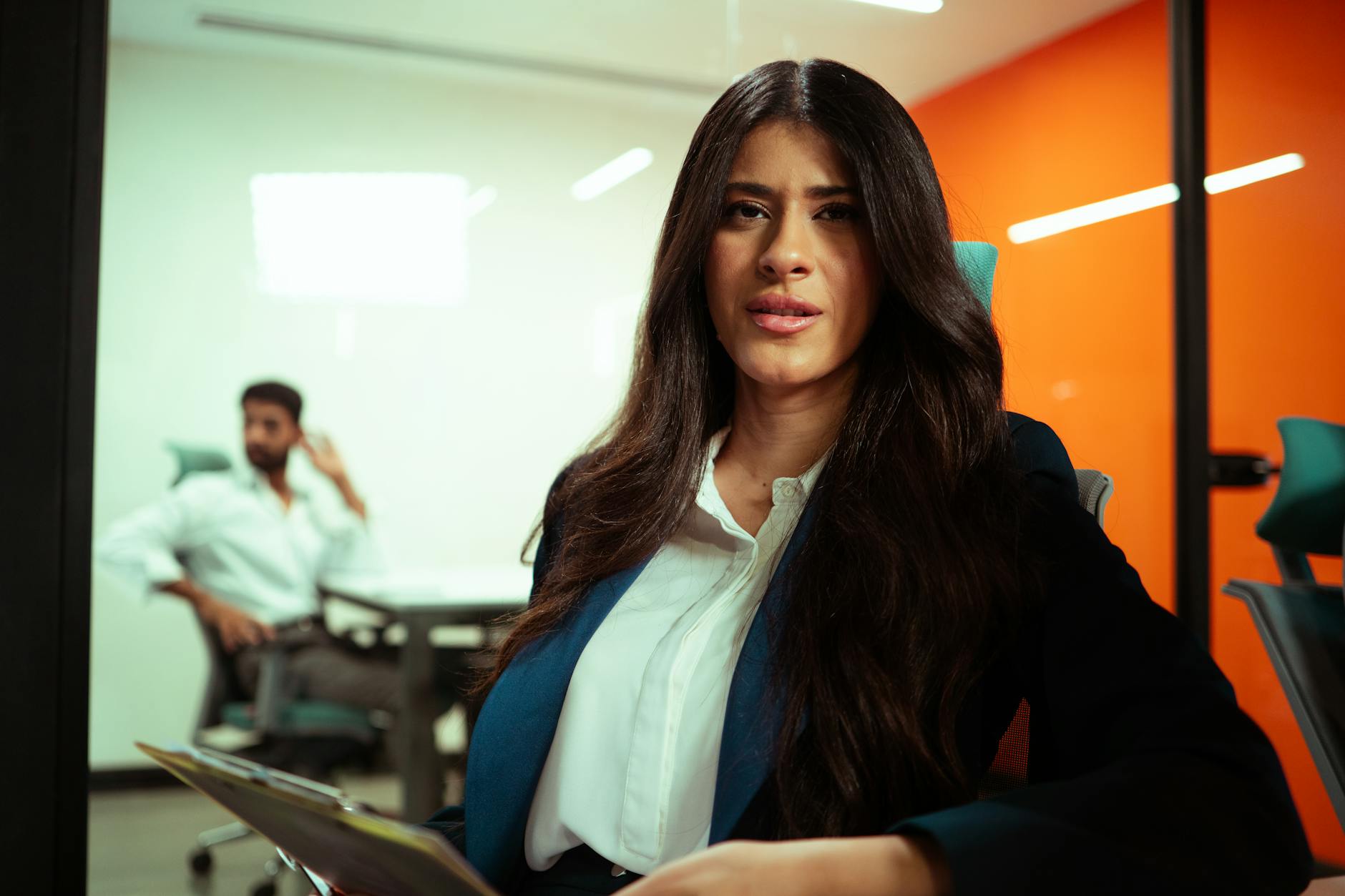
Corporate psychologists point to the “competence paradox” driving this trend. While traditional power dressing emphasized dominance and status, the librarian aesthetic communicates intelligence, reliability, and attention to detail – qualities increasingly valued in knowledge-based industries.
“There’s been a shift from commanding respect through intimidation to earning it through perceived expertise,” explains workplace culture researcher Dr. Sarah Chen. “The librarian look suggests someone who values substance over style, which resonates in our information-heavy economy.”
Tech companies were early adopters. At Apple, Microsoft, and Meta, employees began incorporating vintage-inspired elements into their wardrobes: horn-rimmed glasses, structured blazers with elbow patches, and midi skirts paired with oxford shoes. The look suggests both intellectual curiosity and practical sensibility.
Banking and law firms followed suit, though more cautiously. Young associates at major firms report feeling more confident in “smart casual” attire that nods to academic tradition rather than Wall Street excess. Pencil skirts with sweater sets, loafers instead of stilettos, and messenger bags replacing structured briefcases have become common sights in traditionally conservative industries.
Key Elements of Corporate Librarian Style
The modern librarian aesthetic adapts classic academic staples for contemporary workplaces. Neutral color palettes dominate – navy, burgundy, forest green, and camel create a sophisticated foundation that photographs well in video calls and projects competence in boardrooms.
Glasses have become the ultimate accessory, with non-prescription frames selling rapidly to professionals seeking to enhance their intellectual image. Warby Parker reports a 40% increase in sales of vintage-inspired frames to corporate customers since 2022.
Cardigans and blazers with academic details – think leather elbow patches, toggle buttons, or subtle tweed textures – replace traditional suit jackets. These pieces layer well for temperature control in office buildings while maintaining professionalism.
Footwear emphasizes comfort and practicality. Oxford shoes, loafers, and low-block heels in leather or suede have replaced towering stilettos. The message is clear: these professionals prioritize substance and comfort over traditional markers of femininity or status.

Accessories lean toward the practical and intellectual. Structured handbags that can accommodate laptops, vintage-inspired watches, and minimal jewelry create a polished but approachable appearance. Many professionals carry canvas totes or leather messenger bags instead of rigid briefcases.
Industry Impact and Brand Response
Major retailers have noticed the shift. J.Crew, Banana Republic, and Ann Taylor have expanded their “workwear” collections to include more academic-inspired pieces. Limited’s recent campaign features models in libraries and bookshops rather than corporate boardrooms, signaling the brand’s recognition of this aesthetic shift.
Direct-to-consumer brands have emerged specifically to serve this market. Companies like Everlane and Cuyana emphasize quality basics in neutral tones, while newer brands like Kotn and Quince focus on affordable versions of librarian-chic staples.
The trend extends beyond clothing to workplace culture itself. Companies are redesigning office spaces to feel more like academic institutions, with exposed brick, built-in bookshelves, and comfortable reading nooks. This physical environment complements the intellectual aesthetic many employees now embrace.
Social media has accelerated adoption, particularly on LinkedIn and TikTok. The hashtag #LibrarianChic has generated millions of views, with professionals sharing outfit inspiration and styling tips. Unlike fashion influencers promoting expensive designer pieces, these posts focus on accessible, practical choices that translate across various budgets and body types.
Cultural Shift Beyond Fashion
This aesthetic change reflects broader cultural movements toward authenticity and intellectualism in professional settings. As remote work changed workplace norms, many professionals questioned traditional corporate dress expectations.
The librarian aesthetic also aligns with sustainability concerns. Rather than constantly updating wardrobes to match fleeting trends, this style emphasizes timeless, quality pieces that can be mixed, matched, and worn for years. The focus on classic shapes and neutral colors creates a more sustainable approach to professional dressing.
Generational differences play a role as well. Millennials and Gen Z employees, who grew up with casual technology culture and value work-life balance, find the librarian aesthetic more authentic than traditional power suits. It bridges the gap between professional necessity and personal comfort.
The trend also challenges gendered expectations in professional dress. While women’s corporate attire historically emphasized sexuality or attempted to mirror men’s suits, the librarian aesthetic offers a third path – one that emphasizes competence and approachability without sacrificing femininity or authority.
Looking ahead, this shift toward intellectual dressing appears sustainable rather than fleeting. As hybrid work models become permanent and corporate culture continues evolving toward authenticity, the librarian aesthetic offers professionals a way to look polished while feeling comfortable and true to themselves.
The movement represents more than clothing choices; it signals a fundamental reimagining of what professional authority looks like in the modern workplace. In boardrooms across America, the power suit is giving way to something more approachable, sustainable, and genuinely reflective of how we actually work today.
Frequently Asked Questions
What defines the librarian aesthetic in corporate settings?
Key elements include neutral colors, cardigans or tweedy blazers, tortoiseshell glasses, comfortable flats, and structured bags that emphasize intellect over intimidation.
Why are companies embracing this trend?
The look communicates competence and reliability while being more comfortable and authentic than traditional power suits, aligning with modern workplace values.