


Men are now booking eyebrow transplant procedures at the same clinics where they once only considered hair restoration for their scalp. What started as a niche procedure has exploded into mainstream acceptance, with male grooming clinics reporting 300% increases in eyebrow transplant consultations over the past two years.
The shift represents more than just another beauty trend. Men are increasingly viewing well-defined eyebrows as essential to their professional image and personal confidence, driving demand for permanent solutions that go beyond microblading or threading.
The Science Behind Male Eyebrow Transplants
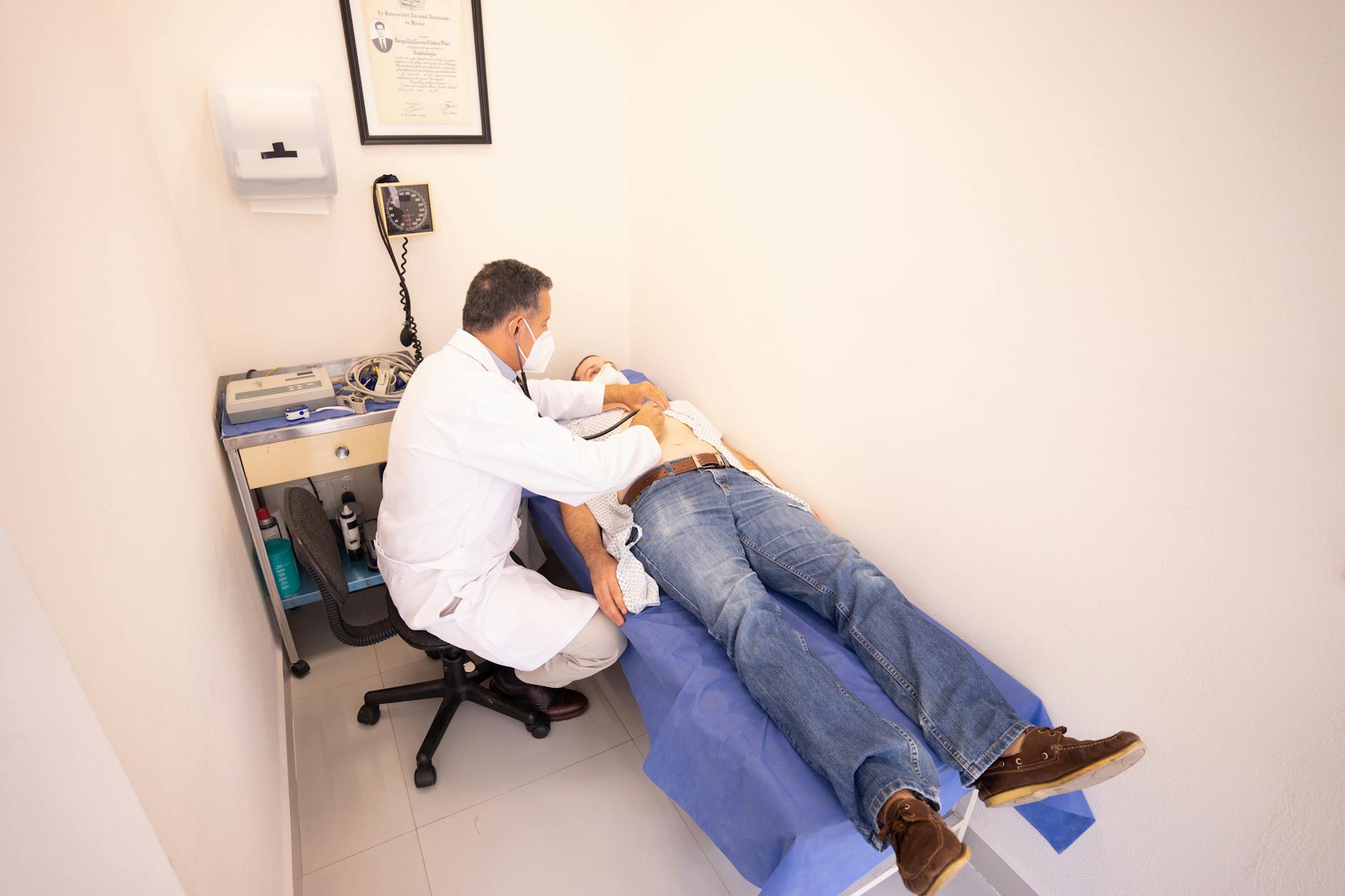
Eyebrow transplants follow the same fundamental technique used in scalp hair restoration. Surgeons extract individual hair follicles from the back of the head, where hair growth patterns most closely match eyebrow hair characteristics. These follicles are then implanted into the eyebrow area using precise angles and directions to mimic natural growth patterns.
Dr. Michael Wolfeld, a dermatologic surgeon in New York, explains that male eyebrow transplants require different considerations than female procedures. “Men typically want a straighter, more angular brow line that enhances their masculine features,” he notes. “The hair we transplant also tends to grow faster and thicker than natural eyebrow hair, so ongoing trimming becomes part of the maintenance routine.”
The procedure typically takes 4-6 hours and involves transplanting 300-600 individual follicles per eyebrow. Unlike temporary solutions, transplanted hair follicles continue growing for life, requiring regular trimming every few weeks to maintain the desired shape and length.
Who’s Getting Eyebrow Transplants
The typical male eyebrow transplant patient has evolved significantly. Initially, most clients were men experiencing eyebrow thinning due to aging, genetics, or medical treatments. Today’s clientele includes younger men in their twenties and thirties who want to enhance naturally sparse eyebrows or correct asymmetrical growth patterns.
Professional considerations drive many decisions. Men in client-facing careers, entertainment, and social media report feeling more confident with fuller, well-defined eyebrows. The rise of video calls during remote work has also made facial features more scrutinized, leading some men to seek permanent solutions for sparse eyebrows that appear even thinner on camera.

Athletes represent another growing segment. Boxing, wrestling, and contact sports can cause eyebrow scarring that prevents normal hair growth. Rather than relying on makeup or temporary fixes for public appearances, these men opt for transplant procedures that restore natural-looking eyebrows.
The LGBTQ+ community has also embraced eyebrow transplants as part of gender-affirming care. Men transitioning or exploring different expressions of masculinity use the procedure to achieve eyebrow shapes that align with their desired appearance.
Cost and Recovery Considerations
Eyebrow transplants typically cost between $3,000-$8,000, depending on the extent of work needed and geographic location. This positions the procedure as more accessible than full scalp hair transplants, which can cost $15,000 or more. Many clinics now offer financing options, making the treatment available to a broader range of clients.
Recovery involves initial scabbing and redness that subsides within 7-10 days. The transplanted hairs typically fall out within 2-4 weeks, which surprises many first-time patients. New growth begins around month three, with full results visible by month twelve. During the growth phase, regular trimming appointments become necessary to maintain the desired shape.
Aftercare requires avoiding sun exposure, swimming, and intense physical activity for the first two weeks. Most men return to work within 3-5 days, though some schedule procedures before long weekends to allow for additional healing time. Unlike scalp Botox treatments that require ongoing maintenance, eyebrow transplants provide permanent results after the initial healing period.
The Integration with Male Grooming Services
Forward-thinking male grooming clinics are expanding beyond traditional services to include eyebrow transplants as part of comprehensive facial enhancement packages. These clinics recognize that modern men want coordinated approaches to their appearance, combining treatments like facial rejuvenation, hair restoration, and eyebrow enhancement.
The integration makes business sense for both providers and clients. Men can address multiple grooming concerns during the same consultation period, and clinics can offer package pricing that makes individual treatments more affordable. Some facilities now provide pre-transplant eyebrow shaping services to help clients visualize their desired results before committing to the permanent procedure.
Staff training has evolved to include eyebrow design principles specifically for male clients. This specialized knowledge helps practitioners create results that enhance masculine features rather than simply copying techniques developed for female clients.
Looking Forward
The eyebrow transplant trend shows no signs of slowing. Clinics report booking consultations months in advance, and many are expanding their surgical suites to accommodate growing demand. As social acceptance of male grooming procedures continues increasing, eyebrow transplants are becoming as routine as other cosmetic enhancements.
Technology improvements promise even better results in coming years. Robotic follicle extraction systems are making procedures faster and more precise, while advanced imaging helps surgeons design optimal eyebrow shapes for each client’s facial structure. The combination of improved techniques and growing social acceptance suggests eyebrow transplants will become a standard option in male grooming arsenals.
Frequently Asked Questions
How long do male eyebrow transplants take to show results?
New growth begins around month three, with full results visible by month twelve after the initial transplanted hairs fall out.
What’s the cost range for male eyebrow transplants?
Procedures typically cost between $3,000-$8,000 depending on the extent of work needed and geographic location.