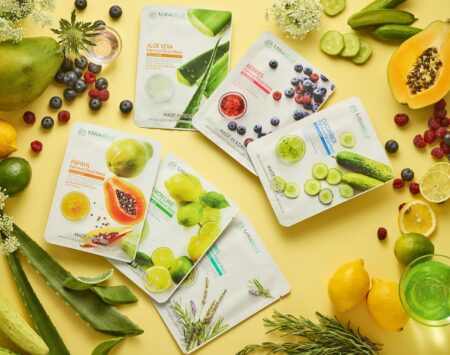


Laboratories worldwide are dusting off medieval manuscripts, discovering that centuries-old skincare remedies contain compounds modern science is only beginning to understand. Beauty brands like The Ordinary, Drunk Elephant, and Paula’s Choice are incorporating ingredients that medieval healers used to treat everything from acne to aging – backed now by clinical research that validates what herbalists knew instinctively.
The resurgence isn’t driven by nostalgia but by necessity. As consumers demand cleaner formulations and chemists exhaust synthetic options, these time-tested ingredients offer proven efficacy with gentler profiles than their laboratory-created counterparts.
Bakuchiol: The Medieval Retinol Alternative
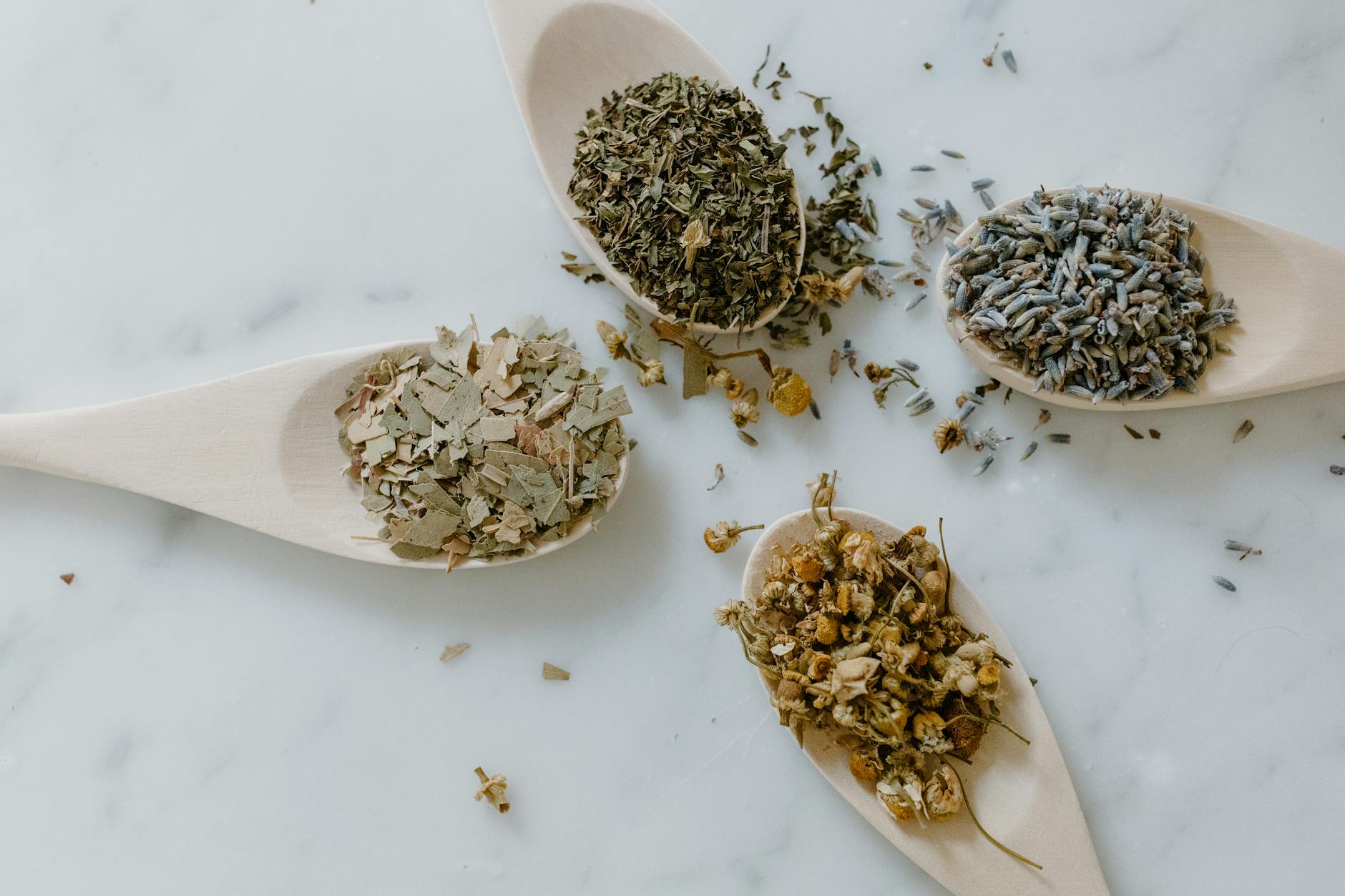
Psoralea corylifolia, known in medieval texts as “bu gu zhi,” produced seeds that Asian healers ground into potent anti-aging treatments. Modern research reveals bakuchiol, the plant’s active compound, delivers retinol-like results without the irritation, photosensitivity, or pregnancy restrictions.
Dr. Rajani Katta, a dermatologist and researcher, explains that bakuchiol stimulates collagen production and reduces hyperpigmentation through different pathways than retinol. “It’s not trying to mimic retinol – it’s working through entirely different mechanisms to achieve similar outcomes,” she notes.
Brands like Herbivore Botanicals, Ole Henriksen, and Biossance now feature bakuchiol as a primary active ingredient. Clinical studies show 12 weeks of bakuchiol use produces comparable improvements in fine lines and firmness to retinol, making it particularly attractive to pregnant women and those with sensitive skin.
The ingredient’s stability under sunlight – unlike retinol, which degrades rapidly – means users can apply bakuchiol products during daytime routines without compromising effectiveness.
Willow Bark: Beta Hydroxy Acid’s Ancient Origin
Medieval physicians prescribed willow bark tea and poultices for inflammation and pain, unknowingly harnessing salicin’s chemical properties. When processed, salicin converts to salicylic acid – the same beta hydroxy acid that powers modern acne treatments and chemical peels.
Unlike synthesized salicylic acid, willow bark extract provides a buffered delivery system. The plant’s natural tannins and flavonoids moderate the acid’s intensity, reducing irritation while maintaining exfoliating benefits. This gentler profile makes willow bark particularly suitable for sensitive skin types who cannot tolerate traditional BHA formulations.
Brands including Burt’s Bees, Korres, and Juice Beauty incorporate willow bark extracts in cleansers and serums. The ingredient’s anti-inflammatory properties complement its exfoliating action, addressing both active breakouts and post-inflammatory hyperpigmentation.
Research published in the International Journal of Cosmetic Science demonstrates that willow bark extract achieves significant pore refinement and texture improvement with minimal irritation compared to equivalent concentrations of synthetic salicylic acid.
Sea Buckthorn: The Viking Beauty Secret
Scandinavian texts describe sea buckthorn oil as a remedy for weathered skin, wounds, and premature aging. The bright orange berries contain exceptional concentrations of vitamins C and E, beta-carotene, and rare omega-7 fatty acids that support skin barrier function and cellular regeneration.
Modern analysis reveals sea buckthorn’s vitamin C content exceeds that of citrus fruits by nearly fifteen times. The berries’ palmitoleic acid – omega-7 – specifically targets skin healing and hydration, making it particularly effective for mature or damaged skin.
Weleda, Tata Harper, and Pai Skincare feature sea buckthorn in their premium formulations. The ingredient’s natural retinyl palmitate content provides gentle vitamin A activity without the harshness associated with synthetic retinoids.
Clinical trials demonstrate that topical sea buckthorn application improves skin elasticity, reduces trans-epidermal water loss, and accelerates wound healing. These benefits align precisely with medieval accounts of the ingredient’s restorative properties.
Rose Hip Seed Oil: Medieval Luxury Meets Modern Science
Persian and European medieval texts document rose hip preparations for maintaining youthful skin and treating scars. The seeds’ oil contains naturally occurring tretinoin – the active form of vitamin A – along with essential fatty acids that support skin renewal.
Unlike synthetic retinoids, rose hip seed oil’s vitamin A exists in gentle, naturally occurring forms that rarely cause irritation. The oil’s high linoleic acid content helps regulate sebum production, making it beneficial for both dry and acne-prone skin types.
Contemporary beauty brands like Trilogy, Pai, and Rosehip PLUS have built entire product lines around this medieval staple. The ingredient’s versatility allows formulators to address multiple skin concerns – aging, scarring, hyperpigmentation, and dehydration – with a single active component.
Research confirms that regular rose hip seed oil application significantly improves photoaging markers, reduces scar visibility, and enhances overall skin texture. These findings validate centuries of traditional use across diverse cultures and climates.
The integration of these ingredients reflects broader industry trends toward traditional wellness practices gaining scientific validation, as consumers seek authenticity and efficacy in their beauty routines.

The Future of Ancient Wisdom
Pharmaceutical companies are investing heavily in bioprospecting – systematically analyzing traditional remedies for active compounds. This research pipeline promises to bring additional medieval ingredients into mainstream skincare as extraction and stabilization technologies advance.
The trend represents more than ingredient substitution; it signals a fundamental shift toward understanding skin health through both traditional knowledge and modern scientific methods. As regulatory bodies increasingly scrutinize synthetic cosmetic ingredients, these historically proven alternatives offer formulators safer, more sustainable options.
Consumers are driving demand for products with heritage stories and proven track records, creating market opportunities for brands that can successfully bridge ancient wisdom with contemporary beauty science. The medieval skincare revival is just beginning, with promising ingredients still awaiting their modern scientific validation.
Frequently Asked Questions
What medieval ingredients are being used in modern skincare?
Bakuchiol from Psoralea corylifolia, willow bark extract, sea buckthorn oil, and rose hip seed oil are among the most popular medieval ingredients in contemporary beauty products.
Are medieval skincare ingredients safer than synthetic ones?
Many medieval ingredients offer gentler alternatives to synthetic compounds, with natural buffering systems that reduce irritation while maintaining efficacy.