The gentle hum of singing bowls now accompanies the familiar sounds of steam and extraction at leading spas across America. Professional estheticians are incorporating sound therapy into their facial treatments, combining ancient healing practices with modern skincare techniques to address both skin concerns and stress-related aging.
This emerging trend reflects a growing understanding of the mind-skin connection. Research shows chronic stress elevates cortisol levels, which breaks down collagen and accelerates aging. By integrating sound healing elements like crystal bowls, tuning forks, and guided meditation into facial sessions, estheticians are treating the root causes of skin issues rather than just surface symptoms.
High-end spas in New York, Los Angeles, and Miami report increased client demand for these multi-sensory experiences. Celebrity facialist Georgia Louise, who works with clients like Jennifer Aniston and Emma Stone, recently added sound therapy elements to her signature treatments at her Manhattan clinic.
The Science Behind Sound and Skin Health
Sound therapy operates on specific frequencies that reportedly trigger the body’s relaxation response. When exposed to certain tones, the nervous system shifts from sympathetic (fight-or-flight) to parasympathetic (rest-and-digest) mode. This physiological change directly impacts skin health by reducing inflammation and improving circulation.
Dr. Jessica Wu, a Los Angeles-based dermatologist, explains that stress hormones like cortisol and adrenaline constrict blood vessels, limiting oxygen and nutrient delivery to skin cells. Sound therapy helps reverse this process by activating the vagus nerve, which controls the body’s relaxation response.
During a typical sound-enhanced facial, clients experience frequencies ranging from 396 Hz to 963 Hz. Each frequency targets different aspects of wellness – 528 Hz is often called the “love frequency” for its calming properties, while 741 Hz is believed to promote cellular repair. While scientific research on specific frequencies remains limited, the overall stress-reduction benefits are well-documented.
Estheticians report that clients who receive sound therapy facials show improved skin texture and reduced signs of stress-related aging compared to traditional treatments alone. The combination appears particularly effective for addressing tension-related issues like jaw clenching, which can cause premature wrinkles around the mouth and eyes.
Popular Sound Therapy Techniques in Facial Treatments
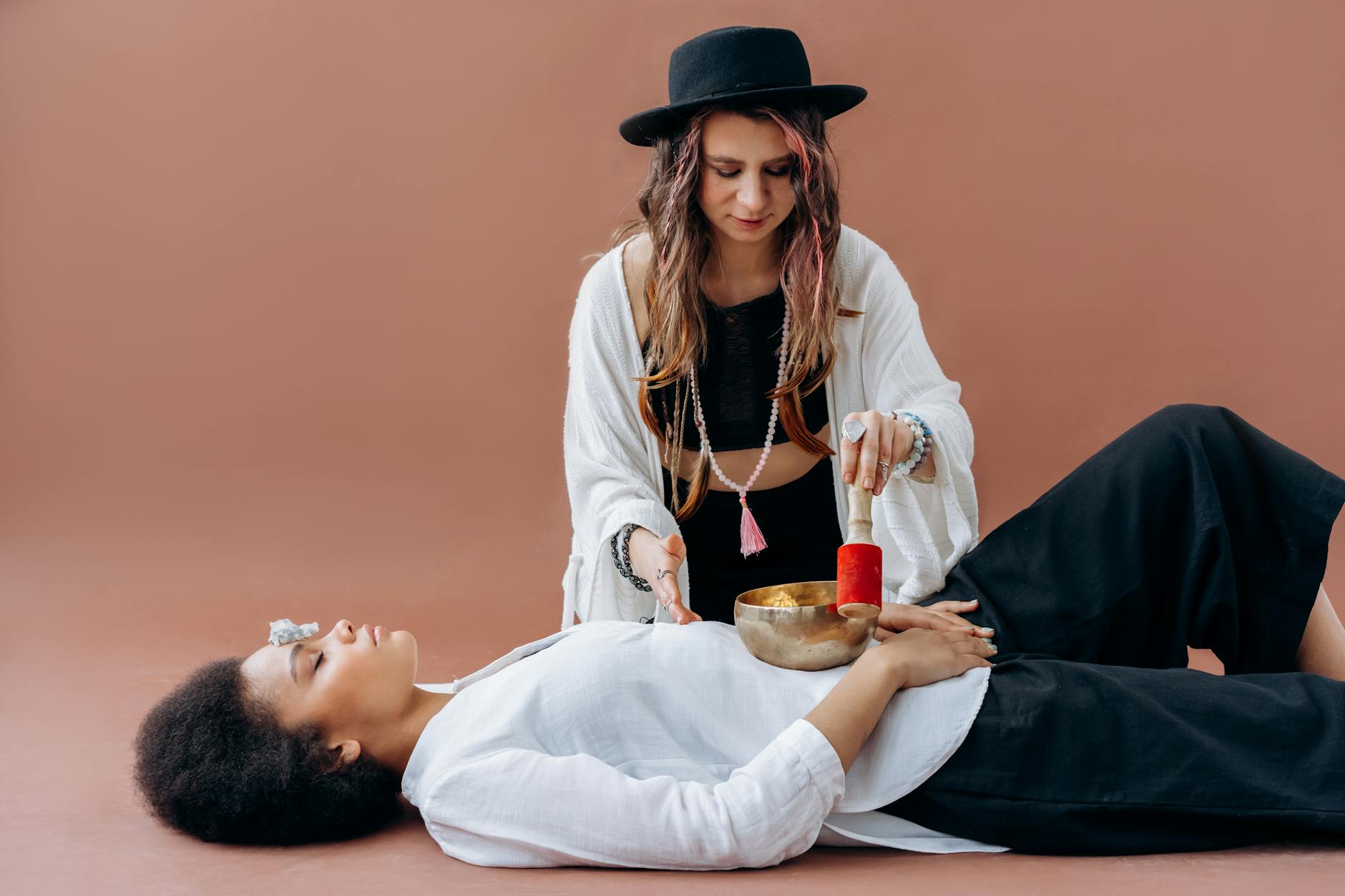
Crystal singing bowls represent the most popular sound therapy addition to facial treatments. Made from quartz crystal, these bowls produce pure, sustained tones when struck or rubbed with a mallet. Estheticians typically use smaller bowls during the treatment, placing them near the client’s head or incorporating them during mask application.
Tuning forks offer more precise frequency control. Licensed esthetician Sarah Kim at The Spa at Four Seasons Beverly Hills uses weighted tuning forks on specific acupressure points around the face during her signature “Harmonic Facial.” The vibrations reportedly help release muscle tension while the frequencies promote cellular regeneration.
Binaural beats, played through headphones, create a third frequency when two different tones are presented to each ear. This technique helps induce specific brainwave states – alpha waves for relaxation or theta waves for deep healing. Many estheticians incorporate binaural beats during extractions or chemical peels to help clients manage discomfort.
Guided meditation with nature sounds has become standard at eco-conscious spas. The combination of ocean waves, forest sounds, or rainfall with traditional facial techniques creates an immersive experience that many clients find more effective than standard relaxation music.
Some practitioners are experimenting with live sound healing, inviting certified sound therapists to perform alongside facial treatments. These sessions often include multiple instruments – Himalayan singing bowls, rain sticks, and chimes – creating a concert-like atmosphere during the skincare service.
Integration with Advanced Skincare Techniques
Sound therapy pairs particularly well with modern facial technologies and advanced skincare methods. Many estheticians combine sound healing with LED light therapy, creating what they call “chromotherapy facials” that address skin through both light and sound frequencies.
The integration extends to product selection as well. Just as dermatologists are now prescribing mushroom-based skincare treatments for their adaptogenic properties, estheticians are choosing products that complement the stress-relief aspects of sound therapy.
Microcurrent facials, which use low-level electrical currents to tone facial muscles, reportedly work more effectively when combined with relaxing sound frequencies. Clients remain calmer during the treatment, allowing for better muscle response to the electrical stimulation.
HydraFacial providers are also adopting sound elements. The treatment’s extraction and infusion steps, which can sometimes feel uncomfortable, become more tolerable when accompanied by carefully selected frequencies that promote relaxation and pain reduction.
Some estheticians incorporate sound therapy during chemical peels or dermaplaning sessions. The calming effects help clients remain still and relaxed during these precision treatments, reducing the risk of movement that could affect results.
Training and Certification Requirements
As sound therapy gains popularity in skincare settings, professional standards are emerging. The International Association for Sound Therapy offers certification programs specifically designed for wellness professionals, including estheticians who want to incorporate these techniques.
Most state licensing boards don’t specifically regulate sound therapy in esthetic practice, but estheticians must stay within their scope of practice. This typically means they can use sound as a relaxation enhancement but cannot make medical claims about healing specific conditions.
Leading esthetics schools are adding sound therapy modules to their curricula. The Aveda Institute now includes basic sound healing principles in their advanced facial technique courses, while the International Dermal Institute offers continuing education workshops on integrative wellness approaches.
Professional liability insurance providers are also adapting to cover these expanded services. Estheticians must ensure their policies include coverage for alternative wellness modalities if they plan to incorporate sound therapy into their practice.
The investment in sound therapy equipment varies widely. Basic crystal bowl sets start around $200, while professional-grade sound systems with multiple instruments and frequency generators can cost several thousand dollars. Many estheticians begin with simple additions like meditation tracks or single crystal bowls before expanding their offerings.
Client Reception and Market Growth
Early adopters report enthusiastic client response to sound-enhanced facials. Spa industry data shows that wellness-focused treatments command 15-20% higher prices than traditional services, with clients willing to pay premiums for multi-sensory experiences.
The trend aligns with broader wellness movements emphasizing holistic health approaches. Millennials and Gen Z clients particularly seek treatments that address both physical and mental well-being, driving demand for these integrated services.
Social media has amplified interest in sound therapy facials. Instagram and TikTok videos featuring singing bowls and meditation elements during skincare treatments regularly generate millions of views, introducing the concept to wider audiences.
The COVID-19 pandemic accelerated interest in stress-reduction treatments. Many clients report that sound therapy facials help them process anxiety and tension that accumulated during lockdowns and ongoing health concerns.
As the beauty industry continues evolving toward wellness integration, sound therapy represents a natural progression. The combination of proven skincare techniques with stress-reduction methods addresses modern clients’ desire for treatments that nurture both appearance and well-being. This holistic approach positions estheticians at the forefront of a movement that recognizes beauty as inseparable from overall health and mental wellness.
Frequently Asked Questions
What is sound therapy in facials?
Sound therapy facials combine traditional skincare with healing frequencies from crystal bowls, tuning forks, or meditation to reduce stress and improve skin health.
Are sound therapy facials more expensive than regular facials?
Yes, sound-enhanced treatments typically cost 15-20% more than traditional facials due to the specialized equipment and training required.