


A torn silk blouse once destined for the donation bin now graces the runway at Paris Fashion Week, its deliberately visible stitching transformed into decorative art. Welcome to fashion’s latest paradox: the luxury industry’s embrace of mending techniques born from economic desperation.
The Great Depression forced an entire generation to master visible mending, turning necessity into craft. Today’s designers are mining these same techniques-darning, patching, and sashiko-style reinforcement-not from economic hardship, but as statements of sustainability and authenticity. What began as survival skills have become the season’s most coveted details.
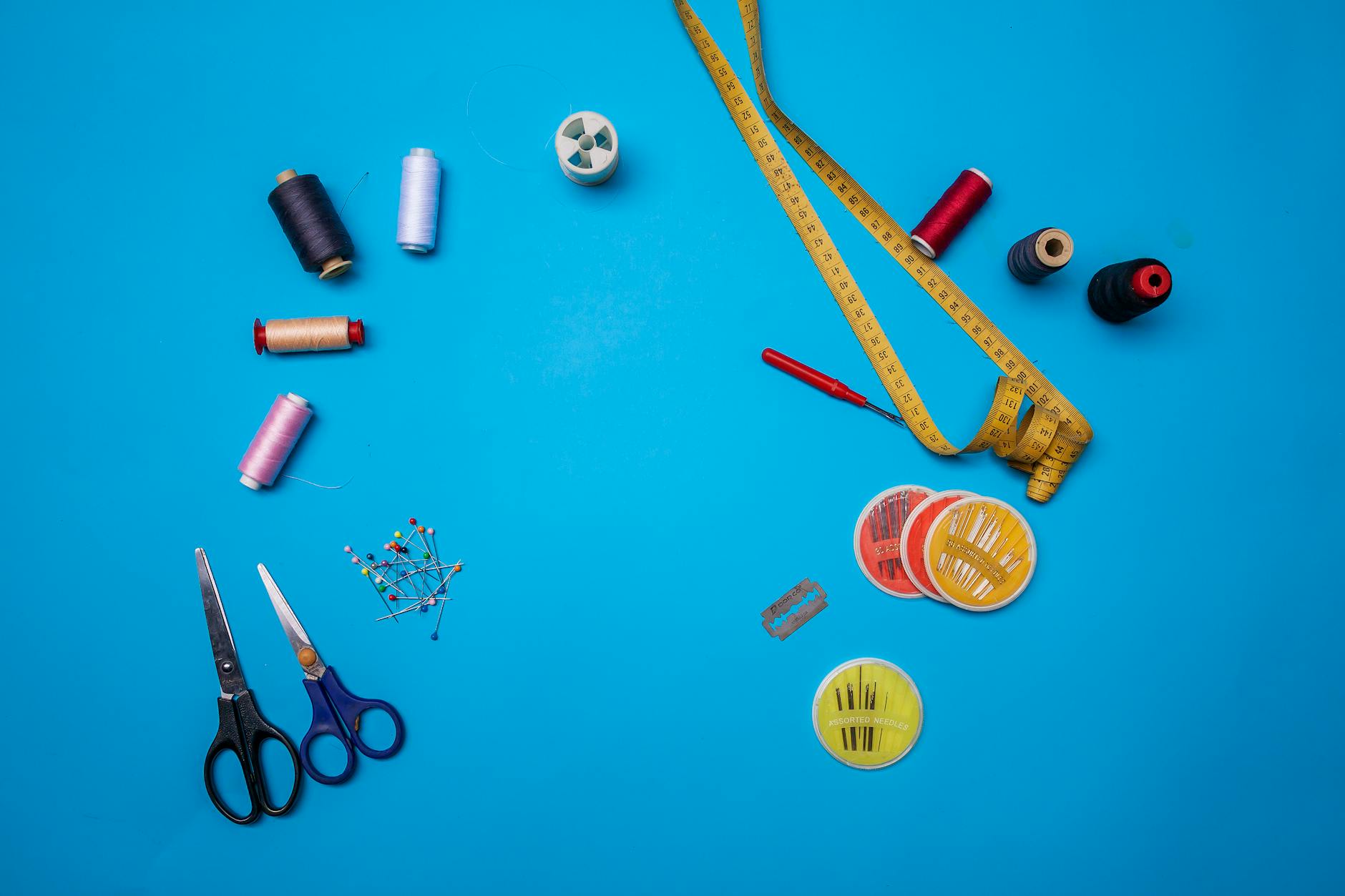
From Necessity to Luxury Statement
Gabriela Hearst led the charge in 2021 when she showcased wool sweaters with intentional darning at her New York Fashion Week show. The technique, traditionally used to repair holes in socks and knitwear, became her signature aesthetic element. “We’re celebrating the hands that mend,” Hearst explained to Vogue, referencing the Depression-era women who kept families clothed through careful repair work.
The movement gained momentum as other luxury houses followed suit. Bottega Veneta’s creative director introduced “broken beauty” pieces featuring visible leather patches reminiscent of 1930s shoe repair techniques. These weren’t manufacturing errors-each patch was strategically placed by artisans trained in traditional cobbler methods.
Japanese sashiko, the running stitch technique developed during Japan’s economic hardships, has found particular favor among contemporary designers. Originally used to strengthen worn work clothes with contrasting thread, sashiko now appears on Saint Laurent jackets priced in the thousands. The geometric patterns created by these functional stitches have become decorative elements commanding premium prices.
The Craft Behind the Trend
Modern fashion houses are partnering with traditional textile conservators to master these forgotten skills. The Victoria and Albert Museum in London reports increased requests for workshops on Depression-era mending from fashion brands seeking authentic techniques for their collections.
“These weren’t decorative crafts originally-they were survival skills,” explains textile historian Sarah Johnson, who has consulted for several luxury brands. “A perfectly darned sock could extend its life by years when new clothing wasn’t an option.”
Contemporary designers are studying period photographs and oral histories to understand the original context. They’re learning about “make-do and mend” campaigns, where governments encouraged citizens to repair rather than replace clothing during fabric rationing. The visible mending wasn’t a choice-it was a badge of resourcefulness.
The technical execution requires significant skill. Proper darning creates a woven patch that’s actually stronger than the original fabric. Sashiko reinforcement can double the lifespan of worn textiles. Fashion houses are investing in training their artisans in these time-intensive techniques, with some repairs taking hours to complete properly.
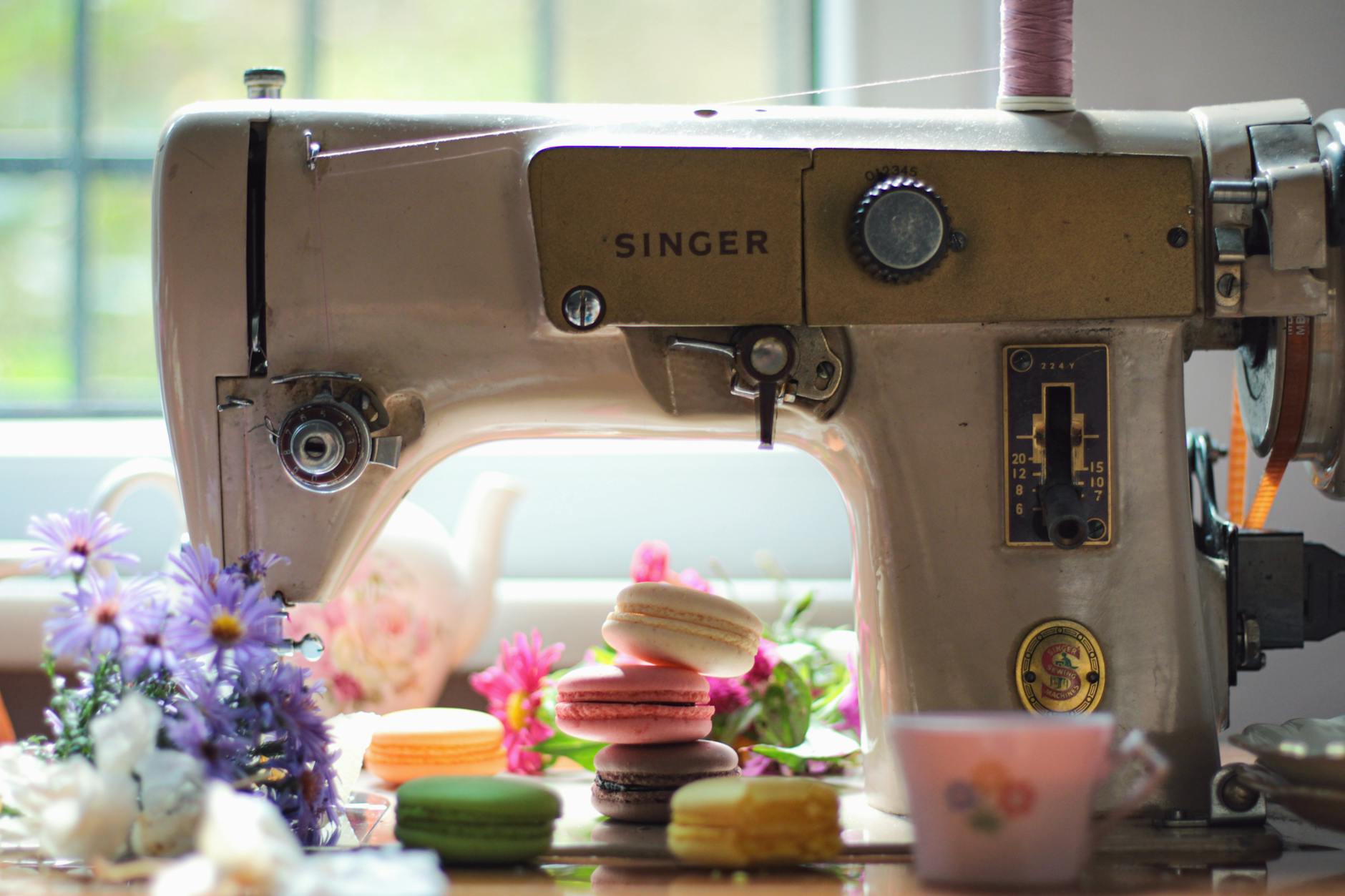
Sustainability Meets Status Symbol
The visible mending trend intersects with fashion’s growing sustainability movement, though critics question whether luxury pricing truly serves environmental goals. A Hermès bag with “artisanal patches” might cost more than buying new, contradicting the original spirit of resourceful repair.
However, the movement has sparked genuine interest in clothing longevity. Consumers are rediscovering local tailors and learning basic mending skills themselves. YouTube tutorials on visible darning have millions of views, with young creators sharing techniques their great-grandmothers used by necessity.
Some brands are taking more authentic approaches. Patagonia’s “Worn Wear” program celebrates customer repairs and offers professional mending services. Their “Better Than New” campaign showcases genuinely repaired customer items, emphasizing function over fashion. This approach echoes the original Depression-era mindset where repair extended utility rather than creating decoration.
The trend has influenced entire fashion weeks. London Fashion Week featured a “Mend and Make” exhibition showcasing student work that combined historical techniques with contemporary design. Models walked in deliberately distressed pieces featuring museum-quality repairs, blending education with entertainment.
This movement also connects with broader conversations about fast fashion’s environmental impact. When young designers reference utilitarian traditions-similar to how postal worker uniforms inspired this season’s utilitarian trend-they’re making statements about consumption and waste that resonate beyond fashion insiders.
The Future of Fashion’s Past
The visible mending movement represents more than aesthetic trend-it’s challenging fashion’s throwaway culture by celebrating permanence over novelty. Major fashion schools now include historical mending techniques in their curricula, ensuring these skills survive beyond seasonal trends.

Traditional craft communities are finding unexpected opportunities as fashion’s interest grows. Indigenous communities worldwide report increased interest in their textile repair traditions, with some collaborating directly with fashion brands. These partnerships, when done ethically, provide economic opportunities while preserving cultural knowledge.
The technology sector has taken notice too. Smartphone apps now help users identify and learn appropriate mending techniques for different fabrics and damage types. Digital platforms connect skilled menders with customers seeking repairs, creating marketplaces for services that were once purely domestic skills.
As economic uncertainties return and environmental consciousness grows, Depression-era mending techniques offer both practical skills and philosophical framework. Fashion’s embrace of visible repair work signals a potential shift from planned obsolescence toward designed durability.
The irony isn’t lost on industry observers: techniques born from poverty have become luxury statements. Yet beneath the surface, this trend reflects genuine hunger for connection to simpler times when things were built to last and people knew how to fix what broke. In a world of disposable everything, the careful stitching of our great-grandmothers suddenly looks revolutionary again.
Frequently Asked Questions
What are Depression-era mending techniques?
Traditional repair methods like darning, patching, and sashiko stitching developed during economic hardship to extend clothing life through visible reinforcement.
Why are luxury brands using visible mending?
Brands embrace these techniques as sustainability statements and authentic craftsmanship, transforming necessity-based skills into decorative luxury elements.