

Power dressing returns with architectural precision. Fashion weeks from Milan to New York showcase dramatically structured blazers that could double as modern armor, while executives stride through corporate corridors wearing silhouettes that command immediate attention. The shoulder pad, dismissed as an 1980s relic for decades, now dominates professional wardrobes with sophisticated restraint.
This revival reflects more than cyclical fashion trends. As hybrid work models reshape office culture and women navigate evolving workplace dynamics, the shoulder pad emerges as both protective shield and confidence booster. Unlike the exaggerated triangular shapes that defined Dynasty-era power suits, today’s iterations blend sculptural form with wearable function.
The Architecture of Authority
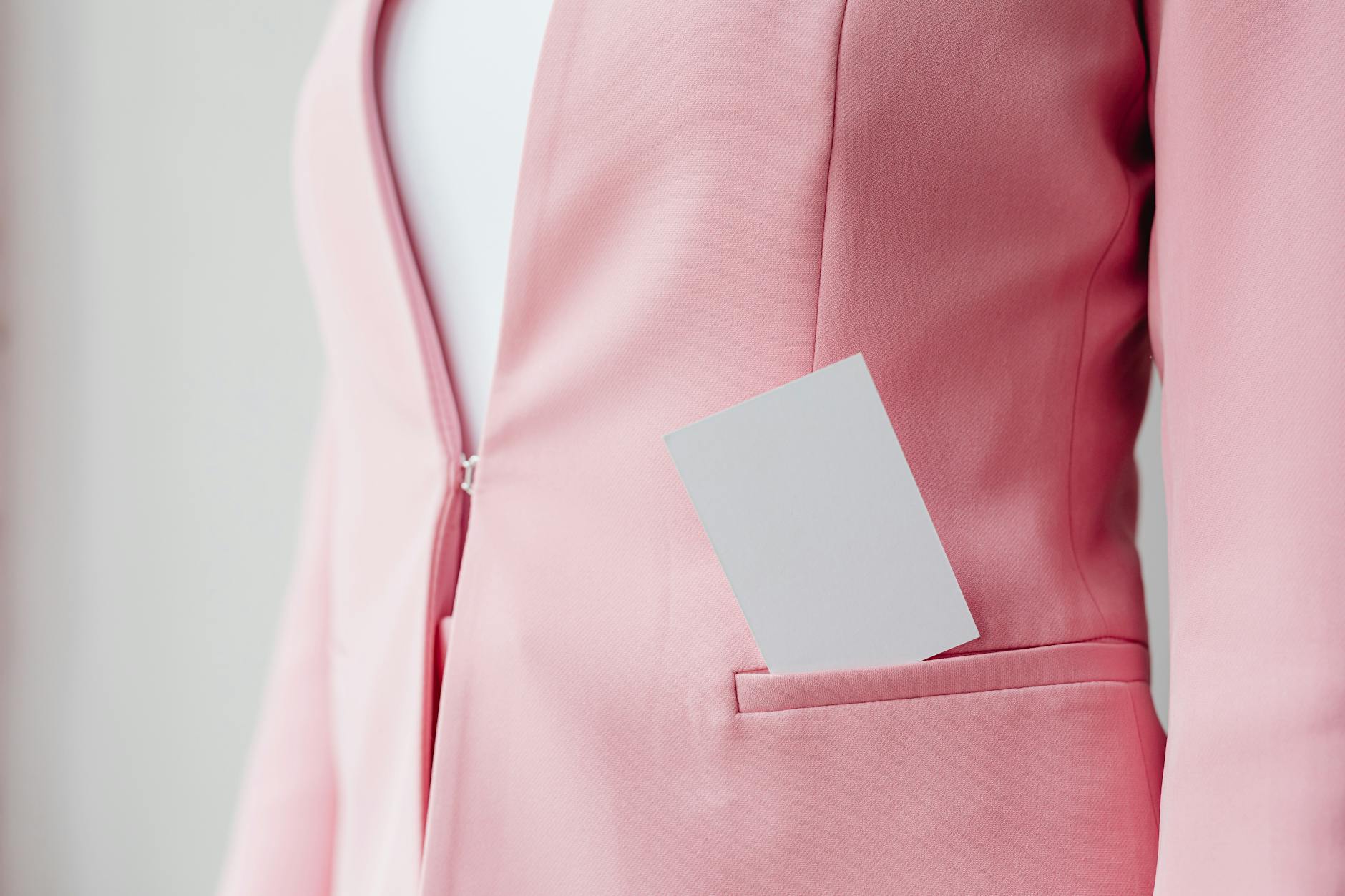
Contemporary shoulder pads embrace geometric precision over aggressive bulk. Designers at Saint Laurent, Balenciaga, and The Frankie Shop craft blazers with subtle structural elements that create clean lines without overwhelming the wearer’s frame. These pieces feature built-in padding that extends just beyond the natural shoulder line, creating a commanding silhouette that photographs beautifully on video calls.
The technical construction has evolved significantly. Modern padding uses lightweight foam and synthetic materials that maintain shape while allowing natural movement. Tailors achieve the desired effect through strategic seaming and interfacing rather than relying solely on thick padding. This approach creates blazers that feel comfortable during long meetings while projecting authority.
Fashion insiders point to several factors driving this trend. Remote work culture normalized casual dressing, making structured blazers feel more special when worn. Additionally, the rise of video conferencing elevated the importance of strong shoulder lines that frame the face effectively on screen. What appears powerful in person translates even better through digital communication.
From Boardroom to Street Style
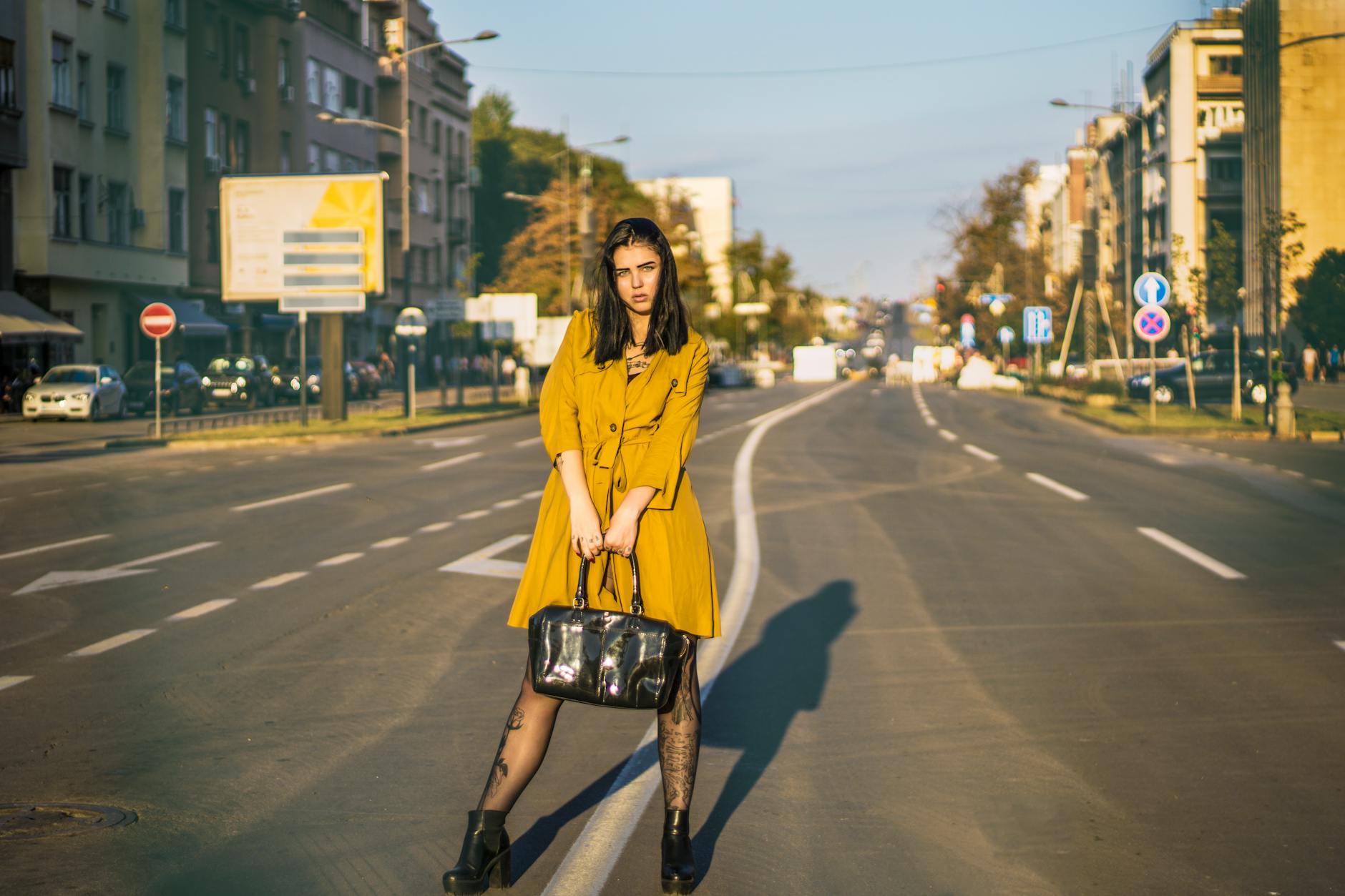
The shoulder pad revival extends beyond traditional corporate wear. Influencers and fashion editors style structured blazers with everything from midi skirts to straight-leg jeans, proving the versatility of architectural shoulders. This styling approach transforms power dressing from uniform-like consistency to personalized expression.
Street style photographers document countless interpretations of the trend. Some wear oversized blazers with rolled sleeves for casual authority, while others choose fitted styles with pronounced shoulders for formal presentations. The key lies in balancing proportion – pairing structured tops with streamlined bottoms prevents the look from feeling costume-like.
Retail data supports the trend’s mainstream adoption. Brands like Zara, Mango, and COS report increased sales of structured blazers throughout 2024. The price point accessibility means the trend reaches beyond luxury consumers to include young professionals building their first power wardrobes. This democratization mirrors how vintage luxury pieces became accessible status symbols for younger generations.
The Psychology of Structure
Fashion psychologists note the correlation between structured clothing and confident behavior. The shoulder pad literally broadens the wearer’s physical presence while psychologically reinforcing feelings of capability and strength. This effect proves particularly valuable in professional environments where presence matters.
Research indicates that clothing with architectural elements can influence both self-perception and others’ impressions. Structured shoulders create a visual framework that draws attention to the wearer’s upper body and face, enhancing nonverbal communication. For professionals navigating challenging workplace dynamics, this subtle advantage can translate into real career benefits.
The trend also reflects broader cultural shifts around feminine power expression. Rather than adopting traditionally masculine dress codes, contemporary power dressing embraces distinctly feminine silhouettes enhanced with structural elements. This approach allows women to command authority while maintaining personal style identity.
Young professionals particularly embrace this balance. They grew up seeing female leaders across industries wearing diverse styles, from tech executives in designer blazers to political figures in colorful structured pieces. This generation rejects one-size-fits-all power dressing in favor of personalized authority looks.
Sustainable Power Dressing
The shoulder pad revival intersects with sustainable fashion priorities in several ways. High-quality structured blazers justify their cost through versatility and longevity, aligning with conscious consumption values. Investment pieces with architectural details work across seasons and occasions, reducing the need for frequent wardrobe updates.
Vintage shoulder pad pieces from the 1980s and early 1990s experience renewed demand. Fashion-conscious professionals hunt through estate sales and vintage boutiques for authentic pieces that predate fast fashion. This circular approach to power dressing connects with broader sustainability movements while offering unique styling opportunities.
Contemporary designers increasingly incorporate sustainable practices into structured garment production. Deadstock fabric utilization creates unique blazers with architectural elements, proving that sustainable fashion can maintain powerful aesthetics. Some brands even offer shoulder pad blazers made from recycled materials without compromising structural integrity.
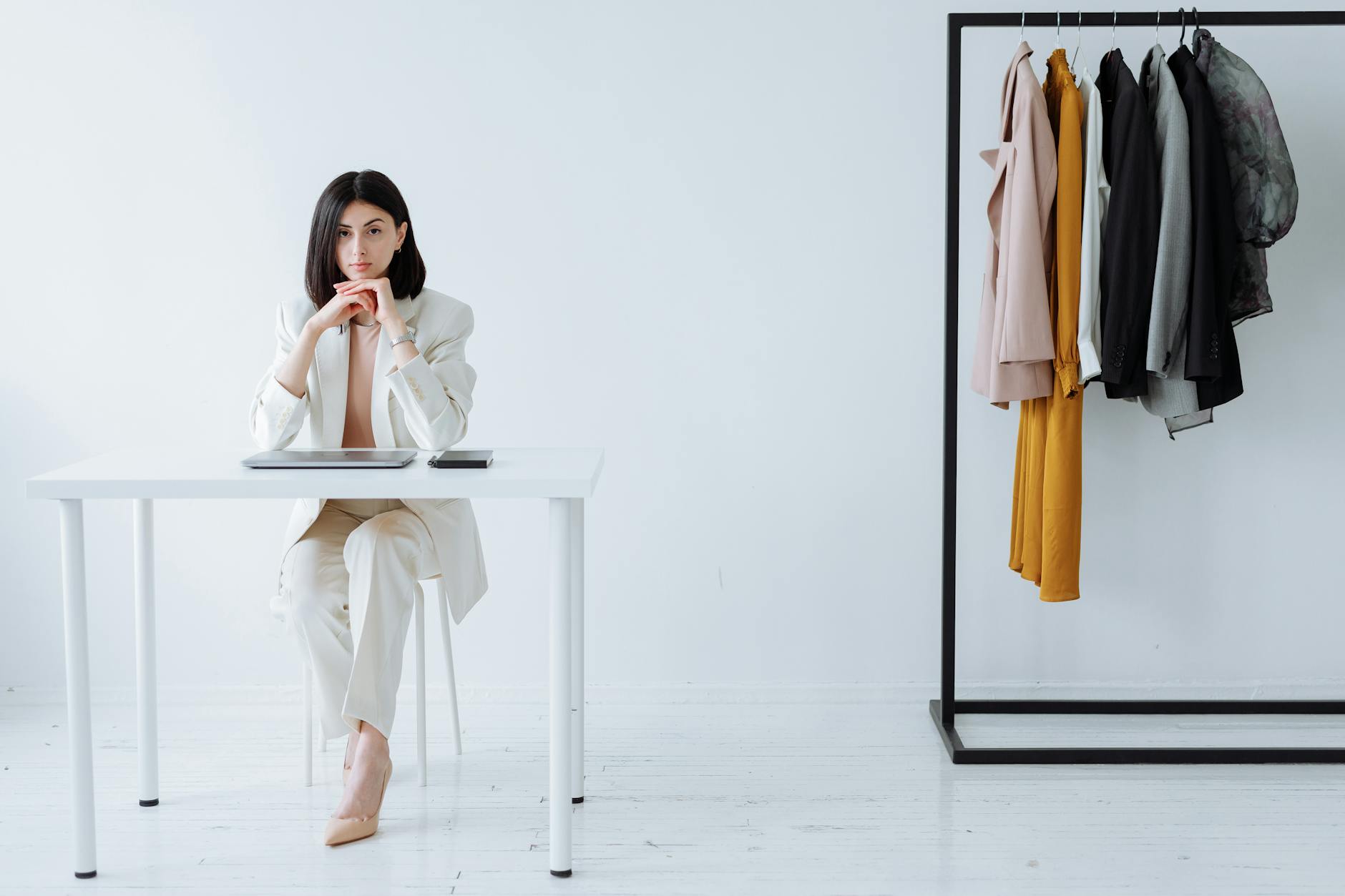
The return of shoulder pads represents more than nostalgic fashion cycling. It signals a sophisticated evolution in professional dress codes that prioritizes individual expression alongside commanding presence. As workplace cultures continue evolving and digital communication shapes professional interactions, structured silhouettes provide both practical and psychological advantages that transcend traditional fashion seasons.
Looking ahead, expect continued refinement of the trend rather than abandonment. Designers will likely explore new materials and construction techniques that enhance comfort while maintaining visual impact. The shoulder pad’s renaissance proves that powerful dressing adapts to contemporary needs while honoring its architectural foundations.
Frequently Asked Questions
Are shoulder pads back in style for 2024?
Yes, shoulder pads have returned with refined, architectural designs that create commanding silhouettes without the bulk of 1980s styles.
How do you wear shoulder pads professionally?
Modern shoulder pad blazers work best when balanced with streamlined bottoms and styled for both in-person meetings and video calls.