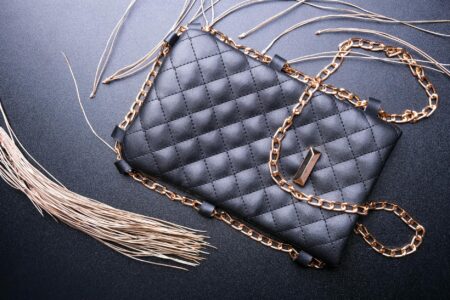


High-end fashion houses are quietly integrating military-grade materials into their latest collections. What started as protective gear for law enforcement and security professionals has evolved into a luxury fashion statement that combines style with unprecedented personal safety.
The trend gained momentum after several high-profile incidents involving public figures, driving demand for discreet protection that doesn’t compromise aesthetic appeal. Major fashion capitals from Milan to New York are witnessing a surge in orders for clothing that looks elegant but offers ballistic protection.
This shift represents more than just a security trend – it’s reshaping how luxury brands approach both functionality and exclusivity. The intersection of safety technology and high fashion is creating a new market segment where protection meets prestige.

From Military to Milan: The Technology Behind Fashion Armor
The materials revolutionizing protective fashion draw from decades of military and law enforcement research. Kevlar, originally developed by DuPont in the 1970s, remains the foundation of most ballistic textiles. However, newer materials like ultra-high-molecular-weight polyethylene (UHMWPE) fibers offer similar protection with significantly less weight and bulk.
These advanced textiles can be woven into fabrics that feel surprisingly similar to traditional luxury materials. The latest generation of protective fibers can be incorporated into silk blends, wool composites, and even synthetic leather alternatives. The result is clothing that maintains the drape and hand-feel expected from high-end fashion while providing Level II or Level IIIA ballistic protection.
Manufacturing techniques borrowed from aerospace engineering allow designers to create panels that are flexible enough for tailoring yet maintain their protective properties. The materials can be cut, sewn, and shaped using specialized equipment that preserves the fiber integrity essential for protection.
Italian textile mills have emerged as leaders in this space, combining centuries of fabric expertise with cutting-edge protective technology. These facilities can produce materials that meet both ballistic standards and luxury fashion requirements, opening new possibilities for designers willing to work with these specialized textiles.
Designer Brands Embrace Protective Couture
Several established fashion houses have quietly introduced protective elements into their collections. The approach varies from subtle reinforcement panels in blazers and coats to fully protective garments disguised as everyday luxury wear. Custom tailoring services now offer ballistic upgrades for suits, dresses, and outerwear.
The aesthetic challenge lies in maintaining the silhouette and movement that define quality fashion. Traditional body armor creates bulk that disrupts the clean lines essential to luxury design. Modern protective fashion solves this through strategic panel placement, advanced materials, and innovative construction techniques.
Color and pattern integration presents another technical hurdle. Ballistic materials historically came in limited colors, primarily black or military shades. Today’s protective textiles can be dyed, printed, and finished to match virtually any design requirement. This flexibility allows designers to incorporate protection without visual compromise.
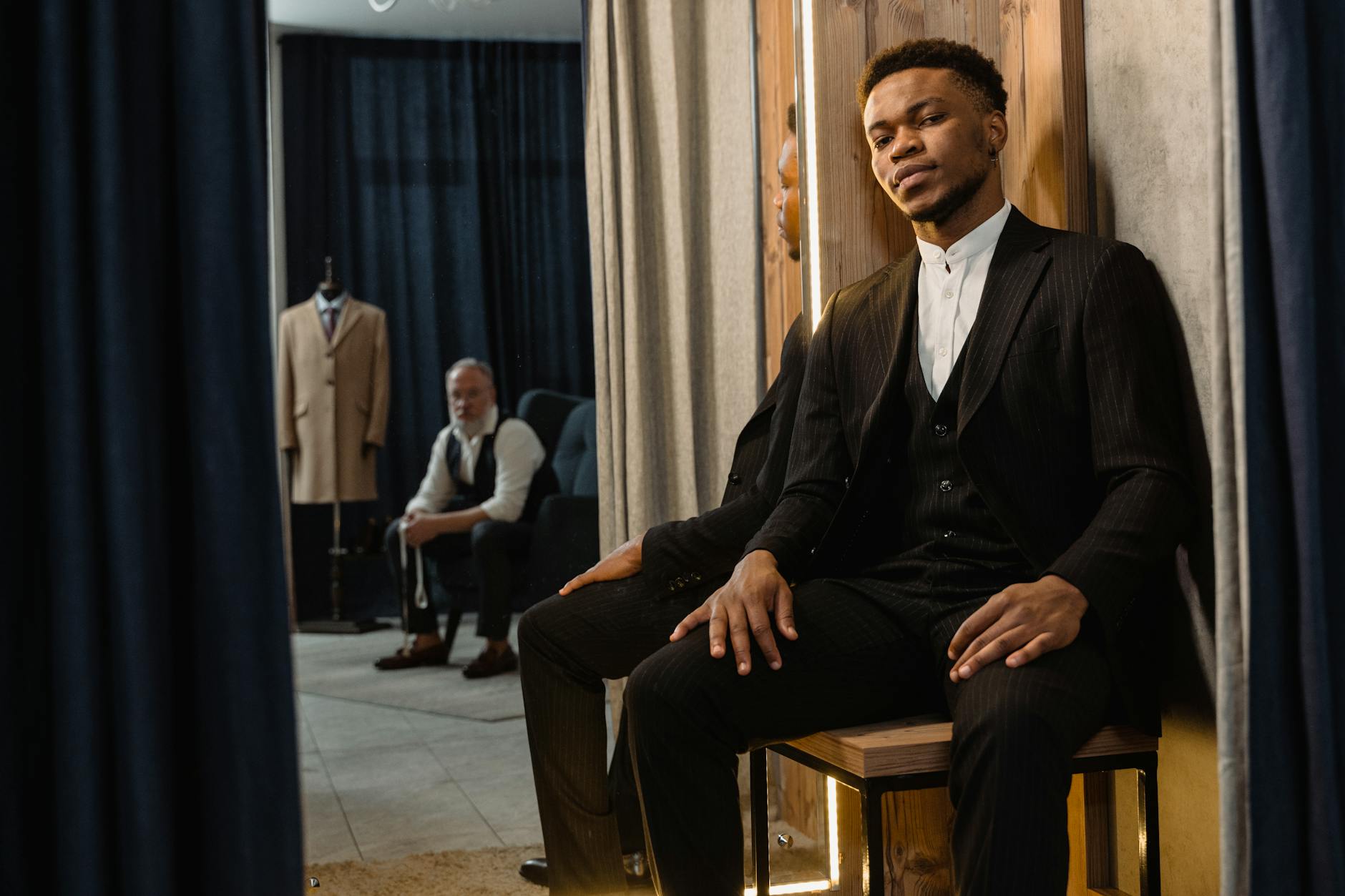
The customization process typically involves detailed body measurements and threat assessment consultations. Clients work with specialized fitters who understand both fashion requirements and protection needs. The result is clothing that fits like traditional haute couture while providing personal security.
Pricing for these specialized garments reflects both the materials cost and the expertise required for construction. Custom protective suits can cost several times more than traditional luxury clothing, positioning them firmly in the ultra-luxury market segment.
The Celebrity Factor and Cultural Shift
High-profile individuals have become early adopters of protective fashion, though most prefer to keep their security measures private. The discrete nature of modern ballistic clothing allows public figures to maintain their style while addressing legitimate security concerns.
This celebrity influence has trickled down to affluent consumers who may not face the same threat levels but appreciate the psychological comfort and status symbol aspects of protective luxury goods. The concept of “defensive fashion” appeals to individuals seeking both style and preparedness.
Social media has played a role in normalizing the concept, though most content focuses on the fashion aspects rather than the protective capabilities. Influencers and fashion enthusiasts share styling tips and outfit posts without explicitly mentioning the ballistic features, maintaining the discrete appeal that makes these garments effective.
The cultural shift toward personal safety awareness, accelerated by global events and security concerns, has created a market receptive to protective fashion. Consumers increasingly view personal security as a luxury worth investing in, similar to how they approach health and wellness services.
This trend intersects with broader fashion movements toward functional luxury, where high-end consumers expect their clothing to perform beyond mere aesthetic appeal. Just as luxury brands are creating rental-only collections to meet changing consumer preferences, protective fashion responds to evolving lifestyle needs.
Manufacturing Challenges and Innovation
Producing protective fashion requires specialized facilities and expertise that traditional fashion manufacturers often lack. The ballistic testing, quality control, and certification processes add complexity to the production cycle. Manufacturers must maintain standards that satisfy both fashion requirements and protective performance specifications.
Supply chain management becomes particularly challenging when sourcing materials that meet both aesthetic and protective criteria. The limited number of suppliers for high-grade ballistic textiles can create bottlenecks in production, especially for smaller fashion houses entering this market.
Quality assurance involves testing that goes far beyond traditional fashion standards. Each garment must undergo ballistic testing to verify protection levels, while also meeting durability standards for repeated wear. The testing process can be destructive, requiring additional samples and increasing production costs.
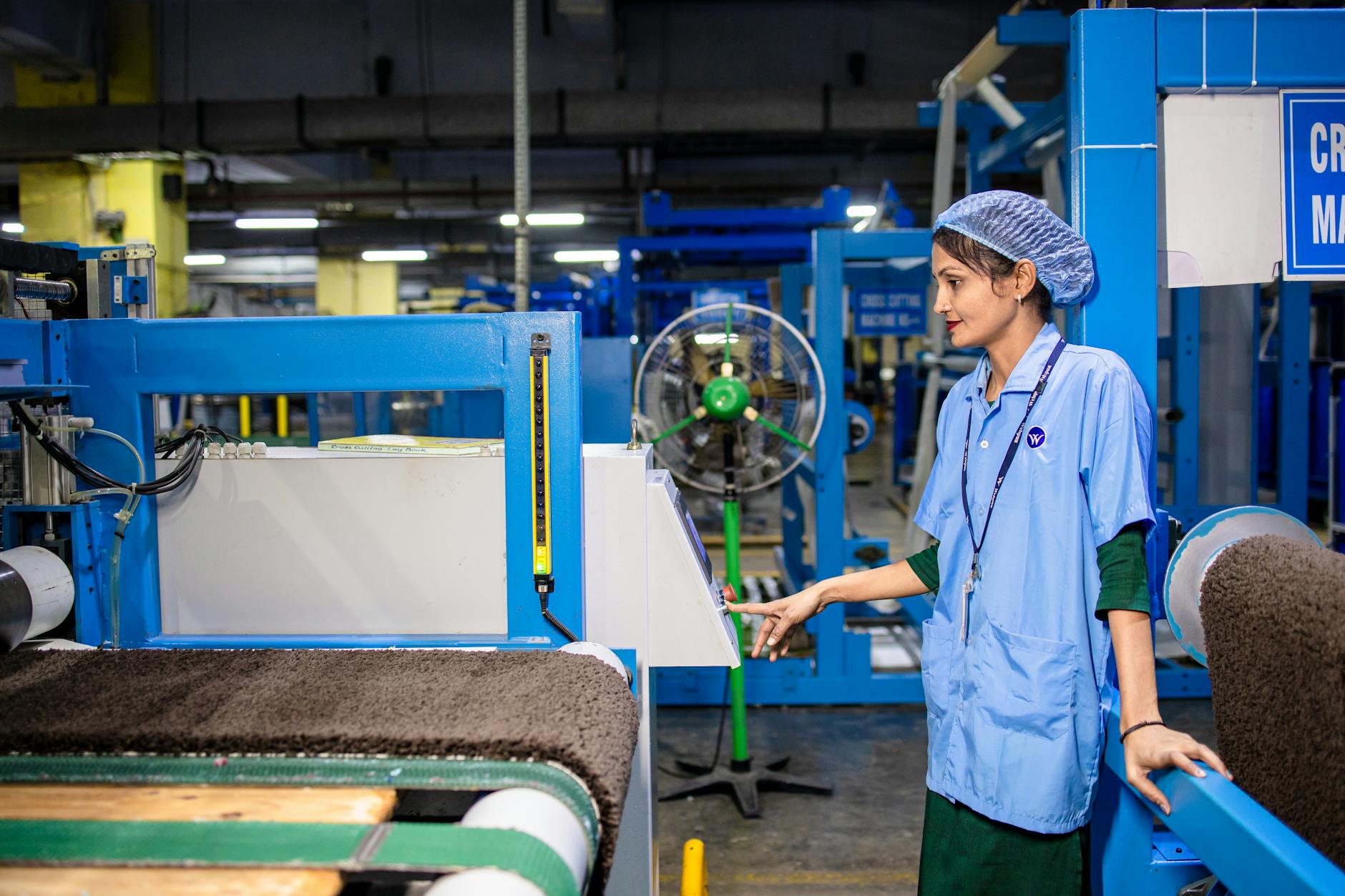
Innovation continues in both materials science and manufacturing techniques. Research focuses on reducing weight while maintaining protection, improving comfort and breathability, and expanding design possibilities. Some manufacturers are exploring smart textiles that could provide additional functionality beyond ballistic protection.
The skilled labor required for constructing protective fashion represents another challenge. Workers need training in both traditional tailoring techniques and the specialized methods required for ballistic materials. This expertise commands premium wages and requires ongoing education as technologies evolve.
Future of Fashion Protection
The protective fashion market is expanding beyond ballistic threats to include chemical protection, environmental hazards, and even electromagnetic shielding. This broader approach to “defensive fashion” could establish protection as a standard luxury feature rather than a specialized niche.
Technology integration offers additional possibilities for future development. Smart sensors, communication systems, and monitoring capabilities could be seamlessly incorporated into protective garments. However, these advances must maintain the discrete aesthetic that makes protective fashion effective.
Market growth will likely drive costs down while improving availability and customization options. As production scales increase and manufacturing techniques improve, protective fashion could become accessible to a broader luxury market segment.
The success of protective fashion may influence how the industry approaches functionality in luxury goods. Similar to how shoulder pads have returned in modern professional wear to meet contemporary needs, protective elements could become a standard consideration in high-end fashion design.
The future of fashion protection lies in complete invisibility – garments that provide comprehensive protection while being indistinguishable from traditional luxury clothing. As this technology matures, the line between fashion and function will continue to blur, creating new possibilities for designers and new expectations for consumers who view safety as the ultimate luxury accessory.
Frequently Asked Questions
How much does bulletproof designer fashion cost?
Custom protective luxury garments typically cost several times more than traditional haute couture due to specialized materials and construction requirements.
Can bulletproof fashion look like regular clothing?
Yes, modern ballistic textiles can be woven into fabrics that feel and look like traditional luxury materials while providing protection.