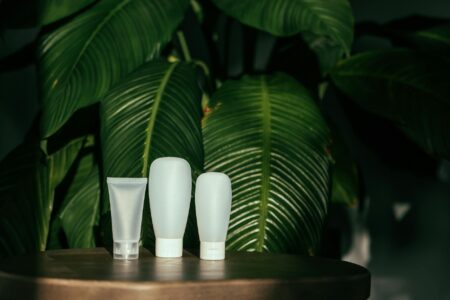


The scent of change is filling department stores worldwide. Walk through Sephora or Nordstrom today and you’ll notice something different: fragrance displays no longer strictly separate “for him” and “for her.” Major beauty brands are dismantling decades of gendered marketing, launching collections that anyone can wear regardless of identity.
This shift reflects more than changing consumer preferences. It represents a fundamental reimagining of how fragrance houses create, market, and sell their products. Brands like Tom Ford, Le Labo, and Maison Margiela have led this movement, but now mainstream giants including Calvin Klein, Marc Jacobs, and even traditional powerhouses like Chanel are following suit.
The numbers tell the story. According to industry research firm NPD Group, unisex fragrance sales have grown 23% year-over-year, outpacing traditional gendered categories. Younger consumers, particularly Gen Z and millennials, increasingly reject binary marketing approaches across all beauty categories, much like how Gen Z is transforming thrift shopping into luxury experiences by breaking traditional retail boundaries.
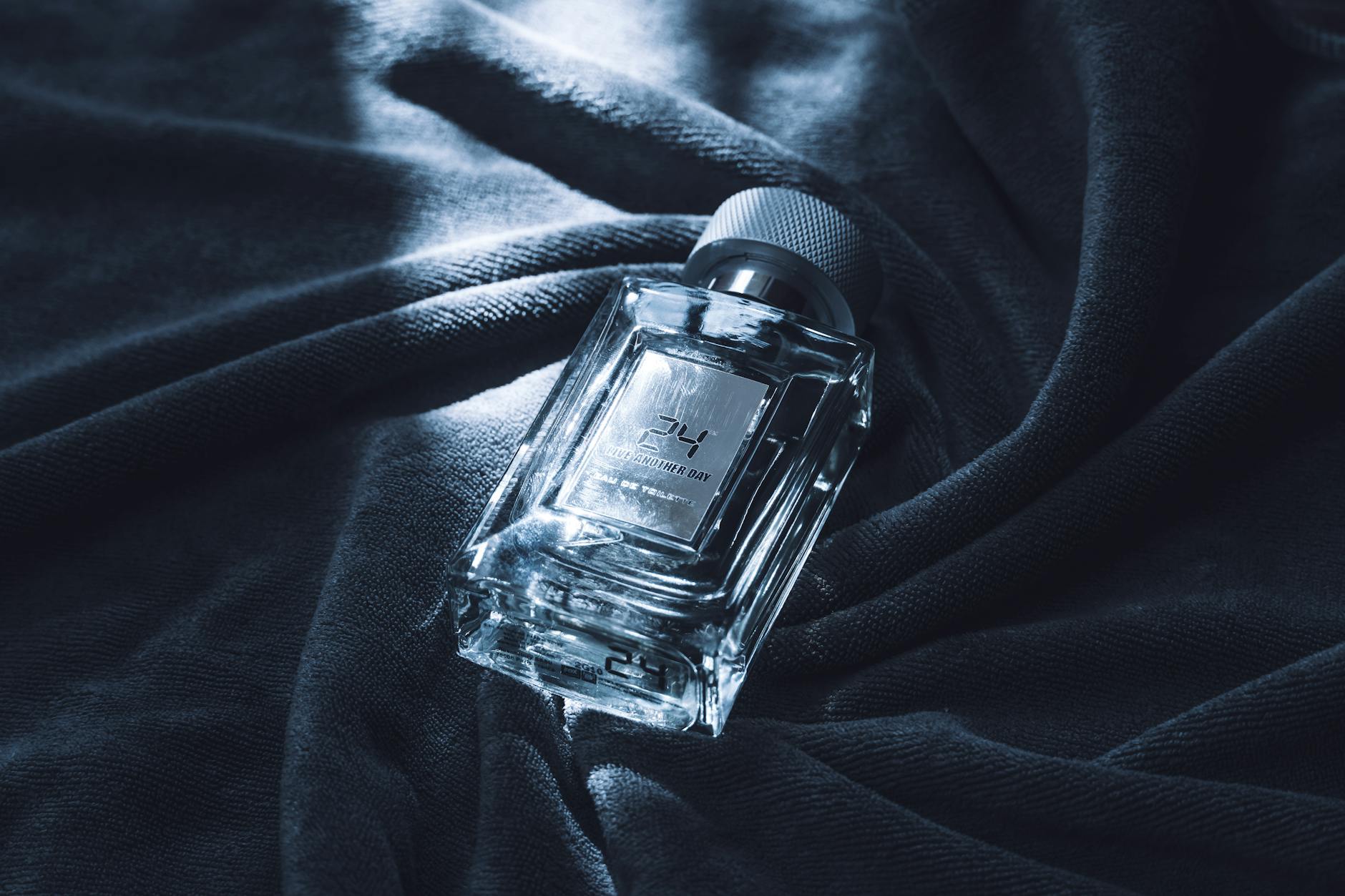
Breaking Down Traditional Scent Stereotypes
For decades, the fragrance industry operated on rigid assumptions. Women’s perfumes featured florals, fruits, and vanilla. Men’s colognes relied on wood, leather, and musk. Marketing campaigns reinforced these divisions with pink bottles versus black packaging, delicate scripts versus bold fonts.
Those barriers are crumbling fast. Brands now create fragrances around concepts rather than demographics. Tom Ford’s Oud Wood became a bestseller precisely because it appealed to everyone who appreciated its rich, smoky complexity. The brand never marketed it as masculine or feminine – just as exceptional.
Le Labo pioneered this approach with scents like Santal 33, which became a cult favorite among celebrities and influencers regardless of gender. The brand’s laboratory-inspired aesthetic and ingredient-focused naming system (Rose 31, Bergamote 22) deliberately avoided gendered cues. Other brands took notice of Le Labo’s success and began developing their own unisex lines.
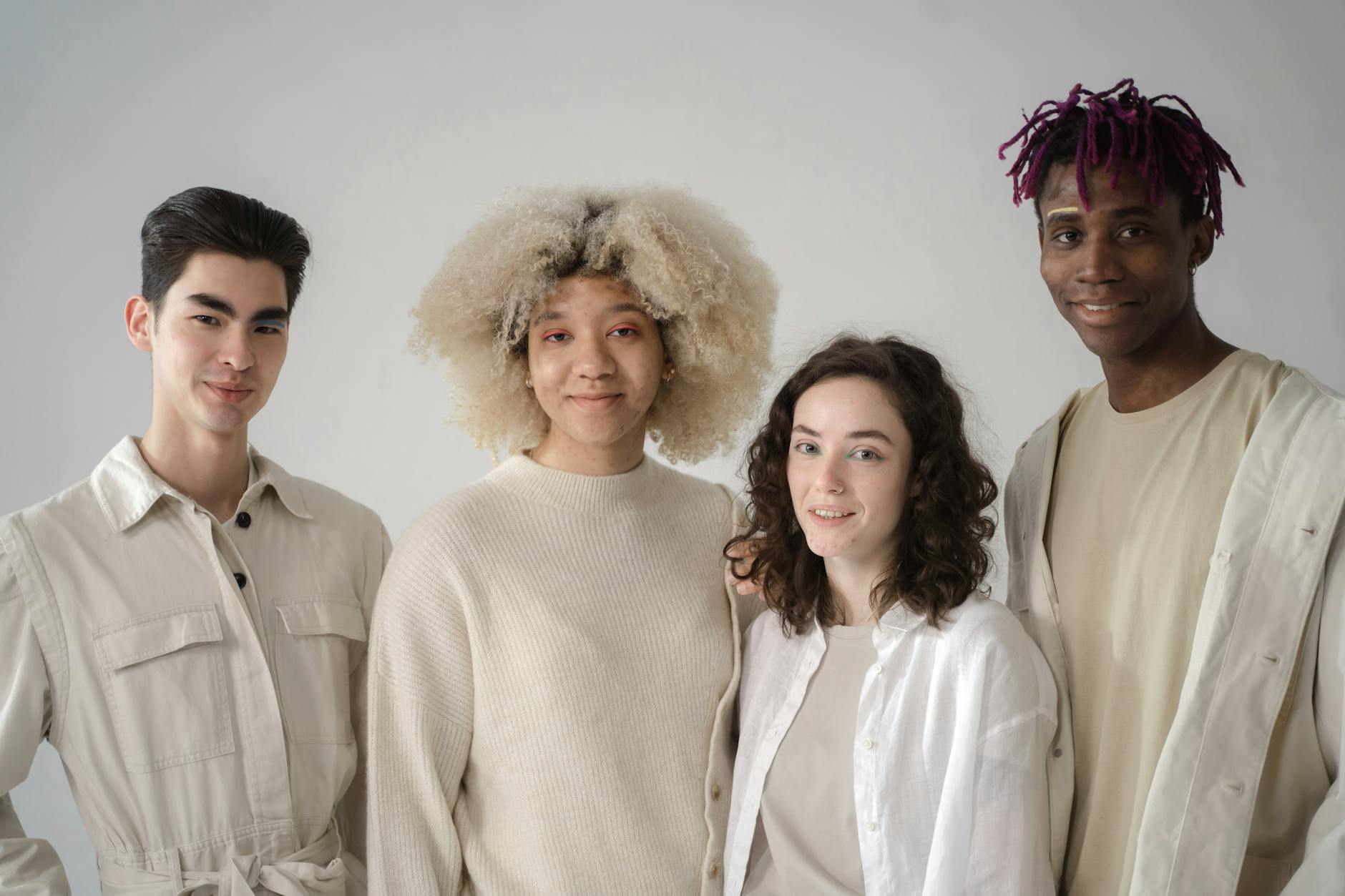
Calvin Klein recently launched CK Everyone, explicitly designed as a genderless fragrance. The campaign featured diverse models of all identities sharing the same scent story. Marc Jacobs followed with Perfect Marc Jacobs, positioning it as “perfect for everyone” rather than targeting specific demographics.
Even heritage brands are adapting. Chanel, long known for distinctly gendered fragrances like Chanel No. 5 for women and Bleu de Chanel for men, has begun subtle shifts in their marketing language and imagery. While not abandoning their classic formulations, they’re allowing more fluid interpretation of who wears what.
The Science Behind Universal Appeal
Creating truly genderless fragrances requires rethinking fundamental perfumery principles. Traditional women’s fragrances often emphasized top notes – the initial burst of scent that includes citrus or light florals. Men’s fragrances typically focused on base notes – the lasting woody or musky elements that emerge hours after application.
Modern unisex fragrances balance these elements more equally. They might open with bright bergamot, develop into creamy sandalwood, and settle into warm amber. This creates complexity that appeals across preferences without leaning heavily into traditional feminine or masculine territories.
Perfumers are also experimenting with unusual ingredient combinations previously avoided in gendered fragrances. Floral-woody blends, spicy-sweet compositions, and fresh-smoky contrasts create unique scent profiles that don’t fit old categories.
The packaging evolution parallels these formula changes. Brands are choosing neutral colors, minimalist designs, and identical bottle shapes across their unisex lines. Gone are the pink crystals and testosterone-fueled black bottles. Instead, clean lines, natural materials, and sophisticated typography dominate the aesthetic.
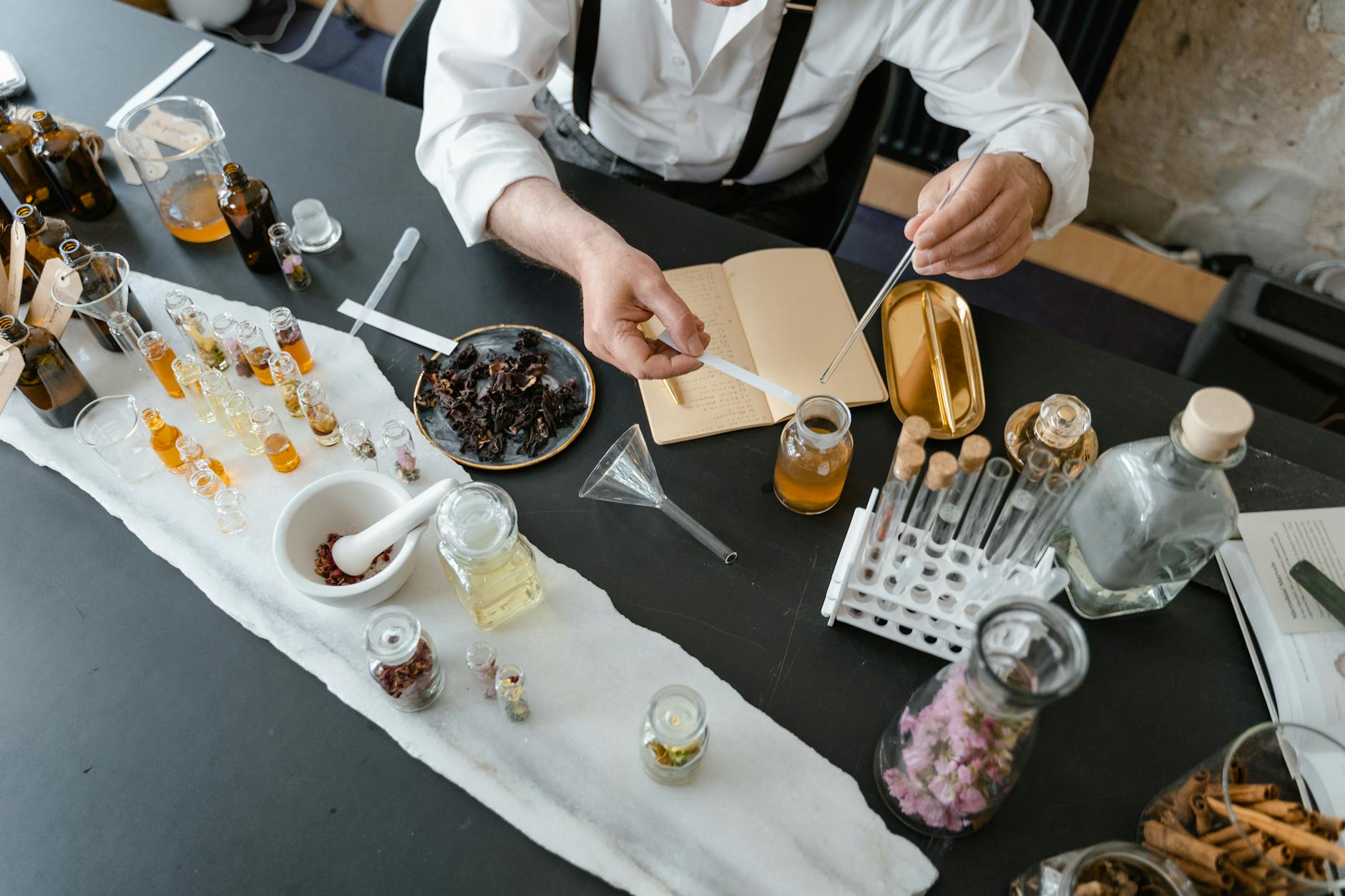
Celebrity Influence and Cultural Shifts
Celebrity endorsements have accelerated the genderless fragrance movement. When Harry Styles launched Pleasing, his beauty brand’s first fragrance came in one formulation for all users. The campaign imagery showed people of various identities enjoying the same scent, reinforcing that fragrance choice is personal preference rather than gender assignment.
Rihanna’s Fenty brand, already known for inclusive makeup, recently entered fragrance with a collection explicitly marketed as “for everyone.” The brand’s reputation for breaking beauty barriers gave immediate credibility to their genderless approach.
Social media has amplified this trend. TikTok creators regularly share fragrance recommendations across traditional gender lines. Videos of men reviewing “women’s” perfumes and women exploring “men’s” colognes generate millions of views. This organic content challenges old assumptions more effectively than traditional advertising ever could.
The influence extends beyond celebrity brands. Mainstream influencers and fragrance reviewers increasingly ignore gendered marketing when discussing scents. They focus on notes, longevity, and personal appeal rather than intended demographics. This shift in discussion patterns influences how their audiences think about fragrance selection.
Market Response and Business Impact
Retailers are adapting their physical and digital spaces to accommodate genderless fragrances. Sephora has begun organizing some fragrance sections by scent family rather than gender. Department stores are creating unisex fragrance areas that encourage exploration without demographic assumptions.
The business case is compelling. Genderless fragrances require fewer resources to develop and market. Brands can create one advertising campaign instead of separate masculine and feminine versions. They need less shelf space since one product serves multiple demographics. Production costs decrease when manufacturing single formulations rather than gendered variants.
Consumer response has been overwhelmingly positive. Market research shows younger shoppers specifically seek out brands that avoid gendered marketing. They’re more likely to purchase from companies that align with their values around identity and self-expression.
International markets show varying acceptance levels. European consumers have embraced unisex fragrances more quickly than some other regions. However, brands report growing interest globally as cultural attitudes continue evolving.
The subscription fragrance market has particularly benefited from this trend. Services like Scentbird and Olfactif can offer diverse collections without gender restrictions, allowing customers to explore scents they might never have considered in traditional retail environments.
The genderless fragrance revolution shows no signs of slowing. Industry analysts predict continued growth as more brands recognize the commercial and cultural benefits of inclusive approaches. New fragrance houses launching today often start with unisex collections rather than retrofitting existing gendered lines.
Technology will likely accelerate this trend. AI-powered scent matching and virtual reality fragrance experiences can recommend products based on individual preferences rather than demographic assumptions. These tools help consumers discover fragrances they love without being limited by traditional marketing categories.
The movement reflects broader cultural shifts toward individual expression over prescribed roles, similar to how school uniform aesthetics conquered adult fashion by appealing to universal style preferences rather than age-specific trends. As society continues embracing fluid identity concepts, the fragrance industry will likely see even more innovative approaches to scent creation and marketing.
The future of fragrance lies not in reinforcing outdated stereotypes, but in celebrating the personal, emotional connections people form with scents that speak to their individual stories and preferences.
Frequently Asked Questions
What makes a fragrance genderless or unisex?
Genderless fragrances balance traditionally masculine and feminine scent elements without leaning heavily into floral or woody categories, using neutral packaging and inclusive marketing.
Which brands offer the best unisex fragrances?
Le Labo, Tom Ford, Calvin Klein CK Everyone, Marc Jacobs Perfect, and newer brands like Harry Styles’ Pleasing lead the genderless fragrance market.