


Fashion designers are trading sequins for sackcloth as monastery-inspired minimalism transforms modern wardrobes. The movement, driven by burnout culture and social media fatigue, sees consumers embracing capsule collections that mirror monastic dress codes.
This shift represents more than aesthetic choice – it’s cultural rebellion against fast fashion excess. Brands like Everlane, COS, and The Row have built empires on this philosophy, while influencers document their “clothing detoxes” to millions of followers seeking simplicity.
The timing isn’t coincidental. As inflation drives fashion prices higher and climate concerns mount, monastery minimalism offers both financial and environmental relief. Young professionals especially gravitate toward uniforms that eliminate decision fatigue while projecting intentional living.
Sacred Simplicity Meets Streetwear
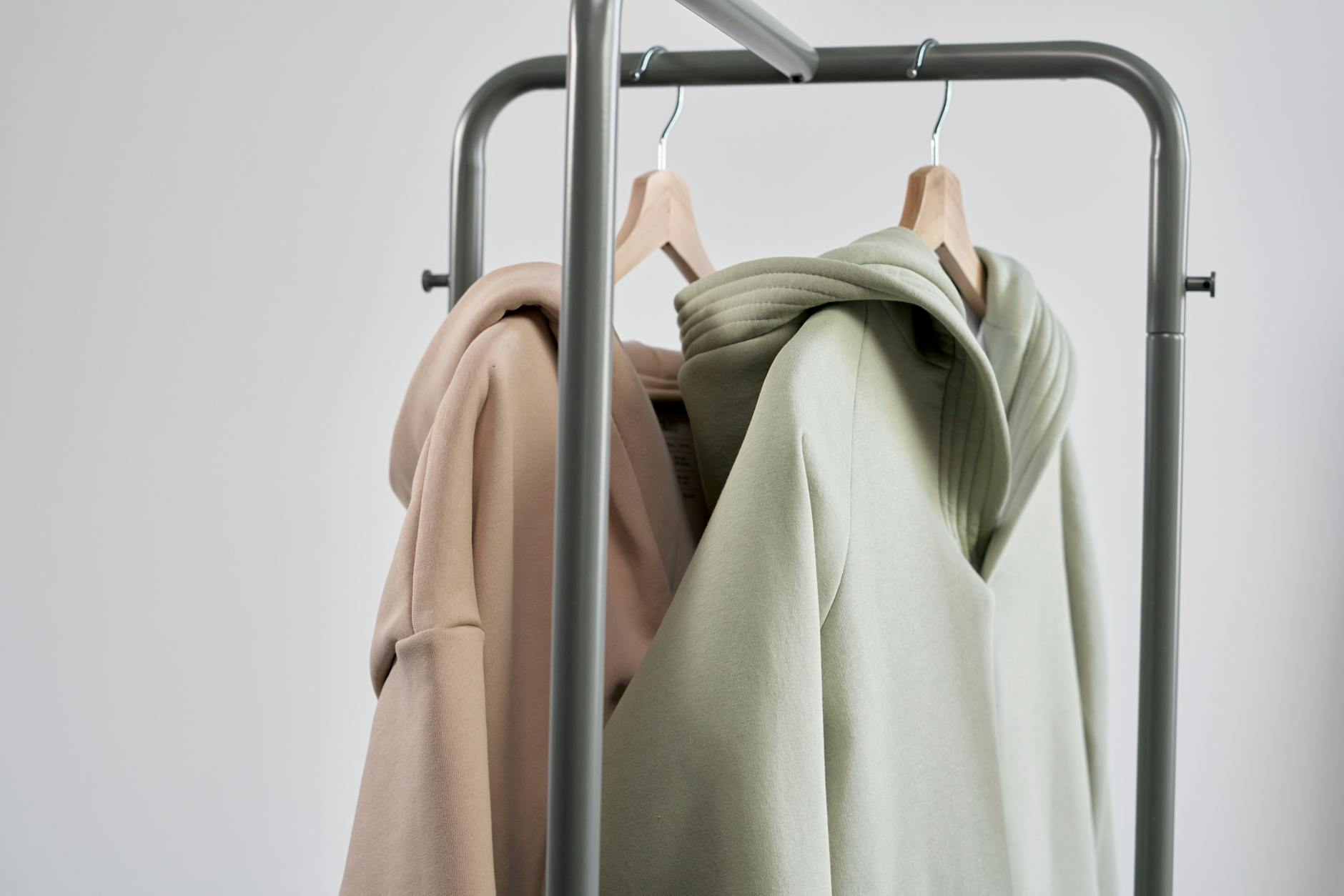
The aesthetic borrows directly from religious traditions: neutral palettes, loose silhouettes, and natural fabrics. Benedictine brown, Franciscan gray, and off-white dominate these collections. Brands translate centuries-old garment construction into contemporary pieces – tunics become midi dresses, habits inspire oversized blazers, and rope belts resurface as luxury accessories.
Japanese designers led this movement years ago. Yohji Yamamoto and Comme des Garcons built reputations on monastic restraint, influencing today’s practitioners. Now Western brands follow suit, with Toteme and Lemaire creating wardrobes that could transition seamlessly from modern offices to abbey halls.
The quality emphasis distinguishes monastery minimalism from other trends. These aren’t throwaway pieces – they’re investment garments designed for decades of wear. Raw-edged seams, hand-finished hems, and natural dyes reference traditional garment-making techniques that monks perfected over centuries.
Social media amplifies the movement’s reach. Instagram accounts like @theminimalists and @unfancyrebecca showcase monastery-inspired outfits to massive audiences. TikTok creators demonstrate capsule wardrobe builds, often starting with basic tunics and adding carefully chosen accessories.
The Psychology of Dress Codes
Monastery dress codes eliminated vanity and competition, focusing attention on spiritual matters. Modern practitioners report similar psychological benefits – reduced morning stress, clearer self-identity, and freedom from trend pressure.
Dr. Jennifer Baumgartner, psychology professor and author of “You Are What You Wear,” explains the appeal: “Uniform dressing removes decision fatigue and social comparison anxiety. People find liberation in limitation.”
This psychological shift coincides with broader cultural movements. Wellness culture embraces simplicity across lifestyle categories – meditation apps, decluttering methods, and digital detoxes all reflect similar desires for mental clarity.
The movement also challenges fashion industry messaging. Instead of seasonal renewals and trend cycles, monastery minimalism promotes garment longevity and personal style consistency. This philosophy directly opposes fast fashion business models that depend on constant consumption.
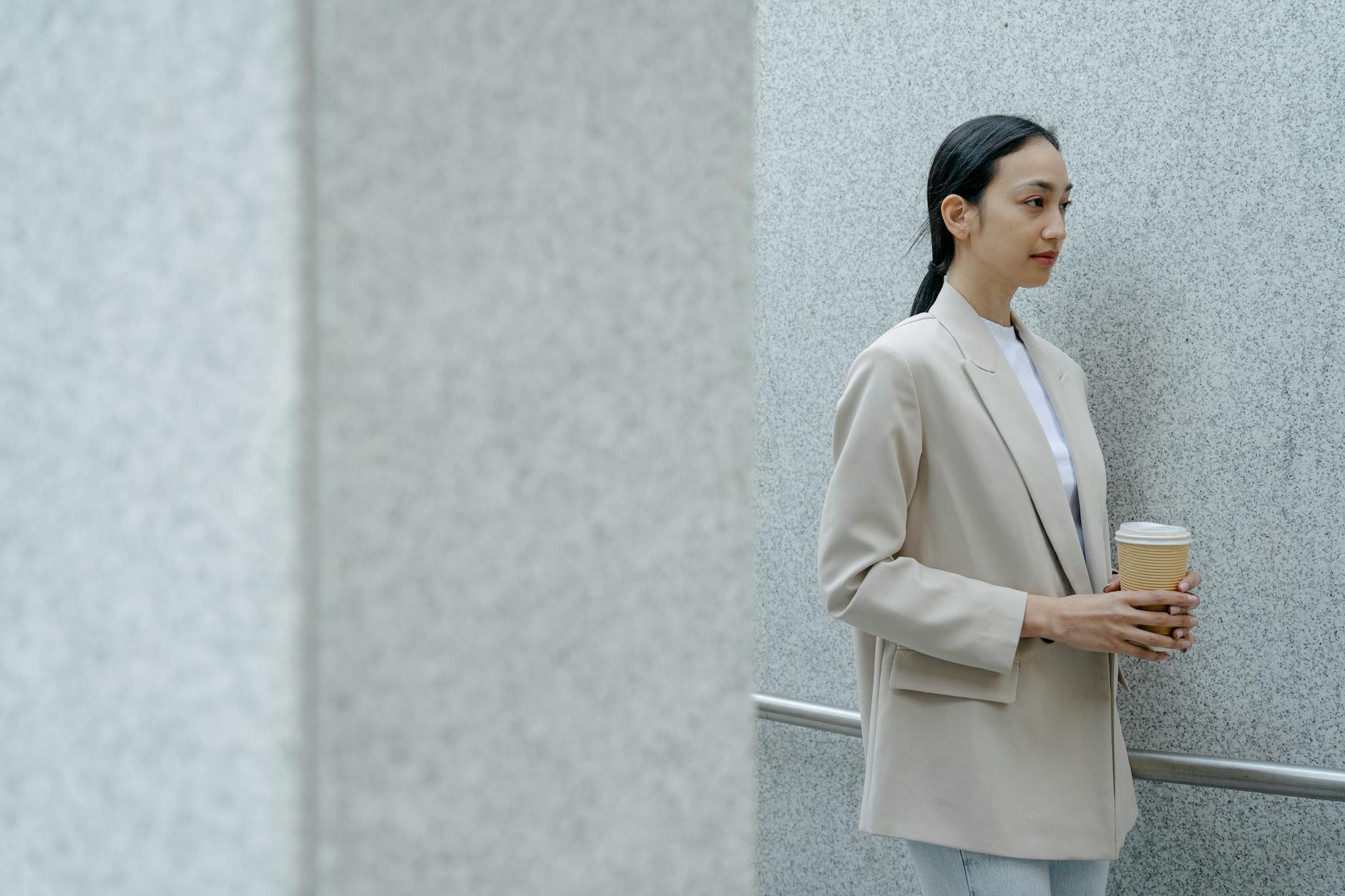
Corporate dress codes increasingly accommodate this aesthetic. Tech companies, law firms, and consulting practices recognize that monastery-inspired uniforms project competence and reliability. The look suggests someone too focused on important work to worry about fashion trends.
Building the Modern Monastery Wardrobe
Successful monastery minimalism requires strategic planning. Experts recommend starting with five core pieces in coordinating neutrals – typically one blazer, two tunics, one dress, and tailored pants. Quality trumps quantity at every level.
Fabric choices matter tremendously. Linen, wool, and cotton perform best for this aesthetic while supporting the movement’s sustainability goals. Traditional mending techniques help maintain these investment pieces over years of wear.
Accessories remain minimal but purposeful. Leather belts, simple jewelry, and structured bags complete looks without overwhelming them. Many practitioners adopt signature accessories – perhaps one distinctive belt or necklace worn consistently – echoing how religious orders use symbols for identification.
Color palettes stay deliberately restricted. Most successful monastery wardrobes feature three colors maximum, often variations on brown, gray, and cream. This limitation ensures every piece coordinates while maintaining the aesthetic’s meditative quality.
Layering becomes crucial for versatility. Base tunics layer under blazers for professional settings or over fitted pants for casual occasions. The same dress transforms with different outerwear and accessories, maximizing each piece’s utility.
Shopping discipline proves essential. Monastery minimalists often implement waiting periods before purchases, sometimes called “cooling off” rules. Many report shopping their closets first, rediscovering forgotten pieces that fit the aesthetic.
From Niche to Mainstream Movement
High-end retailers report growing demand for monastery-inspired pieces. Nordstrom, Net-a-Porter, and specialty boutiques dedicate sections to minimalist brands. This retail support indicates the trend’s commercial viability beyond fashion-forward consumers.
Celebrity adoption accelerates mainstream acceptance. Actresses like Tilda Swinton and designers like Phoebe Philo embody monastery minimalism at public events. Their influence trickles down through social media and fashion coverage.
The movement intersects with other cultural trends. Architectural fashion influences complement monastery aesthetics, while sustainability concerns align with both movements’ anti-consumption messaging.
Educational institutions embrace this shift too. Fashion schools teach capsule wardrobe construction and sustainable design principles. Students graduate understanding monastery minimalism as legitimate fashion philosophy, not temporary trend.
Economic factors support continued growth. Inflation makes clothing more expensive while wages stagnate. Monastery minimalism offers psychological comfort through intentional restriction – people feel empowered choosing less rather than feeling deprived.
The movement’s digital presence ensures longevity. Online communities share styling tips, brand recommendations, and philosophical discussions about mindful consumption. These networks provide ongoing support for practitioners while attracting newcomers seeking alternatives to conventional fashion culture.
As climate concerns intensify and wellness culture expands, monastery-inspired minimalism positions itself as both practical solution and lifestyle philosophy. The movement suggests fashion’s future lies not in constant newness but in timeless intentionality – a lesson monks mastered centuries ago that modern wardrobes desperately need.
Frequently Asked Questions
What is monastery minimalist fashion?
A style movement inspired by monastic dress codes featuring neutral colors, simple silhouettes, and quality pieces that eliminate decision fatigue.
How do you build a monastery-inspired wardrobe?
Start with five core pieces in coordinating neutrals, focus on natural fabrics, and prioritize quality over quantity for long-term wear.