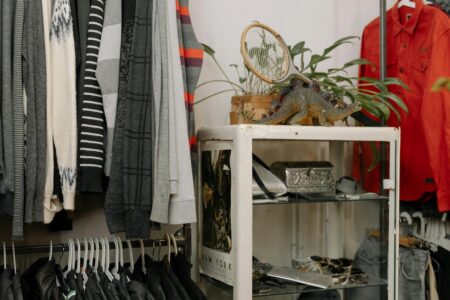


Bridal boutiques across America are experiencing an unprecedented shift as thrift store wedding dresses outsell traditional designer gowns for the first time in the industry’s history. Recent data from the National Retail Federation shows second-hand bridal wear sales jumped 47% in 2024, while traditional bridal store revenues dropped 23% over the same period.
The trend reflects a broader cultural movement toward sustainable fashion and economic pragmatism among Gen Z and millennial brides. Where previous generations saved for months to afford a $2,000 designer gown worn once, today’s brides are hunting vintage gems for under $200 and investing the savings in honeymoons, home purchases, or debt reduction.
Sarah Martinez, a 28-year-old marketing coordinator from Austin, found her dream dress at a Goodwill for $45. “It was a 1980s silk Oscar de la Renta that someone donated. I spent $300 on alterations and looked like a million dollars. My friends couldn’t believe I didn’t go into debt for a dress I’d wear for eight hours.”
The Economics Behind the Shift
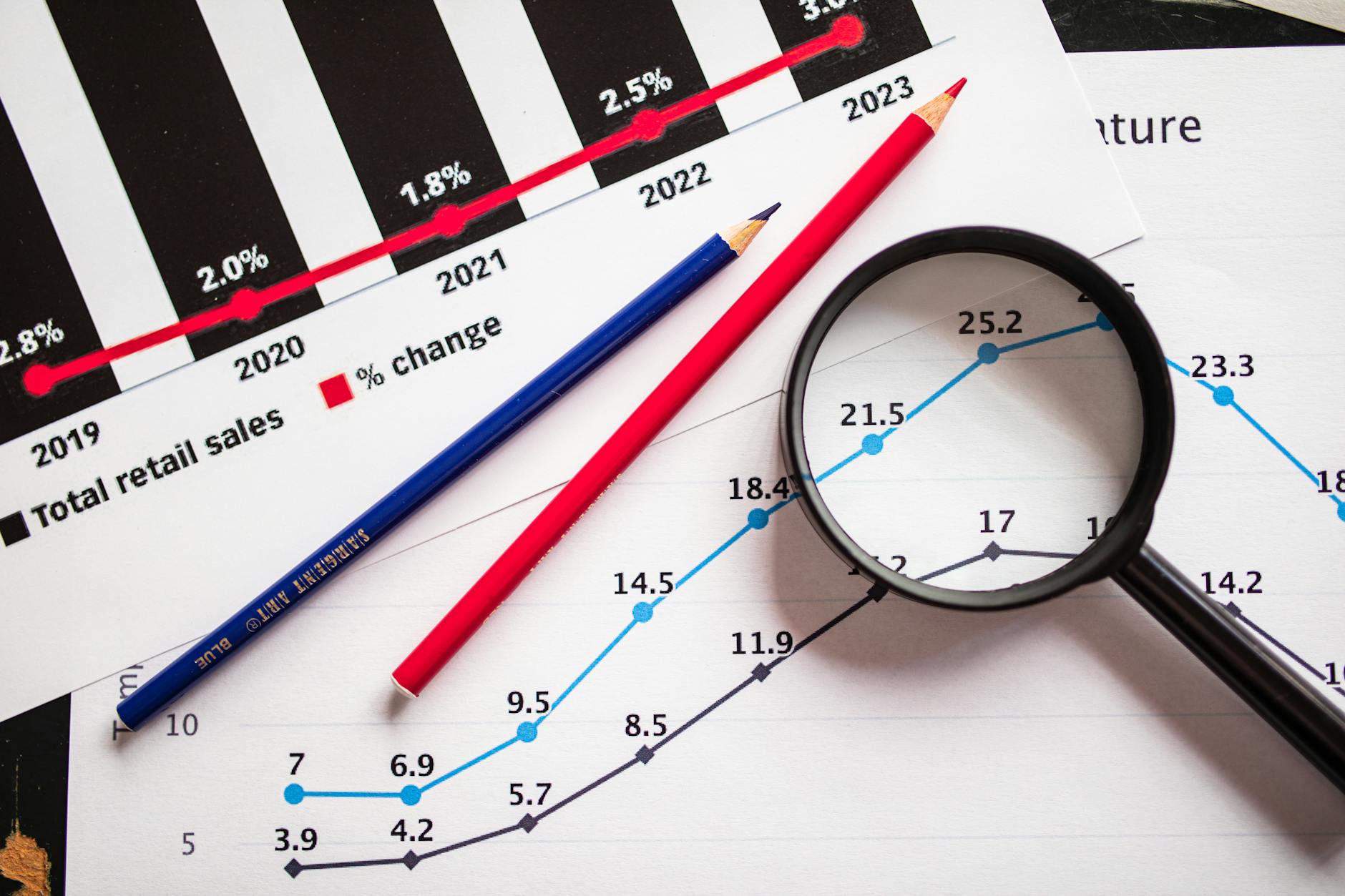
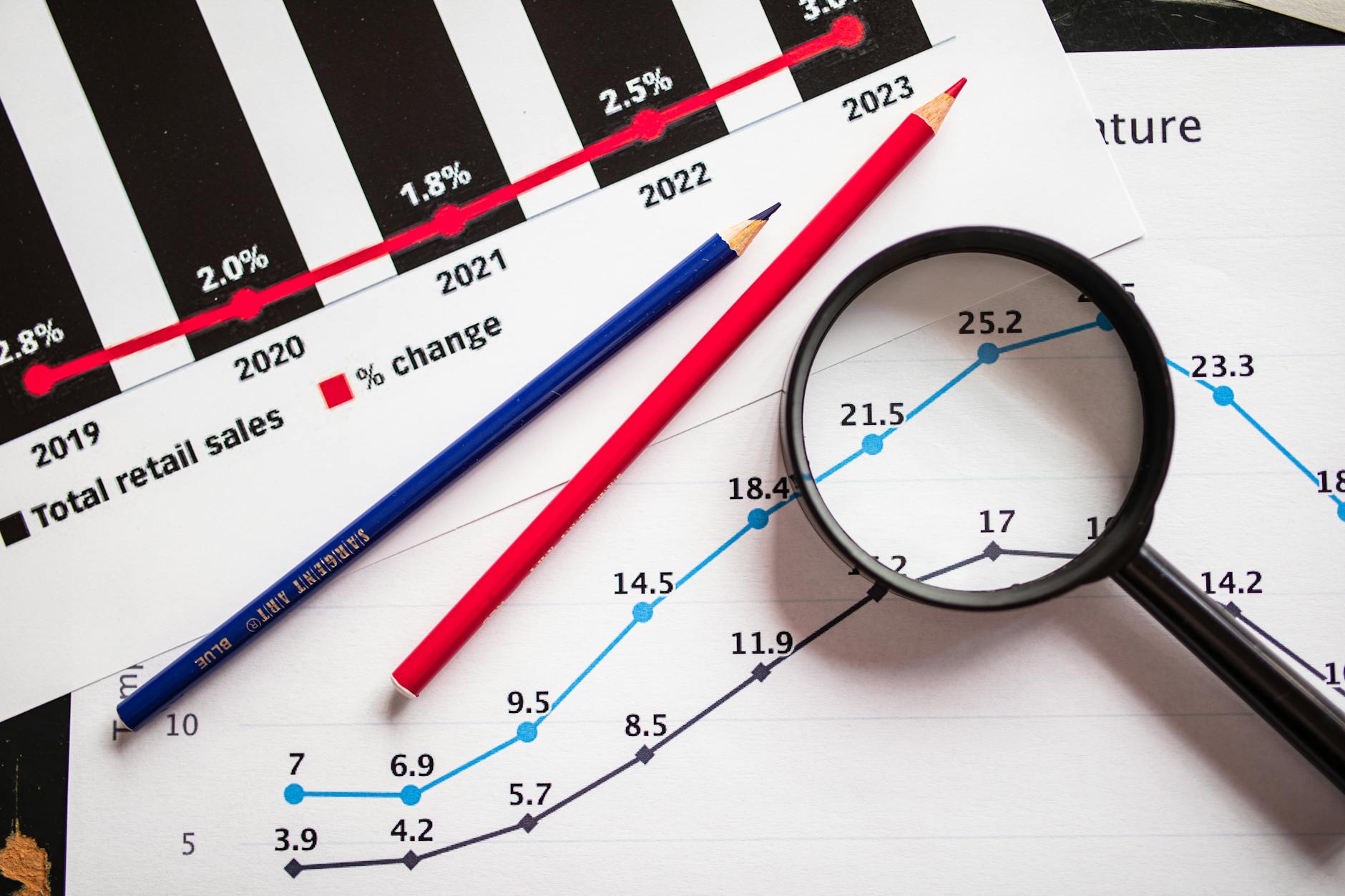
Wedding costs have skyrocketed 25% since 2020, with average ceremonies now costing $35,000 nationwide. As venues, catering, and photography prices surge, brides are reassessing where to allocate their budgets. Thrift stores report wedding dress sections expanding rapidly to meet demand.
Crossroads Trading, a national second-hand retailer, launched dedicated bridal sections in 15 locations after seeing 340% growth in wedding dress searches on their app. “We’re seeing Vera Wang, Monique Lhuillier, and Jenny Packham gowns donated regularly,” says buying director Amanda Chen. “These retail for $4,000 to $8,000 new but sell for $400 to $800 in our stores.”
The Buffalo Exchange in Portland, Oregon, now dedicates an entire floor section to formal wear after wedding dress sales became their second-highest revenue category behind everyday clothing. Store manager Lisa Rodriguez notes that many donors are previous customers who bought their dresses second-hand and continue the cycle.
Traditional bridal retailers are struggling to adapt. David’s Bridal filed for bankruptcy twice in five years before closing 100 locations in 2024. Kleinfeld Bridal in New York, famous for “Say Yes to the Dress,” reported a 35% decline in appointments as brides opt for thrifted alternatives over custom fittings.
Social Media Fuels the Movement
Instagram and TikTok hashtags like #ThriftedBride and #VintageWedding have accumulated millions of views, with brides showcasing dramatic before-and-after alterations of second-hand finds. The trend connects with broader sustainable fashion movements that have reshaped consumer behavior across all clothing categories.
Fashion influencer Emma Chamberlain’s choice to wear a vintage 1960s gown to a high-profile wedding last year sparked widespread discussion about second-hand formal wear. Her post about finding the dress at a Los Angeles estate sale garnered 2.3 million likes and thousands of comments from followers sharing their own thrift store success stories.
The rise of professional styling services for second-hand finds has created new business opportunities. Companies like ReStyled and Vintage Vows offer personal shopping services specifically for thrift store bridal wear, charging $150 to $300 to source and style complete wedding looks from consignment shops.
YouTube channels dedicated to thrift flipping wedding dresses regularly accumulate hundreds of thousands of views. Creator Mia Thompson’s “Thrift Store Wedding Dress Challenge” series, where she transforms donated gowns with basic sewing skills, has inspired countless brides to attempt their own alterations.
Designer Response and Market Adaptation
High-end designers are responding by launching rental programs and more affordable diffusion lines. Vera Wang introduced a rental option through partnerships with services like Rent the Runway, while Hayley Paige launched a ready-to-wear line priced under $1,000.
Some boutiques are pivoting to consignment models. The White Dress in Chicago now dedicates 40% of floor space to consigned gowns, with original owners receiving 50% of sale prices. Owner Patricia Williams reports this model maintains margins while serving budget-conscious brides.
Regional differences emerge in the trend’s adoption. Urban markets like San Francisco, Portland, and Brooklyn show the highest rates of second-hand bridal purchases, while traditional markets in the South and Midwest maintain stronger preferences for new designer gowns.
The resale market has become sophisticated enough that authentication services verify designer labels, and specialized cleaning services prepare vintage gowns for new owners. Some thrift stores now employ former bridal consultants to assist customers with sizing and styling.
Environmental and Cultural Impact
Environmental consciousness drives many purchasing decisions, as textile waste becomes a growing concern. The average wedding dress is worn once and then stored indefinitely, creating significant waste in an industry already criticized for overproduction.
Research from the Sustainable Fashion Institute shows that extending a garment’s life cycle by just nine months reduces its environmental impact by 30%. Wedding dresses, with their complex construction and premium materials, represent particularly high environmental costs when worn only once.
Cultural attitudes toward “something old” have evolved beyond family heirlooms to embrace vintage fashion as a meaningful connection to previous generations. Brides report feeling connected to fashion history while making environmentally conscious choices.
The trend has created unexpected community bonds, with thrift store employees becoming informal wedding consultants and fellow shoppers sharing alteration tips. Social media groups dedicated to thrifted wedding planning have created supportive communities around sustainable celebration choices.
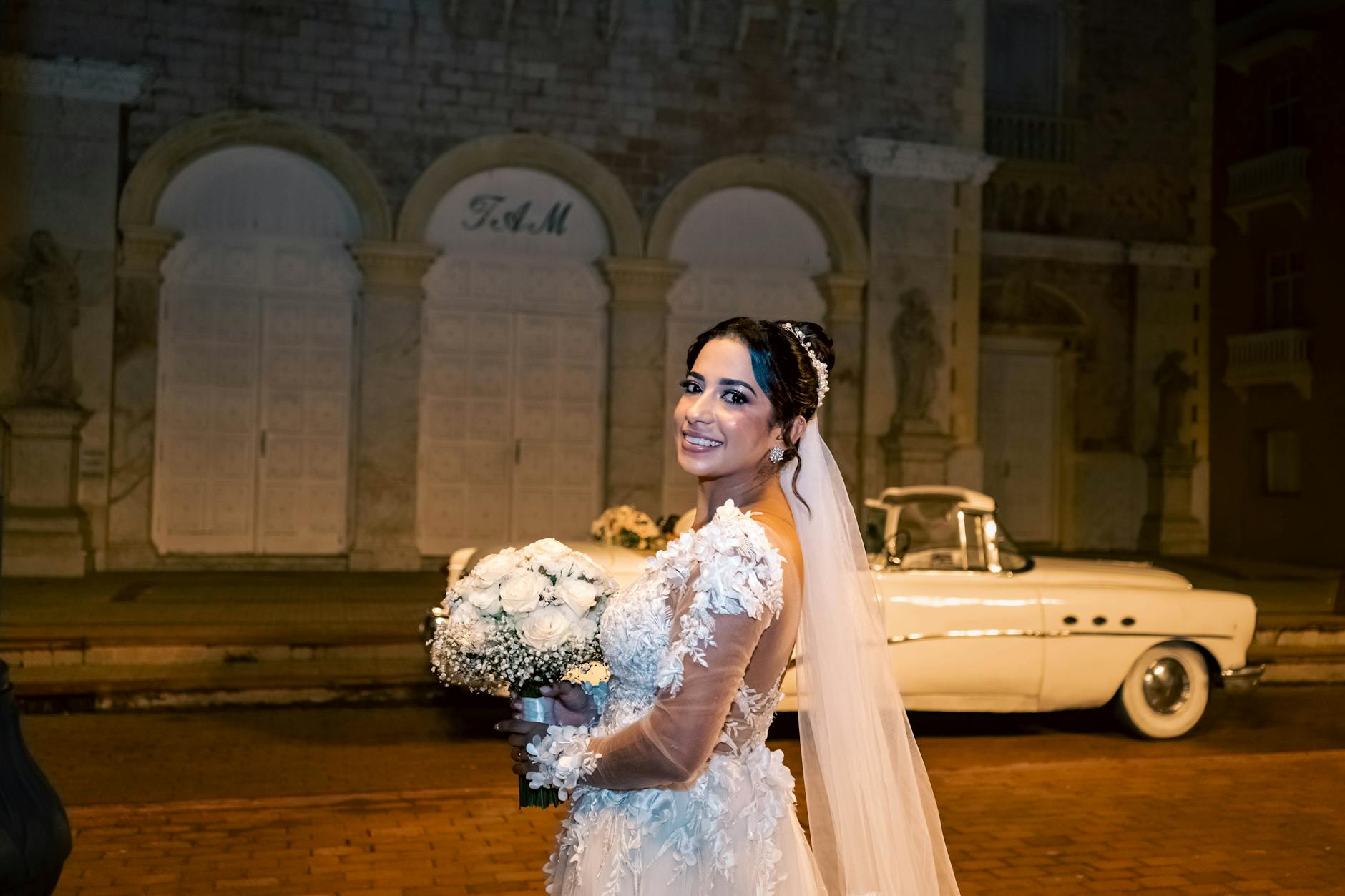
As economic pressures continue and environmental awareness grows, the thrift store bridal movement shows no signs of slowing. Industry analysts predict second-hand wedding dress sales will continue growing through 2025, fundamentally reshaping how Americans approach bridal fashion. The shift represents more than cost savings – it reflects changing values around consumption, sustainability, and the meaning of wedding day perfection.
This transformation mirrors broader changes in fashion consumption, similar to how remote work changed high-end sneaker culture, where practical considerations reshaped luxury purchasing decisions. The bridal industry’s adaptation to these new consumer preferences will likely define its future success.
Frequently Asked Questions
How much can you save buying a thrift store wedding dress?
Brides typically save 80-90% compared to retail prices, finding designer gowns for $200-800 instead of $2,000-8,000 new.
Are thrift store wedding dresses good quality?
Many are high-end designer gowns in excellent condition, often worn only once and professionally cleaned before donation.