


Celebrities and influencers are trading their expensive mouthwashes for a simple practice their grandmothers might have known: swishing coconut oil around their mouth for 10-20 minutes each morning. Oil pulling, an ancient Ayurvedic technique dating back thousands of years, has surged into mainstream oral care routines, driven by social media testimonials and growing interest in holistic wellness practices.
The practice involves swishing a tablespoon of oil – traditionally sesame, but now commonly coconut – in the mouth on an empty stomach, then spitting it out. What was once relegated to alternative health circles has now caught the attention of dental professionals, wellness brands, and millions of Americans seeking natural approaches to oral hygiene.
From Ancient Practice to Modern Phenomenon
Oil pulling originated in India as part of Ayurvedic medicine, where it was known as “kavala” or “gundusha.” The practice was designed to draw toxins from the body through the mouth, based on the belief that the tongue connects to various organs. While modern science doesn’t support the systemic detox claims, research has validated some of oil pulling’s oral health benefits.
Dr. Sarah Chen, a periodontist in Los Angeles, reports seeing more patients asking about oil pulling. “Three years ago, maybe one patient a month mentioned it. Now it’s several per week,” she says. The surge correlates with wellness influencers sharing their morning routines on TikTok and Instagram, where hashtags like #oilpulling have accumulated millions of views.
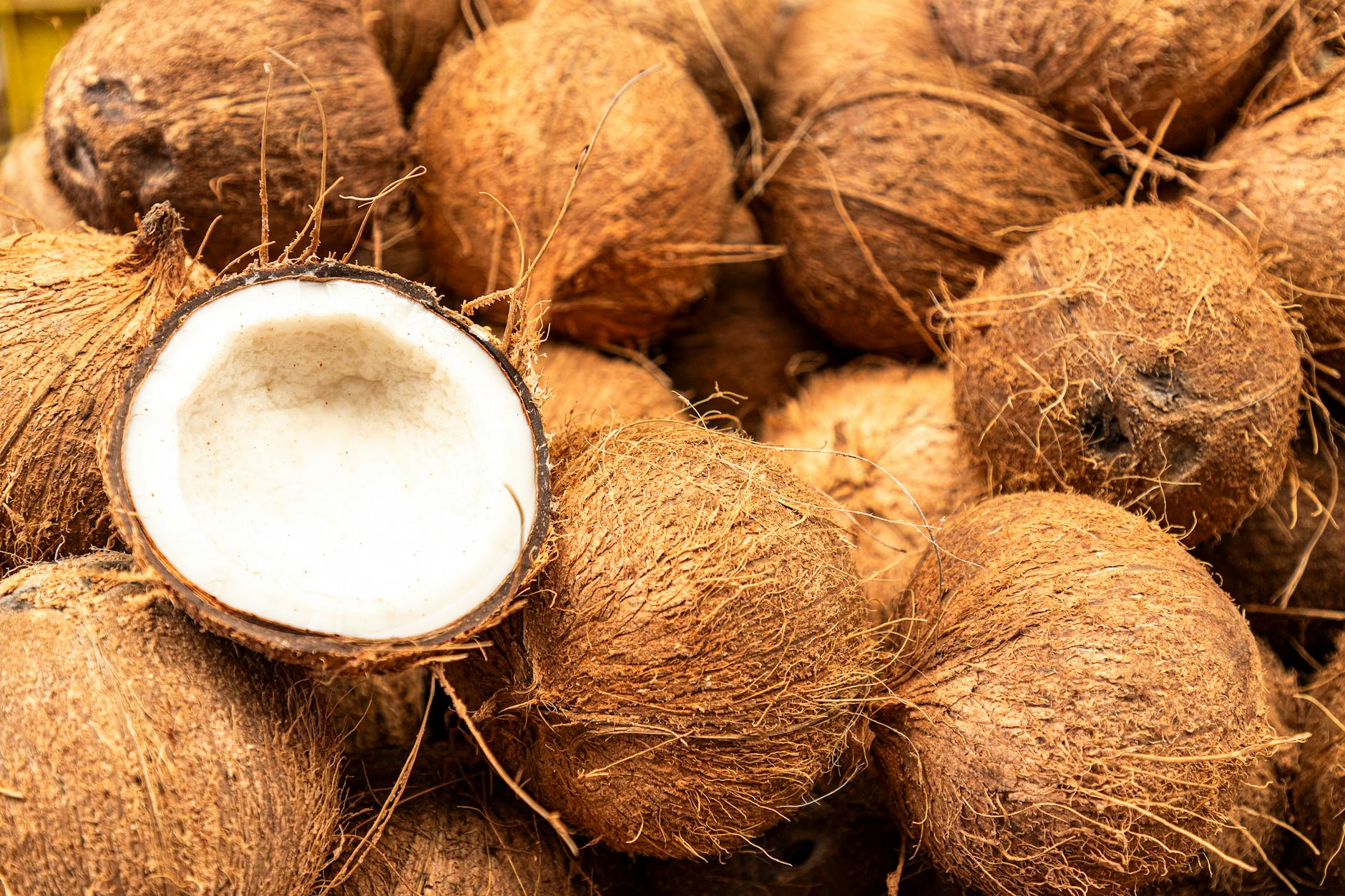
Coconut oil has emerged as the preferred choice over traditional sesame oil, largely due to its pleasant taste and antimicrobial properties. The lauric acid in coconut oil has been shown to reduce harmful bacteria in the mouth, including Streptococcus mutans, which contributes to tooth decay.
Scientific Backing Meets Social Media Hype
Several peer-reviewed studies support oil pulling’s effectiveness for oral health. A 2019 study published in the Journal of Clinical and Diagnostic Research found that coconut oil pulling reduced plaque formation and gingivitis as effectively as chlorhexidine mouthwash. Another study demonstrated significant reductions in bad breath after two weeks of consistent practice.
The mechanism appears straightforward: the swishing action physically removes bacteria, while the oil’s antimicrobial compounds provide additional protection. However, dental professionals emphasize that oil pulling should complement, not replace, traditional brushing and flossing.
“I tell patients it’s like adding a bonus round to their oral care routine,” explains Dr. Michael Rodriguez, a dentist in Austin, Texas. “The research shows real benefits, but it’s not magic. You still need mechanical plaque removal through brushing.”
The practice has also gained traction alongside other wellness trends emphasizing natural alternatives to conventional products. As consumers seek cleaner ingredient lists and time-tested remedies, oil pulling fits perfectly into morning routines that might also include meditation, journaling, or specialized skincare treatments.

Commercial Success and Product Innovation
The oil pulling trend has created a new product category worth millions. Companies now market specialized oil pulling products, from pre-portioned coconut oil packets to flavored blends containing essential oils. Traditional Ayurvedic brands have partnered with modern wellness companies to bring authentic formulations to mainstream retailers.
GuruNanda, one of the leading oil pulling brands, reports 300% growth over the past two years. Their founder, Puneet Nanda, credits social media exposure and increased consumer interest in preventive health practices. “People are realizing that oral health connects to overall wellness,” he says.
Whole Foods, Target, and CVS now dedicate shelf space to oil pulling products, positioning them alongside natural toothpastes and mouthwashes. Some companies have innovated beyond traditional oils, creating pulling blends with added herbs like turmeric, neem, or mint for enhanced benefits and improved taste.
The trend has also influenced related markets. Similar to how at-home LED masks are replacing professional light therapy in skincare routines, oil pulling represents consumers’ desire for effective, natural treatments they can perform independently.
Professional Integration and Best Practices
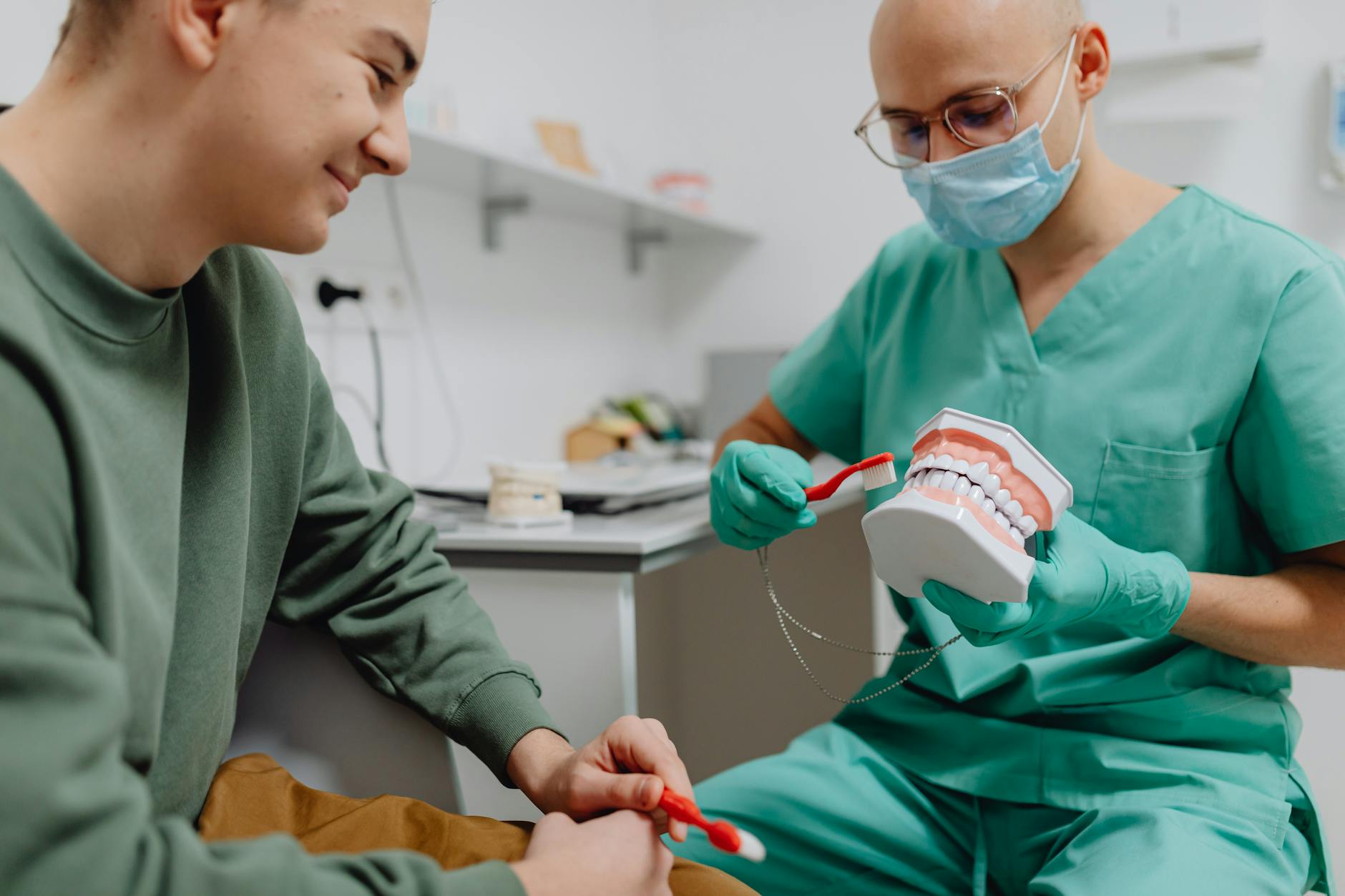
Dental practices are beginning to incorporate oil pulling education into patient consultations, especially for those seeking natural approaches or dealing with recurring gum inflammation. Some holistic dentists now recommend oil pulling as part of comprehensive treatment plans for patients with periodontal disease.
The technique’s simplicity makes it accessible, but proper execution matters. Practitioners should start with smaller amounts – even a teaspoon – and gradually work up to a tablespoon as their jaw muscles adapt to 15-20 minutes of swishing. The oil should be spat into trash cans rather than sinks to avoid clogging pipes, as coconut oil solidifies at room temperature.
Timing proves crucial for maximum benefits. The empty stomach requirement isn’t just traditional wisdom – saliva production is lowest upon waking, allowing the oil to work more effectively. Many practitioners incorporate oil pulling while checking emails, meditating, or preparing breakfast, making the 15-20 minute commitment feel manageable.
As wellness trends continue embracing ancient practices with scientific validation, oil pulling appears positioned for sustained growth rather than fading fad status. The combination of proven oral health benefits, affordability, and alignment with natural wellness philosophies suggests this traditional Ayurvedic practice will remain a fixture in modern self-care routines.
Dental professionals predict integration into mainstream oral care recommendations, particularly as more research emerges about the mouth-body health connection. For consumers seeking simple, effective additions to their wellness routines, oil pulling offers a time-tested practice that modern science increasingly supports – proving that sometimes the oldest solutions remain the most effective.
Frequently Asked Questions
How long should you do oil pulling each day?
Oil pulling should be done for 15-20 minutes each morning on an empty stomach for optimal benefits.
Can oil pulling replace brushing and flossing?
No, oil pulling should complement traditional oral hygiene practices, not replace brushing and flossing.