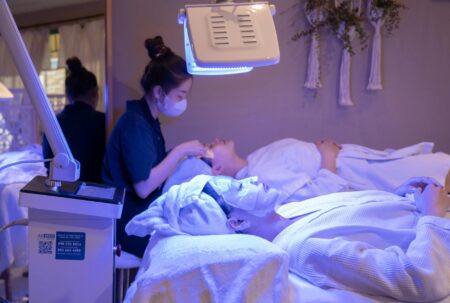


Tibetan singing bowls now accompany cucumber eye masks at high-end spas from Manhattan to Beverly Hills. What started as meditation center curiosity has evolved into skincare’s newest wellness fusion, with aestheticians reporting that sound frequencies enhance both treatment outcomes and client satisfaction.
The integration represents more than trend-chasing. Licensed aestheticians are discovering that sound therapy’s stress-reducing properties amplify facial benefits, creating deeper relaxation states that allow skincare actives to penetrate more effectively. Major spa chains including Bliss and Elements Physical Therapy have begun incorporating sound elements into signature treatments.
The Science Behind Sonic Skincare Enhancement
Sound bath therapy operates on specific frequencies that trigger the body’s parasympathetic nervous system, the rest-and-digest mode essential for cellular repair. When clients enter this deeply relaxed state during facial treatments, blood circulation increases and cortisol levels drop significantly.
Dr. Sarah Chen, a dermatologist practicing in Los Angeles, explains the physiological connection: “Stress hormones like cortisol directly impact skin barrier function and collagen production. When we can measurably reduce stress during treatment, we’re creating optimal conditions for skincare ingredients to work.”
Aestheticians report observing visible differences in client skin tone and texture when sound therapy accompanies traditional facial protocols. The combination appears particularly effective for anti-aging treatments, where relaxation supports the skin’s natural repair mechanisms.
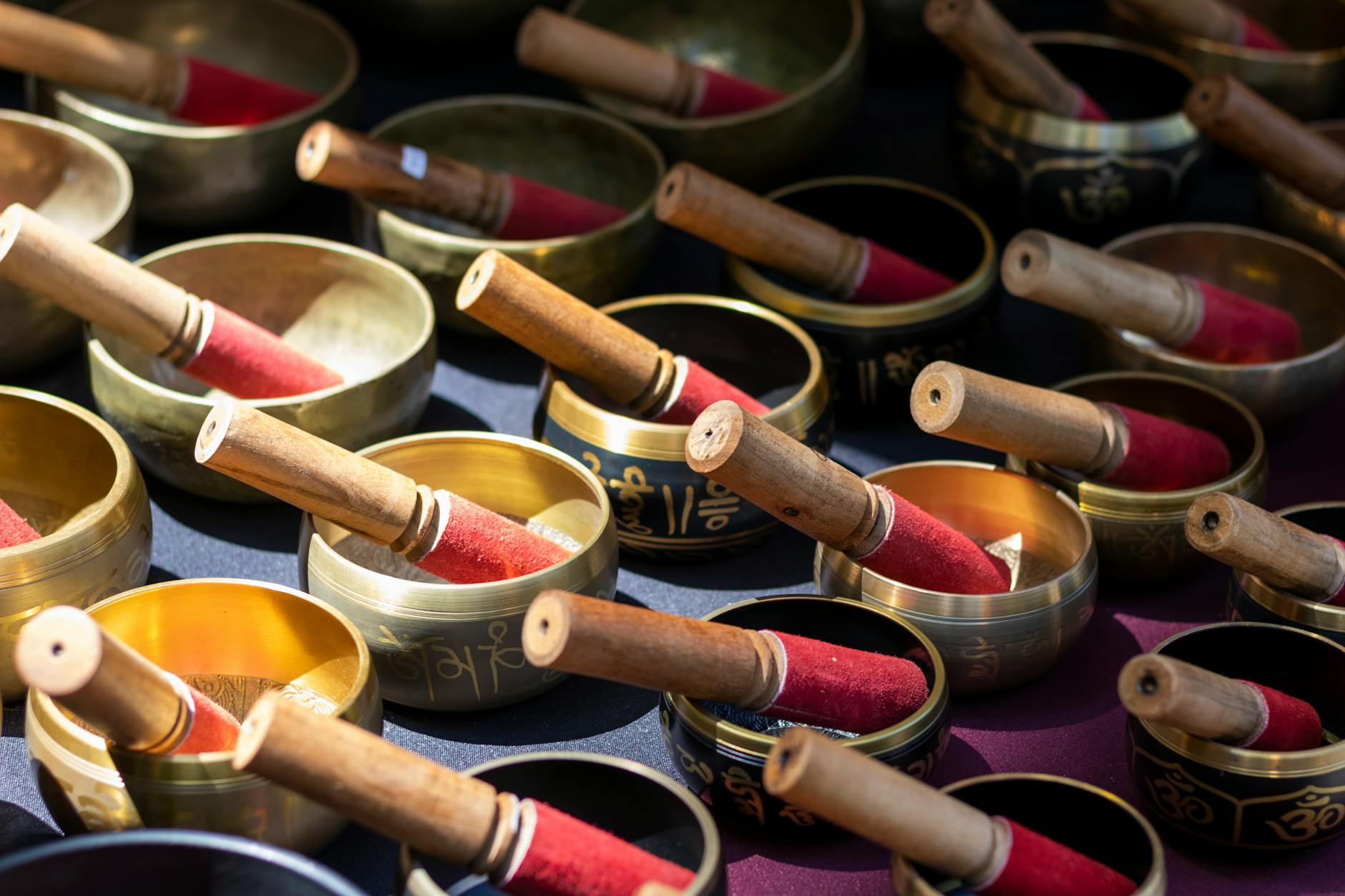
Professional-grade singing bowls produce frequencies between 110-660 Hz, ranges that research associates with reduced anxiety and improved circulation. Some practitioners use crystal bowls tuned to specific chakra frequencies, though the scientific community focuses more on the general stress-reduction benefits than metaphysical claims.
Training Programs Emerge for Dual-Certified Practitioners
Beauty schools now offer hybrid certification programs combining traditional aesthetics training with sound healing techniques. The International Association for Healthcare Communication and Marketing reports a 40% increase in dual-certification enrollment over the past two years.
Leading aesthetics institutions like the Aveda Institute have developed specialized curricula teaching proper bowl placement, frequency selection, and timing integration with facial massage sequences. Students learn to coordinate sound waves with lymphatic drainage techniques and product application phases.
Sound healing instructor Maya Rodriguez, who trains aestheticians in New York, emphasizes the technical precision required: “It’s not about randomly playing bowls during a facial. Practitioners need to understand how different frequencies affect nervous system responses and time them with treatment phases.”
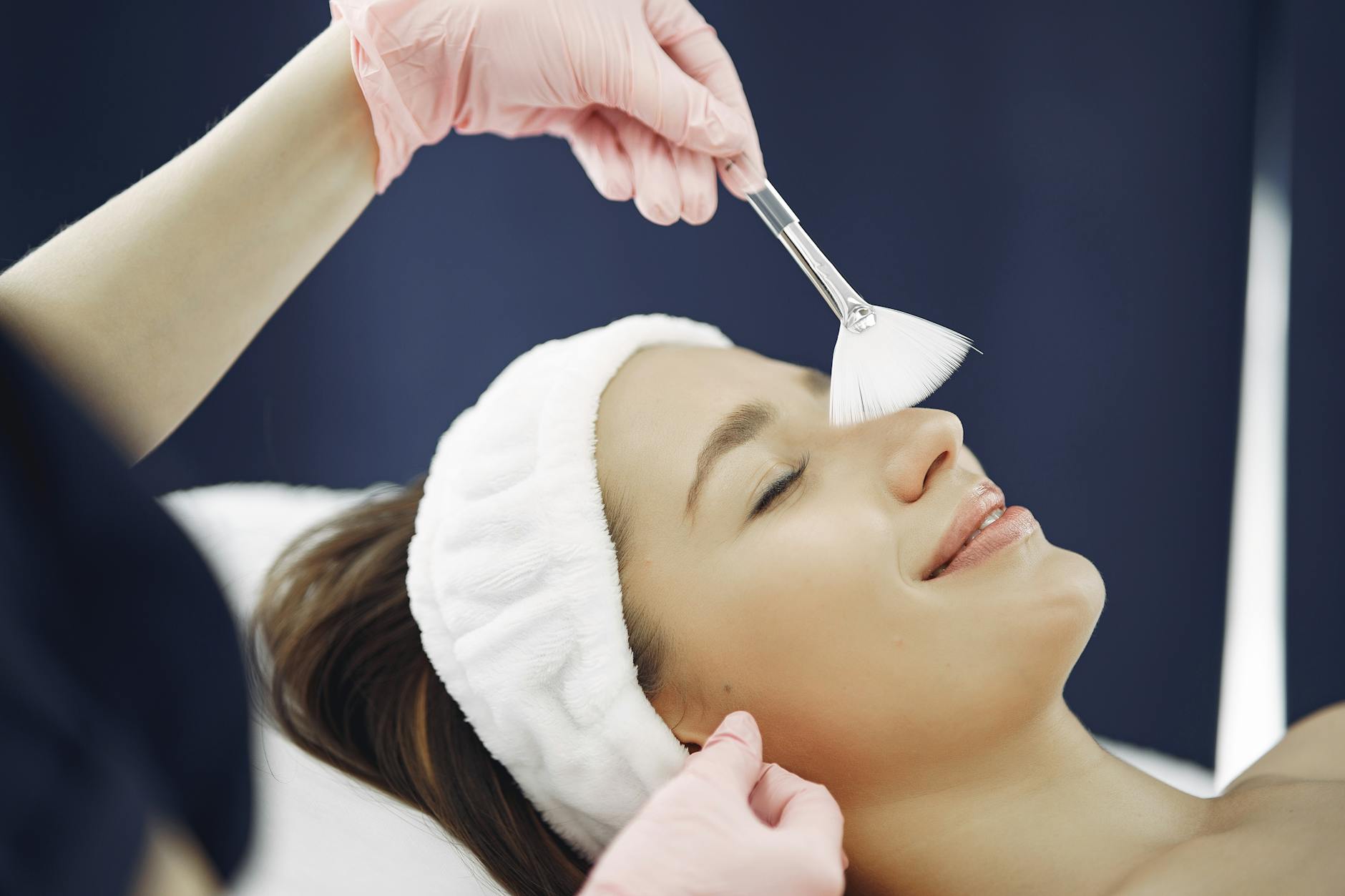
The training typically requires 60-80 additional hours beyond standard aesthetics certification. Practitioners learn instrument selection, room acoustics, and client consultation techniques to identify those who might benefit most from combined treatments.
Insurance considerations also factor into professional training. Most liability policies covering traditional aesthetics extend to sound therapy when performed by licensed professionals, though practitioners verify coverage specifics with their providers.
Celebrity and High-Profile Client Adoption
A-list clients have become early adopters of sound-enhanced facial treatments. Gwyneth Paltrow’s Goop has featured sound bath facials at wellness retreats, while wellness influencer Kourtney Kardashian has documented similar experiences on social media platforms.
The demand from celebrity clients influences broader spa menu development. When high-profile figures request specific treatments, spa directors often develop protocols to meet that demand, eventually offering them to general clientele.
Beverly Hills aesthetician Jennifer Park reports that her celebrity clients specifically request sound bath additions to their regular treatments: “They’re dealing with intense stress levels and short recovery windows between appearances. The sound therapy helps them achieve deeper relaxation in limited time.”
Similar trends appear internationally. London’s exclusive spa district in Marylebone and Tokyo’s high-end wellness centers report increased interest from entertainment industry professionals seeking stress-management skincare options.
The celebrity influence extends beyond individual treatments. When public figures share positive experiences, it generates consumer curiosity and drives booking requests at local spas nationwide.
Equipment and Implementation Considerations
Professional sound bath equipment requires significant investment and space planning. Quality singing bowl sets range from several hundred to several thousand dollars, depending on materials and tuning precision.
Room acoustics play a crucial role in treatment effectiveness. Spaces need sufficient sound absorption to prevent harsh echoes while maintaining clarity of bowl resonance. Many spas invest in acoustic panels and specialized flooring to optimize the sonic environment.
Traditional wellness practices like Turkish hammam treatments have similarly required spa infrastructure adaptations, demonstrating the industry’s willingness to invest in authentic cultural healing modalities.
Hygiene protocols for shared sound instruments follow established spa sanitation standards. Bowls undergo thorough cleaning between clients, and many practitioners use individual mallets to prevent cross-contamination.
Some spas opt for recorded sound experiences rather than live bowl playing, though practitioners generally report better client response to live instrument sessions. The real-time adjustment of frequencies and volumes allows personalized treatment adaptation.

Market Response and Future Integration
Early market response indicates strong consumer interest in combined treatments. Spas offering sound bath facials report premium pricing acceptance, with clients willing to pay 25-40% more than standard facial rates.
The integration represents broader wellness industry convergence, where traditional beauty treatments incorporate holistic health principles. This mirrors trends in fitness studios offering meditation classes and nutrition centers providing stress counseling.
Industry analysts predict continued growth in multi-modal wellness offerings. As consumers seek comprehensive self-care experiences, service providers who can authentically combine proven techniques may gain competitive advantages.
Sound bath facial treatments appear positioned to move beyond trendy novelty toward established menu staples. The combination addresses modern stress-related skin concerns while offering experiential value that distinguishes professional treatments from at-home skincare routines.
The next evolution may include personalized frequency selection based on individual stress patterns and skin analysis, creating truly customized sonic skincare protocols that represent the future of holistic beauty treatment.
Frequently Asked Questions
How do sound frequencies enhance facial treatments?
Sound frequencies trigger the parasympathetic nervous system, reducing stress hormones like cortisol and improving circulation for better skincare ingredient absorption.
What training do aestheticians need for sound bath facials?
Practitioners typically need 60-80 additional hours beyond standard certification to learn proper instrument use, frequency timing, and integration techniques.