


Beauty brands are ditching traditional packaging for an entirely new business model – launching product lines exclusively in refillable containers. Kjaer Weis, Fenty Beauty, and Charlotte Tilbury have introduced collections where customers can only purchase refills after buying the initial compact or bottle, marking a dramatic shift from optional sustainability programs to mandatory circular beauty.
This movement goes beyond adding eco-friendly options to existing ranges. Brands are creating entire product ecosystems designed around permanent packaging that customers keep indefinitely, fundamentally changing how consumers interact with beauty products and challenging the industry’s throwaway culture.
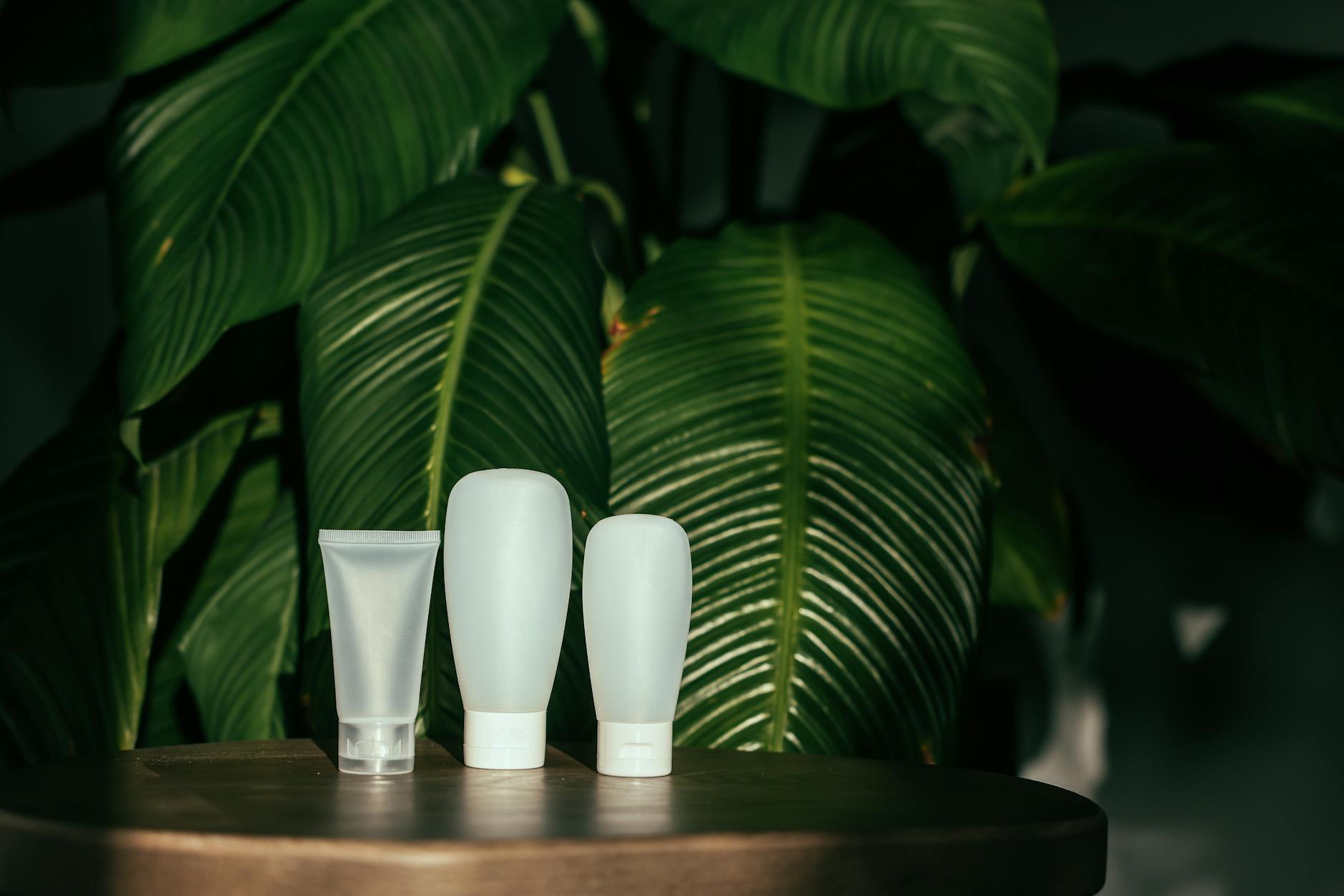
The Economics Behind the Refill-Only Strategy
The financial model proves compelling for both brands and consumers. Refill cartridges typically cost 20-30% less than full-size products, while brands maintain similar profit margins by eliminating packaging costs on repeat purchases. Kjaer Weis reports that 80% of their foundation customers purchase refills within six months, creating predictable revenue streams that traditional one-time sales cannot match.
Luxury brands particularly benefit from this approach. Charlotte Tilbury’s refillable lipstick cases, crafted with metal components and magnetic closures, justify premium pricing while encouraging brand loyalty. Customers invest in the experience of owning beautiful, permanent packaging rather than discarding products after use.
The subscription model integration amplifies these benefits. Rare Beauty and Glossier have launched automatic refill delivery services, reducing customer acquisition costs while increasing lifetime value. This approach transforms occasional buyers into committed brand advocates with regular purchase patterns.
Consumer Behavior Shifts Driving Adoption
Gen Z and millennial consumers actively seek brands aligned with their environmental values, but convenience remains crucial. Refill-only lines address both priorities by making sustainable choices the default option rather than requiring extra effort or research from consumers.
Social media influence accelerates adoption as users showcase their refillable compacts and bottles as lifestyle accessories. The aesthetic appeal of permanent packaging creates shareable content, with beauty influencers featuring refill routines and compact collections. This organic marketing proves more effective than traditional sustainability messaging.
The pandemic shifted beauty routines toward multi-functional, long-lasting products. Consumers invested in fewer, higher-quality items rather than constantly trying new products. Refillable packaging aligns with this mindset, encouraging deeper relationships with preferred formulas and shades.
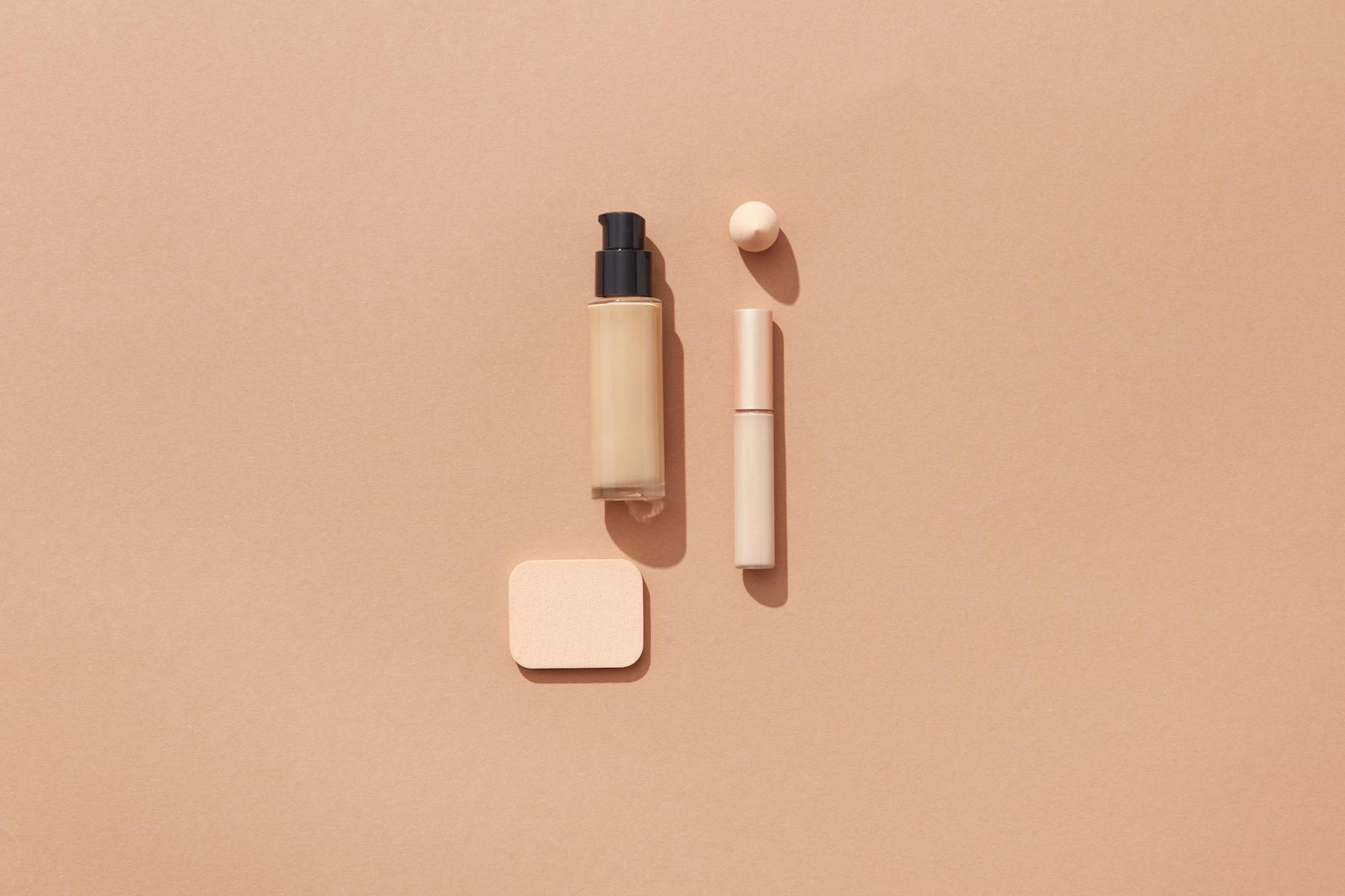
Innovation in Refillable Product Design
Brands are redesigning products from the ground up to optimize refillable functionality. Magnetic connections, twist-lock mechanisms, and modular components replace traditional packaging structures. Fenty Beauty’s refillable foundation system uses color-coded cartridges that snap into universal dispensers, eliminating confusion about shade matching.
Technology integration enhances the refill experience. Some brands embed NFC chips in packaging to track usage patterns and automatically reorder products when supplies run low. QR codes on empty containers direct customers to refill purchasing pages, streamlining the replenishment process.
The design focus extends to refill packaging itself. Brands use minimal, recyclable materials for refill cartridges while investing in durable, premium outer packaging. This approach reduces overall environmental impact while maintaining the luxury experience consumers expect from beauty products.
Product formulation also adapts to refillable requirements. Brands develop longer-lasting formulas that justify the investment in permanent packaging, while creating products specifically designed for easy cartridge insertion and removal without product waste.
Industry-Wide Impact and Future Implications
Major retailers are restructuring beauty sections to accommodate refillable product lines. Sephora and Ulta Beauty have created dedicated refill stations and expanded their selection of brands offering refill-only options. This retail support validates the long-term viability of the refillable model.
The success of refill-only beauty lines influences other industries. Fashion accessories, home fragrance, and personal care brands are exploring similar models, suggesting a broader shift toward circular economy principles across consumer goods sectors. The beauty industry’s innovation in this space positions it as a leader in sustainable business practices.
Regulatory pressure supports this trend as governments implement extended producer responsibility laws requiring brands to manage packaging waste. Refillable systems help companies comply with these regulations while potentially reducing associated costs.
The refill-only model represents more than environmental consciousness – it’s a fundamental reimagining of the customer-brand relationship. As more brands launch refill-exclusive lines and consumers embrace the model, traditional packaging approaches may become obsolete. The beauty industry is creating a new standard where sustainability and luxury coexist, proving that environmental responsibility can enhance rather than compromise the consumer experience.
Frequently Asked Questions
Why are beauty brands switching to refill-only packaging?
Brands reduce packaging costs, increase customer loyalty, and meet environmental demands while maintaining profit margins through repeat refill purchases.
Are refillable beauty products more expensive?
Initial investment is higher for permanent packaging, but refills cost 20-30% less than full-size products, saving money long-term.