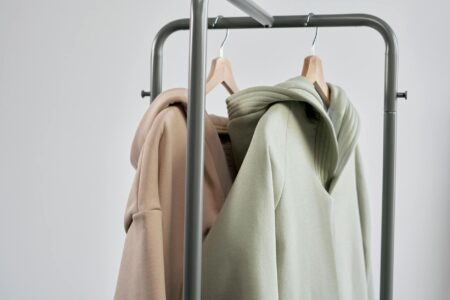


Executive boardrooms across Silicon Valley witnessed an unusual sight last Tuesday: three Fortune 500 CEOs conducting quarterly reviews while wearing silk pajama sets. This wasn’t a fever dream or a casual Friday gone wrong-it represents the latest evolution in executive fashion that’s quietly reshaping corporate America’s dress codes.
The movement started gaining traction in 2023 when remote work blurred the lines between professional and personal attire. Now, as hybrid schedules become permanent fixtures and wellness takes center stage in corporate culture, high-level executives are embracing comfort-forward clothing that challenges traditional power dressing norms.
Marc Benioff of Salesforce sparked conversations when he appeared at a board meeting wearing what appeared to be high-end loungewear, though his team described it as “performance sleepwear designed for executive comfort.” Similar sightings have been reported at tech companies, consulting firms, and even traditional finance institutions where dress codes once demanded nothing less than sharp suits and polished shoes.

The Psychology Behind Power Pajamas
Fashion psychologist Dr. Jennifer Baumgartner explains that clothing directly impacts cognitive performance and decision-making abilities. “When executives feel physically comfortable, they’re more likely to think creatively and make bold decisions,” she notes. This shift reflects a broader understanding that productivity doesn’t require physical discomfort.
The pajama trend specifically appeals to leaders who’ve grown tired of restrictive clothing during long strategic sessions. Traditional boardroom attire-tight collars, constricting waistbands, and stiff fabrics-can create physical stress that impacts mental clarity. Luxury sleepwear brands like Olivia von Halle and Derek Rose have capitalized on this shift by creating collections specifically marketed to executives seeking “boardroom-appropriate comfort.”
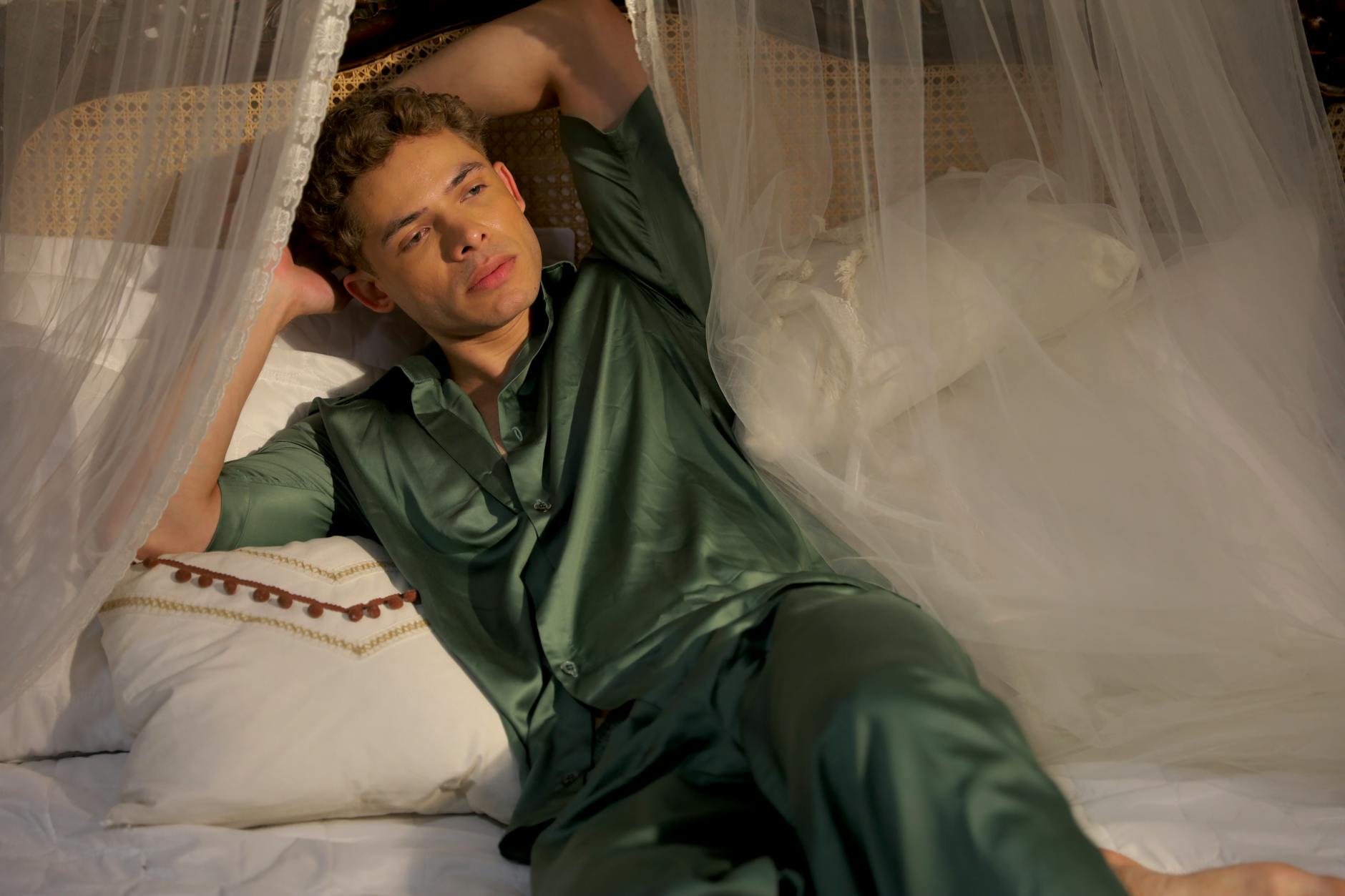
These aren’t your average drugstore pajamas. Executive sleepwear features sophisticated cuts, premium fabrics like mulberry silk and organic bamboo, and subtle patterns that maintain professional gravitas. Price points range from $300 to $1,500 per set, positioning them as legitimate business attire rather than casual loungewear.
The psychological impact extends beyond personal comfort. When leaders dress down, it can signal approachability and authenticity to their teams. Several executives report that their more relaxed attire has improved communication during meetings, with employees feeling more comfortable sharing honest feedback and innovative ideas.
Corporate Culture Shifts Driving the Trend
This fashion evolution didn’t happen in isolation-it reflects broader changes in corporate culture that prioritize employee wellbeing and authentic leadership. Companies implementing four-day work weeks, meditation rooms, and flexible schedules are naturally extending this wellness focus to dress codes.
Tech companies led the charge, but the trend has spread to unexpected sectors. Investment banking, traditionally the most conservative industry in terms of professional attire, has seen partners at several firms adopt “comfort-first” policies for internal meetings. One managing director at a prominent Wall Street firm reports that productivity in strategy sessions increased 20% after implementing relaxed dress guidelines.
The COVID-19 pandemic accelerated these changes by normalizing video calls where only upper body attire mattered. Many executives discovered they made better decisions when physically comfortable, leading to permanent policy changes even as in-person meetings resumed.
The Rise of Executive Athleisure and Wellness-Focused Fashion
Pajama sets represent just one facet of the broader comfort revolution in executive fashion. The same leaders embracing sleepwear are also incorporating other wellness-inspired clothing choices into their professional wardrobes. As we’ve seen with professional women trading heels for hiking boots at work, comfort and functionality are becoming key factors in workplace fashion decisions.
This shift toward wellness-focused attire extends beyond individual comfort preferences. Companies investing in corporate meditation rooms and zen minimalist wardrobes are creating environments where relaxed dress codes feel natural and appropriate.
Luxury retailers have responded by creating specialized executive comfort collections. Brands like Lululemon Lab and Alo Yoga have launched lines specifically designed for high-level business meetings, featuring technical fabrics that look polished while providing athletic-wear comfort. These pieces bridge the gap between traditional business attire and the extreme casualness of sleepwear.
The trend also reflects changing generational expectations in leadership. Millennial and Gen Z executives, who grew up during the athleisure boom, view comfort and authenticity as essential leadership qualities rather than signs of unprofessionalism.
Setting Boundaries: When Pajamas Work and When They Don’t
Despite growing acceptance, executive pajama wearing requires careful consideration of context and audience. Internal strategy sessions, creative brainstorming meetings, and team building events represent ideal scenarios for comfort-first attire. Client presentations, investor meetings, and formal board presentations typically still demand traditional business dress.
Smart executives are developing what fashion consultants call “comfort codes”-guidelines for when relaxed attire is appropriate and when traditional power dressing remains necessary. These policies often consider factors like meeting type, attendee demographics, company culture, and industry norms.
Some companies have formalized these guidelines, creating dress code policies that specifically address “executive comfort wear” and provide parameters for appropriate fabrics, cuts, and styling. This structure helps prevent the trend from devolving into actual sleepwear that might undermine professional credibility.
The key lies in maintaining the psychological impact of power dressing while prioritizing physical comfort. High-quality fabrics, tailored fits, and sophisticated styling ensure that comfort-focused attire still commands respect and authority in professional settings.
The executive pajama trend represents more than a fashion quirk-it signals a fundamental shift in how corporate America defines professionalism and leadership effectiveness. As wellness continues to dominate workplace priorities and hybrid schedules become permanent fixtures, expect to see more boardrooms where comfort and performance intersect in unexpected ways.
This evolution will likely accelerate as younger executives assume leadership roles and companies compete for top talent by offering environments that prioritize both results and personal wellbeing. The future of executive fashion isn’t about choosing between authority and comfort-it’s about finding sophisticated ways to achieve both.
Frequently Asked Questions
Are CEOs really wearing actual pajamas to board meetings?
They’re wearing high-end, sophisticated sleepwear and loungewear designed specifically for professional settings, not traditional bedroom pajamas.
Which industries are embracing the executive comfort trend?
Tech companies led the movement, but it’s spreading to consulting, finance, and even traditionally conservative sectors like investment banking.