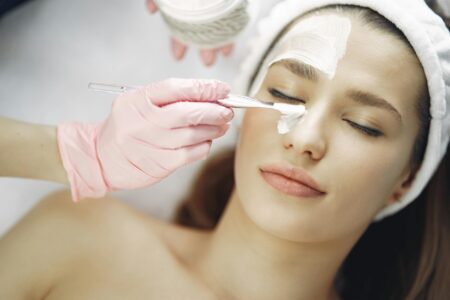


Your skincare routine just got a bacterial makeover. Major beauty brands are racing to infuse their formulas with living microorganisms, betting that the same probiotics found in yogurt can revolutionize how we treat our skin. This isn’t another wellness fad – it’s a fundamental shift in how cosmetic chemists approach skin health, backed by mounting research on the skin’s microbiome.
The beauty industry has embraced the microbiome revolution with unprecedented enthusiasm. Brands like Aurelia Probiotic Skincare, Tula, and Mother Dirt have built entire product lines around bacterial benefits, while established giants including Estée Lauder and L’Oréal have launched probiotic-enhanced formulas. The global probiotic skincare market, valued at over $500 million in 2023, shows no signs of slowing down as consumers increasingly seek science-backed solutions for persistent skin issues.
The Science Behind Bacterial Beauty
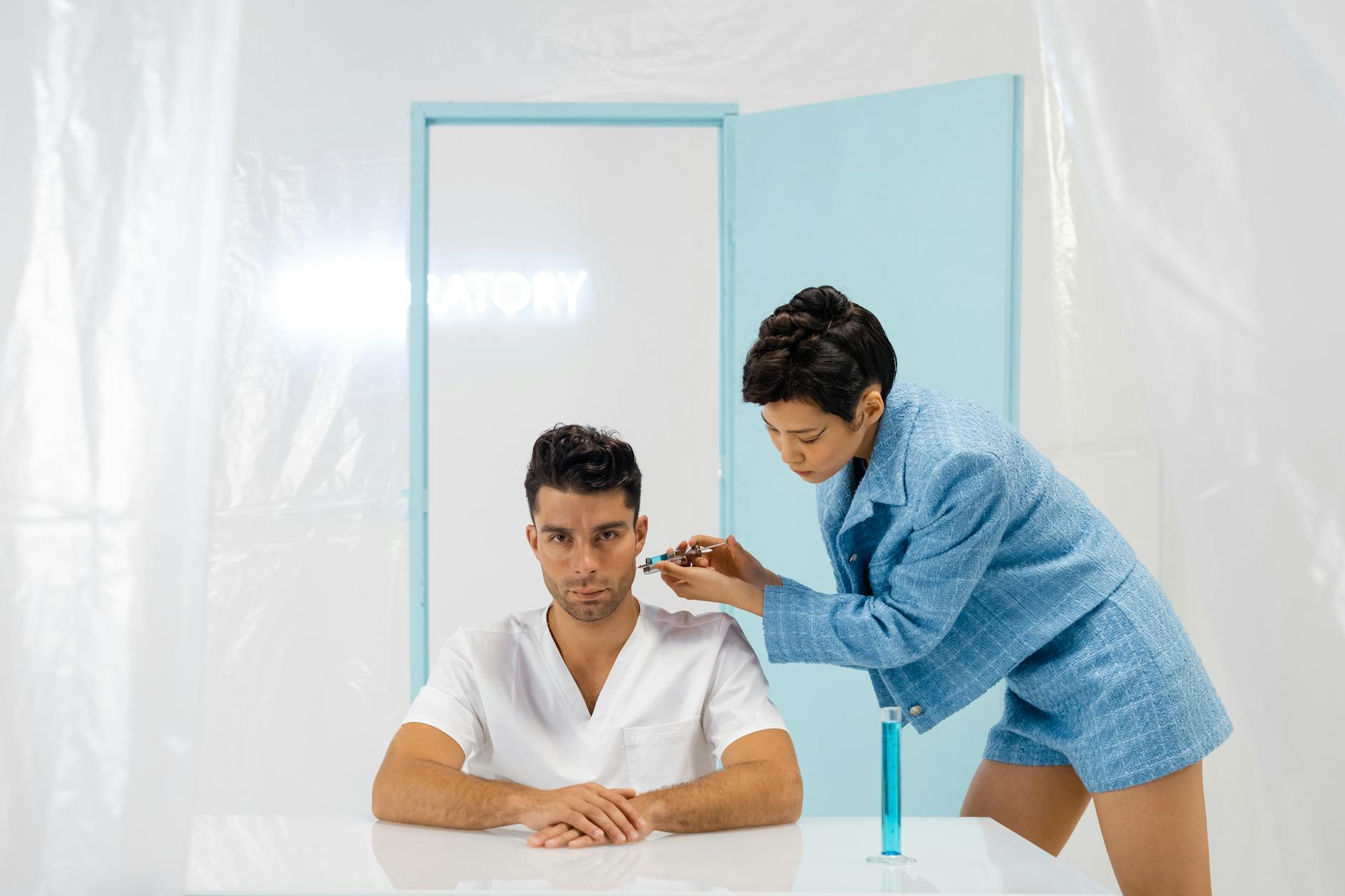
Your skin houses trillions of microorganisms – bacteria, fungi, and viruses that form your skin’s microbiome. This invisible ecosystem acts as your first line of defense against harmful pathogens, environmental stressors, and inflammation. When balanced, these beneficial bacteria maintain your skin’s pH, strengthen its barrier function, and even produce natural antimicrobial compounds.
Cosmetic chemists have identified specific strains that show particular promise for skincare applications. Lactobacillus and Bifidobacterium strains, commonly found in fermented foods, demonstrate anti-inflammatory properties when applied topically. These bacteria produce lactic acid naturally, providing gentle exfoliation while supporting the skin’s acid mantle. Other strains like Streptococcus thermophilus generate ceramides and hyaluronic acid – the same moisture-binding compounds found in expensive serums.
The prebiotics component is equally crucial. These are specialized fibers and compounds that feed beneficial bacteria, helping them flourish on your skin. Ingredients like inulin, fructooligosaccharides, and alpha-glucan oligosaccharide act as bacterial food sources, promoting the growth of helpful microorganisms while inhibiting harmful ones.
Research published in dermatology journals shows promising results. Studies indicate that topical probiotics can reduce acne-causing bacteria, calm rosacea flare-ups, and strengthen compromised skin barriers. The key lies in formulation – cosmetic chemists must ensure these living organisms remain stable and viable in beauty products, a technical challenge that has driven significant innovation in the field.
Formulation Challenges and Breakthroughs
Creating effective probiotic skincare requires solving complex chemistry puzzles. Living bacteria are notoriously fragile, easily killed by preservatives, extreme temperatures, or pH fluctuations. Traditional cosmetic preservation systems, designed to eliminate all microbial life, work directly against probiotic formulations.
Cosmetic chemists have developed several innovative approaches to overcome these challenges. Many brands use lysates – the beneficial compounds produced by probiotics rather than live bacteria themselves. This approach, employed by companies like Gallinée and Esse, provides probiotic benefits without the stability concerns of living organisms. The lysates contain the same peptides, enzymes, and metabolites that make probiotics effective, but in a shelf-stable form.
Other formulators have turned to encapsulation technology, protecting live bacteria in microscopic spheres that break open upon application. This method, used in some Tula products, allows brands to include actual living probiotics while ensuring they remain viable until they reach your skin. Advanced freeze-drying techniques and specialized packaging further extend product shelf life.
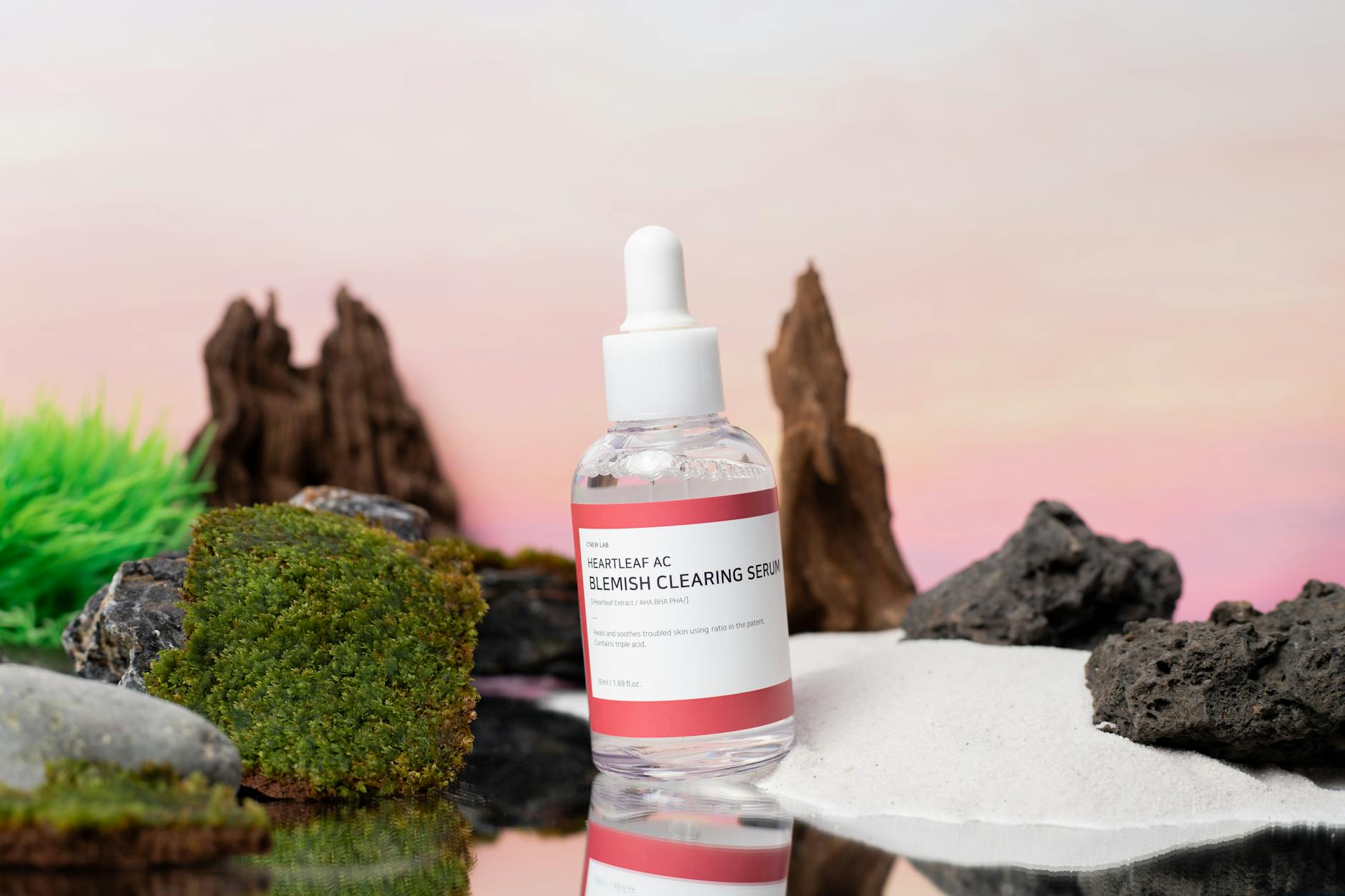
The prebiotic approach offers another solution. Rather than adding bacteria to products, some chemists focus on feeding the beneficial microorganisms already present on your skin. This strategy sidesteps stability issues while supporting your natural microbiome. Brands like Seed and Biossance have invested heavily in prebiotic research, identifying plant-derived compounds that selectively nourish beneficial skin bacteria.
Temperature-controlled supply chains have become essential for many probiotic skincare brands. Some products require refrigeration, similar to prescription medications, while others use innovative packaging that protects sensitive ingredients from light and heat. The complexity has led to premium pricing, but consumer acceptance suggests the market values these technological advances.
Real-World Results and Consumer Response
Clinical testing of probiotic skincare shows measurable improvements across multiple skin concerns. Independent studies on products containing Lactobacillus ferment demonstrate significant reductions in skin sensitivity and improved barrier function after eight weeks of use. Users report fewer breakouts, reduced redness, and improved skin texture – outcomes that align with the proposed mechanisms of microbiome support.
The acne treatment category has seen particularly strong adoption. Traditional acne treatments often disrupt the skin’s natural bacterial balance, leading to dryness, irritation, and potential antibiotic resistance. Probiotic alternatives work by crowding out harmful bacteria naturally, without the harsh side effects of conventional treatments. This gentler approach appeals especially to consumers with sensitive skin or those seeking alternatives to retinoids and salicylic acid.
Professional treatments incorporating probiotics are gaining traction in dermatology offices and high-end spas. Some practitioners combine probiotic applications with microneedling procedures to enhance penetration and effectiveness. The integration of bacterial therapy into professional skincare represents a significant shift from purely chemical or physical treatment approaches.
Consumer education remains crucial for market growth. Many customers initially express skepticism about applying bacteria to their faces, requiring brands to invest heavily in explaining the science. Social media influencers and dermatologist endorsements have helped normalize the concept, with platforms like TikTok featuring numerous testimonials about probiotic skincare results.
The subscription model has proven particularly effective for probiotic skincare brands. Companies like Seed offer monthly deliveries of fresh products, ensuring optimal potency while building customer loyalty. This approach addresses stability concerns while creating predictable revenue streams for brands investing in expensive research and development.

The Future of Microbiome Beauty
The convergence of biotechnology and beauty continues accelerating, with personalized microbiome analysis emerging as the next frontier. Several startups are developing at-home testing kits that analyze your skin’s bacterial composition, promising customized probiotic formulations based on individual microbiome profiles. This precision approach could revolutionize skincare by addressing specific bacterial imbalances rather than applying broad-spectrum solutions.
Fermentation technology, borrowed from food science, is creating new possibilities for cosmetic ingredients. Brands are fermenting traditional skincare actives like vitamin C and niacinamide using beneficial bacteria, potentially increasing their bioavailability and reducing irritation potential. This bio-fermentation trend extends beyond probiotics, influencing how cosmetic chemists approach ingredient development across all categories.
The regulatory landscape continues evolving as health authorities worldwide develop frameworks for probiotic cosmetics. The FDA and European regulatory bodies are establishing guidelines for claims and safety testing, providing clearer pathways for brands to bring innovative products to market. This regulatory clarity should accelerate research and development investments in microbiome-focused beauty.
As the science matures and manufacturing costs decrease, probiotic ingredients will likely migrate from premium specialty brands into mainstream drugstore products. The democratization of microbiome skincare could transform how consumers approach daily beauty routines, making bacterial balance as common a concern as sun protection or anti-aging. The beauty industry’s bacterial revolution is just beginning, promising a future where skincare works with your body’s natural systems rather than against them.
Frequently Asked Questions
How do probiotics work in skincare products?
Probiotics in skincare support beneficial bacteria on your skin, helping maintain pH balance, strengthen barrier function, and reduce harmful microorganisms naturally.
Are probiotic skincare products safe for sensitive skin?
Most probiotic skincare products are gentler than traditional treatments, making them suitable for sensitive skin types seeking alternatives to harsh chemical actives.